Finding Game Lands That See Fewer Hunters
It's a familiar ache for many Pennsylvania hunters: the parking lot is full before daylight, boot tracks riddle every promising trail, and you can almost hear the sighs of disappointment echoing through the woods. Finding those coveted spots on State Game Lands where deer haven't been pushed relentlessly since September can feel like trying to find a needle in a haystack. This guide aims to equip you with the knowledge and tactics to scout out and successfully hunt those less-pressured areas, offering strategies to escape the crowds and increase your chances of a truly wild hunting experience.
Understanding Hunter Pressure on Pennsylvania Game Lands
Before we can even talk about finding less-pressured areas, we need to acknowledge what "pressure" actually looks like on Pennsylvania's public hunting lands. It's not just about seeing another hunter; it's about the subtle, and sometimes not-so-subtle, impact human activity has on deer movement, bedding habits, and overall wariness.
The Impact of Easy Access and Well-Known Spots
Think about it: most hunters are looking for convenience. They drive to the closest parking area, walk the most obvious trails, and often set up within a few hundred yards of their vehicle. This creates a donut effect, where the areas immediately adjacent to roads and parking lots get hit hard, repeatedly, especially during popular seasons like the firearms opener or the peak of the rut. Deer in these "easy access" zones learn quickly to move nocturnally or shift to thicker cover that hunters tend to avoid. If you're consistently hunting these highly accessible spots, you're competing with a lot of other hunters and facing deer that are on high alert. This is why you often see fewer deer, or only small, nervous deer, in these easily accessible patches of woods.
The "Donut Effect" and Deer Behavior
The "donut effect" is a real phenomenon on public land. Imagine a Game Land parcel from above: the edges, where roads and trails define boundaries, see the most traffic. Hunters penetrate the woods to a certain comfortable distance, creating a heavily disturbed ring around the perimeter. The deer, being smart creatures of habit and survival, learn to avoid this outer ring during daylight hours. They'll either hold tight in the absolute thickest, nastiest cover within that pressured zone, or they'll retreat to the undisturbed "hole" in the center of the donut – areas deep within the tract, often on steep slopes, in swamps, or in dense regrowth that most hunters simply won't bother to penetrate. Understanding this behavioral shift is your first step in finding those overlooked spots.
Strategies for Identifying Low-Pressure Areas
Now that we understand what we're up against, let's talk about how to find those hidden gems. It takes more than just showing up; it requires dedicated research and a willingness to put in the effort others won't.
Leveraging Mapping Technology and Aerial Photos
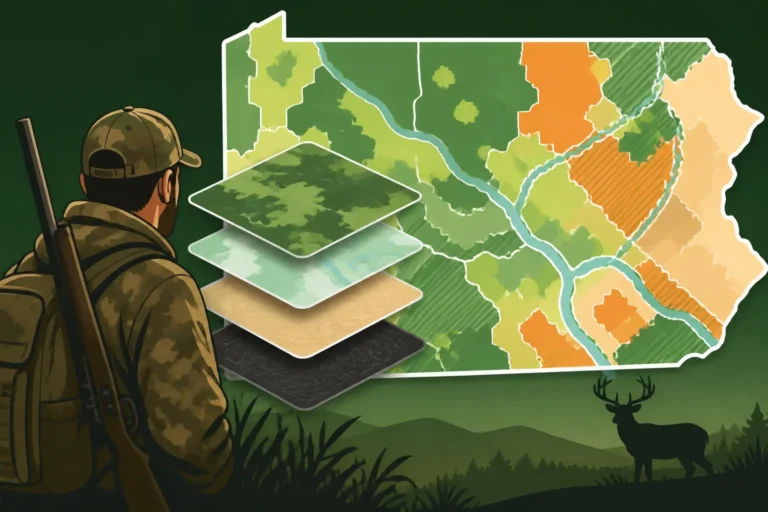
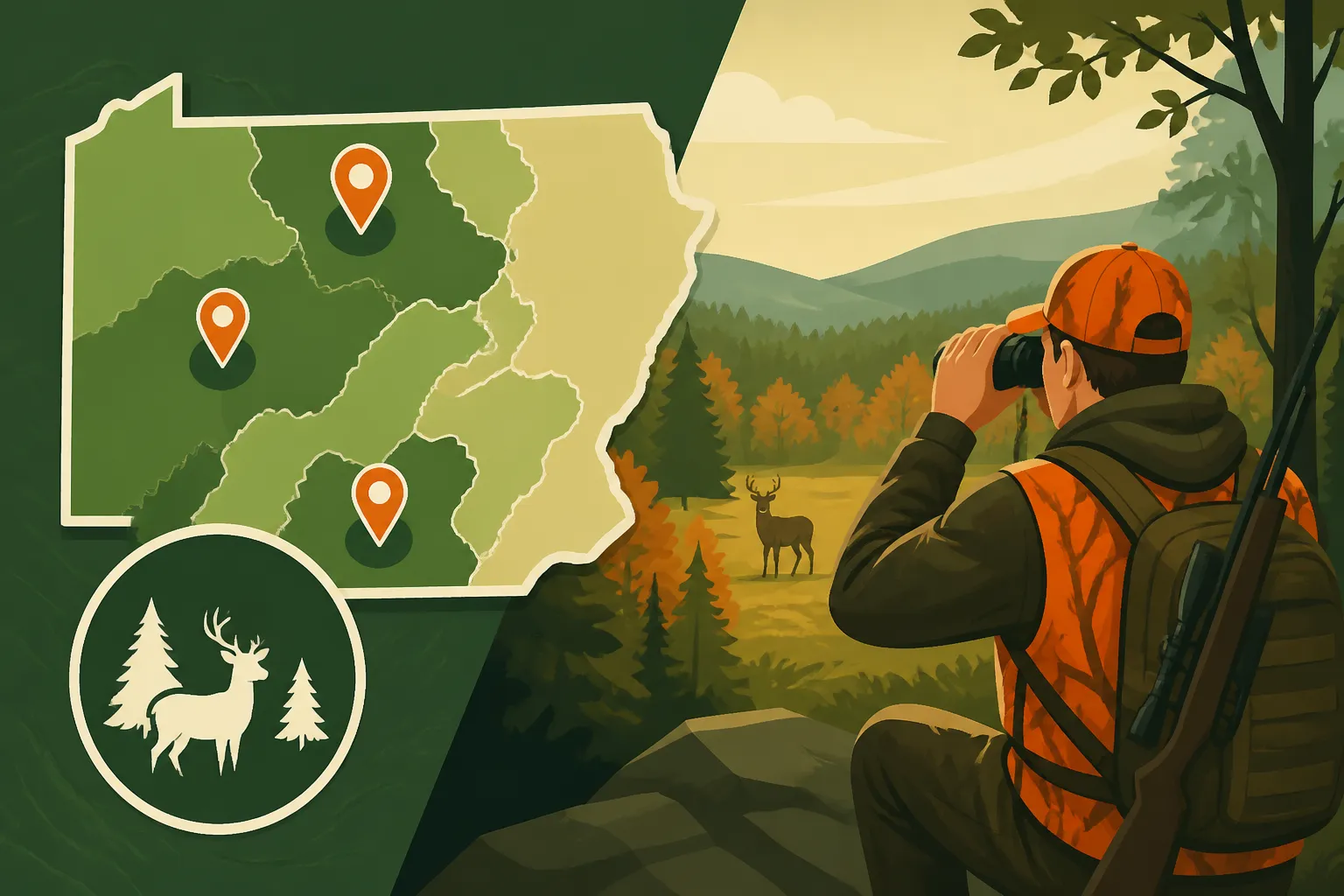
Modern mapping applications are an absolute game-changer for identifying potential low-pressure areas. Tools like onX Hunt or GoHunt allow you to scrutinize every inch of a State Game Land from your couch. Start by looking for the obvious: parking areas, main trails, and access roads. These are your high-pressure indicators. Then, look for what's not obvious. Seek out remote corners, areas with difficult terrain, or sections of the Game Land that are far from any road or established trail. These often mean a longer walk, but also far less human disturbance.
Zoom in on the topography. Look for steep ravines, benches above creeks, or fingers of high ground that are difficult to access. These natural barriers often deter the average hunter. Pay close attention to changes in cover – dense conifer stands, thick clearcuts, or extensive laurel patches. These provide excellent security cover that deer will use when pressured. Using the Pennsylvania Mapping Center can also provide you with valuable base maps, but layering that with detailed aerial photography is key. Look for those dark green spots that scream "thick cover" far from any road.
Identifying Difficult Access Points and Natural Barriers
The easiest way to find unpressured deer is to find areas that are simply a pain to get to. This means looking beyond the main parking lots and designated pull-offs.
- Distance from Roads: Generally, the further you get from a road, the less pressure an area receives. Challenge yourself to walk further than most. A mile or two into a remote section can make all the difference. Consider areas where the nearest road is actually a township road with no official parking, forcing you to park cautiously and potentially walk even further to reach the Game Land boundary.
- Steep Terrain: Pennsylvania is full of mountains and steep ridges. Most hunters prefer to walk relatively flat ground. Areas with significant elevation changes, especially those with steep slopes leading down into hollows or up to secluded benches, are often bypassed. These can be goldmines. Entry Routes on Steep Ground often involve switchbacking or contouring, which takes effort, but pays dividends.
- Water Barriers: Creeks, streams, or swamps can act as natural deterrents. If an area requires a difficult stream crossing or wading through marshy ground, many hunters will turn back. Deer, however, will use these areas for bedding and travel, especially when pressured. Remember to consider Vehicle Rules on Pennsylvania Game Lands as well; if you can't drive in, you're walking, and that's often a good sign of less pressure.
The Value of Pre-Season Scouting and Off-Season Exploration
The best way to identify low-pressure areas is to physically walk them, and the off-season is the perfect time. Before the pressure of archery season, or even before spring gobbler season, get out there and explore.
During your scouting trips, don't just look for deer sign; look for human sign. How many boot tracks do you see on the trails? Are there old treestand straps or ground blind remnants? Are there discarded bullet casings or shotgun shells? All of these indicate areas that receive regular hunting pressure. Conversely, the absence of human sign is a strong indicator of an overlooked spot.
Pay attention to things like Hunting Pressure on Pennsylvania Game Lands. Where are people setting up cameras? What kind of habitat are they overlooking? You're looking for areas that look good for deer but don't show heavy hunter use. This means searching dense cover, overlooked benches, or remote saddles. When you're out there, bring your mapping app, mark potential bedding areas, unique terrain features, and escape routes you find, especially those that lead into thick, nasty cover. A good pre-season scouting trip will tell you more than any map alone.
Tactics for Hunting Less-Pressured Spots
Once you've identified potential low-pressure areas, your approach to hunting them needs to be just as thoughtful and deliberate. These aren't your typical "sit by the field edge" spots.
Deep Penetration and All-Day Sits
Hunting less-pressured areas often means pushing deeper into the woods than most. This isn't just a suggestion; it's a necessity. If you’ve identified a spot two miles from the nearest parking area, don't stop a half-mile in. Commit to the walk. How Far to Walk From the Parking Lot often directly correlates with how many other hunters you'll encounter.
Once you reach your chosen area, be prepared for an all-day sit, especially during the rut. Deer in these unpressured spots might move at any time of day, not just dawn and dusk. They haven't been conditioned to move only under the cover of darkness. Pack plenty of food, water, and extra layers. The goal is to be patient and let the deer come to you, without introducing new pressure by moving around too much. Consider Camping Rules on Pennsylvania Public Land if you plan an extended foray, making sure you're compliant.
Still-Hunting and Covert Movement
In truly remote, unpressured areas, deer might not be as skittish, but that doesn't mean you can be careless. Still-hunting can be incredibly effective in these big woods environments. This involves moving slowly, taking a few steps, then stopping for several minutes to scan and listen. You're trying to integrate yourself into the environment, not stomp through it.
Focus on reading the terrain and wind. In big woods, deer often travel along subtle benches, ridges, and through draws. When still-hunting, always consider Wind and Thermals on a Ridge to avoid being scented. Move into the wind or with a quartering wind, and use the topography to your advantage, slipping silently through the cover. You’re effectively hunting the deer in their secure environment, where they feel safe. This takes immense patience and focus, but it’s a time-honored tradition for Hunting Pennsylvania's Big Woods for Deer.
Setting Up Near Security Cover
Deer, especially mature deer, equate thick cover with safety. In less-pressured areas, this security cover might not be as dense as the "nastiest" stuff closer to roads, but it will still be the place deer retreat to when they feel uneasy. Look for:
- Dense Thickets: Patches of young regrowth, mountain laurel, or thick stands of conifers offer excellent bedding and escape cover. Deer will often bed on the edge of these thickets, allowing them to survey their surroundings while remaining concealed.
- Steep, Brushy Slopes: A steep hillside choked with brush can be a fantastic bedding area, especially if it's south-facing to catch the sun on cold days. Setting up on a bench just above or below such a slope can put you right in their wheelhouse.
- Swamps and Wet Areas: Boggy, wet areas, or low-lying swamps often have dense, difficult-to-navigate vegetation. Most hunters avoid these, but deer will use them extensively, especially when looking for refuge.
Your setup should be on the downwind side of, or overlooking, these security cover areas. Whether you're in a treestand or using a ground blind (be aware of Ground Blind Rules on Public Land), position yourself where you can observe without being detected, allowing you to intercept deer as they move in, out, or through these safe havens. Always be mindful of Treestand Rules on Pennsylvania Game Lands when picking a spot.
Expanding Your Search Beyond Traditional Game Lands
Sometimes, even with the best mapping and scouting, traditional Game Lands can still feel a bit crowded. Don't be afraid to think outside the box when looking for low-pressure opportunities.
State Forests and Allegheny National Forest
While State Game Lands are the most commonly recognized public hunting areas, Pennsylvania also boasts an extensive system of State Forests and the sprawling Allegheny National Forest. These areas often have different management objectives and can sometimes offer a more remote, big woods hunting experience with less concentrated pressure.
- Pennsylvania State Forests: Many State Forests are vast and less developed than some Game Lands. While they might have logging roads, the sheer size often means you can get much further away from other hunters. Regulations can differ slightly, so always check the specific rules for the State Forest you plan to hunt. These areas are excellent for Hunting Pennsylvania State Forests.
- Allegheny National Forest: Located in northwestern Pennsylvania, the Allegheny National Forest is the state's only national forest. It offers hundreds of thousands of acres of public hunting ground. Its vastness and rugged terrain naturally spread out hunters, making it a prime candidate for finding truly unpressured deer. The sheer size of this area means that even during rifle season, you can often find solitude if you're willing to hike. It's truly a unique opportunity for Allegheny National Forest Hunting.
Understanding WMU Characteristics and Pressure
Not all Wildlife Management Units (WMUs) are created equal when it comes to hunting pressure. Some WMUs, particularly those closer to major population centers or known for excellent deer numbers, will naturally see higher hunter densities.
If you're willing to travel, researching WMUs that are historically less popular, or that contain a higher percentage of difficult-to-access public land, can reveal more opportunities for solitude. For example, WMUs dominated by expansive, rugged mountain terrain might have lower overall hunter pressure per acre than those with a mix of farm country and small woodlots. While the deer density might be lower in some big woods WMUs, the deer you find are often less pressured and more predictable in their natural movements. Consider looking at the Best Game Lands for Public Land Deer but then digging deeper into specific areas within those Game Lands that might be overlooked.
Private Land with Limited Access
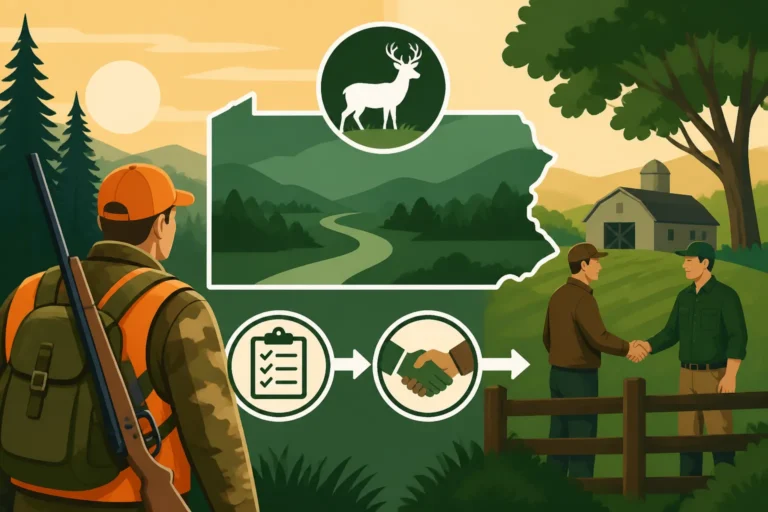
While not public land, exploring private land options can sometimes reveal pockets of incredibly low pressure, especially if these tracts are surrounded by larger parcels of Game Lands or State Forest. This usually involves Knocking on Doors in Pennsylvania Farm Country to gain permission, but the reward can be immense.
Farmers and landowners often have nuisance deer issues and might welcome responsible hunters. These smaller, unpressured private parcels can act as sanctuaries for deer living adjacent to heavily hunted public ground. If you secure permission, you'll likely find deer that are less wary and more patterned than their public land counterparts. Remember to always respect landowner wishes and adhere to Do You Need Written Permission in Pennsylvania? rules. While this isn't about Game Lands specifically, it's a vital part of finding less-pressured hunting experiences in PA.
Finding less-pressured hunting spots in Pennsylvania is a blend of research, effort, and a willingness to think differently. It means getting away from the crowds, embracing challenging terrain, and putting in the time to understand where other hunters aren't going. The reward? A more authentic, rewarding, and often more successful hunting experience.
| Strategy Component | Key Action | Tools & Considerations | Expected Outcome |
|---|---|---|---|
| Mapping & Scouting | Identify remote, difficult-to-access areas | onX Hunt, GoHunt, PGC Mapping Center, aerial photos | Pinpoint areas with low human sign, high security cover |
| Terrain Analysis | Focus on steep slopes, ravines, dense thickets | Topographic maps, contour lines, cover type overlays | Discover natural barriers that deter most hunters |
| Access Point Choice | Avoid main parking lots; seek obscure entry | Satellite view, forest road maps, note road frontage | Start further from pressure, exploit less-used trails |
| Off-Season Work | Walk areas, look for human sign (or lack thereof) | Boots on the ground, trail cameras (check Trail Camera Rules on Game Lands) | Confirm low pressure, find actual deer sign in quiet spots |
| Patience in the Field | All-day sits, quiet movement | Comfortable gear, scent control, still-hunting techniques | Intercept deer during unpressured movement patterns |
Disclaimer
This article is for general informational purposes only and does not constitute professional advice. Laws, prices and regulations vary by location and change over time. Consult a qualified professional for guidance on your specific situation.