Vehicle Rules on Pennsylvania Game Lands
It can be incredibly frustrating to head out for a day on your favorite State Game Lands, only to find a gate locked on a road you used just last year, or to see conflicting information about what vehicles are even allowed. Navigating the rules for vehicle access on Pennsylvania State Game Lands can feel like trying to solve a puzzle with half the pieces missing, leaving you wondering if you're even allowed to drive a truck down that access road or if your ATV is strictly forbidden. This guide will cut through the confusion, clearly outlining the Pennsylvania Game Commission's regulations for vehicles on State Game Lands, helping you understand where you can drive, park, and how to access those prime hunting spots without breaking the rules.
Understanding the Basics of Vehicle Access on State Game Lands
Pennsylvania's State Game Lands (SGLs) are a fantastic resource for hunters, anglers, and outdoor enthusiasts, covering vast tracts of diverse habitat. However, with great access comes great responsibility, and that includes understanding the rules of the road – or lack thereof – when it comes to vehicles. The Game Commission has specific guidelines designed to protect these lands, ensure public safety, and maintain a quality outdoor experience for everyone. These aren't arbitrary rules; they're put in place for very good reasons, even if they occasionally cause a groan or two when you're faced with a longer walk than anticipated.
Designated Roads and Parking Areas
One of the most fundamental rules on State Game Lands is that vehicle travel is generally restricted to designated roads and parking areas. This means you can't just drive off into the woods wherever you see a faint trail or an inviting opening. Designated roads are typically well-maintained, gravel or dirt paths, and they'll usually be clearly marked on official Game Commission maps or with signage on the ground. Parking areas are also specific, often gravel lots or widened shoulders designed to accommodate vehicles without impeding traffic or damaging habitat.
It's a common scenario: you pull up to an SGL you've hunted for years, mentally picturing your usual parking spot, only to find a new "No Parking" sign or a freshly chained gate. This can be genuinely disheartening, especially if it adds a mile or two to your walk in the dark pre-dawn hours. But these changes are often made for a reason—perhaps to reduce pressure on a specific area, protect a sensitive habitat, or improve safety. Always pay attention to official signage. While some roads might look like public access, if they're not explicitly designated for public vehicle use by the Game Commission, assume they're off-limits. Using mapping apps like onX Hunt can be incredibly helpful here, as they often layer PGC data, showing established roads and parking areas. Remember, your vehicle should always be entirely off the main travel lane when parked, even on open access roads, to prevent blockages. For more details on the overarching framework, check out Pennsylvania State Game Lands Rules.
Restrictions on ATV and Off-Road Vehicle Use
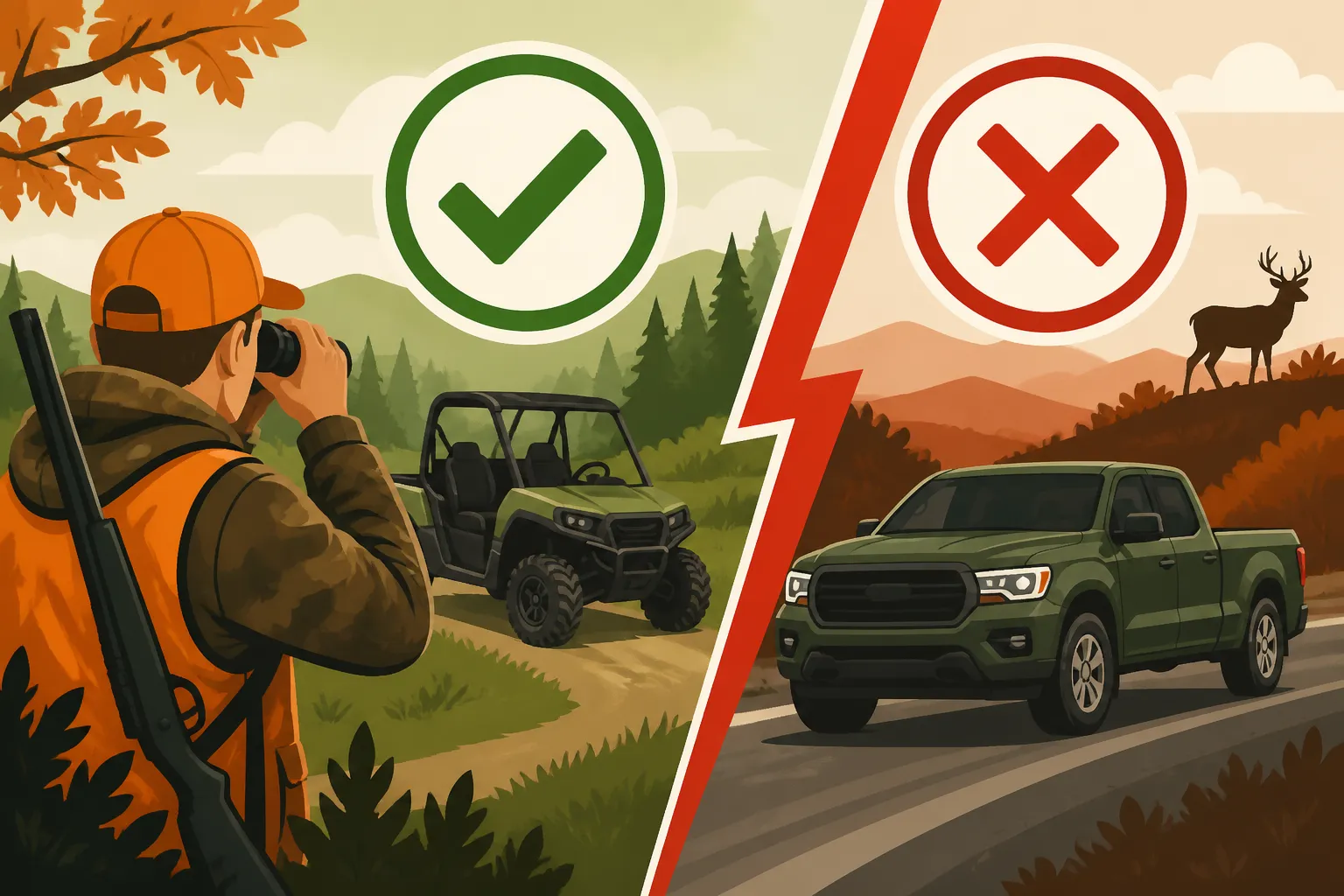
This is where a lot of hunters get tripped up, and it's a rule that causes frequent frustration for those who rely on ATVs or UTVs for quick, easy access. For the vast majority of hunters and the general public, the use of ATVs, UTVs, or any other motorized off-road vehicles (ORVs) on State Game Lands is strictly prohibited. The only exception is for official Game Commission business or for individuals who have obtained a specific permit for disabled hunter access, which we'll discuss shortly.
I've heard countless stories from hunters who swear they've seen "everyone else" riding their quads in, or who argue that it's the only way to get to their stand. The truth is, while the temptation might be strong, operating an ATV or UTV illegally on SGLs can lead to significant fines, confiscation of your vehicle, and even loss of hunting privileges. These restrictions are in place to prevent habitat destruction, minimize disturbance to wildlife, and reduce conflicts with other users who are often on foot. The noise and impact of off-road vehicles can damage sensitive ecosystems, erode trails, and push wildlife further into remote areas. So, while it might feel like a hassle, leaving the quad at home is a must unless you have a valid, specific permit. If you're looking for more information on the general topic, there's a dedicated post on ATV Rules on Pennsylvania Public Land.
Navigating Seasonal Closures and Gates
One of the most dynamic aspects of vehicle access on State Game Lands are the seasonal road closures. Just because a road was open last week, or even last year, doesn't mean it's open today. These closures are a regular part of Game Commission management and are implemented for a variety of ecological and practical reasons. It's not always convenient, but understanding why they happen can help temper the frustration and even help you plan more strategically.
Why Roads Close: Habitat and Safety
Road closures on State Game Lands aren't just about limiting access; they're crucial tools for wildlife management and habitat protection. Often, roads are closed during sensitive periods for wildlife, such as breeding seasons, fawning, or when animals are particularly vulnerable to disturbance. By restricting vehicle traffic, the Game Commission creates quiet refuge areas, allowing wildlife to use critical habitats without constant human pressure. This is especially important in areas designated as nesting sites, wintering grounds, or breeding sanctuaries.
Beyond wildlife, closures also protect the infrastructure of the Game Lands themselves. Unimproved roads can become heavily rutted and damaged by vehicle traffic during wet conditions, leading to erosion and costly repairs. Closing these roads during mud season or periods of heavy rainfall helps preserve them for future use. Lastly, some roads are closed simply for public safety, especially during logging operations or other management activities where heavy machinery might be present. It might feel like a personal inconvenience when you have to walk an extra mile, but those closures contribute to healthier wildlife populations and a more sustainable hunting environment for everyone. This strategy is also employed to reduce Hunting Pressure on Pennsylvania Game Lands by making some areas less accessible.
Identifying Open vs. Closed Access Points
So, how do you know if that crucial access road is open or closed before you make the drive? The most reliable way is to check the Pennsylvania Game Commission's official resources. Their website often provides updates and maps detailing road closures. Many SGLs also have informational kiosks or bulletin boards at primary access points where seasonal closures are posted. But let's be realistic, not everyone has cell service at the edge of the Game Lands, and driving an hour only to find a chained gate is a genuine bummer.
This is where modern mapping technology truly shines. Applications like onX Hunt are invaluable because they often integrate Game Commission road data, showing which roads are officially designated and sometimes even indicating seasonal closures if the PGC data is integrated and updated. Before a trip, especially to an unfamiliar area or during transitional seasons, take the time to consult an updated map. You can also utilize the Using the Pennsylvania Mapping Center online, which provides a comprehensive view of SGLs, including road networks. Looking for physical gates, chains, or "Road Closed" signs is, of course, the definitive on-the-ground indicator. If a gate is closed, do not attempt to open it or drive around it, even if it looks like you could. Respect the signage and plan your access accordingly. This kind of advance scouting is critical, as detailed in Scouting Pennsylvania Public Land Before Season.
Special Considerations and Permits
While the general rules for vehicle access on State Game Lands are quite straightforward – stick to designated roads and leave the ATVs at home – there are a few important exceptions and considerations that hunters should be aware of. These are designed to accommodate specific needs or to address practical issues that arise during a hunt.
Disabled Hunter Access Program
Pennsylvania recognizes that not all hunters have the same physical capabilities, and the Game Commission has a program in place to provide reasonable access for hunters with disabilities. This is typically managed through special permits that allow eligible individuals to use an ATV, UTV, or other approved vehicle on designated routes or roads that are otherwise closed to the general public. These permits are not granted lightly; they require proof of disability and are subject to strict rules regarding where and when vehicles can be operated.
If you or someone you hunt with qualifies for this program, it's essential to apply for and understand the specific conditions of the permit. The routes and areas designated for disabled access are usually mapped out, and straying from these routes can lead to the same penalties as unauthorized ATV use. The intent is to provide access, not unrestricted travel. It's a fantastic program that ensures everyone has a chance to enjoy the outdoors, but it relies on respectful adherence to the rules by those who benefit from it. These permits are often a lifeline for hunters who would otherwise be unable to access their favorite spots.
Retrieving Game with a Vehicle
This is another area ripe for confusion and misunderstanding. You've worked hard, made a clean shot, and now you have a magnificent buck or a heavy bear on the ground, a mile back in the woods. Your first thought might be, "Can I just drive my truck in to get it?" The answer, in almost all cases, is a resounding no. The general rule is that you cannot operate a vehicle off a designated open road or parking area for the purpose of retrieving game. This means no driving across fields, down old logging trails, or into clearcuts, even if it feels like the most logical thing to do.
The Game Commission's regulations are clear on this point to prevent habitat damage and to maintain fair chase principles. Imagining everyone driving their trucks and ATVs deep into the woods to retrieve game quickly illustrates why this rule is necessary. It would lead to widespread destruction of vegetation, create countless unauthorized trails, and dramatically increase disturbance to remaining wildlife. Instead, hunters are expected to use alternative methods. This is where tools like deer carts, sleds, or even simply field dressing and dragging come into play. Many hunters invest in sturdy deer carts for this very reason, making the retrieve much more manageable. You can find useful tips in Dragging a Deer Off a Pennsylvania Mountain or learn about using specific tools in Using a Deer Cart on Game Lands. In truly exceptional circumstances, such as retrieving a very large animal from extremely difficult terrain, you might be able to contact the Game Commission for guidance, but this is rare and not a guarantee of vehicle access.
Planning Your Hunt Around Vehicle Restrictions
Understanding the rules is one thing, but integrating them into your hunt plan is where the real strategy comes into play. Vehicle restrictions, particularly the prevalence of closed gates and limited off-road access, heavily influence how you scout, how you get to your stand, and how you manage your harvest. Embracing these realities can actually lead to more successful and rewarding hunts.
The Importance of Scouting and Map Use
Effective scouting is paramount when hunting State Game Lands, and it becomes even more critical when vehicle access is restricted. Before the season, or even before a specific hunt, you need to know exactly where the open roads are, where the designated parking areas exist, and which gates are likely to be closed. Relying solely on your memory from previous years can lead to wasted time and frustration. The Game Commission's online resources, particularly the Pennsylvania Mapping Center, are invaluable tools for this. You can view detailed maps of SGLs, showing roads, parking, and often even habitat features.
Modern mapping apps like onX Hunt take this a step further. They overlay property boundaries, topographic lines, and often detailed road networks right on your phone or tablet. This allows you to visualize your walk-in routes, identify potential pinch points that might be difficult to access on foot, and plan your entry and exit strategies down to the exact parking spot. By digitally "walking" the ground before you physically step foot on it, you can identify areas that are a good distance from common parking, which often means less pressure. This strategic use of maps allows you to confidently bypass closed gates and target areas that other hunters might deem "too far" to walk.
Alternative Strategies for Deep Access
Since driving deep into the Game Lands is generally not an option, you'll need to adopt alternative strategies to reach those less-pressured areas where big game often seeks refuge. The most common, and often most effective, strategy is simply to walk further than most other hunters. It’s a simple truth that the further you get from a vehicle access point, the less hunting pressure you typically encounter. This often means embracing a "walk-in" mentality, planning for longer hikes, and being physically prepared for the trek.
Consider incorporating a mountain bike into your plan if the designated roads are long and suitable. While prohibited off-road, some SGLs allow bikes on their main administrative roads, which can drastically cut down travel time to your hunting area, allowing you to reach spots that would be a grueling hike. Always check local SGL rules, as this can vary. For those who truly want to get away from the crowds, learning how to still-hunt effectively, moving slowly and deliberately through the woods, can be a game-changer. This approach allows you to cover ground while actively hunting, making your long walk part of the hunt itself. Remember, getting away from the beaten path often means Finding Ground Others Walk Past – the rewards are well worth the effort.
| Vehicle Type | General SGL Access Rule | Common Exceptions | Required Action |
|---|---|---|---|
| Passenger Cars/Trucks | Permitted only on designated, open roads and parking areas. | N/A | Consult PGC maps/signage; park completely off road. |
| ATVs/UTVs | Strictly prohibited for public hunting/recreation. | Disabled hunter permit for designated routes only. | Do not operate unless you have a specific PGC permit. |
| Bicycles | Generally permitted on designated roads. | Prohibited on trails/off-road (unless specified). | Check specific SGL rules; yield to foot traffic. |
| Motorcycles | Prohibited for public hunting/recreation. | N/A | Do not operate on SGLs. |
| Retrieving Game | No off-road vehicle use for retrieval. | N/A (Contact PGC for extreme cases, rare exception) | Use deer carts/drags; field dress game for transport. |
Disclaimer
This article is for general informational purposes only and does not constitute professional advice. Laws, prices and regulations vary by location and change over time. Consult a qualified professional for guidance on your specific situation.