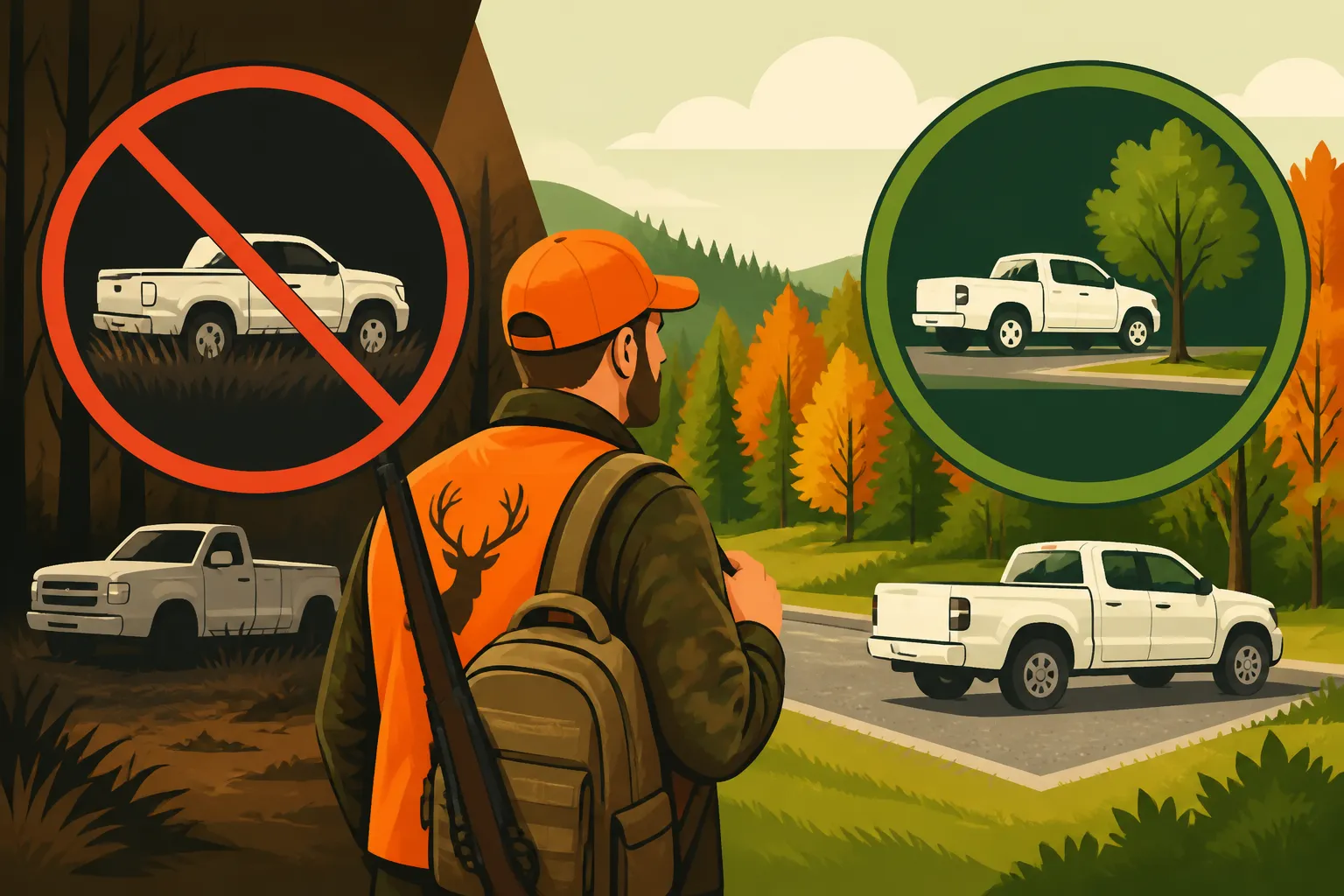
Parking Rules on State Game Lands
It's happened to all of us: you've spent weeks scouting, found the perfect pinch point or oak flat on State Game Lands (SGLs), you drive in eager for opening day, and then… where do you actually put your truck? The frustration of potentially losing a hard-earned hunting spot, or worse, getting a ticket or towed, because of unclear parking rules can be a real headache. This comprehensive guide is here to untangle the often-confusing regulations surrounding parking on Pennsylvania State Game Lands, helping you hunt smarter and stress-free.
Understanding the Basics of State Game Lands Access
Navigating the vast network of Pennsylvania's State Game Lands can feel like a maze, especially when it comes to where you can legally leave your vehicle. These lands are managed for wildlife and public recreation, but that public access comes with rules designed to protect the resources and ensure safety. The first step to stress-free parking is understanding the fundamental ways the Pennsylvania Game Commission (PGC) designates vehicle access.
Designated Parking Areas and Access Gates
The most straightforward and always-safe option for parking on SGLs is to use a designated parking area. These aren't always fancy asphalt lots; sometimes they're simply graveled pull-offs, widened sections of a dirt road, or clearings specifically marked for vehicle parking. The key is that they are designated. You'll often see signs indicating "Parking Area" or a specific numeric designation for the lot. These areas are strategically placed to provide access to prime hunting and fishing spots while minimizing disturbance to wildlife and maintaining the integrity of the land.
The PGC works tirelessly to manage these properties, and part of that management includes controlling vehicle traffic. Many SGL roads are gated, often with a yellow cable or metal gate, clearly indicating that vehicular travel beyond that point is restricted to authorized PGC vehicles only. While it might be tempting to pull off to the side of a gated road, thinking you're out of the way, this can lead to serious problems. Parking that obstructs a gate, even partially, is a major no-go. Not only could you receive a citation, but your vehicle could be towed, especially if it impedes access for emergency services or PGC staff performing critical management tasks. Always look for clear signage or obvious, prepared parking pads. If it looks like a temporary pull-off from years of use, but isn't signed, it's probably not a legal spot. You can often scout these ahead of time using resources like the Using the Pennsylvania Mapping Center to identify official access points.
Reading the Signs – What to Look For
When you're out exploring SGLs, signs are your best friends (and sometimes your sternest advisors) regarding parking. It's crucial to understand what these signs mean, as they are the primary way the PGC communicates rules on the ground. You'll encounter a variety of signs, and not all of them are about parking directly, but they all provide context for where you should, and shouldn't, be.
The most obvious signs are those explicitly stating "No Parking" or "Parking Area." A "No Parking" sign often means just that – do not park here, regardless of how convenient it might seem or how much space there appears to be on the shoulder. These are frequently posted near active timber operations, along narrow internal roads, or in areas where vehicle presence would interfere with wildlife or habitat management. Conversely, a sign designating a "Parking Area" is your green light, indicating a safe and legal place to leave your vehicle. Take note of any specific instructions on these signs, such as hours of operation or special permit requirements if they exist.
Beyond direct parking signs, you'll also see "Authorized Vehicles Only" signs at gated roads or restricted access points. These are a strong indicator that you should not park beyond or even near the gate. Some signs might also denote seasonal closures for certain roads, especially during winter months when roads become impassable or are designated for snowmobile use. While the absence of a "No Parking" sign might seem like an open invitation, it's not. Always err on the side of caution. If there's no clear "Parking Area" sign and you're not in an obvious, established pull-off that doesn't block anything, it's best to keep looking. The rules on Vehicle Rules on Pennsylvania Game Lands apply broadly to all vehicle operation and parking, so understanding those helps too.
Navigating Common Parking Dilemmas on SGLs
Even with designated parking areas, hunters often find themselves in situations where the "rules" feel a bit gray. Parking on State Game Lands isn't always as simple as pulling into a clearly marked lot. Let's delve into some common scenarios that can cause confusion and how to approach them legally and ethically.
Roadside Parking and Berms
This is perhaps the most frequent point of contention and confusion for hunters. You're driving down a paved or gravel road that borders or cuts through SGL, you see a promising trail or a likely funnel, and there's a wide berm or shoulder. Can you just pull off there? The answer is often "no," or at least, "it's risky." The general rule on public roads, even those maintained by the PGC, is that you cannot obstruct the normal flow of traffic or create a hazard. This includes parking in a way that forces other vehicles to swerve or pass unsafely.
More specifically for SGLs, parking off the main traveled portion of internal roads is often regulated. Even if it's a wide gravel shoulder, if it's not explicitly a designated parking area, you could be cited. The PGC maintains these roads and their shoulders for specific purposes, and parking indiscriminately can cause erosion, block access for maintenance equipment, or damage sensitive habitat. It's especially critical not to block any gated access road, even if you think you're "just for a minute." That minute could prevent a PGC vehicle from responding to an emergency or conducting essential habitat work. When considering roadside parking, think about visibility, safety, and whether you are truly off the roadway and not just on a wide shoulder. A good rule of thumb is: if it doesn't look like an intended parking spot, it probably isn't one.
Seasonal and Temporary Restrictions
The rules of the road, and by extension, the parking rules, are not always static on State Game Lands. Just like our seasons change, so too can access regulations, often without much advanced notice beyond on-site signage. This can be particularly frustrating when you've scouted a spot in the summer, only to find access altered when hunting season arrives.
Temporary road closures are common for various reasons. The PGC conducts extensive timber stand improvements and habitat management work throughout the year. During these operations, roads and even entire sections of SGLs might be closed to public access to ensure worker safety and prevent damage to equipment or newly planted areas. You'll usually see signs indicating "Road Closed" or "No Entry" at these locations. It's imperative to heed these signs, as parking near or driving around them could lead to fines and interfere with critical conservation work. State Forest Road Closures in Season gives some good context, as similar principles apply to SGLs even if the managing agency is different.
Winter brings its own set of considerations. Many interior SGL roads are closed to vehicular traffic once snow falls, often transitioning into designated snowmobile trails or simply becoming impassable. Parking at the entrance to these closed roads is generally permitted, as long as you're not blocking the gate or the main road. However, be mindful that these areas can still see heavy snowmobile traffic, and your vehicle should be completely off any trail. Always check local PGC websites or call the regional office if you have concerns about specific access points, especially if planning a hunt during the late seasons or winter months.
Parking on Adjacent Private Land
It might seem obvious, but it bears repeating: parking on private land adjacent to State Game Lands without explicit permission is a strict no-no. We've all been there – the SGL parking lot is full, or the trail you want to walk starts right near someone's property line. The temptation to just "pull off for a few hours" on a farmer's field edge or along a private driveway can be strong, but it's a guaranteed way to cause trouble for yourself and give hunters a bad name.
Pennsylvania's trespass laws are clear, and parking on someone else's property, even if it seems innocuous, is a form of trespass. This can lead to confrontations with landowners, legal citations, and in the worst cases, your vehicle being towed from private property. Remember, a landowner has every right to protect their property, and an unknown vehicle can be a major source of concern. Before considering any parking arrangement on private land, you absolutely must obtain permission from the landowner. A simple conversation, explaining your intentions and asking for permission to park in a specific spot, can go a long way. This is covered in detail in Getting Private Land Permission in Pennsylvania and Do You Need Written Permission in Pennsylvania?, and the principles apply equally to parking as they do to hunting itself. Respect for private property is paramount to maintaining good hunter-landowner relations across the state.
Technology and Best Practices for Parking Legally
In today's world, hunters have access to incredible tools that can simplify planning and help avoid common pitfalls like illegal parking. Combining these technological aids with sound judgment and responsible practices will ensure your hunting trips to Pennsylvania's State Game Lands are as smooth as possible.
Utilizing Digital Mapping Tools
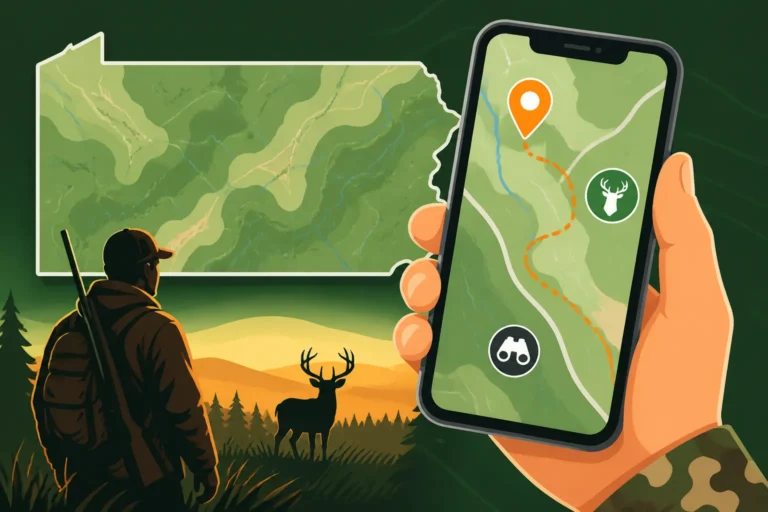
Gone are the days when a paper map and a compass were your only scouting companions. While those tools still have their place, modern digital mapping applications have revolutionized how we interact with public land. These apps are invaluable for identifying legal parking spots and understanding access.
Platforms like onX Hunt and even GoHunt (though often geared more toward Western hunting, it has mapping capabilities) offer detailed satellite imagery layered with property boundaries. This means you can often see designated PGC parking areas, gated roads, and even unofficial pull-offs from the comfort of your home. Before you even set foot in the woods, you can identify legal parking lots, plan your entry and exit routes, and visualize where roads transition from public access to restricted zones. You can mark potential parking locations, note gate locations, and even see topo lines to understand the terrain you'll be covering once you leave your vehicle. The "private land" layers can be especially useful, clearly showing where SGL ends and private property begins, helping you avoid accidental trespass when looking for a parking spot. Check out onX Layers for Pennsylvania Land Status for more details on how to leverage these tools effectively.
Planning Your Access and Egress
The best way to avoid parking problems is to plan ahead. Don't wait until you're already at the Game Lands, coffee in hand, to figure out where you're going to park. Proactive planning can save you a lot of headache and potentially a fine.
Start by scouting your chosen hunting area using digital maps well before the season. Identify at least two or three potential parking spots for each area you intend to hunt. This gives you backup options if your primary spot is full, closed, or otherwise unsuitable on the day you arrive. Pay attention to the terrain and access roads during your planning. Is the road paved or gravel? Is it likely to become muddy or impassable in wet weather? Are there any obvious signs of recent timbering or other PGC activity that might indicate temporary closures? Consider the time of day you'll be arriving; early morning on opening day might mean crowded parking, so have an alternative in mind.
Think about how far you're willing to walk from your vehicle. Sometimes, parking legally might mean a longer hike to your desired hunting location. This is often the trade-off for finding less pressured ground, as discussed in Finding Ground Others Walk Past or How Far to Walk From the Parking Lot. Coordinating with hunting partners for carpooling can also alleviate parking pressures, reducing the number of vehicles at crowded trailheads and minimizing your overall impact.
What to Do if You Get a Ticket or Have Your Vehicle Towed
Despite your best efforts and careful planning, sometimes things go wrong. You might return to your vehicle after a long hunt to find a citation, or even worse, discover your vehicle is gone. While frustrating, it's important to remain calm and follow the proper steps.
If you find a citation on your vehicle, read it carefully. It will typically state the specific violation, the issuing authority (likely the Pennsylvania Game Commission or State Police), and instructions on how to respond. Often, these tickets require a response within a set timeframe, either by mail or online. Take photos of your vehicle's position, the surrounding area, and any relevant signage. This documentation can be helpful if you decide to contest the ticket. Contacting the regional PGC office for the area where you received the ticket might also provide clarity on the specific regulation you violated and how to proceed.
If your vehicle has been towed, this is usually a more urgent situation. There will likely be a sticker or note on your window indicating the towing company and where your vehicle was taken. If not, contact the local police department or the regional PGC office immediately. They should be able to tell you which company towed the vehicle and where it's impounded. Be prepared for towing and storage fees, which can accumulate quickly. Again, document everything with photos, and ask for specifics about why your vehicle was towed. While it's a frustrating and costly experience, it's crucial to act quickly and follow the instructions provided to retrieve your vehicle as soon as possible. Understanding the rules outlined in this guide and checking resources like the PGC website can help prevent these situations in the first place.
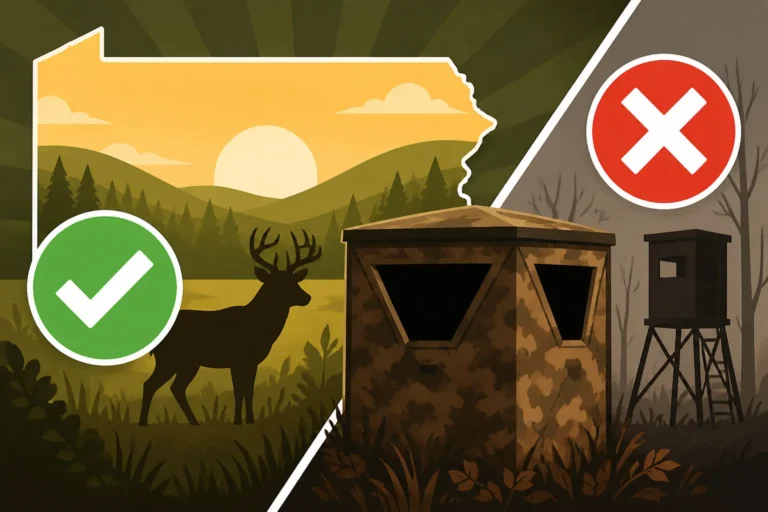
| Parking Do's | Parking Don'ts |
|---|---|
| DO use clearly marked "Parking Area" lots. | DON'T block gates, even if you think it's temporary. |
| DO ensure your vehicle is completely off the main traveled portion of any road. | DON'T park on private land without explicit, prior permission. |
| DO check for seasonal or temporary closure signs. | DON'T ignore "No Parking" or "Authorized Vehicles Only" signs. |
| DO utilize digital mapping apps (like onX Hunt) to scout parking ahead of time. | DON'T damage berms or sensitive habitat by parking indiscriminately off-road. |
| DO have a backup parking plan for crowded days. | DON'T create a traffic hazard by parking in an unsafe or invisible location. |
| DO contact the PGC if you're unsure about specific access points. | DON'T assume that the absence of a "No Parking" sign means parking is permitted. |
Disclaimer
This article is for general informational purposes only and does not constitute professional advice. Laws, prices and regulations vary by location and change over time. Consult a qualified professional for guidance on your specific situation.