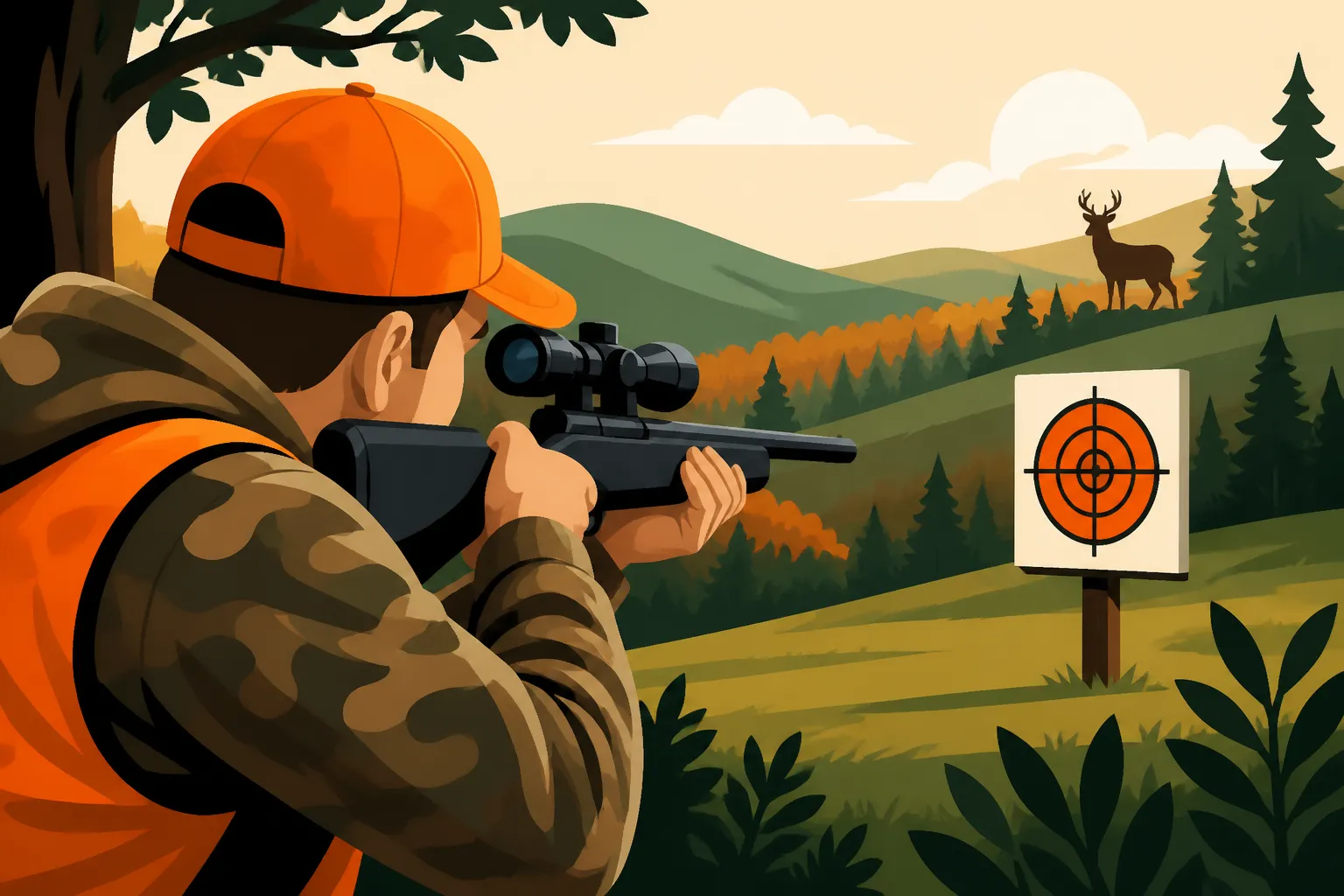
Target Shooting on Pennsylvania Game Lands
One of the most common frustrations for firearms owners in Pennsylvania is finding a reliable, legal, and safe place to practice their shooting skills without paying for an expensive club membership or driving for hours. While many hunters immediately think of State Game Lands as vast public areas, the rules for target shooting there aren't always clear-cut, leading to confusion and, sometimes, unintentional violations. This guide will walk you through the specifics of target shooting on Pennsylvania Game Lands, helping you understand the regulations, find suitable locations, and ensure you're practicing safely and responsibly.
The Reality of Target Shooting on Pennsylvania Game Lands
For many Pennsylvanians, particularly those of us who grew up with hunting and shooting, the idea of heading out to a remote corner of State Game Lands to sight in a rifle or practice with a handgun feels like a natural extension of our hunting heritage. It's public land, after all, and we're often out there for hunting-related activities. However, the Pennsylvania Game Commission (PGC) has very specific regulations regarding where and how you can engage in target shooting. It's not a free-for-all, and simply pulling over on a remote road to set up targets can lead to fines, confiscation, and even loss of hunting privileges.
The primary goal of State Game Lands is to provide habitat for wildlife and opportunities for hunting and trapping. While shooting sports are closely related to hunting, unregulated target practice can pose significant safety risks, create litter, and disturb wildlife. That's why the PGC has established designated shooting ranges on many Game Lands. These ranges are specifically designed with safety in mind, featuring backstops, firing lines, and clear rules to protect users and the environment. Trying to create your own "range" outside of these designated areas is generally prohibited and can put both you and others at risk. It’s crucial to understand that while Game Lands are public, they are not a free-for-all shooting gallery. They are managed lands, and that management includes regulating activities like target shooting.
Understanding the Rules: What's Permitted and What's Not
Navigating the regulations for target shooting on Pennsylvania Game Lands can feel like deciphering a dense legal document, but it's essential for staying on the right side of the law. The Pennsylvania Game Commission's rules are designed to ensure safety, minimize disturbance, and preserve the integrity of these valuable public resources. The most critical takeaway is this: outside of a specifically designated PGC public shooting range, general target shooting on Game Lands is prohibited. You can't just pick a spot in the woods and start shooting, even if you think it's safe.
The PGC operates various public shooting ranges across the state, primarily for rifle, shotgun, and handgun practice. These ranges are often open during specific hours and have range officers or posted rules regarding their use. Access to these ranges typically requires a current hunting license, furtaker license, or a PGC shooting range permit. This fee helps cover the maintenance and oversight of these facilities. You'll find regulations clearly posted at these locations, outlining everything from firearm types allowed to target restrictions and safety protocols. Failing to adhere to these rules at a designated range can also lead to penalties.
Here's a breakdown of common regulations you'll encounter regarding target shooting on Game Lands:
| Category | Permitted Activities on Designated PGC Ranges | Generally Prohibited Activities Elsewhere on Game Lands |
|---|---|---|
| Firearms | Rifles, shotguns, handguns (specific caliber/type limits may apply at some ranges) | Any firearm outside of a designated range |
| Targets | Paper targets, clay pigeons (at designated trap/skeet ranges) | Any target that creates litter (e.g., glass, plastic, electronics, spray cans) |
| Ammunition | Standard ammunition types (steel core or tracer rounds often prohibited) | Any ammunition outside a designated range |
| Hours | Specific posted hours, often dawn to dusk | Any time outside of a designated range |
| Fees/Permits | Valid hunting/furtaker license OR PGC shooting range permit | Not applicable; prohibited activity |
| Safety | Mandatory eye/ear protection, controlled firing lines, no alcohol | Uncontrolled shooting, no safety measures, alcohol use |
| Cleanup | Required to remove all targets, casings, and litter | Leaving any litter |
It's also important to be aware of safety zones. Even when hunting, there are specific distances you must maintain from occupied buildings, schools, and playgrounds. While target shooting outside of a designated range is generally off-limits, the concept of safety zones reinforces why indiscriminate shooting is dangerous. Remember, rules for using State Game Lands extend beyond just shooting; there are also rules about Vehicle Rules on Pennsylvania Game Lands, Camping Rules on Pennsylvania Public Land, and even Treestand Rules on Pennsylvania Game Lands, all of which contribute to the overall management of these important resources.
Finding a Suitable Spot and Practicing Safely
Given the strict regulations against indiscriminate shooting, your best bet for target practice on Pennsylvania Game Lands is to utilize the designated public shooting ranges. The Pennsylvania Game Commission has done a great job providing these facilities for licensed hunters and shooters. Finding them, however, might take a little research.
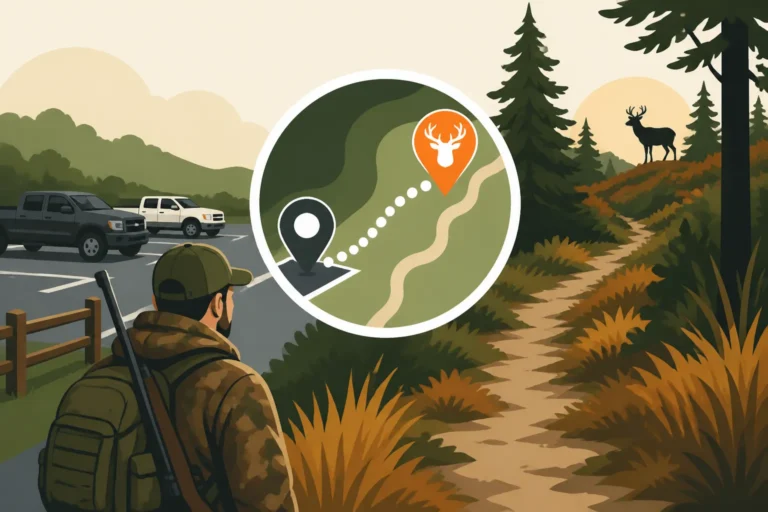
One of the most effective ways to locate these ranges is by visiting the PGC's official website, which usually has a section dedicated to public shooting ranges, often with maps and addresses. You can also use mapping tools like onX Hunt or even standard GPS applications to look up "PA Game Commission Shooting Ranges" in your area of interest. Once you've identified a range, it's a good idea to check for any specific operating hours, temporary closures, or unique rules for that location before you make the trip. Some ranges are entirely unsupervised, relying on users to follow posted guidelines, while others may have range officers present during peak times.
When you arrive at a designated PGC range, practicing safely is paramount. Always assume a firearm is loaded until you've personally verified it's clear. Point the muzzle in a safe direction at all times, keep your finger off the trigger until ready to shoot, and be absolutely certain of your target and what's beyond it. Eye and ear protection are not just recommendations; they are essential safety gear for any shooting activity. You'll often find these requirements clearly stated at the range. Make sure you bring appropriate targets – typically paper targets or cardboard backers – and be prepared to take everything you bring with you when you leave. Leaving spent casings, target fragments, or any other trash is not only disrespectful but can also lead to fines.
Responsible Use and Leaving No Trace
Responsible use of Pennsylvania Game Lands, whether for hunting, hiking, or target shooting at designated ranges, is a core ethic for any outdoors person. When it comes to target shooting, "leaving no trace" means more than just packing out your trash; it encompasses respecting the land, wildlife, and other users.
After your shooting session, take the time to meticulously police your area. This means picking up every spent casing, every piece of paper target, and any other debris you brought with you. Imagine if every shooter left behind just a few casings or target pieces; these ranges would quickly become unusable, unsightly, and potentially hazardous to wildlife. The concept extends to the actual targets you use. Avoid bringing items that will shatter, degrade slowly, or pose an environmental risk, such as glass bottles, old electronics, or aerosol cans. Stick to paper, cardboard, or purpose-built reactive targets that don't fragment into harmful pieces.
Beyond the physical cleanup, responsible use also means being a good neighbor to other hunters and outdoor enthusiasts. Be mindful of noise, especially if others are scouting or hiking nearby, although at designated ranges, the expectation of shooting noise is generally understood. If the range is busy, practice patience and good communication with other shooters, ensuring everyone understands the firing line rules and when it's safe to go downrange to change targets. Being knowledgeable about general Pennsylvania State Game Lands Rules and adhering to them fosters a positive environment for all who enjoy these wild spaces. When you use resources like the Pennsylvania Mapping Center or onX Hunt to navigate Game Lands, remember that you are accessing a shared resource, and your actions directly impact its future availability and enjoyment for everyone.
Disclaimer
This article is for general informational purposes only and does not constitute professional advice. Laws, prices and regulations vary by location and change over time. Consult a qualified professional for guidance on your specific situation.