State Forest Road Closures in Season
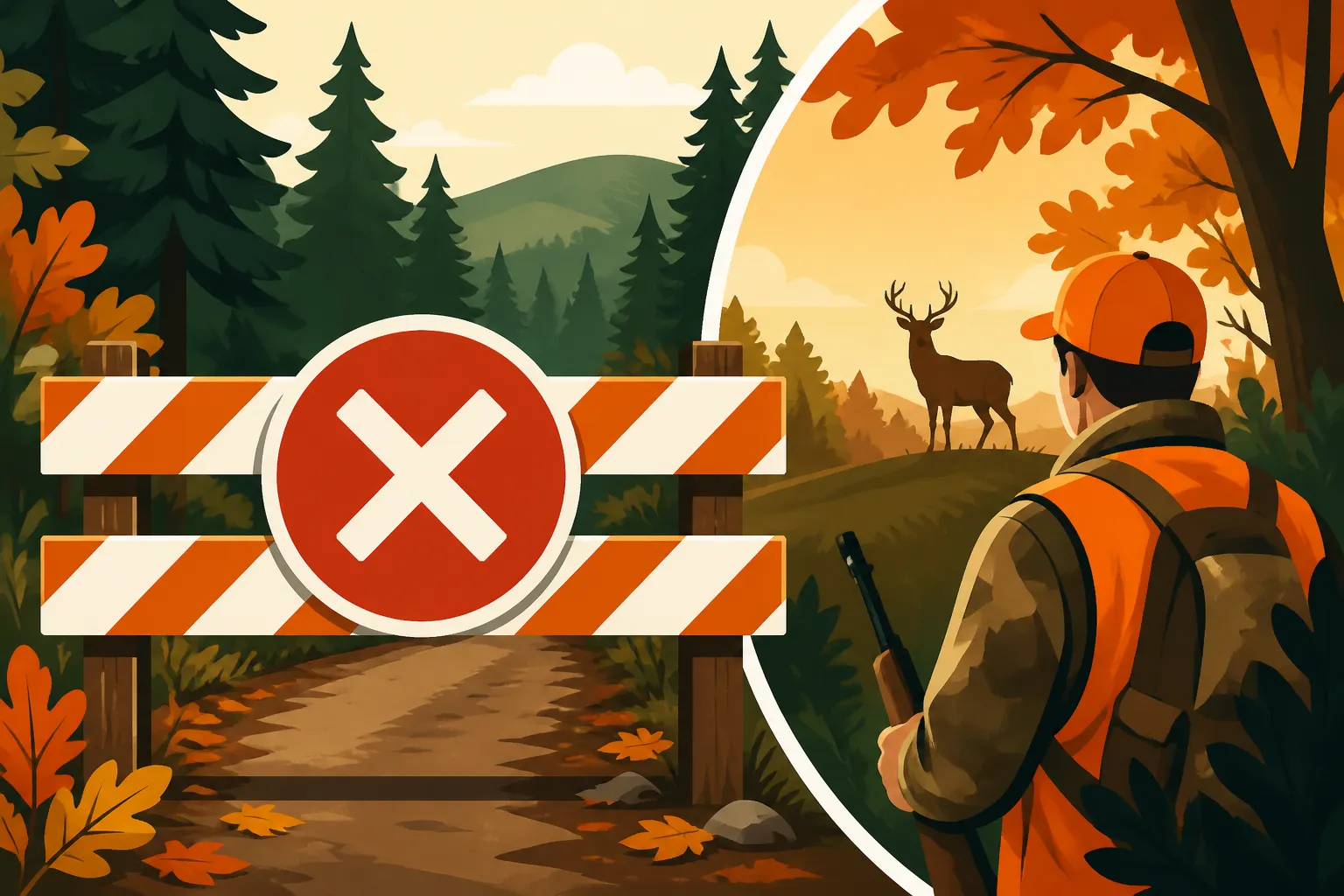
You've packed your gear, set your alarm for way too early, and driven for an hour or more, brimming with anticipation for a day of hunting deep in a Pennsylvania State Forest. You turn the final bend, expecting to pull into that familiar parking area, only to find a sturdy gate across the road, adorned with a "Road Closed" sign. Your heart sinks. It's a frustrating, all-too-common scenario that can derail even the best-laid hunting plans. This comprehensive guide is here to unravel the mystery of state forest road closures, help you understand why they happen, and equip you with the knowledge to navigate them successfully, turning potential disappointment into a strategic advantage.
Understanding Why State Forest Roads Close for Hunting Season
Pennsylvania's State Forests are vast and managed for multiple uses, including timber production, recreation, and wildlife habitat. Road closures aren't arbitrary; they're part of a larger management strategy designed to balance these sometimes competing interests. Understanding the "why" behind these gates can help you anticipate closures and appreciate their purpose.
Habitat Management and Wildlife Protection
Many road closures are directly tied to the health and well-being of the wildlife you're pursuing. Forest managers often gate roads to protect sensitive ecological areas or reduce human disturbance during critical periods for game species. This might include areas with important winter browse, crucial fawning or nesting zones, or simply vast tracts of timber where wildlife needs sanctuary from constant vehicle traffic. These closures contribute to a healthier, more robust ecosystem, which ultimately benefits hunters in the long run.
For instance, during harsh winter months, certain valleys or south-facing slopes become vital deer yards where whitetails seek refuge from deep snow and biting winds. Closing roads that lead into these areas can prevent undue stress on deer, conserve their energy, and minimize potential poaching opportunities, ensuring more animals survive to the next season. Similarly, areas undergoing extensive habitat improvements, such as young forest regeneration, might be closed to protect nascent growth and allow wildlife to utilize the new cover without constant vehicular disruption.
Safety and Environmental Stewardship
Another significant reason for road closures is public safety and environmental protection. State forest roads, particularly those unpaved, are constantly subjected to weather and heavy use. Periods of heavy rain or snowmelt can turn dirt and gravel roads into muddy quagmires, making them impassable or highly susceptible to severe erosion. Closing these roads prevents vehicles from getting stuck, reduces the need for costly repairs, and protects water quality by minimizing sediment runoff into streams and rivers.
Beyond natural conditions, active timber harvesting operations are a common cause of closures. When heavy machinery is at work, or trees are being felled, it creates a dangerous environment for recreational users. Logging roads might be temporarily closed to ensure the safety of both logging crews and hunters. Similarly, if road maintenance is underway, such as grading or culvert replacement, closures are necessary to protect workers and allow the work to be completed efficiently. These closures, while inconvenient, are paramount for ensuring a safe environment for everyone and preserving the long-term integrity of the forest road system.
Creating Remote Hunting Experiences
Sometimes, road closures are a deliberate management decision to enhance the hunting experience itself by creating more remote, foot-access-only areas. In many state forests, there's a strong desire among hunters for wilder, more challenging experiences away from the noise and convenience of vehicle access. By gating certain roads, the Department of Conservation and Natural Resources (DCNR) creates extensive walk-in zones that offer solitude and the opportunity to hunt less pressured animals.
These designated "non-motorized" areas often become havens for mature deer and other game, which quickly learn to gravitate towards places with minimal human-caused disturbance. For hunters willing to put in the extra miles on foot, these remote tracts can offer incredible rewards. It's a chance to truly immerse yourself in the wilderness and develop a deeper connection with the landscape, understanding that your effort directly correlates to a more unique and satisfying hunt. These areas are particularly appealing for those who practice Still-Hunting Pennsylvania Big Woods or prefer a more primitive approach to the chase.
How Road Closures Impact Your Pennsylvania Hunting Strategy
A closed gate isn't just an inconvenience; it fundamentally alters the calculus of your hunt. Ignoring or underestimating its impact can lead to wasted time, missed opportunities, and even unsafe situations. Integrating road closures into your planning is a mark of a seasoned hunter.
Adjusting Your Access and Travel Times
The most immediate and obvious impact of a closed road is on your ability to access your chosen hunting location. What might have been a quick 5-minute drive to a prime ridge or a creek bottom can instantly transform into a mile or more of walking, often uphill, in the dark, and carrying all your gear. This added travel time can eat into precious early morning or late evening hunting hours, when deer movement is often at its peak. It means setting your alarm even earlier and being prepared for a much more physically demanding day.
Consider a situation where your usual parking spot for accessing a deep hollow is now behind a locked gate two miles down the road. That's four extra miles round trip, all on foot, loaded with your pack, firearm, and perhaps a treestand. This requires a significant shift in your mental and physical preparation. You might need to change the specific spot you hunt, favoring one closer to the new, more distant access point, or commit to the longer walk, knowing it will be a full-day endeavor. This can be especially crucial when planning for Bowhunting Pennsylvania's October Archery Season when stealth and timing are everything.
Redefining Your Hunting Zones and Pressure
Road closures have a profound effect on how hunting pressure is distributed across a state forest. Areas that become walk-in only due to a closure often see a dramatic decrease in hunter numbers. Many hunters will opt for more easily accessible spots, leaving the deeper woods beyond the gates relatively undisturbed. This creates pockets of less pressured game, potentially offering opportunities for encountering older, wiser animals that avoid areas with frequent vehicle traffic.
Conversely, areas that remain accessible by vehicle might experience increased hunter density as people consolidate in the available open zones. If a gate closes a popular section of a state forest, you might find that nearby open roads or accessible Game Lands parking lots become unusually crowded. Understanding these shifts in pressure is key to adapting your strategy. You might decide to embrace the long walk into the quiet zone, or if hunting closer to roads, adjust your tactics to account for more human activity, perhaps focusing on thicker cover or less obvious travel corridors. This dynamic highlights why understanding Hunting Pressure on Pennsylvania Game Lands is so important, even on state forest land.
Planning for Equipment and Physical Demands
A direct consequence of increased walking distances is the need to re-evaluate your gear and physical conditioning. Every pound of equipment feels heavier with each passing mile. A lightweight pack and minimalist setup become far more appealing than a heavy pack stuffed with unnecessary items. Your boots, previously adequate for short walks from the truck, now need to be comfortable, supportive, and durable enough for miles of rugged terrain.
Think about your treestand, too. A heavy ladder stand or bulky climber might be perfect when you can drive right to your spot, but if you're hiking a mile or more, a lightweight saddle hunting setup or a compact lock-on stand with ultralight climbing sticks might be a game-changer. Carrying enough water, snacks, and emergency supplies also becomes more critical when you're further from your vehicle and assistance. This is where Boots and Packs for Steep Country becomes more than just a preference, it's a necessity. Being in good physical shape isn't just about endurance; it's about safely and efficiently navigating the wilderness, especially when tracking a deer in deep snow or dragging one out of a remote hollow.
Navigating Road Closure Information and Planning Ahead
The key to successfully hunting in state forests with dynamic road access is proactivity. You simply cannot show up on opening day hoping for the best. Good information and diligent planning are your most valuable tools.
Official Sources for Real-Time Updates
The Pennsylvania Department of Conservation and Natural Resources (DCNR) is the ultimate authority on state forest road closures. Their website is your primary source for up-to-date information. Each State Forest District maintains a section on the DCNR site, often including "Motorized Vehicle Access Maps" or "Road Closure Updates" for their specific area. These maps are usually updated seasonally or as conditions change and will clearly delineate which roads are open, seasonally gated, or temporarily closed. It's imperative to check the DCNR website for the specific forest district you intend to hunt just before your trip.
Many DCNR district offices also have phone numbers you can call to speak directly with a forester or administrative staff member. These individuals often have the most current information, especially for unexpected or very recent temporary closures due to logging or severe weather. Don't be shy about making a quick call a day or two before your hunt; it can save you hours of driving and frustration. Always confirm information from a few sources if possible, but DCNR is your official starting point.
Utilizing Digital Mapping Tools
In the age of smartphones and GPS, digital mapping tools have become indispensable for hunters. Apps like onX Hunt offer incredibly detailed topographical maps with property boundaries, including state forest land, clearly marked. Many of these apps also show gates, forest roads, and even foot trails. While they may not always reflect real-time temporary closures, they are excellent for pre-scouting and understanding the general access situation. You can often see which roads are likely to be seasonally closed by observing their typical pattern on the map (e.g., smaller, unpaved roads leading deep into the woods).
Beyond onX Hunt, other platforms and websites, including tools that integrate with the Using the Pennsylvania Mapping Center, can provide aerial imagery and topographical details that help you identify potential access points, alternative routes around closed gates, and even where those gates are physically located before you ever step foot in the woods. These tools allow you to virtually "drive" the roads and explore the landscape from your living room, developing a much better sense of the terrain and access limitations. Some platforms, like GoHunt, might also provide community forums or user-submitted data which, while not official, can sometimes offer valuable anecdotal insights into recent conditions.
Pre-Season Scouting and Local Knowledge
While digital maps and websites are fantastic, nothing beats the boots-on-the-ground experience of pre-season scouting. Take a drive or a walk down the forest roads you plan to use well before opening day. You'll see the actual gates, notice "road closed" signs, and get a feel for the condition of the road. Is it heavily rutted? Is there active logging? This firsthand observation is invaluable and often reveals nuances that online maps might miss.
Furthermore, tapping into local knowledge can provide critical insights. Stop at a gas station, a small-town diner, or a local sporting goods store near the state forest. Strike up a conversation with the locals – they often know the specific roads that tend to close, current conditions, and even where timber operations are underway. Game wardens and district foresters, while busy, can also be a wealth of information if approached respectfully. This blend of official data, advanced technology, and real-world observation is the most effective way to ensure you're prepared for any road closure. This proactive approach is fundamental to effective Scouting Pennsylvania Public Land Before Season.
Strategies for Hunting Beyond the Closed Gates
Discovering a closed gate doesn't have to be the end of your hunt; in fact, it can be the beginning of a truly rewarding experience. With the right mindset and strategies, you can turn a perceived obstacle into a distinct advantage.
Embracing the Hike-In Advantage
Many hunters see a closed road as a deterrent, but the savvy Pennsylvania hunter sees it as an opportunity. The simple truth is, the further you are willing to walk from a vehicle, the fewer other hunters you will encounter. This "hunter filter" effect often means that game animals deeper in the woods are less pressured, more likely to follow natural patterns, and less wary of human scent or sound. By embracing the hike, you're entering a different class of hunting experience.
Consider the effort: an extra mile or two of walking in and out might seem daunting, especially with gear. But that effort creates a buffer zone where deer feel safer. They often bed closer, move more freely during daylight hours, and aren't constantly dodging human activity. For those seeking solitude and a genuine wilderness experience, these walk-in areas are priceless. The satisfaction of earning a deer from truly remote country, knowing you out-worked the competition, is a unique reward. This can be particularly effective during Hunting the Peak Rut Week in Pennsylvania when mature bucks are actively moving and less cautious.
Utilizing Different Entry Routes and Staging Points
Just because the main access road is closed doesn't mean there aren't other ways in. Dive deep into your maps, both digital and paper, looking for alternative entry points. Are there old logging roads, often marked as faint lines on topo maps or visible as faint tracks on aerial imagery, that are still foot-accessible? Can you park further away on a main highway and hike in along a ridge line, approaching your desired spot from an unexpected direction? Think creatively about your approach.
Sometimes, a "closed" road might still have walk-around access at the gate, allowing foot traffic. Identify these spots. For longer hikes into remote areas, you might even consider staging gear the day before, if permitted and safe, to lighten your load on the actual hunting day. This could involve carrying in your treestand or heavy pack to a hidden spot near the gate, then returning for it the next morning. Exploring these less-obvious Entry Routes on Steep Ground can give you an edge over hunters who only stick to the easily accessible trails.
Mastering Quiet Movement and Minimal Impact
When you venture beyond the gates into truly remote state forest land, your presence becomes even more significant to the wildlife. These areas are often where animals are least accustomed to human intrusion. Therefore, mastering quiet movement and minimizing your impact is paramount. Every rustle of leaves, every misplaced step, every metallic clang from your gear can alert game long before you ever see them.
Practice walking slowly and deliberately, especially on dry leaves or crunchy snow. Pause frequently to observe your surroundings, listen for sounds, and scan for movement. Use binoculars to pick apart distant cover. Employ scent control strategies, as your scent will travel further in undisturbed air. The goal is to move through the environment as if you are part of it, leaving minimal trace and making as little noise as possible. This approach is not just a tactic; it's a philosophy that defines successful hunting in Pennsylvania's wilder country, especially during something like Flintlock Hunting in Pennsylvania Snow, where every sound carries.
| Aspect of Closure | Common Reasons | How to Get Information | Impact on Hunters |
|---|---|---|---|
| Seasonal Gate Closure | Habitat protection, winter deer yards, sensitive breeding areas, soil preservation during wet periods. | DCNR State Forest District websites, Motorized Vehicle Access Maps. | Increased walk-in distance, reduced pressure in deep woods, need for sturdy boots/packs. |
| Temporary Closure (Active Timber Operations) | Logger safety, heavy machinery, falling trees, hauling logs. | DCNR website alerts, direct call to district office, local word-of-mouth. | Restricted access to specific areas, potential for increased noise/activity nearby. |
| Temporary Closure (Road Maintenance/Repair) | Erosion control, culvert replacement, grading, bridge repair, washout. | DCNR website alerts, local signage at road entrance, district office phone calls. | Impassable roads, detours, may affect certain sections of forest only. |
| Long-Term/Permanent Walk-In Only | Designated wilderness areas, remote experience enhancement, historical closures. | DCNR maps, digital mapping apps (e.g., onX Hunt), permanent signage. | Significant hike required, extremely low pressure, excellent for solitude-seeking hunters. |
Disclaimer
This article is for general informational purposes only and does not constitute professional advice. Laws, prices and regulations vary by location and change over time. Consult a qualified professional for guidance on your specific situation.