Knocking on Doors in Pennsylvania Farm Country
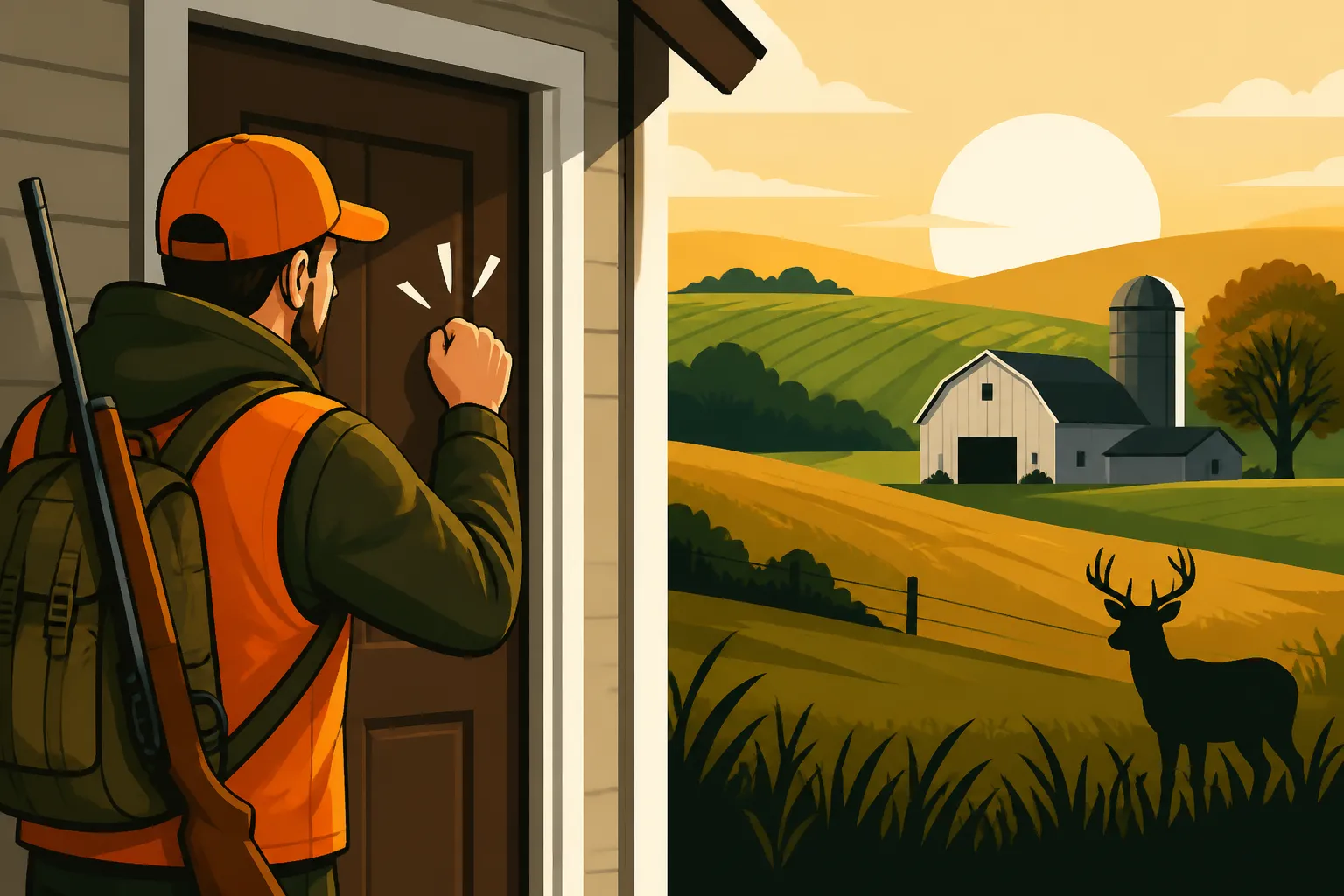
Finding quality hunting ground in Pennsylvania, especially in those prime farm country areas, can feel like an impossible task when public lands are getting hammered every season. It's frustrating to constantly compete with crowds or feel like you're always a step behind. This comprehensive guide is all about giving you the tools and confidence to step beyond the well-trodden paths and successfully gain access to private land by knocking on doors in Pennsylvania's rich agricultural regions.
Understanding the Landscape of Private Land Access in Pennsylvania
Let's be real, finding a good spot to hunt in Pennsylvania can be a serious challenge. You've got the endless sprawl of State Game Lands, which are fantastic, but they often come with a heavy dose of hunter pressure, especially during opening week or on prime weekends. For many of us, the dream is to find a quiet corner, a place where you can hunt effectively without feeling like you're constantly bumping into other folks.
The Challenge of Finding Hunting Ground
The reality of hunting in Pennsylvania is that our public lands, while extensive, are becoming more and more crowded. It's not uncommon to pull into a Game Lands parking lot on the first day of firearms season and see dozens of vehicles. This pressure pushes deer into thicker cover, makes them more nocturnal, and generally makes for a tougher hunt. The "secret spots" don't stay secret for long, and if you're like me, you've experienced the frustration of spending weeks scouting a piece of public ground only to have another hunter walk right through your setup on opening morning. This scenario is particularly common in the more densely populated areas and the southern WMUs, where readily accessible public land is at a premium.
Why Farm Country Offers Unique Opportunities
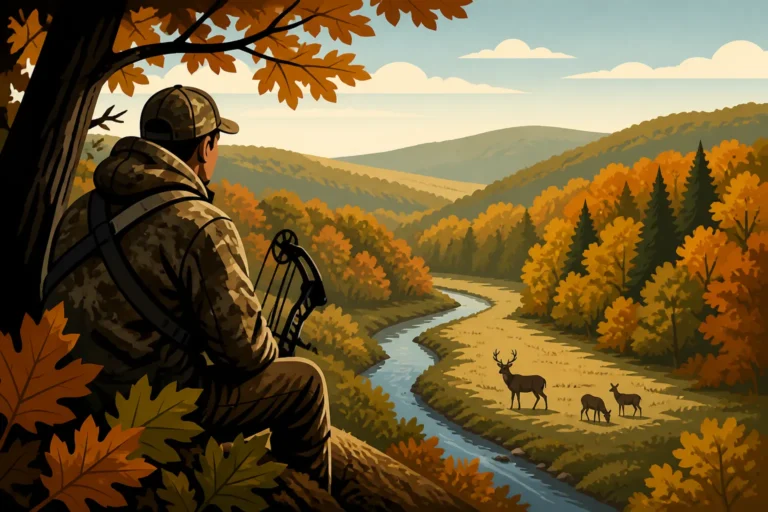
Farm country, though, is a different beast entirely. Think about it: vast fields of corn, soybeans, alfalfa, and winter wheat. These aren't just pretty landscapes; they're massive food plots for deer. Bucks and does in these areas often have access to a year-round buffet, leading to better nutrition, larger body sizes, and, yes, often bigger antlers. When you're looking at areas like Lancaster, York, or even parts of Berks County, the deer populations can be incredibly healthy. Plus, depending on the specific property, the hunting pressure can be significantly lower compared to public lands. This isn't to say every farm is a deer sanctuary, but the potential for a less pressured, more productive hunt is definitely there. Imagine having a private piece of ground where you can implement strategic stands or even plan a small drive without worrying about a stranger ruining your hunt. Many hunters often overlook the incredible potential of Hunting Pennsylvania Farm Country Edges when planning their seasons.
Legalities and Local Customs to Know Before You Knock
Before you even think about stepping onto someone's land or knocking on their door, you absolutely need to understand Pennsylvania's laws regarding private property. The Pennsylvania Game Commission (PGC) is very clear: you need permission to hunt on private land. This isn't just a suggestion; it's the law. Unless the land is clearly posted otherwise, verbal permission is legally sufficient, but I'll tell you from experience, getting it in writing is always, always better for everyone involved. It eliminates any "he said, she said" situations down the road.
Beyond the black-and-white law, there are local customs and unspoken rules. In rural Pennsylvania, farmers are often early risers and work long hours. Respect their time. Don't show up at 5 AM expecting a leisurely chat. Understand that their property is their livelihood. Crops, livestock, and farm equipment are all vital to them. Showing you understand and respect these aspects will go a long way. Always be aware of What Pennsylvania Trespass Law Requires and how you can ensure you're always on the right side of it.
Preparing for Your Door-Knocking Endeavor
You wouldn't go into the woods without your hunting gear, right? The same goes for approaching landowners. Preparation is key to making a good impression and increasing your chances of success. It's a bit like an interview, where you're trying to prove you're a responsible, trustworthy individual.
Essential Scouting and Research Before You Approach
This is where your homework really pays off. Before you even think about approaching a farmhouse, spend some time remotely scouting the area. Tools like GoHunt's mapping features are invaluable here. You can identify potential properties, see property lines, and even get landowner information in many cases. Look for properties that border large tracts of woods, have obvious deer sign (from the road or public vantage points), or are simply large enough to hold deer without feeling like you're hunting someone's backyard.
Use aerial photos to spot potential bedding areas, travel corridors, and those crucial pinch points between woodlots and fields. I've spent countless hours on mapping apps, identifying potential access points and noticing parcels that look like they might be overlooked. While scouting, remember to stay off private land until you have permission. You can observe from public roads or adjacent public land. Pay attention to how the land is used – is it active agriculture, pasture, or fallow ground? Knowing this helps you understand the landowner's perspective. You might also want to consult the Using the Pennsylvania Mapping Center for more specific public and private land insights. Knowing Finding Pennsylvania Property Lines accurately is non-negotiable before you ever step foot on potential hunting ground.
What to Bring and How to Present Yourself
First impressions matter, especially in rural communities. You want to look respectful, not like you just rolled out of a deer blind. Dress neatly – clean jeans or khakis, a clean shirt, maybe a presentable jacket. Avoid full camouflage; it can come across as aggressive or intimidating, suggesting you're already there to hunt rather than to ask permission.
As for what to bring:
- A Map: Print out an aerial map of their property, clearly showing their boundaries. GoHunt allows you to do this easily. This demonstrates you've done your homework and respect their property lines. You can even highlight areas you're interested in hunting, showing you have a plan.
- Written Permission Slip: Have a simple, pre-drafted permission slip ready. This shows professionalism and makes it easy for them to say "yes" on the spot. We'll discuss what to include shortly.
- Pen: Don't make them search for one.
- Your Hunting License and ID: Be prepared to show your Pennsylvania Hunting Licences and What They Cost and photo ID. This immediately establishes you as a legitimate, licensed hunter.
- A Small Token (Optional, Use Discretion): Some hunters bring a small gift, like a box of local chocolates, a gift certificate for a local diner, or even a pie. This isn't a bribe, but a gesture of goodwill. Use your judgment; sometimes it's best to wait until after permission is granted, or even after a successful season, to give a thoughtful thank you.
Crafting Your Pitch: What to Say and How to Listen
When you finally approach the door, take a deep breath. Your demeanor should be friendly, confident, and above all, respectful.
Initial Greeting:
"Good morning/afternoon. My name is [Your Name], and I'm a local hunter. I apologize for bothering you, but I was wondering if I could speak with you for a few minutes about hunting permission on your property."
State Your Purpose Clearly:
"I've noticed your beautiful farm here on [Road Name], and I was admiring the landscape. I'm looking for a safe, responsible place to hunt deer/turkey this season, and I was hoping you might consider allowing me access."
Emphasize Your Responsibility and Respect:
This is crucial. Landowners often have concerns about safety, property damage, and liability. Address these upfront.
- "I always prioritize safety. I understand and follow all of the Pennsylvania Game Commission's regulations, including Pennsylvania Hunter Orange Rules when applicable."
- "I would treat your property with the utmost respect, as if it were my own. I'm meticulous about closing gates, staying away from livestock and buildings, and leaving no trace behind."
- "I'm also insured through my hunting organizations, which covers any accidental damage or incidents. (This is a huge plus if you're a member of a group like the NRA or a specific hunting club, as many offer liability insurance.)"
- "I'm more than happy to hunt only in specific areas you designate, or for specific types of game. For example, I'd be primarily interested in hunting deer, especially antlerless deer if that helps with crop damage." Mentioning this shows you're thinking about their needs, not just your own. Understanding Pennsylvania Deer Seasons and WMU Rules and Pennsylvania Antler Restrictions by WMU will help you speak intelligently about the local regulations.
- "I'm not looking for exclusive access; even a few days here and there would be greatly appreciated." (This can lower their perceived commitment).
Listen More Than You Talk:
After your pitch, stop and listen. Let them express any concerns, questions, or past negative experiences. Your job is to address these thoughtfully and honestly. Don't interrupt. Be prepared for a "no," and accept it graciously. A polite "no" today doesn't mean a "no" forever.
Navigating the Conversation and Building Trust
It’s not just about what you say, but how you handle the dialogue. Landowners appreciate sincerity and a willingness to understand their perspective.
Overcoming Common Objections and Concerns
You'll likely hear a few common objections. Being ready for them shows you're prepared and serious.
- "Too many hunters already" or "I've had bad experiences in the past": This is a big one. Acknowledge their past frustrations. "I completely understand. Unfortunately, some hunters give us all a bad name. That's why I wanted to speak with you directly and assure you that I am not like that. I am a very responsible and ethical hunter. Perhaps we could start with just a small section of your property, and if you're comfortable, we can go from there?" You could even offer to hunt primarily during archery or flintlock season when pressure is typically lower and the disturbance minimal.
- "Safety concerns": Reiterate your commitment to safety. "My primary concern, after respecting your property, is safety. I will always know my target and what's beyond it. I adhere strictly to all safety zones around buildings and will only carry a firearm when actively hunting in designated areas." Knowing the exact safety zone distances can be very helpful here.
- "Liability issues": This is a valid concern for any landowner. While Pennsylvania's Recreational Use of Land and Water Act (RULWA) generally protects landowners who permit recreational use of their land without charge, many still worry. This is where your hunting organization's liability insurance can be a huge selling point. "I'm covered by a personal liability policy through [Name of Organization], which offers protection in the unlikely event of an accident. I can provide proof of insurance if that would make you more comfortable."
- "I just don't want strangers on my land": This is tough, and sometimes an insurmountable barrier. If they're firm, thank them for their time and move on. Don't press. However, if there's an opening, you might say, "I appreciate your honesty. I'm happy to provide references if that would help you feel more comfortable. I'm also local and would be more than happy to introduce myself properly, perhaps even help with a chore or two on the farm if you ever needed an extra hand."
Remember, patience is paramount. Don't try to close the deal immediately if they seem hesitant. Offer to leave your contact information and let them think about it.
The Importance of a Written Agreement
Even if you get a verbal "yes," always follow up with a written permission slip. This isn't just for you; it protects the landowner too. It clarifies expectations and prevents misunderstandings.
What to Include in Your Written Permission Slip:
Here's a basic template for what a good written permission slip should cover. You can adapt this to be as detailed as needed.
| Category | Essential Details |
|---|---|
| Landowner Info | Full Name, Address, Phone Number |
| Hunter Info | Full Name, Address, Phone Number, Hunting License Number |
| Property Details | Address, Acreage, Brief Description (e.g., "Farm located at 123 Main St, adjacent to Smith's Woods") |
| Dates of Access | Specific start and end dates (e.g., "October 1, 2024 – January 31, 2025") |
| Species Permitted | Deer (Antlered/Antlerless), Turkey, Small Game, etc. |
| Specific Areas | "Back 40 acres behind the barn," "Woodlot west of the creek," "Anywhere but within 100 yards of the house/barn." (Attach a marked map from GoHunt or similar if possible). |
| Restrictions | Vehicle access (where/when), use of ATVs, stand placement (portable only, no nails), time restrictions (e.g., "no hunting after dark"), no fires, no littering, etc. |
| Liability Clause | A statement acknowledging the hunter assumes risk and landowner is not liable for accidents (referencing RULWA can be good). |
| Signatures | Landowner and Hunter, with date. |
This document should be signed by both you and the landowner, with each party retaining a copy. It’s also a good idea to have this document readily available while hunting, in case you encounter any questions from other individuals or local authorities.
Maintaining the Relationship After Gaining Access
Getting permission is just the first step; maintaining it is where true success lies. Treat this as a long-term relationship.
- Follow Through on All Promises: If you said you'd only hunt deer, don't shoot a coyote unless explicitly discussed. If you said you'd only park in a certain spot, stick to it.
- Respect Property, Always: Close every gate, pick up any trash you find (even if it's not yours), stay away from crops and livestock, and be mindful of noise near residences. This includes knowing where you can use a Using a Ground Blind on Pennsylvania Game Lands on public land and applying similar discretion on private ground.
- Offer to Help: "Hey, I'm heading out to scout next weekend. If you have any small chores I could help with – fixing a fence, moving some wood, etc. – please let me know." This builds incredible goodwill.
- Share Your Success: If you harvest a deer, offer the landowner some venison. If you get a turkey, share some breast meat. Even if they don't take it, the gesture is important. Sharing stories of your hunt, especially when you've respected their property, can be very rewarding.
- Regular Communication: A quick text or call before you head out to hunt can be a nice courtesy, especially if you have a less formal agreement. A thank-you card at the end of the season, perhaps with a small gift, reinforces your gratitude.
Practical Tips and Alternative Approaches
Even with the best intentions, door-knocking can be a grind. Here are some pointers to maximize your efforts and explore other avenues.
Best Times and Days to Approach Landowners
Timing can significantly impact your success rate.
- Weekends, but not during busy times: Saturdays and Sundays can be good, but avoid early mornings (when farmers are working) or meal times (lunch/dinner). Mid-morning or late afternoon on a weekend is often ideal.
- Off-season is prime time: Don't wait until the week before deer season opens. Landowners are often overwhelmed with requests then. Late spring, summer, and early fall (August/September) are excellent times to make initial contact, long before they're bombarded by other hunters. This gives them time to get to know you and make a decision without feeling rushed.
- After a fresh rain: If the farmer isn't actively working the fields, a rainy day when they might be inside can sometimes be a good time.
Beyond Door-Knocking: Other Avenues for Private Land Access
Door-knocking isn't the only way to gain access, and sometimes it can be part of a larger strategy.
- Pennsylvania Hunter Access Program: The PGC has a fantastic program where they work with private landowners to open up land for public hunting. Look into this program on the PGC website. Landowners receive incentives for participating, and hunters get more places to go. It's a win-win. Learning about the Pennsylvania Hunter Access Program could open up new possibilities.
- Local Conservation Groups and Sporting Clubs: Many local rod and gun clubs or conservation organizations have relationships with landowners. Becoming a member can open doors, literally. They often have established connections or even lease land collectively.
- Word of Mouth: Let your hunting buddies, co-workers, and friends know you're looking for private land permission. You never know who might know a farmer or landowner willing to grant access. Networking is powerful.
- Offering Services: Some hunters offer to help with farm work in exchange for hunting privileges. This could be anything from baling hay to fixing fences, clearing brush, or helping with small construction projects. If you have a useful skill, offer it up!
- Leasing Land: While often expensive, leasing land is an option for some. This usually involves a formal contract and payment but guarantees exclusive access. This is more common with groups of hunters forming a club. Understanding Pennsylvania Hunting Lease Costs can help you determine if this is a viable option.
When to Walk Away and Keep Searching
Not every door will open, and that's okay. You'll likely hear "no" more often than "yes."
- Recognize a Firm "No": If a landowner clearly says they're not interested, or seems annoyed, thank them for their time and leave immediately. Don't argue, don't try to change their mind, and don't linger. Your goal is to leave a positive impression, even if you don't get permission, because you might pass by them again, or they might tell a neighbor about your polite approach.
- Don't Take Rejection Personally: A "no" isn't a reflection of you as a person or a hunter. It could be due to past negative experiences, existing arrangements with other hunters, or simply a desire for privacy. There are many reasons, most of which have nothing to do with you.
- It's a Numbers Game: Think of it like sales: you have to make a lot of calls to get a few leads. The more doors you knock on, the higher your chances of success. Be persistent, but always respectful. Keep trying new areas, different farms, and continue scouting for potential leads, including using tools like GoHunt to find overlooked parcels. Even if you're exploring Hunting the Pre-Rut in Late October on public land, continually seeking private access can enhance your overall hunting strategy for future seasons.
Securing private land permission in Pennsylvania farm country is a rewarding endeavor that offers unique hunting opportunities. It takes preparation, patience, and impeccable manners, but the payoff of having a less pressured, high-quality hunting spot is well worth the effort.
Disclaimer
The information provided in this guide is for general informational purposes only and does not constitute legal advice. Hunting regulations and landowner permissions can be complex and are subject to change. Always consult the most current Pennsylvania Game Commission regulations and seek legal counsel for specific situations regarding private property access and liability. Hunters are responsible for understanding and adhering to all applicable laws and regulations.