Pennsylvania Hunter Orange Rules
Navigating Pennsylvania's hunter orange rules can feel like trying to hit a moving target sometimes. With seasons overlapping, different requirements for various game species, and distinctions between public and private land, it's easy to get confused and, more importantly, put your safety or your hunt at risk. This guide is here to untangle all that, ensuring you understand exactly when, where, and how much hunter orange you need to wear to stay legal and safe in the Pennsylvania woods.
The Core of Pennsylvania's Hunter Orange Mandate
At its heart, hunter orange in Pennsylvania is about visibility and safety. The vibrant color isn't something deer perceive easily, but it screams "human!" to other hunters. This dramatically reduces the risk of accidental shootings, which, let's be honest, is every hunter's worst nightmare. While the rules can seem like a hassle, they're truly designed to protect everyone enjoying our beautiful wild spaces.
Understanding the 250 Square Inch Rule
Pennsylvania's foundational requirement for wearing hunter orange often revolves around the "250 square inches" rule. This isn't just some arbitrary number; it’s a carefully calculated amount of visibility designed to make you easily identifiable from various angles. Think of it as your personal safety beacon in the woods. This requirement mandates that you wear at least 250 square inches of fluorescent orange material on your head, chest, and back combined, visible 360 degrees. It's not enough to have a tiny patch; it needs to be substantial enough to be seen from any direction by another hunter. For a lot of folks, this often translates to a full vest and an orange hat, which we’ll delve into more deeply. This specific rule regarding the amount of visible orange is crucial for understanding Pennsylvania's 250-Square-Inch Orange Rule, which impacts most firearms hunting.
It’s important to realize that "250 square inches" isn't a suggestion; it's a legal minimum. Simply tying a small orange bandana to your arm won't cut it. The intent is clear: to ensure maximum visibility, especially during busy seasons. The Pennsylvania Game Commission (PGC) is serious about this, and for good reason. Imagine a dense patch of mountain laurel in late November, the leaves brown and thick. A hunter without sufficient orange might as well be invisible, a dangerous scenario for everyone involved.
Placement and Visibility: Hats, Vests, and More
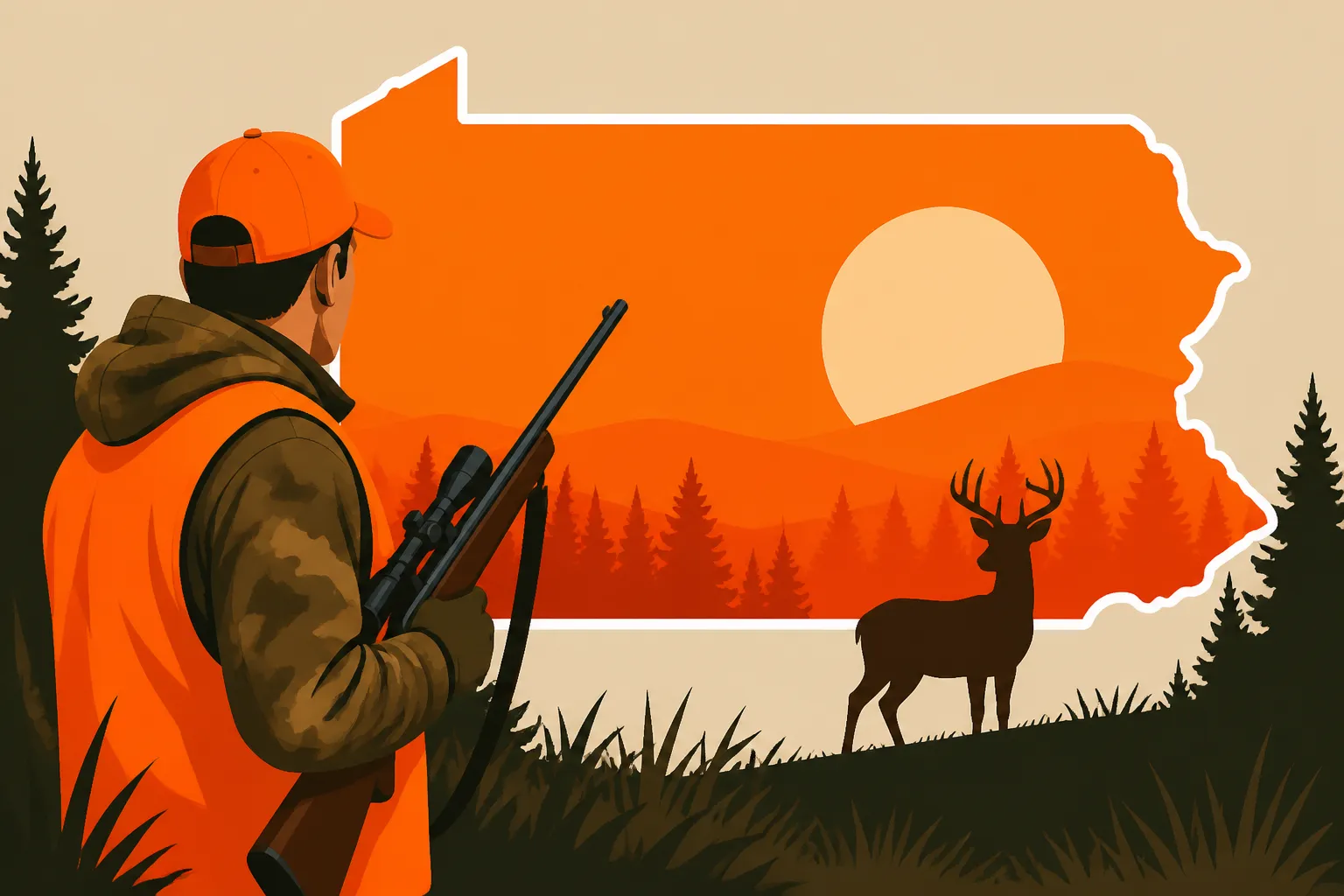
So, you know you need 250 square inches. But where does it go? The PGC specifies that the material must be visible from 360 degrees. This means covering your head, chest, and back. For most hunters, this translates into a bright orange hat and a vest. The hat takes care of your head, offering visibility above the shoulders, while a good vest ensures coverage of your torso from all angles. Some hunters opt for jackets with integrated orange, or even full orange coveralls, especially when weather dictates more layers. The key here is visibility. Don't let your pack or gear obscure your orange.
Many experienced hunters consider a combination of a blaze orange hat and a vest to be the most practical and effective solution for meeting the 360-degree visibility rule. This combination usually provides more than the required 250 square inches and allows for layering underneath. When you’re out there, moving through the woods, climbing over blowdowns, or sitting still on a stand, your orange can shift. Regularly check to ensure it’s not bunched up, covered by a pack strap, or hidden by a piece of gear. This attention to detail is paramount, and it's why understanding Orange Hats Versus Vests in Pennsylvania is more than just a style choice; it's a safety decision.
Hunter Orange Requirements Across Different Seasons
The question of when you need to wear hunter orange is where things can get a little murky for some. It's not a year-round requirement, and it varies significantly depending on the season, the game you're pursuing, and even whether other hunting seasons are open concurrently. Staying informed is your best defense against a potential violation and, more importantly, a safety incident.
Firearms Deer Season: Non-Negotiable Protection
This is arguably the easiest rule to remember: if you're hunting deer during the Pennsylvania Firearms Deer Season Structure, you must wear hunter orange. This applies to both antlered and antlerless deer seasons, whether you’re carrying a rifle, shotgun, or muzzleloader. The requirement is for 250 square inches of fluorescent orange on the head, chest, and back, visible 360 degrees. This rule applies to everyone involved in the hunt, even if you’re just driving deer or acting as a non-shooting assistant. There are no exceptions for camouflage patterns or sitting in a blind during firearms season – if you're out there, you're wearing orange. This is one of the clearest examples of When Pennsylvania Requires Hunter Orange without question.
Think about the sheer number of hunters in the woods during the general firearms deer season. It's often the busiest time of year, with countless people pursuing deer across vast landscapes. This high hunter density necessitates strict safety measures, and blaze orange is the cornerstone of that effort. Even if you're convinced you're in a remote spot, remember that sound travels far, and other hunters could be closer than you think. Always assume there are other people in the woods, and wear your orange proudly.
Archery and Muzzleloader Seasons: When Orange Is Optional (and When It's Not)
Here's where the confusion often kicks in. During the archery-only portion of the Pennsylvania Archery Deer Season Structure, hunter orange is not required. This is a common point of relief for bowhunters who spend countless hours practicing scent control and camouflage, trying to blend seamlessly into the environment. The logic here is that bowhunting, by its very nature, relies on stealth and close-range shots. The presence of hunter orange could easily spook a deer or bear, making a successful, ethical shot much harder. Many archers choose to wear a small amount of orange while walking in and out of their stands in the dark but remove it once settled. This is a good practice, but not legally mandated for archery-only periods. This distinction regarding Orange Requirements for Archery Hunters is crucial for understanding where the rules differ.
However, a huge "BUT" comes into play: during any concurrent firearms season, archers must wear hunter orange. This means if you're bowhunting during a portion of the archery season that overlaps with, say, a firearms bear season or a muzzleloader deer season, you are absolutely required to wear 250 square inches of visible orange, just like a firearms hunter. This protects you from those hunting with firearms who might not expect to see a camouflaged archer. This often happens in late archery season, which runs concurrently with flintlock and some firearms seasons. Similarly, during early muzzleloader Pennsylvania Bear Seasons and Licences, if you’re rifle hunting bear, you’re in orange. If you’re bowhunting bear during the concurrent archery bear season that runs at the same time as an early muzzleloader season, you must wear your orange. Always double-check the current hunting digest for overlapping seasons in your specific Wildlife Management Unit (WMU).
Small Game and Furbearer Hunting: Specific Scenarios
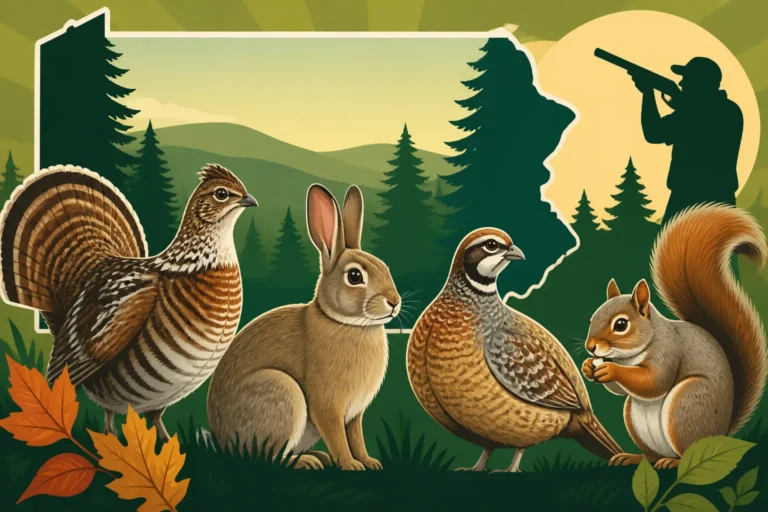
The rules for small game and furbearer hunting also have their own set of specific requirements, particularly when these seasons coincide with firearms deer season. Generally, when hunting Small Game Hunting in Pennsylvania during any firearms deer, bear, or elk season, you are required to wear 250 square inches of fluorescent orange. This helps prevent mistaken identity, as small game hunters are often moving through cover, and their movements could be confused for larger animals by deer or bear hunters. This is especially true if you're pursuing rabbits with beagles or busting brush for pheasants.
However, outside of these concurrent firearms seasons, the orange requirement often changes for small game. For example, during dedicated fall turkey season or grouse season when no firearms big game season is open, hunter orange is generally not required (though some hunters still choose to wear it for personal safety, especially when hunting with dogs). It’s always best to consult the current Pennsylvania Hunting & Trapping Digest, as these regulations can sometimes have nuances based on the specific game animal or the WMU. The key takeaway: if there’s a firearms big game season running, assume you need to be in orange, regardless of what you’re hunting.
Nuances of Hunter Orange on Public vs. Private Land
Many hunters assume that hunter orange rules differ significantly between public and private land. While the core legal requirements often remain consistent regardless of ownership, the practical application and implications can indeed vary. Understanding these nuances is crucial for both compliance and ensuring your own safety, as well as maintaining positive relationships with landowners.
State Game Lands and State Forests: Strict Adherence
When you're hunting on public lands in Pennsylvania—this includes Pennsylvania State Game Lands, State Forests, and the Allegheny National Forest—the hunter orange rules are generally enforced with strict adherence. These lands see a lot of recreational use, not just from hunters, but also hikers, birdwatchers, and other outdoor enthusiasts. The PGC's regulations are designed to minimize risk across this diverse user base, and that includes requiring hunter orange during specific seasons. You should always expect game wardens to be patrolling these areas, checking for compliance with all regulations, including blaze orange. Ignorance of the rules is never an excuse.
Furthermore, on public lands, you are essentially hunting in an open-access environment. You don't know who else is out there, how experienced they are, or what their intentions might be. Therefore, maximizing your visibility is not just a legal obligation but a profound act of personal responsibility. Even if you're still-hunting in a remote section of the Sproul State Forest, remember that another hunter might be doing the same, approaching from a different angle. Using mapping apps like GoHunt can help you visualize land boundaries and plan your approach, but they won't replace the need for physical visibility.
Private Land: The Role of Permission and Personal Responsibility
While the letter of the law regarding hunter orange often applies universally across both public and private land, the enforcement context can feel different on private property. If you have secured Getting Private Land Permission in Pennsylvania to hunt on a specific tract, you might feel a greater sense of security or privacy. However, this does not negate your legal obligation to wear hunter orange during mandated seasons. The same PGC regulations apply. Even if the landowner tells you "no one else hunts here," the legal requirement for hunter orange during concurrent firearms seasons still stands.
The difference often lies in the additional layer of personal responsibility and communication. When hunting private land, you might be interacting directly with the landowner, who may have their own requests regarding safety. Always clarify these expectations when you obtain permission. While they can't override PGC regulations, they might ask you to wear orange even when not legally required, just for their peace of mind or for the safety of their family or livestock. Being a considerate hunter means respecting these requests. Never compromise on hunter orange during legally mandated times; it protects you and ensures you can continue to enjoy the privilege of hunting on someone else's property.
Special Considerations and Common Misconceptions
Beyond the core rules, there are several situations and commonly held beliefs about hunter orange that warrant a closer look. Misinformation can be as dangerous as outright disregard for the rules, so let's clear up some of the often-asked questions and sticky points.
Sunday Hunting and Blaze Orange
With the recent changes allowing Which Sundays Are Now Open in Pennsylvania for hunting certain species, the question of hunter orange on Sundays has naturally arisen. The rule is simple: if the species you are hunting on a Sunday would normally require hunter orange on a weekday, then it requires hunter orange on Sunday. For instance, if you're deer hunting during the firearms deer season on one of the open Sundays, you must wear your 250 square inches of fluorescent orange, just as you would any other day of that season. The Sunday aspect does not change the orange requirement for the specific season.
It's easy to get caught up in the excitement of new Sunday hunting opportunities and forget about familiar rules. However, safety regulations like hunter orange are constant within their respective seasons. Always consult the official PGC digest for the most up-to-date information on which Sundays are open for which species, and then apply the standard hunter orange rules for those specific seasons. There's no special "Sunday orange" rule; it's simply an extension of existing season requirements.
Mentored Youth and Adult Hunters
Pennsylvania's Mentored Youth and Mentored Adult Hunting Programs are fantastic initiatives designed to introduce new hunters to our rich traditions. These programs allow individuals who haven't completed hunter education to gain experience under the guidance of an experienced mentor. However, safety remains paramount, and that includes hunter orange requirements.
For participants in the Mentored Youth Hunting Program, the youth hunter is required to follow the hunter orange rules applicable to the season and species being hunted. The mentor is also generally required to follow all hunter orange rules applicable to the season, providing a visible example of safety. This is a critical component of Pennsylvania Hunter Education Requirements in practice. For Mentored Adult Hunters, both the mentor and the mentored adult must abide by all hunter orange requirements for the species and season being hunted. Essentially, if an adult hunter would normally need to wear orange for a particular hunt, both the mentor and the mentored adult must comply. This ensures that even our newest hunters are practicing safe, visible hunting habits from day one, reinforcing the importance of being seen in the woods.
Why Hunter Orange Works: Safety in the Woods
Sometimes, hunters complain about the inconvenience of wearing hunter orange, especially those who prioritize camouflage for stealth. It’s a valid point when you're trying to outsmart a wary buck. However, the scientific evidence and real-world statistics overwhelmingly support the effectiveness of hunter orange in preventing hunting accidents. Deer are largely red-green colorblind, perceiving orange as a dull gray or brown, making it blend into their natural environment. Humans, however, see it as a vibrant, unmistakable color.
This simple biological difference creates a massive safety buffer. By making hunters highly visible to other hunters, blaze orange drastically reduces incidents of mistaken identity and hunters being shot in the line of fire. It's a non-negotiable part of modern hunting safety, much like a safety harness in a treestand. The momentary inconvenience or perceived challenge to stealth is a small price to pay for the peace of mind and protection it offers, knowing that you and your fellow hunters are as safe as possible in the field.
Choosing and Maintaining Your Blaze Orange Gear
You know when and why you need hunter orange, but choosing the right gear and keeping it in top condition is equally important. Faded, dirty, or poorly fitted orange can compromise your visibility and, consequently, your safety.
Material and Fit: Comfort Meets Compliance
When selecting hunter orange gear, don't just grab the cheapest vest on the rack. Consider the material and how it fits. You want something durable enough to withstand brush and briars, yet comfortable enough for a long day in the woods. Polyester blends are common, offering good durability and resistance to fading. Breathability is also key, especially during early season hunts that might still be warm. For colder weather, consider outer layers with integrated orange or a larger vest that can fit over your insulated clothing. The goal is to maximize visible orange without restricting your movement or making you uncomfortable.
Fit is crucial for compliance. A vest that's too small might bunch up, reducing its visible surface area. One that's too large could flap around, or worse, get caught on branches. Ensure that your vest or jacket allows for your full range of motion while providing clear, unobstructed coverage of your chest and back from all angles. Remember, the 360-degree visibility rule is paramount, so try on your gear with your typical hunting layers underneath to ensure proper fit and coverage.
Care and Longevity: Keeping Your Orange Bright
Hunter orange, like any gear, needs proper care to maintain its effectiveness. Over time, exposure to sunlight, dirt, and repeated washing can cause the fluorescent dyes to fade. Faded orange is less effective at high visibility and might not meet the spirit, if not the letter, of the PGC regulations. Always wash your hunter orange separately or with like colors, using a gentle detergent and avoiding bleach, which can accelerate fading. Air drying is often best, as high heat from a dryer can also degrade the material.
Before each hunting season, inspect your hunter orange for fading, rips, or tears. If it looks dull or worn, it might be time for a replacement. Think of it as an investment in your safety. A new, bright vest is a small price to pay compared to the potential consequences of being less visible in the woods. Regularly checking and maintaining your blaze orange ensures that you're always presenting the brightest, most visible profile possible, doing your part to keep yourself and every other hunter in the Pennsylvania woods safe.
| Season/Species | Hunter Orange Requirement | Minimum Area (Square Inches) | Visibility | Notes |
|---|---|---|---|---|
| Firearms Deer/Bear/Elk | Mandatory | 250 | 360 degrees | Applies to all firearms hunters. |
| Archery-Only Deer/Bear | Not required | N/A | N/A | Recommended for entry/exit in low light. |
| Archery (Concurrent Firearms) | Mandatory | 250 | 360 degrees | Required if any firearms season is open. |
| Flintlock/Muzzleloader-Only | Mandatory | 250 | 360 degrees | Always required for these specific seasons. |
| Small Game (Concurrent Firearms) | Mandatory | 250 | 360 degrees | Required if a firearms big game season is open. |
| Small Game (No Concurrent Firearms) | Not required | N/A | N/A | Many choose to wear for personal safety. |
| Fall Turkey | Not required (unless concurrent firearms) | N/A | N/A | Be mindful of other hunters. |
| Spring Gobbler | Not required | N/A | N/A | Stealth is key; avoid orange if not required. |
| Predator/Furbearer | Not required (unless concurrent firearms) | N/A | N/A | Check local regulations and concurrent seasons. |
Disclaimer
The information provided in this guide is for general informational purposes only and is not a substitute for the official regulations published by the Pennsylvania Game Commission. Hunting laws and regulations can change, and it is the hunter's responsibility to consult the most current Pennsylvania Hunting & Trapping Digest and any official updates before engaging in hunting activities. Always prioritize safety and legal compliance.