When Pennsylvania Requires Hunter Orange
It's incredibly frustrating trying to keep up with all the regulations in Pennsylvania hunting, and one of the most common head-scratchers for new and even seasoned hunters is when exactly you have to wear hunter orange. It feels like every season has its own twist, leaving you constantly second-guessing if you're legal or, more importantly, safe. This guide is here to clear up that confusion once and for all, providing a straightforward look at Pennsylvania's hunter orange requirements so you can hit the woods with confidence, knowing you’re in compliance.
Understanding Pennsylvania's Mandatory Hunter Orange Seasons
Let's cut right to it: the most crucial times you absolutely, positively need to be sporting that blaze orange are during any firearms deer season. This isn't just a suggestion; it's a legal requirement designed to keep everyone safe in the woods when high-powered rifles and shotguns are in use. The Pennsylvania Game Commission is very clear on this because visibility is paramount when projectiles can travel significant distances.
General Statewide Firearms Deer Season
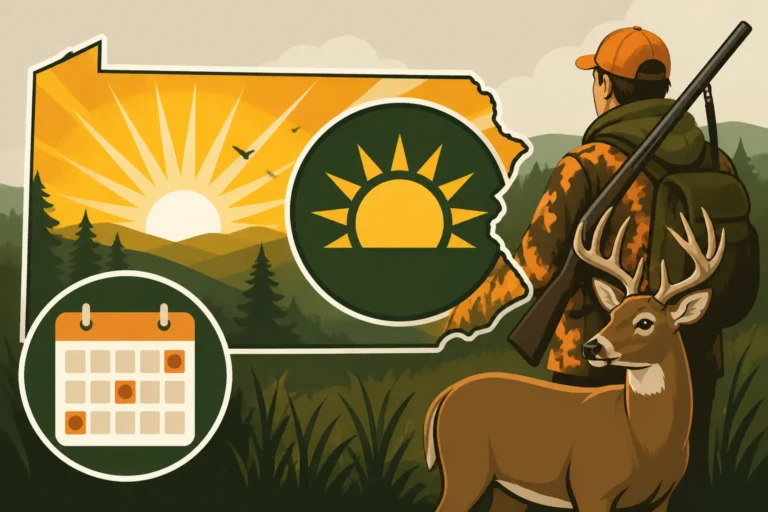
During the main, often bustling, statewide firearms deer season, wearing at least 250 square inches of solid fluorescent orange material on your head, chest, and back combined is mandatory. This includes the period covering both the traditional two-week rifle season and any concurrent antlerless days. It doesn't matter if you're sitting in a treestand, still-hunting through a thick clearcut, or participating in a deer drive; if you're hunting deer with a firearm, you must be visible from 360 degrees. Imagine walking through the dense woods of Sproul State Forest during rifle season. Without that vibrant orange, you'd blend right into the browns and grays, making it incredibly dangerous. The rule is about ensuring you're instantly identifiable as a human hunter, not a deer or another animal. This rule also applies to those hunting other species concurrently, like bear, during these periods.
Muzzleloader and Flintlock Seasons
While muzzleloader and flintlock seasons might feel a bit more traditional and, in some cases, less pressured than the general firearms season, the hunter orange rules still apply if you're hunting deer. Specifically, if you’re out for deer during the regular statewide muzzleloader season or the late flintlock season, that 250 square inches of blaze orange is required. This applies whether you're using a modern inline muzzleloader or a traditional flintlock rifle. The logic here is simple: these are still firearms seasons. Even though shots might be at closer ranges or you're moving slower while Flintlock Hunting in Pennsylvania Snow, the potential for a misunderstanding is too high to risk. It’s a good idea to ensure your orange is genuinely solid and not mesh or camouflage patterns with some orange accents, as these don't always count towards the total square inches in the eyes of a game warden.
When Hunter Orange is NOT Required in Pennsylvania
Just as important as knowing when to wear orange is understanding when it's not a requirement. This is where a lot of hunters get tripped up, often wearing orange when they don't legally have to, which can sometimes be counterproductive for certain types of hunting.
Archery Seasons
For the vast majority of Pennsylvania's archery deer seasons, hunter orange is not required. This includes the early archery season, the main October archery season, and the late archery season. This makes sense when you consider the nature of archery hunting, which often relies on stealth, concealment, and getting very close to your quarry. Wearing bright orange would severely hinder an archer's ability to remain undetected. Imagine trying to get a shot on a wary whitetail during Bowhunting Pennsylvania's October Archery Season while glowing like a traffic cone! However, there's a critical caveat: if you are archery hunting during any period that overlaps with a firearms deer season (even if you're strictly using a bow), you must wear the required hunter orange. Always double-check the hunting calendar for your specific WMU to avoid surprises, especially during overlapping bear seasons. This means an October archery bear hunter, for example, would likely need orange because of concurrent firearms activity.
Spring Turkey Hunting
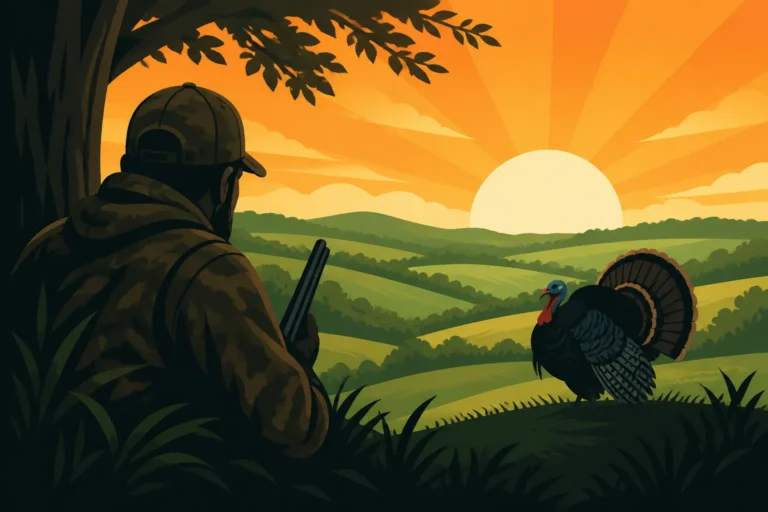
Spring gobbler season is another time when hunter orange is generally not required, and for good reason. Turkeys have incredible eyesight, and a flash of bright orange would send them sprinting faster than you can say "gobble." Hunters often wear full camouflage from head to toe, carefully breaking up their outline to blend into the woods. Setting up against a big tree and staying still is key. However, while actively moving through the woods to your calling setup or to retrieve a harvested bird, some hunters choose to carry a piece of orange material that can be quickly displayed or worn to identify themselves as human, especially if they anticipate encountering other hunters. This is a safety precaution, not a legal requirement, but it’s a wise move if you’re traversing areas with a lot of hunting pressure. The Pennsylvania Game Commission still advises displaying a minimum of 100 square inches of solid orange when moving to and from a calling location during spring turkey season, even though it's not strictly mandatory while stationary.
Small Game and Waterfowl Hunting
Most small game hunting seasons, such as those for squirrels, rabbits, pheasants, and grouse, do not require hunter orange while you are actively hunting. Again, this often comes down to the style of hunting and the quarry. When Rabbit Hunting With Beagles in Pennsylvania, for instance, you're usually in thick cover where visibility is already limited, and dogs are doing much of the work. For waterfowl hunting, camouflaged blinds and clothing are essential for remaining hidden from keen-eyed ducks and geese. So, whether you're out Duck Hunting Pennsylvania Rivers or chasing pheasants, you typically won't need orange. However, just like with archery, if these seasons overlap with any mandatory firearms deer season, the deer season orange rules take precedence. This is especially important for upland bird hunters who might share the woods with deer hunters during early November or late December.
Specific Hunter Orange Requirements and Placement
Understanding the when is only half the battle; knowing the how is equally important. Pennsylvania has specific requirements for the amount and placement of hunter orange to ensure maximum visibility and safety.
The 250 Square Inch Rule and Visibility
When hunter orange is required, the Pennsylvania Game Commission mandates that you display at least 250 square inches of solid fluorescent orange material. This material must be visible from 360 degrees around your person. It's not enough to just have it on your back; it needs to be seen from the front, sides, and rear. This usually means a combination of an orange hat and an orange vest or jacket. For example, a common setup is an orange hat (easily 50-70 square inches) and a vest that wraps around your torso. The key is "solid fluorescent orange," meaning no camouflage patterns within the orange itself, even if it's called "blaze orange camo." While some patterns might incorporate orange, they don't offer the consistent, bright visibility of solid orange. This is critical for safety, particularly when visibility is naturally poor due to dense cover, fog, or low light conditions. You might be still-hunting in a clearcut where every shadow plays tricks on the eyes, and that unmistakable block of orange is what separates you from a potential target.
Placement and Practical Considerations
The "visible from 360 degrees" part means you can't just drape a small piece of orange over your backpack and call it a day. It needs to be on your outermost clothing, above the waistline, where it won't be easily obscured by your gear or movements. Many hunters opt for a blaze orange vest or jacket paired with a blaze orange hat. Some hunting packs even come with integrated orange panels that can be deployed, but always check if these meet the 250 square inch minimum and 360-degree visibility. If you're Using a Ground Blind on Pennsylvania Game Lands during a firearms season, you're still required to wear orange when you're outside the blind, approaching it, or leaving it. If you step out for any reason, put that orange back on. The rules are designed for safety first, so erring on the side of more visibility is always a good practice. Think about the conditions: if it's raining or snowing, the effective visibility of your orange can be reduced, so ensuring you have ample, clean, bright orange is paramount.
The Logic Behind the Rules and Safety
The Pennsylvania Game Commission doesn't create these rules just to make things difficult; they're all about hunter safety. Firearms deer season inherently carries a higher risk due to the equipment used and the excitement of the hunt.
Reducing Hunting-Related Shooting Incidents
The primary goal of mandatory hunter orange is to reduce hunting-related shooting incidents by making hunters highly visible to one another. Deer blend in remarkably well with their surroundings, and in the excitement of a sighting, mistaken identity can occur. When every hunter in the woods is wearing bright, unmistakable orange, the chances of someone mistaking a person for game plummet dramatically. This is especially critical in areas of high hunter density, like many of Pennsylvania's State Game Lands, or during organized deer drives where hunters are moving through cover. The rules are a testament to the success of such regulations; states with mandatory orange laws generally report fewer incidents of hunters being shot by other hunters. It’s a collective safety measure that benefits every single person in the woods.
The Role of Education and Compliance
Beyond the law, hunter education plays a huge role in promoting safe practices. New hunters going through Pennsylvania Hunter Education Requirements are taught the importance of positive target identification, and hunter orange is a cornerstone of that. It's not just about wearing it; it's about understanding why you wear it. As experienced hunters, it's our responsibility to set a good example and ensure we're always in compliance, not just to avoid a fine, but to contribute to a safer hunting culture for everyone. Using resources like the GoHunt app can also help you quickly verify current regulations for specific seasons and WMUs, ensuring you're always up-to-date, especially when rules can sometimes change slightly from year to year. Knowing the rules and adhering to them is a sign of respect for the game, other hunters, and the tradition itself.
Understanding Exceptions and WMU Nuances
Pennsylvania is a large and diverse state, and while the general rules apply widely, there are always little nuances and exceptions that can catch you off guard if you're not paying attention.
CWD Disease Management Areas
While not directly impacting hunter orange requirements, hunting within a Pennsylvania CWD Disease Management Areas can add layers of complexity to your hunt. It's crucial to understand that general hunting regulations, including hunter orange rules, still apply within these zones. CWD zones primarily focus on carcass movement and testing, but they don't override basic safety protocols. If you're hunting deer with a firearm in a CWD-affected WMU, you still need your 250 square inches of orange. Always check the Game Commission's website for the latest CWD regulations specific to the WMU you plan to hunt, as these can evolve. Your GoHunt app can be invaluable here, often having overlays that highlight CWD zones right on your map, helping you stay informed about all applicable rules.
Private Land and Municipal Hunts
Even if you're hunting on private land where you have exclusive permission, the statewide hunter orange regulations still apply during mandatory seasons. Permission to hunt on someone's property does not exempt you from state law. The same goes for any special municipal or controlled hunts designed to manage deer populations in suburban areas. These hunts, while often with unique regulations regarding firearms type or antlerless tags, will still require hunter orange during any firearms portion. Never assume that because you're "alone" or on private ground, the rules change. Safety is universal. When Hunting Small Private Tracts in Pennsylvania, it's even more important to be highly visible, as property lines can be close and other people (hunters or not) might be nearby, making clear identification critical.
What to Wear When Hunter Orange Isn't Required (But You Want to Be Safe)
Even in seasons where hunter orange isn't legally required, many hunters still choose to wear or carry a small piece of orange for added safety, especially when moving through dense cover or walking to and from their vehicle. For example, during bow season, you might wear a low-profile orange hat when walking into your stand in the dark, then stow it once you're settled. Or, during fall turkey season, carrying an orange bandana to tie around your bird once harvested is a smart move. While not mandated, these thoughtful practices reflect a commitment to safety beyond the letter of the law. Ultimately, the best practice is to know the law for your specific season and WMU, and then make informed decisions to ensure your own safety and that of others in the field.
| Hunting Season/Activity | Hunter Orange Required (250 sq in, 360 degrees) | Notes |
|---|---|---|
| General Firearms Deer Season | YES | Applies to rifle and shotgun deer seasons, including concurrent antlerless days. Essential for all hunters, even if hunting other species concurrently. |
| Muzzleloader Deer Season | YES | Includes both modern inline muzzleloaders and traditional flintlocks, if hunting deer. |
| Archery Deer Season | NO | Generally not required. EXCEPTION: If archery hunting during any period that overlaps with a mandatory firearms deer season (e.g., archery bear in rifle season), hunter orange IS required. |
| Spring Turkey Season | NO | Generally not required while stationary. RECOMMENDED: Display 100 sq inches of solid orange when moving to/from calling locations. |
| Fall Turkey Season | NO | Generally not required. EXCEPTION: If fall turkey hunting during any period that overlaps with a mandatory firearms deer season, hunter orange IS required. |
| Small Game Hunting | NO | For species like squirrels, rabbits, pheasants, grouse. EXCEPTION: If small game hunting during any period that overlaps with a mandatory firearms deer season, hunter orange IS required. |
| Waterfowl Hunting | NO | Not required. Camouflage is preferred. |
| Bear Season (Archery/Muzzleloader) | Refer to Overlaps | Mandatory if concurrent with any firearms deer season. Otherwise, typically not required during dedicated archery or muzzleloader bear seasons unless specified. Always check current regulations. |
| Predator/Furbearer Hunting | NO | Not typically required, but use caution and consider carrying orange if in proximity to areas where other hunters might be. EXCEPTION: If predator hunting during any period that overlaps with a mandatory firearms deer season, hunter orange IS required. |
Disclaimer
The information provided in this guide is for informational purposes only and is subject to change. While we strive to be as accurate as possible, hunting regulations can be complex and are regularly updated by the Pennsylvania Game Commission. It is the responsibility of every hunter to consult the official Pennsylvania Hunting & Trapping Digest and the Pennsylvania Game Commission website for the most current and comprehensive regulations before heading afield. Always prioritize safety and legal compliance.