Rabbit Hunting With Beagles in Pennsylvania
For many hunters in Pennsylvania, the quiet solitude of a deer stand is a cherished experience, but there's a whole different kind of joy to be found in the lively chaos of a rabbit hunt. If you've ever felt the chill of a late fall morning transform into a symphony of baying hounds, you know the pure excitement that comes with pursuing cottontails. This guide is all about diving deep into the rewarding world of rabbit hunting with beagles right here in our home state, offering a comprehensive look at how to make the most of this classic tradition.
The Enduring Appeal of Rabbit Hunting with Beagles in PA
There’s something uniquely special about chasing rabbits with a pack of beagles. It’s not just about filling the game bag; it’s about the camaraderie, the sound of the chase, and connecting with a style of hunting that feels deeply rooted in tradition. Here in Pennsylvania, where dense cover and rolling hills provide ideal rabbit habitat, this pursuit offers a dynamic and engaging experience that stands apart from other forms of hunting. The energy of the dogs, the quick shots, and the constant movement make it a fantastic way to spend a crisp autumn or winter day.
Why Beagles Are the Ultimate Rabbit Hounds
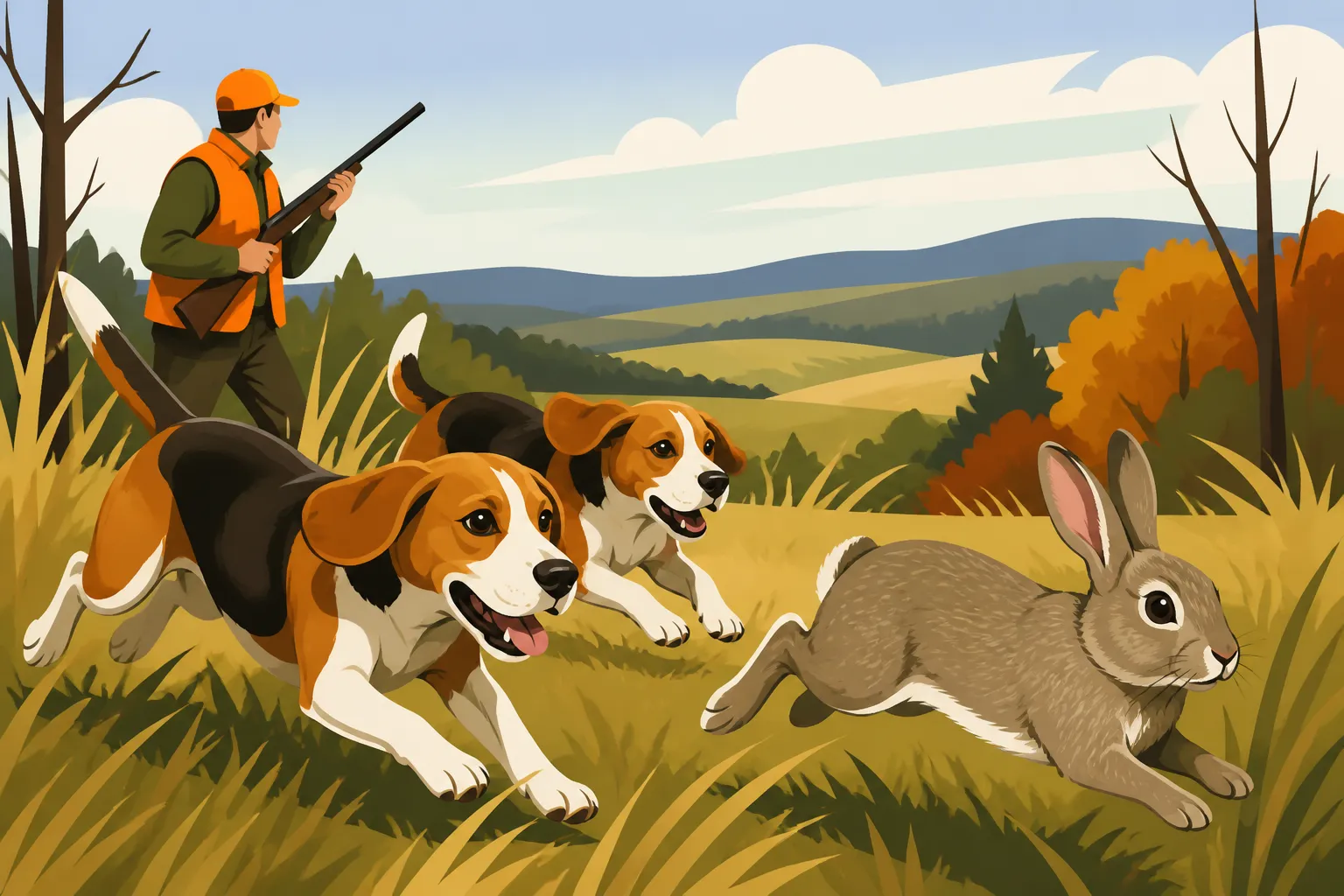
Beagles were practically bred for this job, and anyone who has hunted over a good pack will tell you there’s nothing quite like it. Their small size, incredible noses, and relentless drive make them perfectly suited for digging through the thickest briar patches and pushing rabbits out into the open. Unlike larger hounds that might overrun a rabbit or get too far ahead, beagles tend to work at a slower, more deliberate pace, keeping the rabbit circling and giving hunters a chance to anticipate its return. They're also known for their distinctive baying, a sound that sends shivers of anticipation down a hunter's spine as the chase heats up.
They possess an almost obsessive focus when on a scent, ignoring distractions that might deter other breeds. This unwavering dedication is crucial when a rabbit ducks into a tangle of multiflora rose or a dense honeysuckle thicket. The dogs will work the cover tirelessly, vocalizing every twist and turn the rabbit makes, creating an auditory map of the pursuit. Their keen intelligence means they quickly learn to anticipate a rabbit’s typical escape routes and circling patterns, becoming highly effective hunting partners over time. Training a young beagle can be a rewarding journey, watching them develop from curious puppies into seasoned veterans of the briar patch.
The Thrill of the Chase: A Hunter's Perspective
The true magic of rabbit hunting with beagles isn’t necessarily in the shot itself, but in the entire unfolding drama of the chase. You release the dogs, and for a few minutes, there might be silence, punctuated only by their eager sniffing. Then, a whimper, a yelp, and suddenly, the full-throated chorus begins. That’s when your heart starts thumping. The sound of a beagle pack running a rabbit, echoing through the woods, is one of the most exhilarating sounds in hunting. It’s a dynamic, unpredictable pursuit that keeps you on your toes, listening intently to the dogs and trying to predict where the rabbit will break cover.
This isn't a sit-and-wait game; it's an active, engaging experience that demands your full attention. You're constantly moving, positioning yourself, and communicating with your hunting partners. The pure, unadulterated joy on the faces of the dogs as they work a hot track is infectious, reminding us of the primal connection between hunter and hound. There's also a significant social aspect to it. Rabbit hunting is often a group activity, a chance to share stories, jokes, and the thrill of the hunt with friends or family. It's a fantastic way to introduce new hunters, especially younger ones, to the outdoors, as the action is often fast-paced and the opportunities for success are generally higher than with some other game.
Essential Gear and Preparations for a Successful Hunt
A successful and enjoyable rabbit hunt hinges on having the right gear, not just for yourself, but critically, for your canine companions. Pennsylvania’s diverse terrain and often unpredictable weather require a thoughtful approach to what you bring into the field. From firearms to protective clothing and essential dog accessories, a little preparation goes a long way in ensuring safety and comfort for everyone involved.
Shotguns and Loads: Making the Right Choice
For rabbit hunting, lightweight, fast-swinging shotguns are typically preferred due to the quick, often close-range shots required as rabbits burst from cover. A 20-gauge or 12-gauge shotgun is the most common choice, with many hunters opting for the lighter recoil and easier handling of a 20-gauge, especially when traversing thick brush all day. A modified or improved cylinder choke is usually ideal, providing a good pattern density at the close to medium ranges you’ll encounter. You want enough spread to hit a fast-moving target without blowing it to smithereens if it pops up right at your feet.
When it comes to ammunition, lead shot in sizes 6 or 7 ½ are standard for cottontails. These smaller shot sizes offer a dense pattern capable of taking down a rabbit cleanly without excessive damage to the meat. Non-toxic shot isn't usually required for upland game like rabbits, but it's always wise to double-check local regulations, especially if hunting near certain waterfowl areas. Always pattern your shotgun with your chosen load before the season to understand its effective range and shot dispersion. This step is often overlooked but can make a huge difference in your success rate and ensure clean, ethical kills.
Dog Gear and Safety: Keeping Your Hounds Happy and Healthy
Your beagles are the stars of the show, so their well-being is paramount. Durable, high-visibility collars are a must-have, preferably equipped with GPS trackers. Devices like those offered by Garmin Alpha or GoHunt's mapping tools can be invaluable, allowing you to monitor your dogs' locations in real-time, especially when they disappear into dense cover or across property lines. This technology provides peace of mind and significantly aids in retrieving a dog that has gone off track. Many modern GPS collars also include e-collar functions, useful for recall and enforcing boundaries during training.
Beyond tracking, consider protective vests or chest plates, especially if you hunt in areas with heavy briars or sharp sticks that can cut and scrape. Dehydration is a real concern for hard-working dogs, so carrying plenty of water and a portable bowl is non-negotiable. First-aid kits for dogs, including items for cuts, thorns, and general emergencies, should always be part of your gear. Post-hunt, check your dogs thoroughly for ticks, burrs, and any injuries. Remember, these hounds are athletes, and proper care ensures they’re ready for the next chase. You might also want to look into Dog Training on Pennsylvania Game Lands for tips on preparing your pups.
Hunter Apparel: Staying Comfortable in PA Cover
Rabbit hunting often means busting through thick brush, facing cool temperatures, and sometimes contending with wet conditions. Layering is key for Pennsylvania hunting. Start with a moisture-wicking base layer, add insulating layers like fleece or wool, and top it off with a durable, briar-resistant outer shell. Brands like Browning and Filson make excellent brush pants that can withstand the abuse of multiflora rose and greenbrier. Your outer layers should also incorporate plenty of blaze orange for safety, adhering to Pennsylvania’s hunter orange rules. You’ll want to make sure you have at least 250 square inches of fluorescent orange visible 360 degrees during specified seasons.
Waterproof boots with good ankle support are essential for navigating varied terrain, from muddy creek bottoms to rocky slopes. Look for boots designed for upland hunting, offering protection from thorns and moisture. Gloves are also a good idea, not just for warmth but to protect your hands from scrapes. A comfortable vest with ample pockets for shells, a GPS unit, water, and perhaps a snack is incredibly useful. Think about vests with a game pouch that can hold your rabbits hands-free. Being comfortable allows you to focus on the hunt, not on shivering or patching up a thorn-pricked hand.
Finding Productive Rabbit Cover in Pennsylvania
Pennsylvania is a diverse state, offering a variety of landscapes that can hold healthy rabbit populations. The key to successful rabbit hunting isn't just having good dogs, but knowing where to put them down. Rabbits are creatures of habit and cover, so understanding their preferred habitats is crucial for consistent success. Scouting before the season or even on off-days can make a world of difference.
Identifying Prime Habitat: Briars, Brush, and Beyond
Rabbits thrive in areas that offer dense cover for protection from predators and the elements, combined with accessible food sources. Think thickets, briar patches, honeysuckle tangles, abandoned farmsteads, and the edges of old fields that are reverting to brush. These areas provide both shelter and a buffet of their favorite plants like clover, young shoots, and various grasses. Areas with multiflora rose, greenbrier, and dense groupings of young saplings are often gold mines. Don't overlook old logging clearcuts where dense regrowth has created a jungle of protective vegetation.
Look for "edge habitat" – where one type of cover transitions into another. The edges of cornfields, especially if adjacent to a briar thicket or wooded fence line, are prime spots. Creek bottoms with dense woody growth and fallen timber can also be highly productive. During winter, when snow covers the ground, rabbits will often concentrate in the densest cover available, making these spots even more critical. Learning to recognize these types of habitat, whether by driving rural roads or studying aerial maps, will significantly improve your chances. You can get a leg up on this by reading up on Rabbit Hunting Thick Brush and Briars.
Public Land Opportunities: Game Lands and State Forests
Pennsylvania offers a wealth of public hunting opportunities, with State Game Lands (SGLs) being particularly excellent for rabbit hunting. The Pennsylvania Game Commission actively manages many SGLs to create diverse habitats, including brushy areas and old field successions that are perfect for cottontails. Use the Scouting Pennsylvania Public Land Before Season information to identify SGLs in your area or region of interest. Many SGLs have maps available, often detailing habitat types, which can help pinpoint potential rabbit hotspots. Check the Pennsylvania Game Commission website or the GoHunt app for detailed maps and property boundaries.
State forests also hold rabbits, particularly in areas that have seen recent timber cuts or along logging roads where sunlight encourages dense undergrowth. While these areas might require a bit more walking to find prime cover, the solitude can be a welcome change from more heavily trafficked areas. Always be mindful of other hunters, especially during concurrent deer seasons, and ensure you wear the required blaze orange. When hunting public land, remember to respect regulations regarding vehicle access, parking, and leaving no trace. Knowing the Pennsylvania State Game Lands Rules is essential before heading out.
Gaining Private Land Access
While public lands are abundant, securing permission to hunt on private property can often lead to some of the best rabbit hunting, especially on farms. Farmers often welcome hunters who can help control rabbit populations that might feed on crops or damage young trees. The key here is respect, courtesy, and responsible behavior. Start by knocking on doors in rural areas, explaining your intentions, and offering to share your harvest. Building a good relationship with a landowner can open up incredible opportunities year after year.
When seeking permission, be prepared to provide your name, contact information, and proof of your hunting license. Offer to leave gates as you found them, avoid damaging crops or fences, and be extra careful around livestock. It's also a good idea to confirm if there are any specific areas the landowner wants you to avoid. Remember, once you gain permission, treat the land as if it were your own, and always express your gratitude. A small gesture, like sharing some of your harvested rabbits or helping with a chore on the farm, can go a long way in solidifying that relationship. For more detailed advice, check out Getting Private Land Permission in Pennsylvania.
Tactics and Strategies for Running Rabbits with Hounds
Once you’ve found your prime rabbit cover and your beagles are eager to hit the ground, the real fun begins. Rabbit hunting with beagles is a dynamic interplay between dog and hunter, requiring active listening, strategic positioning, and a keen understanding of how cottontails behave under pressure. It's a team effort, and success often comes from learning to read the dogs and anticipate the rabbit's moves.
Working the Dogs: Unleashing and Listening
The moment you release your beagles into a promising briar patch is filled with anticipation. They'll fan out, noses to the ground, sniffing out fresh scent. When a dog strikes a scent, you'll hear that first excited yelp, quickly joined by the rest of the pack as they confirm the track. This is when you need to start listening intently. The cadence and volume of their baying will tell you a lot: a slow, chopping bark might indicate a cold trail, while a fast, urgent chorus means they're hot on the rabbit's heels.
Rabbits, when pushed, tend to run in circles or semi-circles, often returning to their original escape point or a nearby patch of dense cover. Listen to the dogs and try to map out the rabbit's path in your mind. If the dogs are running hard and the sound seems to be moving away, it’s often circling back. If the barking suddenly stops or slows, the rabbit might have "holed up" (gone down a hole) or "squatted" (hunkered down in thick cover). Understanding these vocal cues is vital for positioning yourself correctly for a shot. Good communication among hunting partners is also essential, calling out dog locations or confirmed rabbit sightings.
Positioning Yourself for the Shot
This is where strategy really comes into play. Once the dogs are on a hot track and the rabbit is circling, you and your hunting partners need to position yourselves to intercept it. Generally, you want to station yourselves where the rabbit is likely to cross an opening or thin patch of cover as it makes its way back. This could be along the edge of the briar patch, a logging road, a field edge, or even a thin spot within the thicket itself. Think about where the rabbit would naturally want to run for easier travel or to get back to its perceived safe haven.
Standing still and being patient is often more effective than crashing through the brush trying to keep up with the dogs. Let the dogs do their work. Focus on a small shooting lane, keeping your shotgun mounted and ready. When the rabbit bursts out, it's usually moving fast, so quick reflexes are paramount. Often, the best strategy is to have a few hunters spread out, covering different escape routes, while another person or two might gently push the edges of the cover to encourage the rabbit to move. This collaborative effort makes the hunt both safer and more productive.
Understanding Rabbit Behavior and Running Patterns
Knowing how a rabbit typically behaves when pursued by hounds can dramatically increase your success rate. As mentioned, cottontails usually run in a circuitous route, often within an acre or two of their original flushing point, especially if they are pushed by slower, methodical beagles. They rely on their intimate knowledge of their home range, knowing every escape route, every briar patch, and every potential den site. They'll often follow familiar trails through the underbrush, which is why positioning yourself along these natural travel corridors is so effective.
Rabbits also have a habit of squatting down in heavy cover when they feel the pressure is too intense, hoping the dogs will run past them. This is why sometimes the baying might die down temporarily. If the dogs pick up the scent again, it’s usually because the rabbit has moved. In very cold or windy conditions, rabbits might run tighter circles and stick to the densest cover. On warmer, calmer days, they might extend their runs a bit further. Paying attention to these subtle behaviors and environmental factors helps you adjust your tactics on the fly. Don't forget to check out Running Beagles on Pennsylvania Cottontails for more specialized advice.
| Rabbit Behavior Trait | Description | Tactical Implication for Hunters |
|---|---|---|
| Circling | Rabbits often run in a circular or semi-circular pattern, returning near their origin. | Position hunters along expected return paths, often on edges or natural breaks in cover. Listen to dogs to predict the circle's arc. |
| Squatting/Hiding | When heavily pressured, rabbits may hunker down in thick cover, hoping dogs pass. | If dog baying suddenly stops, be patient. The rabbit may sit tight for a bit before moving again, or the dogs might find it quickly. |
| Holed Up | Rabbits will sometimes dive into burrows, culverts, or rock piles to escape. | Dogs will often bark intensely at the hole. If this happens, it's generally game over for that particular rabbit; move to new cover. |
| Familiar Routes | They often use established trails or paths through dense vegetation. | Look for natural travel corridors. Position yourself where these paths intersect openings or provide shooting lanes. |
| Edge Running | Frequently run along the edges of fields, fences, or different habitat types. | Focus efforts along these transition zones, as they provide both cover and potential escape routes. |
Post-Hunt Care and Regulations
The excitement of the chase might be over, but the work isn't done. Proper post-hunt care ensures your hard-earned rabbits are table-ready and that you're in compliance with all of Pennsylvania's hunting regulations. Responsible hunting extends beyond the shot, encompassing ethical game handling and adherence to conservation laws.
Field Dressing and Meat Care
Once a rabbit is harvested, prompt field dressing is crucial, especially on warmer days, to ensure the meat quality. The easiest way to field dress a rabbit is to make a small cut across the belly and then pull the skin apart, essentially peeling it off like a glove. Remove the entrails quickly, being careful to avoid rupturing the bladder or intestines. Many hunters will also remove the head and feet in the field, making the rabbit easier to handle and transport.
After field dressing, cool the rabbit down as quickly as possible. If it's a cold day, simply hanging them in the shade or placing them in a breathable game bag can suffice. On warmer days, put them in a cooler with ice, making sure they are not submerged directly in water. Once home, clean the rabbits thoroughly and then either refrigerate them for immediate use or freeze them for later. Properly cared-for rabbit meat is lean, delicious, and incredibly versatile in the kitchen. Make sure to consult Butchering a Deer at Camp if you're interested in game processing, as many principles apply to smaller game too.
Pennsylvania Rabbit Hunting Regulations and Bag Limits
Staying informed about current regulations is a non-negotiable part of ethical hunting. The Pennsylvania Game Commission (PGC) sets seasons and bag limits for rabbits to ensure sustainable populations. You'll need a valid Pennsylvania hunting license, and it's always wise to double-check the current year's digest for any changes. Typically, the rabbit season opens in late October and extends into early March, often with a daily bag limit of four rabbits. Possession limits are usually eight.
Remember that hunter orange requirements apply during certain seasons, so always confirm what’s needed for your specific hunt date. Be aware of safety zones around buildings and occupied structures – you cannot discharge a firearm within 150 yards of such areas without permission. Additionally, ensure you properly tag and report your harvest if required (though generally not for small game like rabbits). For the most up-to-date information on seasons, bag limits, and other rules, always refer to the official PGC website or the latest hunting and trapping digest. You can find general season information in Pennsylvania Small Game Seasons and Bag Limits to help plan your outings.
Disclaimer
Please remember that hunting regulations and seasons can change. Always consult the latest Pennsylvania Game Commission (PGC) hunting and trapping digest or visit their official website before heading afield. This guide is for informational purposes only and should not replace official sources or proper hunter education. Be safe, be ethical, and enjoy your time in Pennsylvania's great outdoors.