Pennsylvania Bear Seasons and Licences
Figuring out all the ins and outs of bear hunting in Pennsylvania can feel like trying to untangle a stubborn knot in your fishing line – confusing, frustrating, and seemingly designed to make you throw your hands up in exasperation. Between the different seasons, specific license requirements, and all the nuanced regulations, it’s easy to feel overwhelmed. But don't you worry! This comprehensive guide is here to break down everything you need to know about securing your Pennsylvania bear license and understanding the various seasons, making your journey from hopeful hunter to successful bear enthusiast much clearer.
Understanding Pennsylvania's Black Bear Opportunity
Pennsylvania isn't just known for its whitetail deer; it's also a premier destination for black bear hunting. For many hunters, pursuing a black bear in the rugged mountains or vast state forests of the Commonwealth represents the pinnacle of their hunting career, offering a thrilling challenge and a truly unique experience.
Why Bear Hunting in PA is a Big Deal
Let's be real, seeing a black bear in the wild is an incredible experience, but harvesting one is on another level entirely. Pennsylvania boasts a thriving and robust black bear population, consistently ranking among the top states for bear harvest numbers. This isn't by accident; it's the result of sound wildlife management by the Pennsylvania Game Commission (PGC), which has allowed the bear population to grow and spread across nearly the entire state. We're talking about an animal that’s incredibly smart, elusive, and powerful, making any successful hunt a testament to skill, patience, and a bit of luck. The sheer abundance means that while it's never easy, the opportunity is absolutely there for dedicated hunters, drawing folks from all over to try their hand.
The fact that Pennsylvania manages to offer such high-quality bear hunting year after year is a point of pride for resident hunters and a major draw for non-residents. You can find bears from the deep timber of the north-central mountains all the way to the agricultural fringes of the southeast. This widespread distribution ensures that no matter where you hunt, you're potentially in bear country. For many, the opening day of bear season rivals, if not surpasses, the excitement of deer season, bringing a palpable buzz to hunting camps and public land alike. It’s an adventure that promises big game and bigger stories, truly making it a big deal in the hunting calendar.
The Challenge and Reward of Bear Hunting
If you’ve ever gone after a whitetail, you know that takes some grit. But bear hunting? That’s often a whole different beast. Black bears have an incredible sense of smell and hearing, and they are incredibly adept at navigating dense cover unnoticed. This makes them notoriously difficult to pattern and even harder to sneak up on. Finding fresh sign, understanding their movements, and being in the right place at the right time requires extensive scouting, keen observation, and often, a hefty dose of perseverance. You might spend days in the woods, glassing clear cuts or still-hunting through thick laurel, without seeing a single hair. That’s just part of the game.
However, the reward for this challenge is immense. The thrill of a successful bear hunt, whether you're bringing down your first bear or adding another one to your lifetime tally, is unforgettable. It’s the culmination of hard work, strategic planning, and often, a deep understanding of the Pennsylvania wilderness. Plus, you're harvesting an animal that provides a significant amount of rich, flavorful meat, and for many, a beautiful rug or mount. Unlike some other big game, a black bear truly represents a wild, free-ranging trophy animal that tested your skills against nature’s best. It’s an experience that truly validates the effort, making all those cold mornings and long hikes absolutely worth it.
Essential Licenses and Permits for Bear Hunters
Alright, let's talk brass tacks: what do you actually need in your wallet to legally chase a black bear in Pennsylvania? It's not as simple as just buying one tag. There are a couple of crucial pieces of paper you’ll need to make sure you're properly licensed before you even think about heading into the woods.
The General Pennsylvania Hunting License
First things first, every hunter in Pennsylvania, regardless of what they're after, needs a general hunting license. Think of this as your foundational pass to hunt any legal game in the Commonwealth. Without it, you can't buy any other specific tags, including that coveted bear license. Whether you're a resident who's been hunting here for decades or a non-resident looking to experience Pennsylvania's rich hunting tradition, this is your starting point.
Pennsylvania offers several types of general licenses, catering to residents, non-residents, juniors (ages 12-16), and seniors (ages 65 and up). Each category has its own pricing and specific requirements, so it's vital to ensure you purchase the correct one for your situation. Junior licenses are often discounted, encouraging younger generations to get involved, while seniors also receive a break on the cost. You can purchase these licenses online through the Pennsylvania Game Commission's website, at various issuing agents across the state (like sporting goods stores or county treasurers’ offices), or even through a mobile app that some states offer. If you’re looking to plan ahead and scout locations, a resource like GoHunt can be invaluable for understanding public land access and identifying potential bear sign, helping you make the most of your general license even before you buy your bear tag. Make sure you check the PGC website for the current license year dates and purchase deadlines, as they can sometimes shift slightly from year to year.
The Crucial Pennsylvania Bear License
Once you have your general hunting license, the next absolute necessity for bear hunting is the specific Pennsylvania Bear License. This isn't just an extra tag; it's a mandatory permit that explicitly allows you to hunt and harvest one black bear during the designated seasons. You cannot hunt bear with just your general hunting license. Many new hunters, or those coming from states with different regulations, sometimes overlook this, assuming their general license covers everything. Don't make that mistake!
The bear license has its own separate cost, which you’ll find is typically higher than your general hunting license, reflecting the value and management intensity of this big game species. It's valid for all of Pennsylvania's diverse bear seasons, including archery, firearms, and muzzleloader, provided you adhere to the specific season dates and regulations for each. You can only purchase one bear license per hunter per license year, meaning you get one shot at one bear. This exclusivity underscores the importance of making wise decisions in the field. Like the general license, the bear license can be purchased online or from issuing agents, but remember, you must have your general hunting license in hand (or purchased simultaneously) to complete the transaction for your bear license.
Mentored Hunter Options for Bear
Pennsylvania has done a fantastic job of trying to introduce new hunters to the tradition, and that includes bear hunting through its Mentored Youth and Mentored Adult Permit programs. This is a brilliant pathway for individuals, especially young people, to gain hands-on experience in the field under the direct supervision of an experienced hunter. It’s all about passing down knowledge, ethics, and safety in a controlled environment.
For mentored youth hunters, typically under the age of 17, and mentored adult hunters, usually those 17 and older who haven't completed hunter education, a specific permit is purchased. This permit allows them to hunt various species, including bear, provided they are accompanied by a licensed adult mentor. The mentor must be at least 18 years old, possess a valid Pennsylvania hunting license, and, importantly, also have their own valid bear license if the mentee intends to hunt bear. The mentor is often responsible for the tag, and the mentee must follow all general hunting and bear hunting regulations, including any specific orange requirements. This program is invaluable for fostering the next generation of ethical hunters and ensuring that the tradition of hunting, including the pursuit of black bear, continues strong in the Commonwealth. Just be sure to thoroughly review the specific rules for mentored hunting on the PGC website, as there are strict guidelines regarding proximity, direct control of the firearm, and tagging responsibilities.
Navigating Pennsylvania's Diverse Bear Seasons
Pennsylvania isn't a one-and-done state when it comes to bear season. We actually have several distinct seasons, each offering a different experience and set of challenges. This variety allows hunters to choose the method and timing that best suits their preferences and hunting style, spreading out opportunities and managing pressure.
The Archery Bear Season: A Stealthy Challenge
For those who love the quiet intensity and up-close encounters that bowhunting offers, Pennsylvania’s archery bear season is a true gem. This season typically kicks off in late October, usually before the general firearms deer season, providing a dedicated window to pursue bears with stick and string. The exact dates can vary by Wildlife Management Unit (WMU) and from year to year, so always check the current PGC digest, but it generally runs for a week or two. Many WMUs participate in this season, though some may have specific opening or closing dates.
Hunting bear with a bow is a profoundly challenging endeavor. Bears are incredibly alert, and getting within ethical bow range (often 30-40 yards) requires meticulous scouting, exceptional stealth, and often, days spent patiently waiting in a treestand or ground blind. Hunters often focus on natural food sources like acorns, beechnuts, or late-season berries, as well as thick cover where bears might be bedding. You'll need to be extra mindful of your scent control and movement, as a bear's nose is legendary. Success in archery bear season often comes down to intimate knowledge of your hunting area, understanding bear behavior, and a commitment to silent, strategic hunting. If you're looking for a deep dive into how to approach this, you'll find a lot of useful tips in guides like Archery and Muzzleloader Bear Tactics. It’s an experience that truly tests a bowhunter's mettle, offering immense satisfaction when all the pieces finally come together.
The Four-Day Statewide Firearms Bear Season
This is arguably the most popular and anticipated bear season in Pennsylvania, drawing tens of thousands of hunters into the woods. The four-day statewide firearms bear season typically runs from the Saturday before the opening of the general firearms deer season through the following Tuesday. It’s a short, intense window where the woods come alive with hunters hoping to intercept a bruin. The sheer number of participants means hunting pressure can be incredibly high, especially on public lands.
During this season, rifles, shotguns, and muzzleloaders are generally permitted, offering hunters a range of firearm options. Many hunters participate in organized bear drives, where a line of drivers pushes bears towards strategically placed standers. This can be an effective method, especially in areas with dense cover. Others prefer to still-hunt, slowly moving through known bear habitat, or posting on natural travel corridors and food sources. Given the short duration and high competition, scouting beforehand is absolutely critical. Knowing where bears are feeding, bedding, and traveling can give you a significant advantage. This season often accounts for the majority of the annual bear harvest, and the excitement it generates is something truly special for Pennsylvania hunters.
Extended Bear Seasons: Regional Opportunities
Beyond the general four-day firearms season, Pennsylvania offers a number of extended bear seasons in specific Wildlife Management Units (WMUs). These seasons usually occur later in November or even into early December, often coinciding with parts of the antlerless deer seasons or even the regular deer firearms season in some areas. These extended seasons are implemented by the PGC primarily for population control, especially in WMUs with higher bear densities or in areas where bears might be causing agricultural damage or nuisance issues.
These extended opportunities can be a real boon for hunters who couldn't connect during the earlier seasons or for those looking for a different kind of challenge. Hunting in late November or early December means dealing with colder weather, and sometimes snow, which can be both a blessing and a curse. Snow makes tracking bears easier but can also make access more difficult and movement noisier. The key advantage of these extended seasons is often reduced hunting pressure compared to the statewide opener, though specific popular WMUs can still see significant activity. It’s crucial to consult the annual hunting digest for the precise dates and participating WMUs for these extended seasons, as they can change annually based on management needs. For more specific details on where these opportunities exist and the rationale behind them, take a look at our guide on Extended Bear Seasons by WMU. These later seasons often provide excellent opportunities for patient hunters willing to brave the elements.
Muzzleloader Bear Season: Old-School Pursuit
For those who appreciate tradition, a dedicated muzzleloader bear season is often offered, typically preceding the statewide firearms season or running concurrently with late-season archery opportunities. This season specifically caters to hunters using muzzleloading firearms, including traditional flintlocks and modern inline muzzleloaders. It’s a chance to pursue bear with a classic method that requires a unique skill set and a deep connection to hunting heritage.
Hunting with a muzzleloader adds an extra layer of challenge, especially in unpredictable Pennsylvania weather. Keeping your powder dry, managing the single-shot nature of the firearm, and understanding its effective range are all critical components of success. The season dates for muzzleloader can sometimes be a bit fragmented or specific to certain WMUs, so diligent checking of the PGC digest is a must. While inline muzzleloaders offer modern conveniences like better accuracy and weather resistance, many purists still prefer the satisfying crack and puff of a traditional flintlock. If you're familiar with Flintlock and Muzzleloader Deer Hunting in Pennsylvania, many of the same principles of preparation and technique will apply to bear hunting with these historical firearms. It’s a demanding but incredibly rewarding way to hunt bear, offering a distinct sense of accomplishment when you connect.
Key Regulations and Rules for Bear Hunters
Hunting in Pennsylvania, especially for big game like bear, comes with a clear set of rules designed for safety, fair chase, and effective wildlife management. Ignoring these regulations isn't just irresponsible; it can lead to hefty fines and loss of hunting privileges. So, let's break down some of the non-negotiable rules you need to be aware of.
Hunter Orange Requirements During Bear Season
Safety is paramount in the woods, and one of the most visible ways the PGC promotes it is through hunter orange requirements. During many of Pennsylvania's bear seasons, wearing a minimum amount of fluorescent orange material is mandatory. This bright, unmistakable color significantly increases a hunter's visibility to other hunters, dramatically reducing the risk of accidental shootings.
Specifically, during the statewide firearms bear season, hunters are required to wear at least 250 square inches of fluorescent orange material on their head, chest, and back combined. This orange must be visible from 360 degrees. This means an orange vest and a cap are usually the standard ensemble. This rule applies even if you're still-hunting or sitting on stand. For the archery bear season, hunter orange is generally not required, which allows bowhunters to utilize camouflage more effectively for closer encounters. However, during extended bear seasons that overlap with the firearms deer season, the deer season's orange requirements often apply. It’s a good practice, even when not legally required, to at least carry an orange vest to put on when moving to and from your stand, or when carrying out a harvested animal. Always double-check the current digest for the most up-to-date information on orange requirements for each specific season you plan to hunt. For a deeper dive into the specifics of these requirements, you can check out Pennsylvania Hunter Orange Rules.
Legal Firearms and Ammunition
Knowing what you can and can't use to harvest a bear is absolutely critical. Pennsylvania has specific regulations regarding legal firearms and ammunition for black bear hunting, primarily aimed at ensuring humane kills and safe hunting practices. Generally, the following firearms are permitted during their respective seasons:
- Rifles: Centerfire rifles are legal, with a minimum caliber of .22 (for example, .223 or .22-250) up to larger calibers like .30-06, .308, or .300 Win Mag. There are no maximum caliber restrictions. Semi-automatic rifles are also permitted, but magazine capacity is limited to a total of five rounds (four in the magazine, one in the chamber).
- Shotguns: Smoothbore shotguns using single-projectile ammunition (slugs) are legal, with gauges 10-gauge through 20-gauge being common. Rifled slug barrels are also permitted. Buckshot is generally not permitted for bear.
- Muzzleloaders: Both flintlock and inline muzzleloaders are legal during the muzzleloader bear season. They must be at least .44 caliber for single-projectile ammunition.
- Handguns: Centerfire handguns with a barrel length of at least four inches and a minimum caliber of .357 are permitted.
- Bows and Crossbows: Legal during the archery bear season. Bows must have a minimum draw weight of 35 pounds, and broadheads must have at least two cutting edges and a minimum cutting diameter of 7/8 inch. Crossbows are also permitted, with specific draw weight and safety requirements.
It's important to note that full metal jacket (FMJ) bullets are generally prohibited for big game hunting, as they can lead to poor bullet expansion and less humane kills. Lead-free ammunition is not generally required but is becoming more popular. Always verify current regulations for any changes, especially concerning new firearm types or ammunition restrictions.
Tagging, Reporting, and Check Stations
The moments after a successful bear harvest are exhilarating, but they also come with immediate responsibilities. Pennsylvania has strict rules for tagging and reporting a bear, which are vital for accurate harvest data and wildlife management. The first thing you absolutely must do after harvesting a bear is to immediately fill out your bear tag with the date, time, and WMU, and attach it to the bear's ear. This tag must remain with the bear until it reaches a check station and is officially processed.
Within 24 hours of harvest, you are legally required to report your bear and take it to an official Pennsylvania Game Commission bear check station. These stations are set up throughout the state during bear seasons, and their locations and operating hours are published in the hunting digest and on the PGC website. At the check station, PGC personnel will collect biological data, such as the bear's weight, sex, and age (determined by extracting a small tooth), and will permanently tag the bear. This data is invaluable for managing the bear population. They will also provide you with a permanent tag for your bear. Failure to tag the bear immediately or to report it within the 24-hour window can result in significant penalties. It's also important to be aware of any specific regulations if you're hunting in a Chronic Wasting Disease (CWD) Disease Management Area (DMA), as there might be additional rules for carcass movement or testing. For more detailed information on this crucial step, read our guide on Checking a Pennsylvania Bear.
Strategic Considerations for Different Bear Seasons
Each bear season in Pennsylvania offers a unique environment and set of challenges. Understanding these nuances and tailoring your strategy accordingly can significantly increase your odds of success. What works in early archery might not be effective during the late firearms extended season.
Archery Season Tactics and Mindset
The archery bear season demands a stealthy approach and an intimate understanding of bear behavior. Bears are often still actively feeding on natural mast crops like acorns and beechnuts during late October, making these areas prime hunting spots. Your scouting should focus on identifying these food sources and looking for fresh bear sign: scat, overturned rocks, claw marks on trees, and well-worn trails leading to and from feeding areas. Pay close attention to oak ridges and benches, as bears will often travel and feed along these features.
Scent control is absolutely critical for bowhunters. Bears have an unparalleled sense of smell, and any lingering human odor can send them scrambling. Using scent-eliminating sprays, washing clothes in scent-free detergent, and playing the wind are non-negotiable. Setting up a treestand or ground blind downwind of a primary food source or a well-used travel corridor is key. Patience is also paramount; you might spend many hours on stand without seeing a bear. The archery season is a test of quiet discipline and precision, rewarding those who blend seamlessly into the forest and remain utterly still until the perfect shot opportunity arises. If you're specifically looking to target these food sources, you'll find a lot of great information in Hunting Pennsylvania Bear on Acorns.
Firearms Season Pressure and Strategy
The statewide firearms bear season is a different beast entirely, largely defined by significantly higher hunting pressure. The woods will be full of hunters, and this pressure can quickly change bear behavior. Bears are incredibly smart and will quickly adapt by seeking out the thickest, nastiest cover they can find, often becoming largely nocturnal.
Many hunters during this season participate in organized bear drives. This involves a group of hunters, typically working together on private or public land, with some acting as "drivers" who push through thick cover to move bears, while others are "standers" positioned on known escape routes or travel corridors. Effective bear drives require significant planning, communication (often with two-way radios, permitted for this), and a good understanding of the terrain. If you're interested in learning more about this method, our article on Bear Drives in Pennsylvania offers some valuable insights. For solo hunters or small groups, still-hunting slowly and quietly through dense laurel thickets, clearcuts, or deep hollows can be effective. Alternatively, posting on benches above drainages or on trails leading into heavy cover, particularly during the middle of the day when many hunters are breaking for lunch, can intercept bears seeking refuge. Success in this season often hinges on being in areas that other hunters avoid, or knowing how to use the pressure to your advantage.
Extended Season Opportunities and Challenges
The extended bear seasons, occurring later in the year, present their own set of opportunities and challenges. By late November and early December, much of the natural food supply, like acorns, might be depleted or covered by snow. Bears will be intensely focused on finding remaining food sources to pack on calories before denning for the winter. This could include hard mast that is still available, or even late-season crops on the edges of agricultural areas.
Colder temperatures mean that bears will often be seeking thermal cover, such as dense conifer stands, thick mountain laurel patches, or south-facing slopes that get more sun. Scouting during this time should focus on these types of areas, looking for tracks in any snow or fresh sign around remaining food. Finding Bear Sign in Mountain Laurel can be a great resource here. Snow, if present, can be a game-changer. It makes tracking much easier, allowing hunters to follow fresh bear tracks and determine travel patterns. However, cold weather also means you need to be prepared with appropriate clothing for long, still sits or extended walks. Layering is key, as is good quality insulated footwear. Hunting pressure is typically lower than the statewide opener, which can make for a more peaceful and solitary hunting experience, but bears that have survived earlier seasons are usually warier and tougher to fool.
| Season Type | Typical Dates (Check Digest) | Common Locations | Key Tactics | Hunter Orange | Primary Challenge |
|---|---|---|---|---|---|
| Archery Bear Season | Late October (1-2 weeks) | Acorn ridges, dense cover, travel corridors | Stealth, scent control, patient waiting, treestands | No | Getting within bow range, bear's senses |
| Statewide Firearms | Saturday-Tuesday mid-November | Big woods, dense thickets, established drives | Organized drives, still-hunting, posting on corridors | Yes (250 sq in) | High pressure, nocturnal bears |
| Extended Firearms (WMU-specific) | Late Nov-Early Dec | High density WMUs, agricultural fringes | Cold weather tracking, finding late food, less pressure | Often (overlaps deer) | Weather, elusive post-pressure bears |
| Muzzleloader Bear Season | Early-Mid December | Similar to firearms, often colder | Single-shot precision, powder dry, tracking in snow | Yes (250 sq in) | Keeping firearm dry, effective range |
Understanding Bear Management and Population Trends
Behind every bear license and season regulation is a team of dedicated wildlife biologists and managers working to ensure a healthy, sustainable black bear population in Pennsylvania. Understanding their efforts and the health of the bear herd helps put your hunting experience into a broader context.
Pennsylvania's Thriving Bear Population
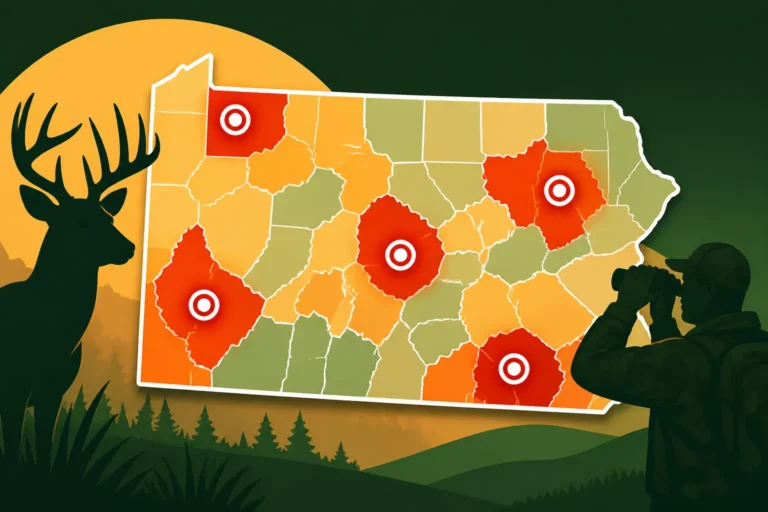
It’s truly a conservation success story. Pennsylvania is home to an incredibly robust and widespread black bear population. In recent decades, bear numbers have surged, expanding from their traditional strongholds in the north-central mountains to nearly every county in the Commonwealth. The PGC estimates that we have a healthy and growing population, with numbers often exceeding 20,000 bears statewide before the hunting seasons. This thriving population is a testament to effective management practices, including regulated hunting, habitat preservation, and public education.
This abundance means that opportunities for hunters are excellent, and it also contributes to the state’s ecological health. However, a growing bear population also means increased human-bear conflicts, particularly in more developed areas. The PGC balances the needs of the bear population with the concerns of landowners and residents, using hunting as a primary tool to manage numbers and distribution. If you're curious about the specifics of the population, our detailed post on How Many Pennsylvania Black Bears There Are can give you a better grasp of the numbers and their distribution across the state.
How Seasons Impact Bear Numbers
The various bear seasons aren't just about providing hunting opportunities; they are carefully crafted tools for wildlife management. The PGC uses hunting seasons to regulate bear numbers, control population growth, and influence the age and sex structure of the bear herd. By adjusting season lengths, opening specific WMUs for extended hunting, or even altering bag limits (though the limit is generally one bear per hunter per year), they can fine-tune the harvest to meet biological objectives.
For example, extended seasons in certain WMUs are often a direct response to higher bear densities in those areas, aiming to increase harvest pressure where it's most needed. The four-day statewide season, while intense, provides a broad opportunity to harvest a significant number of bears across the state. The data collected from mandatory bear check stations – like sex, weight, and age from tooth samples – is crucial. This information helps biologists understand the health of the population, reproductive rates, and how effective current management strategies are. It allows them to predict future population trends and make informed decisions about future hunting regulations. You can explore these trends and their impact in articles like Pennsylvania Bear Harvest Trends, which sheds light on how past seasons have influenced the bear population. It's a complex, data-driven process that ensures sustainable hunting for generations to come.
Dealing with Bear Encounters and Safety
Even if you’re a seasoned hunter, encountering a bear in the wild – especially a surprised one or a sow with cubs – can be an intense experience. Understanding bear behavior and knowing how to react safely is crucial, whether you’re actively hunting or just enjoying the outdoors. Bears are generally shy and will avoid humans, but situations can arise.
If you encounter a bear, remain calm. Never run, as this can trigger a chase instinct. Instead, stand your ground, make yourself look as large as possible (wave your arms, open your jacket), and speak in a firm, loud voice. Back away slowly, giving the bear plenty of space to retreat. Avoid direct eye contact. If a bear stands on its hind legs, it’s usually trying to get a better look or smell, not preparing to attack. In the rare event of a physical attack, especially if it’s a defensive mother with cubs or a predatory bear, fight back aggressively with anything you have. Carrying bear spray is a good idea in dense bear country, especially if you’re not actively hunting. When hunting, be aware of your surroundings, make noise as you move through thick cover (especially when still-hunting), and always assume there might be a bear nearby. Proper food storage at camp and being mindful of food scraps in your pack will also prevent unwanted close encounters.
Planning Your Pennsylvania Bear Hunt
A successful bear hunt isn't just about showing up with a license and a rifle. It's about meticulous planning, preparation, and knowing your hunting area inside and out. Without a solid strategy, you're mostly relying on sheer luck, and that's not a recipe for consistent success.
Scouting and Preparation
Before you even think about setting foot in the woods during season, you should be putting in significant scouting time. Bears are constantly on the move, and their patterns can shift with food availability and human pressure. Start your scouting long before the season opens – even in late summer or early fall. Look for fresh sign: scat, tracks (especially around water sources), rubs on trees, and overturned logs or rocks where bears have been foraging for insects. Identify primary food sources like oak stands (acorns!), beech groves (beechnuts!), or patches of wild berries.
Utilize mapping tools to identify potential travel corridors, bedding areas (often in thick, remote cover), and escape routes. Online mapping resources, like the Pennsylvania Game Commission’s own PGC Mapping Center, or commercial apps like GoHunt, can be invaluable for understanding terrain, property lines, and potential public access points. Pay attention to changes in elevation, saddles, and benches, as these are often natural funnels for wildlife. Don't be afraid to put boots on the ground, but also spend time studying aerial photos and topo maps from home. Understanding the lay of the land and how bears might use it will be your biggest asset. For more detailed advice on this, check out Scouting Pennsylvania Public Land Before Season.
Gear Essentials for Bear Hunting
Having the right gear for a Pennsylvania bear hunt can make all the difference, especially considering the diverse conditions you might encounter across the state’s varied terrain and unpredictable weather. Beyond your chosen firearm or bow, here are some essentials:
- Clothing: Layering is key. Temperatures can fluctuate wildly, especially during the fall. Opt for moisture-wicking base layers, insulating mid-layers (wool or synthetic), and a waterproof/windproof outer shell. Don't forget insulated gloves, a warm hat, and a neck gaiter. If you're planning on a late-season hunt, think about high-quality insulated outer garments to keep you warm during long, still sits.
- Optics: A good pair of binoculars (8×42 or 10×42) is essential for glassing distant clearcuts, identifying subtle movements in thick cover, or confirming a legal animal. A rangefinder is also crucial for precise shot placement, especially with a bow or if you anticipate longer shots with a rifle.
- Footwear: Pennsylvania terrain can be rugged and wet. Invest in waterproof, comfortable, and supportive boots with good ankle support. Rubber boots are excellent for scent control and slogging through wet areas.
- Backpack: A comfortable daypack is essential to carry your water, snacks, extra layers, first-aid kit, game bags, and knives. If you're planning a more ambitious hunt, or anticipating boning out a bear, a larger frame pack might be necessary.
- Navigation: Don't rely solely on your phone. Carry a GPS unit or a fully charged phone with a reliable mapping app (and downloaded offline maps), along with a compass and physical map as a backup.
- Field Dressing Kit: Sharp knives, a small bone saw, and game bags are essential for processing your bear. Warm weather early in the season means you'll need to cool the meat quickly.
- Hunter Orange: As mentioned, carry enough for the legal requirements of your specific season.
- Calls: Bear calls aren't as common as deer or turkey calls, but some hunters use distress calls (like a fawn bleat) to pique a bear's curiosity, though this is less common for big black bears.
For a comprehensive checklist and deeper insights into specific gear choices, our article on Bear Hunting Gear in Pennsylvania provides excellent guidance.
Connecting with Fellow Hunters and Resources
Don't underestimate the power of community and readily available resources. Hunting, especially for bear, can be a solitary pursuit, but connecting with other hunters can open doors to invaluable knowledge and shared experiences. Join local hunting clubs, participate in online forums specific to Pennsylvania hunting, or strike up conversations at your local sporting goods store. Seasoned bear hunters often have hard-won wisdom about local areas, bear behavior, and effective tactics that they're willing to share.
The Pennsylvania Game Commission is also your absolute best resource. Their website is a treasure trove of information, including the annual hunting digest, WMU maps, bear check station locations, and public land details. Don't be shy about calling your regional PGC office with specific questions. Furthermore, platforms like GoHunt not only provide detailed mapping layers for public and private land, but also often feature community forums and articles from experienced hunters, allowing you to tap into a wider network of knowledge. Building these connections and utilizing all available resources will not only enhance your bear hunting experience but also make you a more informed and ethical hunter.
Disclaimer
Please remember that hunting regulations, season dates, and license requirements are subject to change annually by the Pennsylvania Game Commission. While this guide provides comprehensive information, it is essential for all hunters to consult the most current official Pennsylvania Hunting & Trapping Digest, available on the Pennsylvania Game Commission website or from license issuing agents, before heading afield. This guide is for informational purposes only and does not supersede official PGC regulations.