Bear Hunting Gear in Pennsylvania
Bear hunting in Pennsylvania is an incredible experience, but it’s far from a walk in the park. The rugged terrain, unpredictable weather, and the sheer challenge of pursuing such an intelligent and powerful animal can test even the most seasoned hunter. Many folks find themselves frustrated by gear that fails in the rain, boots that can’t handle the endless mountains, or optics that don't cut it in the dense timber. This comprehensive guide is here to cut through the confusion and help you assemble a reliable gear setup specifically tailored for success in Pennsylvania's diverse bear country, ensuring you're prepared for whatever the hunt throws your way.
Navigating Pennsylvania's Bear Hunting Landscape and Seasons
Pennsylvania's bear hunting opportunities span a variety of seasons and landscapes, from the thick, mountainous Big Woods to the more open farm country edges. Your gear choices will heavily depend on where and when you plan to hunt, as well as the method you employ. It's not just about having a rifle; it's about having the right rifle and the right ancillary gear for the conditions you'll face.
Understanding Diverse Terrains and Weather
Pennsylvania boasts an incredibly varied landscape, and this diversity directly impacts your gear needs. If you're heading to the vast tracts of public land in the northcentral region – think places like the Sproul or Susquehannock State Forests – you're looking at steep climbs, dense timber, and remote hollows. Here, durable boots with excellent ankle support are non-negotiable, and your clothing needs to be able to handle sudden drops in temperature, often accompanied by rain or even early snow. The wind can whip through the ridges, and sun exposure can be intense on south-facing slopes, even in late fall.
Contrast that with hunting the more fragmented woodlots and agricultural fields of southern Pennsylvania. While the terrain might be less vertical, you'll still encounter thick brush, swamps, and creek bottoms. Mud can be a major factor, and you might find yourself crossing open fields, necessitating different considerations for camouflage and concealment. No matter where you are, Pennsylvania weather is famously fickle. A crisp, sunny morning can quickly turn into a cold, driving rain, or a mild November day can give way to a sudden snow squall. Layering is king here, and waterproof, breathable outer layers are essential to stay comfortable and focused on the hunt. For more insight on where these giants roam, check out Pennsylvania's Black Bear Population.
Key Hunting Methods: Still-Hunting and Drives
The primary methods for bear hunting in Pennsylvania are still-hunting and organized drives. Each requires a slightly different approach to gear. Still-hunting, where you slowly and quietly move through the woods, requires quiet clothing that won't rustle or snag on every branch. Every piece of equipment, from your backpack to your rifle sling, needs to be silent and snag-free. You're trying to melt into the environment, so anything that causes unnecessary noise or movement is a liability. Your optics need to be quick to deploy and offer good low-light performance for those shadowed timber patches.
Bear drives, on the other hand, often involve more robust movements, and hunters might be stationed as "posters" or actively pushing through cover. If you're a poster, you'll be sitting for extended periods, so warm, insulated clothing is crucial, as is a comfortable seat. Mobility is key for drivers, so lighter gear that doesn't restrict movement is often preferred, but it still needs to be durable enough to push through thick brush and briars. Communication is paramount on drives, making two-way radios an indispensable piece of kit. Consider reading up on Bear Drives in Pennsylvania for more tactical advice.
Seasonal Considerations for Gear Choices
Pennsylvania's bear seasons offer various windows of opportunity, each with its own set of gear implications. The early archery bear season in October means warmer temperatures, more foliage, and a greater emphasis on scent control and light, breathable clothing. You'll likely be dealing with higher humidity and the potential for warmer days, so managing sweat and staying cool is vital. Your bow setup needs to be pristine, and broadheads sharp, as shots can be up close and personal in thick cover.
As the calendar moves into November for the general firearms bear season, temperatures drop significantly, and the woods begin to open up. This is when serious layering comes into play, and waterproof outer shells become even more critical. Cold-weather boots, gloves, and hats are no longer optional. The late muzzleloader and extended bear seasons can bring truly frigid temperatures, deep snow, and ice. Here, extreme cold-weather gear, including specialized footwear and insulated clothing, is absolutely necessary for comfort and safety. Keeping a flintlock dry in these conditions also requires specific gear considerations, which we'll touch on later. Knowing Pennsylvania Bear Seasons and Licences is your first step in planning.
Firearms, Archery, and Muzzleloaders for Bear
Choosing the right weapon for bear hunting in Pennsylvania is a critical decision that balances power, accuracy, and legal requirements. Black bears are tough animals, and a clean, ethical harvest demands a firearm or archery setup capable of delivering sufficient energy.
Rifles: Caliber Selection and Performance
When it comes to rifles for Pennsylvania black bear, hunters generally lean towards calibers that offer a good balance of kinetic energy and manageable recoil, capable of putting down a large animal efficiently. Popular choices often include the .270 Winchester, .30-06 Springfield, .308 Winchester, and 6.5 Creedmoor. While many deer calibers can certainly take a bear, the key is bullet construction. You want a bullet designed for deep penetration and controlled expansion to reach vital organs through heavy muscle and bone. Soft-point or bonded bullets are generally preferred over frangible varmint-style rounds. A .30-06, for example, loaded with a 180-grain bullet, delivers plenty of punch for even the largest Pennsylvania bear.
Ranges in the dense Pennsylvania woods are typically short, often under 150 yards, though shots across clear-cuts or long power lines can extend further. This means pinpoint accuracy at these closer ranges is more important than extreme long-range capability. Focus on consistent groupings with your chosen ammunition. For a deeper dive into appropriate calibers, you might find Rifle Calibers for Pennsylvania Bear useful.
| Caliber | Common Bullet Weight (grains) | Typical Range (Yards) | Key Consideration |
|---|---|---|---|
| .270 Winchester | 130-150 | 150-250 | Flat trajectory, good for moderate ranges. |
| .308 Winchester | 150-180 | 100-200 | Compact, accurate, widely available ammo. |
| .30-06 Spring. | 165-180 | 100-250 | Classic, powerful, versatile for larger game. |
| 6.5 Creedmoor | 130-140 | 150-250 | Mild recoil, excellent accuracy, modern choice. |
| .45-70 Gov't | 300-405 | 50-150 | Heavy hitting, traditional, excels in thick cover. |
Shotguns and Specialized Regulations
In certain Wildlife Management Units (WMUs) or special regulations areas within Pennsylvania, shotguns loaded with slugs are the only legal firearm for bear hunting. It's absolutely crucial to check the specific regulations for the WMU you plan to hunt to ensure compliance. If you're in such an area, a reliable slug gun becomes your primary tool. Modern slug guns, especially those with rifled barrels and paired with sabot slugs, can offer surprising accuracy out to 100-150 yards.
Zeroing your slug gun at 50 or 75 yards is often sufficient for the close-quarters nature of these hunts. Just like with rifles, bullet construction for slugs is important. You want heavy, hard-hitting slugs designed for large game. Consider pairing your slug gun with a low-magnification scope or even a red dot sight for quick target acquisition in dense cover. Don't underestimate the power and effectiveness of a well-aimed slug from a properly set up shotgun.
Archery and Muzzleloader Setups for Extended Seasons
Pennsylvania offers an early archery season for bear in October, as well as a late muzzleloader season. These specialized seasons demand specific gear. For archery, a compound bow or crossbow with sufficient draw weight (check current regulations for minimums) and well-tuned arrows tipped with sharp, fixed-blade or mechanical broadheads are essential. Accuracy is paramount, and consistent practice is the only way to ensure you're ready for a close-range shot on a bear. Scent control is also more critical during the warmer archery season.
Muzzleloaders, particularly flintlocks, bring a traditional challenge and charm to bear hunting. During the late season, when temperatures can be brutally cold and snow is often on the ground, a reliable muzzleloader setup is key. Ensuring your flintlock is meticulously clean, using high-quality FFFg or FFg powder, and protecting your pan from moisture are all vital. Many hunters opt for patched round balls, while others prefer conical bullets for potentially greater impact. Remember, inline muzzleloaders have different legality depending on the season and WMU, so always confirm before heading out. Archery and Muzzleloader Bear Tactics can offer more specialized advice for these seasons.
Essential Optics for Locating and Confirming Bears
Optics are not just for deer hunting; they are indispensable tools for bear hunters in Pennsylvania. The dense woods and often challenging light conditions make it tough to spot a bear, let alone properly identify it and make an ethical shot decision. Good glass can be the difference between a successful hunt and a missed opportunity.
Binoculars for Scouting and Glassing
A quality pair of binoculars is your primary tool for scouting, glassing distant clear-cuts, or picking apart dense timber. For Pennsylvania bear hunting, a magnification of 8x or 10x with an objective lens of 42mm (8×42 or 10×42) strikes an excellent balance. This provides enough magnification to identify details without being too shaky for handheld use, and the 42mm objective gathers enough light for effective use in low-light conditions common at dawn and dusk. Look for binoculars with excellent light transmission, crisp edge-to-edge clarity, and robust, waterproof construction. Brands like Leupold, Vortex, or Nikon offer excellent options at various price points.
When still-hunting, your binoculars should be easily accessible, ideally in a bino harness that keeps them snug against your chest, preventing swinging and protecting them from bumps and scratches. This allows for quick, silent deployment when you spot movement or a potential bear crossing. Spending time glassing before a drive, or when set up on a stand, can help you locate a bear before it's too close to identify properly.
Rangefinders: Crucial for Ethical Shots
Given the robust nature of black bears, making an ethical shot means knowing the exact distance to your target. A rangefinder is an absolute must-have piece of gear, especially if you're using a rifle or bow. While many shots will be at relatively close range in the woods, judging distance accurately through dense cover can be incredibly difficult. A tree might look 50 yards away, but be 75, a critical difference for a clean shot.
Look for a rangefinder that is quick, reliable, and capable of ranging reflective and non-reflective targets (like a bear in shadows) out to at least 300-400 yards. Models with incline/decline compensation are particularly useful in Pennsylvania's steep terrain, as they provide a "shoot-to" distance rather than a straight-line distance, which is crucial for accuracy. Many newer rangefinders integrate into a single unit with binoculars, like some options from Vortex or Leupold, streamlining your gear setup and making them even more efficient.
Rifle Scopes for Low Light and Timber Shots
For rifle hunters, your scope needs to be robust, reliable, and perform well in low-light conditions. As mentioned, most shots in Pennsylvania timber will be at shorter to moderate ranges, so extreme magnification isn't necessary. A scope with a variable power range of 2-7x, 3-9x, or even 1-8x is generally ideal. This allows for a wide field of view on the low end for close-range, fast target acquisition, and enough magnification on the high end for more precise shots.
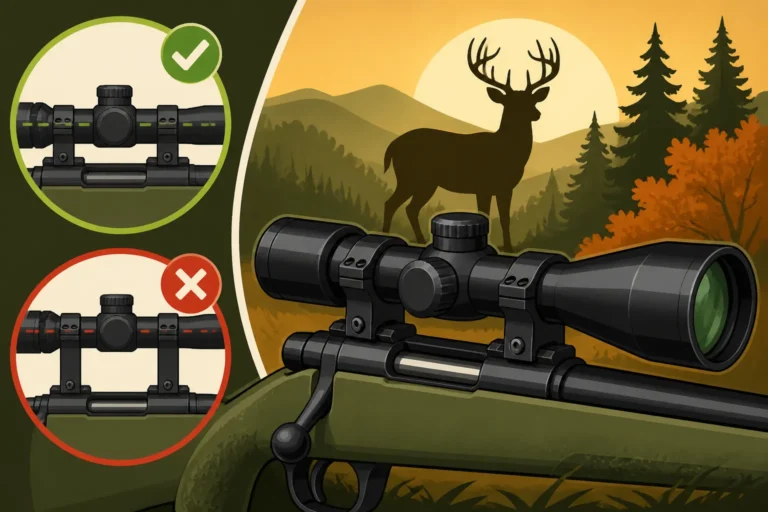
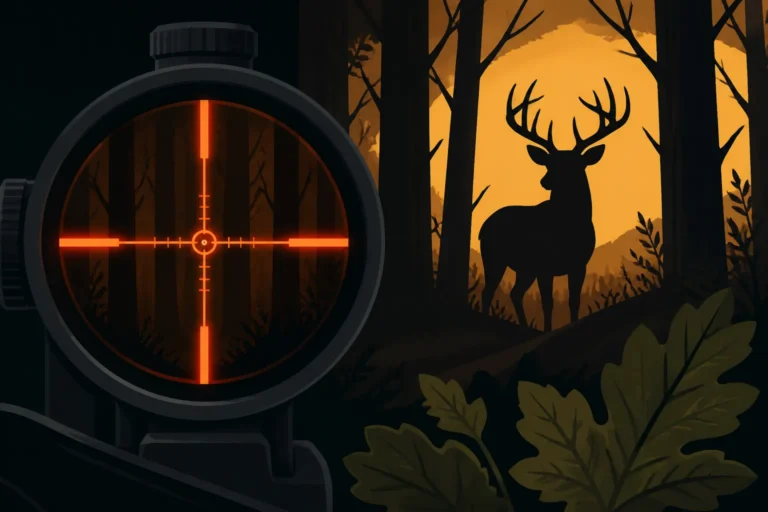
Excellent light gathering capabilities are critical for legal shooting hours at dawn and dusk. Look for scopes with large objective lenses (40mm or 42mm are common), high-quality glass, and good lens coatings. An illuminated reticle can also be a significant advantage in deep shadows or against a dark-colored bear, helping your eye pick up the aiming point quickly. Make sure your scope is securely mounted and has been zeroed precisely with your chosen ammunition. For more on selecting an appropriate optic, you can look at Rifle Scopes for Low-Light Timber.
Layered Clothing Systems for Comfort and Safety
Staying comfortable and safe in Pennsylvania's unpredictable bear hunting weather hinges on a well-thought-out layering system. Temperatures can swing wildly, and precipitation is always a possibility. Improper clothing can lead to discomfort, hypothermia, or even frostbite, distracting you from the hunt.
Base Layers: Managing Moisture and Temperature
The foundation of any good hunting clothing system is the base layer. Its primary job is to wick moisture (sweat) away from your skin, even when you're working hard climbing a mountain or pushing through thickets. Wet clothing loses its insulating properties quickly, making you cold. Synthetic materials like polyester or merino wool are excellent choices. Merino wool has the added benefit of being naturally antimicrobial, meaning it resists odor build-up – a big plus on multi-day hunts.
Choose a base layer weight appropriate for the season. Lightweight layers are great for warmer early archery hunts, while mid-weight or heavy-weight options are essential for the colder firearms and late seasons. Your base layer should fit snugly against your skin to be most effective at wicking moisture. Don't skimp here; a good base layer is an investment in your comfort and safety.
Insulation and Mid-Layers: Adapting to Cold
Above your base layer, you'll need insulation to trap body heat. This is where your mid-layers come in. Fleece jackets, puffy vests, or even heavier merino wool sweaters work well. The beauty of a layering system is its versatility: you can add or subtract layers as your activity level or the weather changes. If you're hiking uphill, you might shed a mid-layer to prevent overheating and sweating. Once you reach your stand or posting spot, you can quickly put it back on to stay warm.
Synthetics like PrimaLoft or Thinsulate offer excellent warmth-to-weight ratios and retain much of their insulating properties even when wet, which is a major advantage in damp Pennsylvania conditions. Down is fantastic for warmth but loses effectiveness when wet, so if using down, ensure it's protected by a waterproof outer shell.
Outerwear: Protection from Elements and Briars
Your outer layer serves as your shield against wind, rain, and the abrasive nature of thick cover. It needs to be durable, waterproof, windproof, and breathable. Look for garments made with Gore-Tex or similar proprietary waterproof/breathable membranes. A quiet face fabric is also crucial, especially for still-hunting, so you don't spook game with every movement.
For navigating Pennsylvania's dense undergrowth, briar-resistant pants or chaps can save your legs from countless scratches and tears. Consider an outer jacket with a hood that can be cinched down for added protection during heavy downpours. Pay attention to zippers and pockets; they should be easy to access, quiet, and waterproof to protect your essentials. For extreme cold, a heavier, insulated outer layer might be necessary, but always ensure it's still breathable enough to manage internal moisture.
Hunter Orange: Visibility Requirements
Hunter orange is a non-negotiable safety item during most of Pennsylvania's bear seasons. Specific requirements vary by season and method. For instance, during the general firearms bear season, hunters are required to wear a minimum of 250 square inches of fluorescent orange material on the head, chest, and back combined, visible 360 degrees. This rule applies even if you're hunting private land. During archery bear seasons, requirements might differ, so always double-check the latest regulations.
Your orange gear should be vibrant and clean, not faded, to ensure maximum visibility. This could be an orange hat, vest, or an orange outer jacket. While it might seem counterintuitive to wear bright colors when hunting, hunter orange is designed to be highly visible to other humans but virtually invisible to deer and bears, which are red-green colorblind. Prioritizing safety through proper hunter orange display is paramount. More details on the specific requirements can be found in Pennsylvania Hunter Orange Rules.
Footwear and Navigation: Conquering Bear Country
The sheer physical demands of bear hunting in Pennsylvania cannot be overstated. You'll be traversing steep, uneven terrain, crossing rocky streambeds, and pushing through dense thickets. Your feet are your primary mode of transportation, and good navigation skills are crucial for getting there and back safely.
Boots: Traction, Support, and Waterproofing
Your boots are arguably one of the most critical pieces of gear for bear hunting in Pennsylvania. They need to provide superior ankle support to prevent twists and sprains on uneven ground, excellent traction for slippery leaves, mud, and rocks, and be absolutely waterproof. A pair of well-broken-in, high-quality hunting boots is an investment that pays dividends in comfort and safety. Look for boots with aggressive lug patterns on the soles for maximum grip.
Insulation levels in your boots should match the season. For early archery, uninsulated or lightly insulated boots might be sufficient, focusing more on breathability. For late fall and winter seasons, 800-gram to 1200-gram insulation is often recommended to keep your feet warm during long periods of inactivity. Rubber boots can be excellent for scent control and waterproofness in wet, swampy areas, but they often lack the ankle support needed for steep mountain hunting. Leather or synthetic boots with a waterproof membrane are generally the most versatile choice. Don't forget quality wool socks to wick moisture and prevent blisters! If you're looking for recommendations, Boots for Pennsylvania Mountains is a great resource.
Packs: Carrying Essentials and Hauling Meat
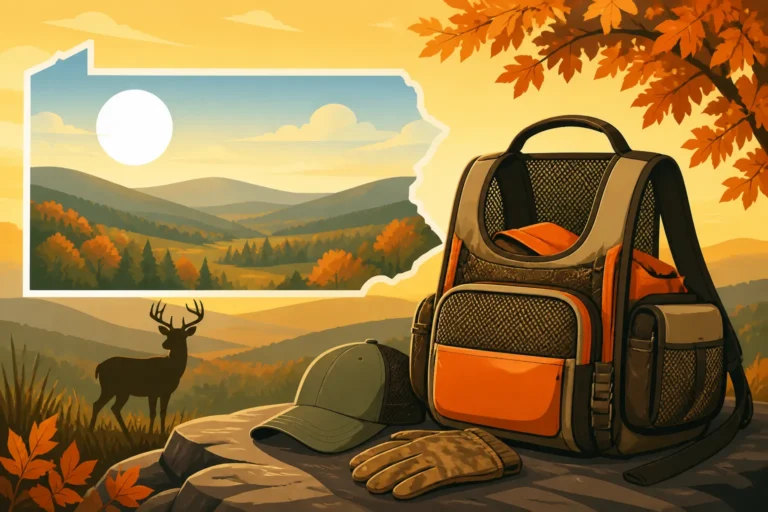
A reliable pack is essential for carrying your gear, food, water, and emergency supplies. For day hunts, a well-fitting daypack with a capacity of 1,500-2,500 cubic inches is often sufficient. It should be comfortable, allow for easy access to your essentials, and ideally have a quiet exterior fabric. Look for features like hydration compatibility, multiple pockets for organization, and comfortable shoulder straps and a hip belt to distribute weight.
If you anticipate a successful harvest, consider a pack that can also function as a meat-hauler, or a separate frame pack. Black bears are heavy, and getting one out of a remote hollow is an immense physical challenge. A sturdy frame pack allows you to debone or quarter the bear and carry it out in manageable loads, protecting your back. The ability to carry out meat is a critical consideration often overlooked until the moment of truth. Packs and Drags for Steep Ground dives deeper into these options.
Navigational Tools: Staying Found in the Wild
Getting lost in Pennsylvania's vast public lands is a very real concern, especially when pushing through unfamiliar territory or tracking a bear. Reliable navigation tools are non-negotiable. While a traditional compass and topographical map are excellent backups, most hunters today rely on GPS units or smartphone apps. Platforms like OnX Hunt, BaseMap, or similar offer detailed satellite imagery, property lines, and topographic maps that are invaluable for identifying terrain features, planning routes, and confirming your location. Some even allow you to mark waypoints, track your movement, and download maps for offline use, which is critical in areas with no cell service. GoHunt, a valuable resource for hunting information, often emphasizes the importance of digital mapping tools for pre-hunt scouting and in-field navigation.
Even with a robust digital system, always carry a physical map and compass and know how to use them. Batteries die, and electronics fail. A small power bank for your phone or GPS unit is also a smart addition. Pre-scouting your hunting area, understanding the lay of the land, and knowing your intended entry and exit routes will make you much more confident and safe in the field. This preparation is as important as the gear itself. GPS Units Versus Phone Apps discusses the pros and cons of different navigation tools.
Field Dressing and Retrieval Gear
The moments after a successful bear harvest are exhilarating, but they're also when the real work begins. Bears are large animals, and efficiently field dressing and retrieving them from the woods requires specialized gear and a solid plan. Being unprepared can lead to spoilage or an unnecessarily difficult, potentially dangerous, recovery.
Knives and Field Dressing Tools
A sharp, durable knife is the most crucial tool for field dressing any animal, and a bear is no exception. In fact, due to the bear's thick hide and often significant layer of fat, you might want to carry two knives or at least one with a blade that holds an edge exceptionally well. A fixed-blade knife with a 3-5 inch blade made from high-quality stainless steel is generally preferred for its strength and ease of cleaning. Consider a gut hook for making initial cuts without piercing internal organs, though a standard drop-point or clip-point blade works perfectly well with care.
In addition to your primary knife, a small bone saw can be incredibly useful, especially if you plan to quarter the bear for easier removal or need to split the sternum. Latex gloves are also a must for hygiene and to prevent direct contact with blood and other fluids. Some hunters also carry a small sharpening stone or portable sharpener to maintain a razor edge throughout the process. For options that stand up to the task, look into Field Dressing Knives Worth Carrying.
Bear Drags and Game Carts
Unless you're lucky enough to harvest a bear very close to a road, you're going to need a way to get it out of the woods. Bears are heavy, often well over 200 pounds, and sometimes exceeding 500 pounds. Dragging one manually, especially uphill or through thick brush, is a monumental task. A sturdy game cart can be a lifesaver on relatively flat or gently sloping terrain, or on old logging roads. Look for carts with large, pneumatic tires that can handle rough ground.
For steeper, more rugged terrain where a cart isn't feasible, a heavy-duty bear drag or sled becomes invaluable. These are typically made of durable, thick plastic that allows the bear to slide more easily over leaves, rocks, and snow. Always use strong ropes or straps to secure the bear and for pulling. If hunting with a group, a robust harness system can distribute the pulling effort among multiple hunters, making the retrieve much more manageable. Don't underestimate the effort involved; planning for retrieval is as important as the shot itself.
Cooling and Transporting the Harvest
Once the bear is field dressed, rapid cooling is essential, especially during warmer early seasons. Bear meat, like any game meat, can spoil quickly if not handled properly. If the weather is warm, getting the hide off and breaking the bear down into quarters can significantly aid in cooling. Large game bags made of breathable, robust material are excellent for protecting the meat from dirt, insects, and debris while allowing air circulation.
For transport, large coolers are indispensable. Have several on hand, pre-chilled with ice or ice packs. If you're processing the bear yourself, ensure the meat is completely cooled before packaging. If taking it to a butcher, get it there as quickly as possible. Remember that Getting a Bear to a Check Station is a legal requirement in Pennsylvania, often within a certain timeframe after harvest, and they will need access to the carcass. Plan your cooling and transport around these requirements. For warm weather hunts, consider ice or dry ice immediately in the body cavity after field dressing to help drop the core temperature. Coolers for an Early Archery Kill offers tips that apply equally well to bear.
Communication and Emergency Preparedness
Bear hunting, particularly in Pennsylvania's more remote Big Woods areas, can take you far from civilization and cell service. Being able to communicate with your hunting partners and having the necessary gear for unexpected emergencies are critical for your safety and peace of mind.
Two-Way Radios and Satellite Communicators
When hunting with a group, especially during bear drives, two-way radios are invaluable. They allow for instant communication, coordinating movements, and ensuring everyone knows where others are located. Look for robust, waterproof radios with good range, especially in hilly terrain. GMRS radios often offer a good balance of power and battery life for hunting applications. Clearly established communication protocols, such as check-in times or specific channels, should be discussed and agreed upon before the hunt. This is especially important when conducting Deer Drives With Three or Four Hunters, a tactic sometimes adapted for bear.
For solo hunters, or anyone venturing into truly remote areas without cell service, a satellite messenger or personal locator beacon (PLB) is a wise investment. Devices like Garmin inReach or Zoleo allow you to send and receive text messages via satellite, share your location, and most importantly, send an SOS signal to emergency services if needed. This can be a literal lifesaver if you suffer an injury, become lost, or face an unexpected survival situation. These devices offer a direct lifeline when cell phones are useless.
First Aid Kits and Survival Essentials
Every hunter should carry a well-stocked first aid kit, tailored to the specific risks of hunting. For bear hunting in rugged terrain, this means more than just a few band-aids. Your kit should include supplies for major bleeding (trauma dressings, tourniquets), severe cuts, sprains, blisters, and basic medications for pain or allergies. Ensure someone in your group knows how to use these items.
Beyond first aid, consider a small survival kit. This doesn't have to be elaborate, but should contain essentials like a fire starter (waterproof matches, lighter, ferro rod), a small emergency blanket, a whistle, a headlamp with extra batteries, a small length of rope or cordage, and a water purification method (filter, tablets). These items can make a huge difference if you get turned around or are forced to spend an unexpected night in the woods. Always tell someone your hunting plan, including your intended area and estimated return time, and check in when you're back safely. For a starting point, refer to First Aid Kits for Remote Big Woods.
Understanding Bear Behavior and Safety
While not strictly "gear," understanding bear behavior is a crucial aspect of safety when hunting them. Black bears are generally shy and avoid humans, but situations can arise where a bear might feel threatened, especially a sow with cubs. Carrying bear spray is a good idea, particularly if you're hunting in dense cover where close encounters are more likely. Know how to deploy it quickly and effectively.
Avoid approaching a wounded bear without extreme caution. A wounded bear can be incredibly dangerous. If tracking a wounded bear, move slowly, be alert, and be prepared for a defensive charge. Make noise as you move through thick cover to avoid surprising a bear. While bear attacks are rare, preparedness and awareness are your best defenses. Your most important piece of "gear" for safety is always your knowledge and judgment.
Pre-Season Preparation and Gear Maintenance
Successful bear hunting isn't just about showing up with the right gear; it's about meticulously preparing that gear and yourself long before opening day. A broken zipper, a dull knife, or unfamiliarity with your optics can ruin a hunt and even compromise safety.
Scouting and Gear Selection
Pre-season scouting is invaluable for bear hunting. Use tools like the Pennsylvania Game Commission's mapping center or private mapping apps like GoHunt to analyze aerial photos, identify potential bear travel corridors, bedding areas, and food sources. Understanding the terrain you'll be hunting helps you refine your gear choices. Are you going into steep, rocky areas that demand maximum ankle support from your boots? Or will you be in swampy bottoms where rubber boots might be better?
This pre-scouting phase also allows you to test your gear in conditions similar to what you'll encounter. Hike with your loaded pack, wear your full hunting attire, and get a feel for how it performs. Does your rain gear really keep you dry? Is your layering system adequate for sitting in the cold? Identify weaknesses in your gear long before you're deep in the woods on opening day. Remember, Scouting Pennsylvania Public Land Before Season is not just for deer.
Practicing with Your Equipment
No matter how expensive or high-quality your gear is, it's only as good as your familiarity with it. Practice extensively with your chosen firearm, bow, or muzzleloader. Know your effective range, practice quick target acquisition, and ensure your optics are crystal clear and properly zeroed. Don't just shoot from a bench; practice shooting from various positions you might encounter in the woods – standing, kneeling, off-hand.
Beyond your weapon, practice using all your critical gear. Can you quickly access your rangefinder, binoculars, or calls? Can you silently deploy your rain gear or add an insulating layer? Can you field dress an animal efficiently? If you're using a game cart, try pulling it loaded over uneven terrain. The more comfortable and proficient you are with your gear, the less you'll have to think about it in the moment of truth, allowing you to focus on the hunt itself.
Post-Hunt Gear Care
Proper care and maintenance of your gear after each hunt will ensure its longevity and reliability for seasons to come. Clean your firearms thoroughly, especially after exposure to moisture. Inspect your optics for dirt, smudges, or fogging, and clean them with appropriate lens cleaners. Wipe down knives and other tools, sharpening them as needed.
Wash your hunting clothing according to manufacturer instructions, paying attention to any specific care requirements for waterproof membranes or scent-control treatments. Inspect your boots for wear and tear, re-waterproof them if necessary, and ensure they are thoroughly dried to prevent mildew. Store your gear in a clean, dry place. Taking the time for proper post-hunt care ensures that your investment in quality bear hunting gear will continue to serve you well for many successful seasons in Pennsylvania's challenging, yet rewarding, bear country.
Disclaimer
This article is for general informational purposes only and does not constitute professional advice. Laws, prices and regulations vary by location and change over time. Consult a qualified professional for guidance on your specific situation.