Climbing Sticks for Pennsylvania Hardwoods
Trying to get your treestand silently and securely up a gnarly oak on a steep Pennsylvania ridge can feel like a monumental task, especially when you're battling thick undergrowth and uneven terrain. Many hunters struggle with bulky ladder stands or clumsy screw-in steps that damage trees and take forever to deploy. This guide is all about simplifying that process, showing you how climbing sticks can be the ultimate tool for navigating Pennsylvania's challenging hardwoods, offering both versatility and rock-solid stability for your elevated hunting setup.
The Unsung Heroes of Elevated Hunting in Pennsylvania Hardwoods
Pennsylvania's deer and bear hunting often takes you into some incredibly rugged country. We're talking steep mountainsides, dense stands of mature oaks, and a whole lot of mixed forests where the perfect tree isn't always next to a convenient logging road. This is where climbing sticks truly shine, transforming a daunting vertical ascent into a manageable, repeatable process. They offer a flexibility and stealth that other options just can't match, which is critical for successful hunting in our diverse landscape.
Why Sticks Trump Ladders in Tough Terrain
Traditional ladder stands, while comfortable once you're in them, are a nightmare to transport and set up in anything but the most accessible, flat terrain. Hauling a 15-foot ladder stand through a deep hollow or up a shale-covered slope is a non-starter for most solo hunters, or even a pair. Then there's the noise; the clanking of sections, the scraping against bark – it's enough to send every whitetail within a quarter-mile scurrying.
Climbing sticks, on the other hand, are designed for portability. They come in compact sections, often bundling together neatly, allowing you to strap them to a pack and hike deep into the backcountry with minimal fuss. This is especially true when you're targeting those elusive mature bucks that prefer the thickest, nastiest cover far from human disturbance. You can easily navigate blowdowns, rock formations, and dense laurel thickets, placing your stand exactly where you need it, rather than compromising for the sake of an easier setup. This means you can truly adapt your strategy to the specific deer sign you find, whether it's a hot scrape line on a bench or a fresh rub line along a creek bottom.
The Flexibility Factor for Mobile Hunters
In Pennsylvania, the most successful hunters often preach mobility. Whether you're tracking the rut in November or following shifting food sources in the late season, being able to pick up and move your setup quickly is a massive advantage. Climbing sticks are the cornerstone of a mobile hunting strategy. Instead of committing a heavy, permanent stand to one location for an entire season, you can move your sticks and stand within minutes, adapting to changing winds, fresh sign, or even shifting deer patterns in response to hunting pressure.
Imagine you've scouted a killer oak ridge for Hunting Oak Ridges and Benches, but a sudden change in wind makes your usual setup untenable. With climbing sticks and a lightweight stand, you can quickly relocate to the downwind side, adjust your entry and exit routes, and be hunting effectively by afternoon. This adaptability is invaluable, allowing you to maximize your time afield and capitalize on fleeting opportunities. Furthermore, for those who embrace saddle hunting, climbing sticks are an essential part of the system, providing the necessary steps to reach hunting height with maximum versatility. Saddle Hunting in Pennsylvania Oaks delves into this in more detail.
Decoding Climbing Stick Types and Features
The market for climbing sticks has expanded significantly, offering a range of options tailored to different hunting styles and budgets. Understanding the core differences in materials, attachment methods, and overall design will help you make an informed choice for your specific Pennsylvania hunting needs. It's not just about getting off the ground; it's about doing it efficiently, quietly, and safely.
Materials Matter: Aluminum vs. Steel
The primary material choice for climbing sticks typically boils down to aluminum or steel, each with its own set of pros and cons that directly impact performance in the field.
-
Aluminum Sticks: These are the darlings of the mobile hunting crowd, and for good reason. Aluminum is significantly lighter than steel, making it far more palatable to carry deep into the backcountry. When you're packing in a stand, sticks, and all your gear for a full day's hunt, every ounce counts. Lighter sticks mean less fatigue on the hike in, allowing you to remain fresher for the actual hunt. However, aluminum can sometimes be pricier than steel, and while incredibly strong for its weight, it can be more susceptible to bending or denting if severely mishandled or dropped onto rocks. They also tend to transmit sound more readily if components aren't properly silenced, so a little pre-season prep with tape or shrink wrap is often a good idea. For a long trek into Hunting Pennsylvania's Big Woods for Deer, aluminum is usually the preferred choice.
-
Steel Sticks: While heavier, steel climbing sticks offer exceptional durability and often come with a more budget-friendly price tag. If you're hunting closer to a vehicle access point or planning to leave sticks out for extended periods (where permitted, and with appropriate security measures), the weight penalty might be less of a concern. Steel is incredibly robust and can withstand more abuse than aluminum. The added weight also means they can feel a bit more stable during the climb for some hunters, though this is often negligible with proper technique. The trade-off is the extra muscle required to pack them in and out, which can be a significant deterrent if your hunting grounds involve steep climbs and long walks. They also have a greater potential for metallic clanking if not properly secured and silenced during transport.
Attachment Methods: Straps, Cams, and Chains
How your climbing sticks attach to the tree is paramount for both safety and stealth. Manufacturers have developed various systems, each with its own nuances.
-
Cam Buckle Straps: These are perhaps the most common and widely used attachment method. A strong nylon or polyester strap wraps around the tree and is secured by a cam buckle that cinches it down tight. They are generally fast to deploy, relatively quiet if handled with care, and offer a very secure hold when properly tensioned. The main challenge can be managing the excess strap once the stick is secured, which can dangle or flap if not tucked away. Some hunters also find the cam buckle itself can make a slight noise if not gently manipulated. They are highly adaptable to different tree sizes and shapes, which is a big plus in diverse Pennsylvania forests.
-
Rope/Daisy Chain Systems: Some manufacturers utilize a rope system, often incorporating a "daisy chain" of loops that allow for quick adjustments to tree diameter. These can be incredibly quiet if you master the technique, as there are no metal buckles to clank. The ropes often bite into the tree well, providing a very stable connection. The learning curve for efficient deployment might be slightly steeper than with cam buckles, but once you've got it down, they are very effective. They're also often very lightweight, contributing to an overall lighter packed system.
-
Cables/Chains: Less common on purely climbing sticks but sometimes seen on hybrid systems or older designs, cables or chains offer maximum durability. However, they are inherently noisier to deploy and can be more cumbersome to adjust to varying tree sizes. They are also generally heavier. Modern stick designs largely favor straps or rope for their combination of stealth, ease of use, and weight savings.
Design Varieties: Single, Double, and Stackable Steps
The design of the climbing steps themselves plays a huge role in your comfort, security, and efficiency while ascending and descending.
-
Single-Step Sticks: These sticks feature one step extending from the tree per section. They are often the lightest and most compact option, as there's less material. For hunters who prioritize minimal weight and have good balance, single-step sticks are excellent. They typically require a bit more leg strength and flexibility during the climb, as you're reaching further between steps. This style is popular with saddle hunters for its minimalist approach.
-
Double-Step Sticks: Offering a step on either side of the stick, these provide a wider, more stable platform for your feet. This can be more comfortable, especially for longer climbs or for hunters who prefer a more secure feel. They tend to be slightly heavier and bulkier than single-step designs but offer increased foot room and a more natural climbing posture. If you're using a full treestand and anticipate longer waits, the added comfort and stability of double steps can be beneficial.
-
Stackable/Nestable Designs: Many modern climbing sticks are designed to nest together or stack on top of each other, creating a compact bundle for transport. This is a crucial feature for keeping your pack streamlined and preventing sticks from snagging on branches or making noise while hiking. Good stackability is a feature to look for, as it greatly impacts the overall experience of carrying your setup through dense cover. Some advanced systems allow sticks to be connected end-to-end to create a longer, single unit before attachment, reducing setup time.
Choosing the Right Sticks for Your Pennsylvania Hunt
Selecting the perfect climbing sticks isn't a one-size-fits-all decision in Pennsylvania. Our diverse terrain, varied game species, and personal hunting styles all play a significant role. What works for a quick evening sit along a field edge might be entirely impractical for a dawn-to-dusk hunt deep in the Allegheny National Forest. Careful consideration of your typical hunting scenario will guide you to the best choice.
Matching Sticks to Your Hunting Style and Location
Think about where and how you spend most of your hunting time. Are you a highly mobile hunter, constantly relocating based on fresh sign and wind direction? Or do you prefer to establish a few key stand locations and hunt them repeatedly?
-
The Mobile Hunter: If you're constantly on the move, covering ground, and setting up new stands frequently – perhaps during the intense Hunting the Pennsylvania Rut in November – then lightweight, quick-deploying sticks are paramount. Aluminum sticks with efficient strap systems that stack tightly are your best friends. Every ounce matters when you're hiking miles over steep, broken terrain. The ability to pull sticks off your pack, quickly ascend, and then just as easily pull them down and move on is the core of this style. Platforms like GoHunt often have gear calculators that can help you compare the packed weight of different stick sets, which is invaluable for serious mobile hunters.
-
The Stand-All-Season Hunter: If you primarily hunt a few established spots, maybe on a private farm where you have permission, or on a less-pressured section of state game lands you've thoroughly scouted, then the absolute lightest sticks might not be your top priority. Durability could take precedence, perhaps even steel if the hike isn't extreme. Sticks that offer maximum stability and comfort for repeated climbs might be more appealing. You might even leave a set of sticks in place (again, check regulations and ensure security), which removes the packing challenge entirely after the initial setup.
-
Terrain Considerations: Hunting Entry Routes on Steep Ground means you'll appreciate sticks that are easy to deploy securely on leaning or uneven trees. If you're hunting smaller trees in regrowth areas, look for sticks with shorter strap sections or robust cam systems that cinch down tight on narrower diameters. Conversely, in mature timber, you'll need straps long enough to encompass massive oak and maple trunks.
Weight, Packability, and Noise Considerations
These three factors are intrinsically linked and represent a constant balancing act for any elevated hunter.
-
Weight: As discussed, aluminum generally wins the weight battle. A typical set of 3-4 aluminum sticks might weigh anywhere from 5-10 pounds, significantly lighter than steel alternatives. For a solo hunter carrying everything on their back, this weight difference translates directly into endurance and stealth. Less weight means you can push deeper, stay out longer, and approach your stand with less huffing and puffing.
-
Packability: This refers to how well the sticks integrate with your pack and your body. Do they stack neatly and securely? Do they have sharp edges or protruding steps that can snag on branches or dig into your back? A well-designed set of sticks will nest tightly, often with a dedicated strap or bungee system to hold them together, preventing any unwanted movement or noise during transit. This is crucial when you're still-hunting to your stand location or moving through thick cover, where every rustle can give you away. GoHunt's mapping features can sometimes highlight areas with dense cover, reinforcing the need for compact gear.
-
Noise: This is arguably the most critical factor. Deer have incredible hearing, and metallic clanking or scraping noises are alarm bells. When choosing sticks, look for features designed to reduce noise: rubberized coatings on steps, silent cam buckles, integrated strap management, and snug-fitting sections that don't rattle when bundled. Before your first hunt, take the time to "silence" your sticks. A little hockey tape, electrical tape, or even a specialized silencing wrap on metal-on-metal contact points, buckles, and excess strap can make a world of difference. Practice setting them up in your backyard, listening for any tell-tale sounds you can eliminate. The goal is to make your ascent and descent as quiet as a falling leaf.
| Stick Feature | Pros for PA Hunting | Cons for PA Hunting | Best Use Case |
|---|---|---|---|
| Aluminum Sticks | Lightweight, easy to pack, ideal for mobile hunting | Can be pricier, more susceptible to bending/denting | Deep backcountry, frequent stand changes, saddle hunting |
| Steel Sticks | Highly durable, generally more affordable | Heavier, less ideal for long hikes, potential for noise | Close to vehicle, semi-permanent setups, budget-conscious |
| Cam Buckle Straps | Quick, easy to deploy, secure | Can make minor noise, excess strap management needed | Versatile for most conditions |
| Rope/Daisy Chain | Very quiet, lightweight, secure | Steeper learning curve, can be slower to adjust | Stealth-focused, saddle hunters |
| Single-Step Design | Lightest, most compact, minimalist | Requires more balance/flexibility, less foot room | Ultralight setups, quick hunts, saddle hunting |
| Double-Step Design | More stable, comfortable, greater foot room | Slightly heavier/bulkier | Longer sits, hunters preferring wider platform |
| Stackable/Nestable | Streamlined transport, reduces snags and noise | Poorly designed ones can still rattle | Essential for any packed-in setup |
Mastering Safe and Silent Climbing Stick Deployment
Getting your sticks up isn't just about speed; it's about doing it safely and silently. A rushed or poorly executed setup can not only compromise your hunt but, more importantly, put you at serious risk. Pennsylvania's hunting safety rules are clear, and personal responsibility is paramount. Mastering your climbing stick deployment is a skill that takes practice and attention to detail.
Pre-Season Practice and Tree Selection
The time to learn how to use your climbing sticks is not opening day morning in the dark. Dedicated practice sessions in your backyard or a safe woodlot before the season even begins are crucial. Practice makes perfect, and more importantly, it builds muscle memory for safe, efficient, and quiet operation.
During these practice sessions, focus on:
- Tree Selection: Not every tree is suitable for a treestand or climbing sticks. Look for healthy, live trees free of dead limbs, significant rot, or insect damage. The trunk should be relatively straight and clear of branches to your desired height. Avoid trees that lean excessively or are too small to adequately support your weight and the stand. For larger trees in mature timber, ensure your straps are long enough. Consider the wind direction and thermals for your chosen tree, especially when hunting Wind and Thermals on a Ridge.
- Footing and Stability: Before you even attach the first stick, ensure the ground around the tree is stable and clear of loose rocks, roots, or anything that could cause you to slip or trip.
- Haul Rope Management: Practice using a haul rope to pull up your stand, backpack, and most importantly, your bow or firearm after you are safely secured in your stand. Never climb with equipment in your hands or strapped to your back, as it can throw off your balance and snag on branches. This is a non-negotiable safety rule.
- Safety Harness Deployment: Familiarize yourself with your full-body safety harness and how to connect it properly. You should be attached to the tree from the moment your feet leave the ground until they return. Many hunters use a climbing rope with prusik knots or a separate lifeline that allows them to remain tethered during the entire ascent and descent.
The Step-by-Step Setup: Safety First
Once you've selected your tree and practiced, the actual deployment requires a methodical approach.
- Clear Your Area: Remove any noisy leaves, sticks, or debris from the base of the tree. This will ensure a quiet approach and a clear workspace.
- Attach First Stick: With your safety harness on and tethered if using a continuous lifeline, attach the bottom-most stick. Place it low enough so you can easily step onto it, but high enough to clear most ground-level obstructions. Cinch the strap or rope tightly. Wiggle it to ensure it's secure. You should feel absolutely no movement.
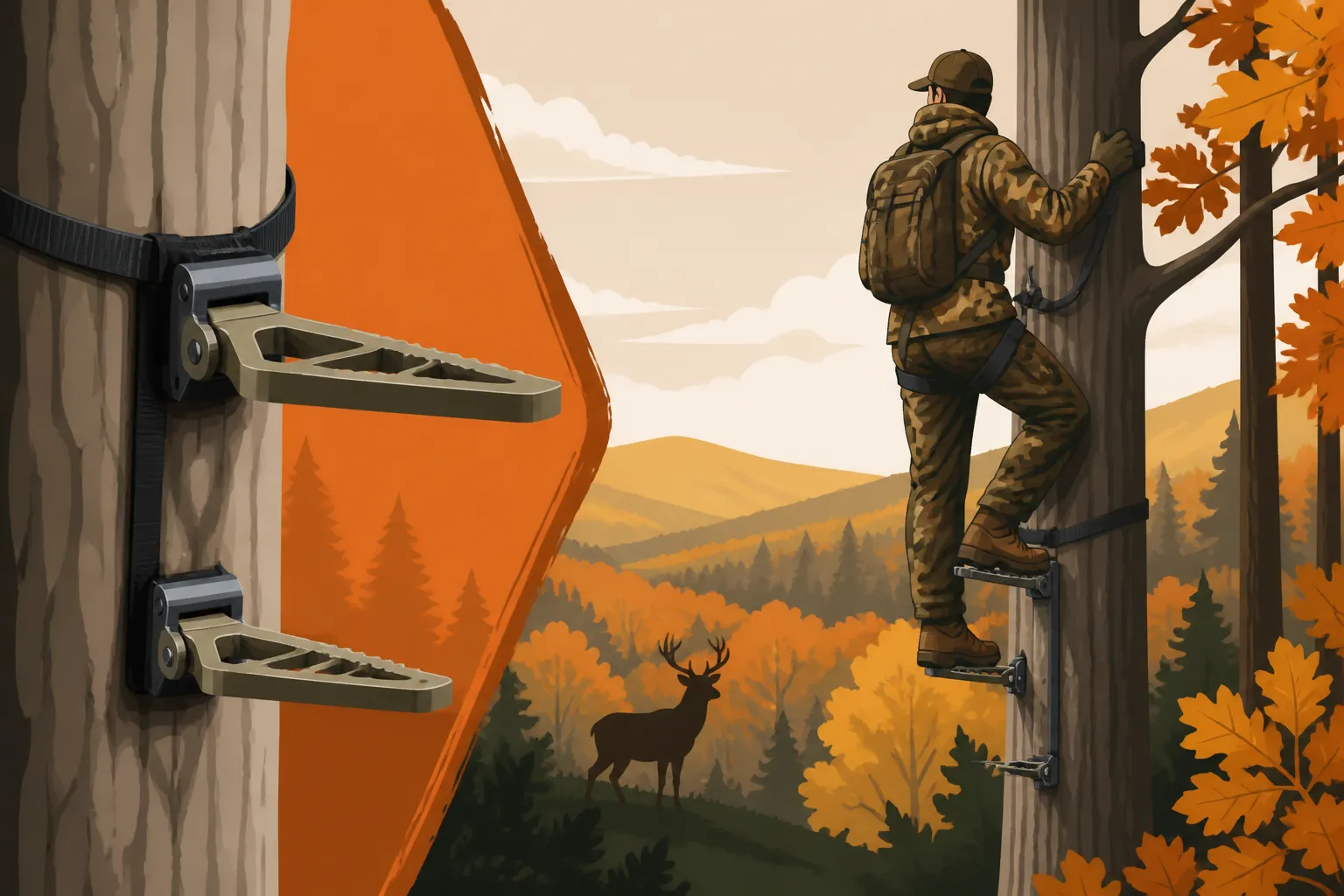
- Ascend and Attach Next Stick: Climb onto the first stick. While securely balanced, reach up and attach the second stick directly above the first. Ensure there's a comfortable, safe distance between sticks – usually about 20-24 inches, but adjust to your stride. Again, cinch it down tightly and test its stability. This process continues, one stick at a time, always testing for stability. Always maintain three points of contact (two hands and one foot, or two feet and one hand).
- Attach Treestand: Once you've reached your desired height and have enough sticks to comfortably step into your treestand, attach the stand. Secure it firmly to the tree according to the manufacturer's instructions.
- Connect to Stand: Before stepping into the stand, connect your safety harness tether to the tree or a separate tree strap at stand height. Then, slowly and carefully, step onto your treestand platform. Adjust your safety harness length so you can sit comfortably without slack, but also so you can stand without feeling restricted.
- Haul Up Gear: Now, and only now, use your haul rope to bring up your bow, firearm, and backpack. Make sure the firearm is unloaded and pointed safely towards the ground as it comes up.
Quiet Entry and Exit Strategies
Your climb to the stand is only part of the equation; how you get there and how you leave can make or break a hunt.
- Approach Routes: Plan your approach to your stand with stealth in mind. Use terrain features like creek beds, ditches, or ridge lines to mask your movement and sound. For example, when Reading a Pennsylvania Hollow for Deer, you might use the bottom of the hollow to mask your approach to a stand on the sidehill. Avoid walking over crunchy leaves or deadfall if possible. Scouting with tools like GoHunt can help you identify optimal, quiet routes to your stand.
- Silence Your Gear: Beyond the sticks themselves, ensure your backpack, clothing, and other gear are silent. Use quiet fabric, secure all zippers and buckles, and prevent anything from clanking. A rattling set of keys or a clinking water bottle can ruin an otherwise perfect entry.
- Pace Yourself: Rushing will lead to noise and potentially mistakes. Move slowly and deliberately, especially in the dark. Take shallow steps, test your footing, and listen. If you hear crunching, pause, assess, and adjust.
- Descent Strategy: The exit is just as critical as the entry. Descend slowly, reversing the steps you took to climb. Remain connected to your safety harness or lifeline until your feet are firmly on the ground. Once down, move away from your stand quietly, again using terrain to your advantage. Your goal is to leave the area undisturbed, making it appealing for future hunts. Headlamps for Walking Out in the Dark are essential, but use them sparingly to avoid alerting any deer.
Maximizing Efficiency and Longevity
Climbing sticks are an investment in your hunting success and safety. With proper care and smart integration into your overall hunting system, they can serve you reliably for many seasons. It's about getting the most out of your gear, making every hunt smoother, and ensuring your equipment stands the test of time against Pennsylvania's varied weather.
Integrating Sticks with Treestands and Saddles
Climbing sticks are rarely used in isolation; they are a critical component of an elevated hunting system. Their versatility makes them compatible with almost any portable stand or saddle setup.
- Treestand Compatibility: Most portable hang-on treestands are designed to be used with climbing sticks. The key is to ensure your sticks allow you to reach a comfortable standing height on your chosen stand platform, with enough room to maneuver and take a shot. The number of sticks you need will depend on the height of your chosen stand, your height, and the length of each stick section. Typically, 3-5 stick sections are sufficient to get to a hunting height of 15-20 feet, which is often ideal in Pennsylvania hardwoods to clear undergrowth and get above a deer's direct line of sight. Make sure to choose a hang-on stand that can be easily and quietly secured once you've reached your desired height.
- Saddle Hunting Synergy: For those embracing the ultra-mobile world of saddle hunting, climbing sticks are absolutely non-negotiable. They provide the primary means of ascent, with the saddle then allowing you 360-degree shooting angles around the tree. Saddle hunters often favor minimalist, lightweight single-step sticks to shave ounces and maximize mobility. The platform of the hang-on stand is replaced by a smaller, lightweight platform or ring for the feet. The synergy between climbing sticks and a hunting saddle offers unparalleled stealth and flexibility, perfect for tracking down a wary buck during the rut.
Year-Round Maintenance and Storage Tips
Just like your firearms and optics, climbing sticks require a bit of TLC to keep them in prime condition. Neglecting them can lead to unexpected issues in the field, which is the last thing you want when you're 20 feet up a tree.
- Regular Cleaning: After each use, especially if you've been out in wet or muddy conditions, wipe down your sticks. Dirt, mud, and grime can get into buckles, pivot points, or strap mechanisms, hindering their performance. A simple wipe-down with a damp cloth is usually sufficient. Avoid harsh chemicals that could degrade strap materials.
- Inspection for Wear and Tear: Before and after each season, thoroughly inspect every component of your sticks.
- Straps/Ropes: Check for fraying, cuts, nicks, or excessive wear. UV exposure and repeated cinching can degrade synthetic materials over time. If a strap looks compromised, replace it.
- Metal Components: Look for bends, cracks, deep scratches, or corrosion on aluminum or steel sections. Pay close attention to welds or pivot points. Any structural damage means the stick should be retired or professionally repaired.
- Buckles/Cams: Ensure they operate smoothly and securely. Clean out any debris that might prevent them from locking properly.
- Steps: Make sure steps are firmly attached and not loose or wobbly.
- Proper Storage: When not in use, store your climbing sticks in a cool, dry place, out of direct sunlight. Hanging them up in a garage or shed is ideal. Avoid leaving them exposed to the elements year-round, as this will accelerate wear and tear, especially on straps. If you leave sticks out in the woods for extended periods (again, verify local regulations and security measures), consider using camouflage covers or wrapping them to protect them from UV and weather.
Troubleshooting Common Stick Challenges
Even with the best sticks, you might encounter a few hiccups in the field. Knowing how to troubleshoot can save your hunt.
- Slipping Sticks: If a stick feels like it's slipping, it's almost always due to improper tensioning of the strap or rope. Get back down to a safe position, unattach, and re-attach, ensuring you cinch it as tight as possible. Sometimes, tree bark can be slick or irregular; try to find a spot where the strap can bite securely.
- Noisy Sticks: Rattling during transport usually means they're not bundled tightly enough. Use bungee cords, cam straps, or the stick's integrated bundling system to eliminate movement. Noise during deployment usually comes from metal-on-metal contact or loose buckles. Apply stealth tape or shrink wrap to any problem areas. Practice quiet deployment to minimize scrapes and bangs.
- Too Short/Too Tall: Sometimes you'll find the perfect tree, but your sticks don't quite get you to the ideal height, or they put you too high to comfortably step into your stand. This is where having modular sticks helps. If you have extra sections, you can add one. If you're too high, you might need to adjust your starting point lower or re-evaluate your target height. It’s also important to remember that some parts of Pennsylvania have Treestand Rules on Pennsylvania Game Lands that dictate how high you can place a stand.
- Dealing with Difficult Trees: Not all trees are perfectly straight. For slightly leaning trees, you can sometimes compensate by attaching the stick slightly off-center on the opposite side of the lean, using the strap to pull it straight. For trees with large knots or protrusions, try to place your sticks above or below them, ensuring the stick sits flush against the main trunk. Tools like the Pennsylvania Mapping Center or OnX Hunt can help you scout out the best trees with ideal characteristics from the comfort of your home, reducing surprises in the field.
Climbing sticks are a game-changer for hunting Pennsylvania's hardwoods. They offer unparalleled mobility, stealth, and flexibility, allowing you to access prime hunting locations that static setups simply can't reach. By understanding the different types, choosing the right ones for your style, mastering safe and silent deployment, and maintaining your gear, you'll be well on your way to more successful and enjoyable hunts in the Pennsylvanian wild.
Disclaimer
This article is for general informational purposes only and does not constitute professional advice. Laws, prices and regulations vary by location and change over time. Consult a qualified professional for guidance on your specific situation.