Headlamps for Walking Out in the Dark
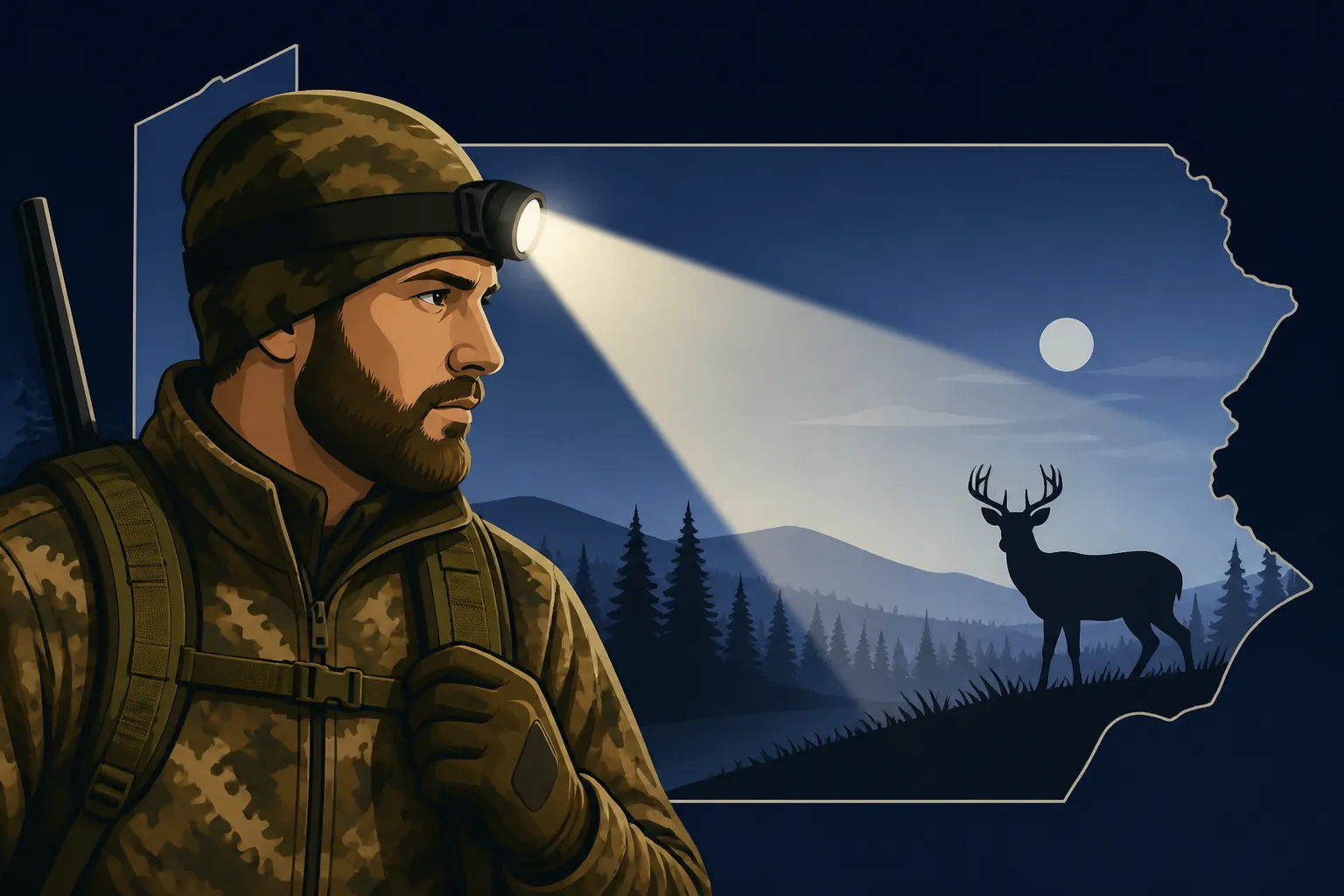
The sun dips below the ridge faster than you expect sometimes, leaving you fumbling for your pack in the fading light, still a good trek from the truck. Whether you're miles deep in State Game Lands or just a few hundred yards off a logging road, navigating the woods after dark can be surprisingly disorienting and even dangerous. This guide is all about helping Pennsylvania hunters choose the right headlamp and use it effectively to ensure a safe, confident walk back to camp or the vehicle, even when the stars are your only natural light.
Why a Reliable Headlamp is Non-Negotiable for Hunters
Every Pennsylvania hunter, from the seasoned veteran to the first-time mentored youth, knows the feeling: you're just about to pack up, convinced you have enough daylight, and then suddenly, the shadows lengthen, and the forest transforms into an entirely different, darker place. It's not just about seeing where you're putting your feet; it's about safety, efficiency, and preparedness. A quality headlamp isn't a luxury; it's a fundamental piece of gear.
Imagine the scenario: you've just made a great shot on a buck late in the afternoon. Now, the real work begins. Field dressing, tagging, and then the monumental task of Dragging a Deer Off a Pennsylvania Mountain. Doing any of that in the dark with a shaky phone flashlight or, worse, by memory, is a recipe for mistakes, accidents, and immense frustration. A headlamp frees your hands, giving you the ability to focus on the task at hand, whether it's navigating rocky terrain, avoiding fallen logs, or simply finding your way back along a familiar path that now feels utterly foreign.
Furthermore, a reliable headlamp is crucial for personal safety. Slips, falls, and twisted ankles are far more likely when you can't clearly see roots, rocks, or uneven ground. Beyond physical hazards, there's the psychological comfort of knowing you can illuminate your surroundings, whether it's to scan for approaching coyotes or simply to reassure yourself that you're on the right track. Many hunters find themselves still-hunting right up until legal shooting hours end, and a proper headlamp ensures that this pursuit doesn't turn into a perilous journey home.
The Dangers of Inadequate Lighting
Relying on a phone's flashlight might seem convenient in a pinch, but it's a poor substitute for a dedicated headlamp. Phones have limited battery life, are awkward to hold while trying to navigate uneven terrain, and their light beam is often too narrow or not bright enough for true woods navigation. Drops and accidental water damage are also a real risk for your primary communication device. We've all been there, trying to hold a phone in one hand while using a deer drag with the other, only to nearly trip over a root we couldn't see. It's not only inefficient but genuinely dangerous.
Think about the challenging conditions Pennsylvania often throws at us. A late-season hunt might mean Hunting Deer in Deep Pennsylvania Snow, where uneven drifts can hide treacherous footing. A fall turkey hunt could see you navigating thick, thorny regrowth in Hunting Pennsylvania Clearcuts and Regrowth. In any of these situations, having both hands free and a steady, bright beam exactly where you're looking can be the difference between a minor inconvenience and a significant injury. An inadequate light source can easily lead to getting turned around, especially when you're on public land like Hunting Pressure on Pennsylvania Game Lands where trails might be less defined off the beaten path.
Beyond Navigation: Essential Headlamp Uses
A headlamp's utility extends far beyond simply walking out. It's indispensable for various tasks once the sun sets. When you've harvested an animal, a good headlamp is essential for Field Dressing a Deer in Cold Weather or any other conditions. You need clear, focused light to make precise cuts, ensuring the meat is handled properly. It's also vital for thorough blood trailing if you're Tracking a Deer in Pennsylvania Snow or through thick cover, allowing you to pick up the faintest sign.
Consider setting up a treestand or ground blind in the dark before dawn. A headlamp allows you to work with both hands, safely attaching climbing sticks or brushing in your blind. If you're using a phone app like GoHunt for navigation or to mark waypoints, a headlamp provides the necessary light to see your screen without draining your phone's battery with its own flashlight function. Even back at camp, from cooking dinner to sorting gear, a headlamp becomes your personal spotlight, making every after-dark chore easier and safer.
Key Features to Light Up Your Path: What to Look For
Choosing the right headlamp isn't just about picking the brightest one on the shelf. While lumen count is important, it's only one piece of the puzzle. You need a headlamp that stands up to the rigors of Pennsylvania hunting, from damp mornings to frigid evenings, and that offers features that truly benefit a hunter. Durability, battery life, multiple light modes, and even specialized colors are all critical considerations that can make or break your experience in the field.
| Feature | Description | Hunter's Benefit |
|---|---|---|
| Brightness (Lumens) | How much light the headlamp emits (e.g., 50 to 1000+ lumens). | Higher lumens for long-distance spotting; lower for close-up tasks. Crucial for spotting hazards or blood trailing. |
| Beam Type | Spot (focused), Flood (wide), or Hybrid. | Spot for seeing far ahead on trails; flood for general awareness; hybrid for versatility. |
| Battery Life | How long the light lasts on various settings. | Essential for extended hunts or multi-day trips. Look for models with regulated output. |
| Battery Type | Rechargeable (internal, removable) or Disposable (AA/AAA). | Rechargeable for convenience, disposable for easy field swaps. |
| Red Light Mode | Emits a red light beam. | Preserves night vision, less disruptive to game (though debatable), great for camp tasks. |
| Water Resistance | IPX rating indicates protection against water. | Critical for hunting in rain, snow, or damp conditions common in Pennsylvania. Look for IPX4 or higher. |
| Durability | Construction materials, impact resistance. | Withstands drops, bumps, and general abuse of outdoor use. |
| Weight & Comfort | How heavy it feels on your head and strap design. | Lighter models are more comfortable for long wears; adjustable, soft straps prevent chafing. |
Power and Brightness: Finding Your Sweet Spot
When we talk about power, we're mostly talking about lumens. A typical hunting headlamp might range from 200 to 1000+ lumens. For simply walking a well-defined trail back to the truck, 200-300 lumens might suffice. However, if you're navigating rough terrain, blood trailing, or just prefer to see every root and rock, a higher lumen output, say 500-800, is incredibly helpful. Many headlamps offer adjustable brightness settings, which is ideal. You can use a lower setting to conserve battery on the easy parts and crank it up when you need to really scan the woods or pick apart a blood trail.
Consider the beam type as well. A "spot" beam is focused, cutting through the dark to illuminate objects far in the distance, perfect for looking down a long, straight logging road. A "flood" beam is wide and diffused, great for peripheral vision and close-up tasks like field dressing or setting up gear. Many modern headlamps offer a hybrid beam, or easily switch between spot and flood, giving you the best of both worlds. This versatility is incredibly valuable, allowing you to adapt to the specific situation without needing multiple lights.
Battery life is paramount. A high-lumen headlamp will chew through batteries faster. Look for models with efficient power management and a stated runtime for different brightness settings. Some headlamps now include a "regulated output" feature, meaning the light maintains a consistent brightness until the battery is nearly dead, rather than slowly dimming. For a Cold Weather Sitting Strategy that extends into darkness, having sufficient battery is critical. Don't forget spare batteries or a power bank if your headlamp is rechargeable.
Red Light and Durability: Hunter-Specific Needs
A red light mode is a feature many hunters swear by. While the science on whether deer actually see red light differently than white light is debated, red light unequivocally preserves your night vision. When you switch off a red light, your eyes adapt back to the darkness much quicker than after being exposed to bright white light. This is fantastic for scanning an area then quickly looking away to rely on your natural night vision. Red light is also less disruptive to other hunters and for subtle movements in camp. It's perfect for reviewing your GoHunt app for marked waypoints or topographical features without blinding yourself or your companions.
Durability and water resistance are non-negotiable for Pennsylvania hunting. Our weather can be fickle – a clear morning can turn into a damp, drizzly evening or even a full-blown snow squall. Look for an IPX (Ingress Protection) rating. An IPX4 rating means it's resistant to splashing water from any direction, which is generally good for rain. IPX7 means it can be submerged in up to 1 meter of water for 30 minutes, which is more than enough for most hunting conditions. Beyond water, your headlamp needs to withstand accidental drops, bumps against trees, and the general abuse that comes with being in a hunting pack. A robust casing and simple, reliable switches are key.
Beyond the Basics: Maximizing Your Headlamp's Performance
Having a great headlamp is only half the battle; knowing how to use it effectively and maintain it properly ensures it's always ready when you need it most. From battery management to understanding your environment, a few strategic practices can significantly enhance your safety and efficiency when hunting in Pennsylvania. It's about preparedness, not just possession.
Many hunters, myself included, have fallen victim to forgetting to charge a headlamp or replace batteries, only to find themselves stumbling in the dark. That feeling of dread as your light fades to a dim glow when you're still a half-mile from the truck, especially if you're trying to carefully navigate Entry Routes on Steep Ground or drag a deer, is something you only want to experience once.
Battery Management and Backup Lights
Battery management is perhaps the most crucial aspect of headlamp performance. Always start your hunt with fresh batteries or a fully charged unit. If your headlamp uses disposable batteries, carry a spare set in a dry, protected pouch in your pack. For rechargeable units, a small power bank is an excellent investment, allowing you to top up your headlamp (or even your phone with your GoHunt app) in the field. Test your headlamp before each trip, not just at the start of the season. Cold weather significantly reduces battery efficiency, so if you're out during Flintlock Season Tactics in Pennsylvania, expect your batteries to drain faster.
Furthermore, always carry a backup light source. A small, compact flashlight in a pocket or an extra headlamp in your pack provides a critical safety net. What if your primary headlamp takes a tumble and breaks, or you accidentally leave it at your stand? A backup ensures you're never truly stranded in the dark. This isn't just paranoia; it's smart hunting. You never know when you might need to extend your time in the woods, whether it's for a difficult recovery or a sudden change in plans.
Understanding Your Environment and Beam Focus
Your headlamp usage should adapt to your environment. In wide-open areas or on well-worn trails, a moderate flood beam might be all you need. But when you're in thick timber, navigating fallen trees, or trying to follow faint deer sign in Hunting Pennsylvania's Big Woods for Deer, you'll want to switch to a brighter spot beam or even a hybrid mode that gives you both distance and peripheral vision. The goal is to illuminate not just directly in front of you, but also your immediate surroundings to anticipate obstacles.
Using your headlamp in conjunction with a mapping app like GoHunt can be incredibly powerful. Before you even head out, you can mark your stand location, potential game trails, and your vehicle's parking spot. When you're walking out in the dark, illuminate your phone screen with your headlamp to check your position and ensure you're on the right path. This hands-free illumination is far more effective than trying to hold a phone and walk simultaneously. If you're Scouting Pennsylvania Public Land Before Season, marking key features will pay dividends when you're trying to find them in the dark.
Real-World Scenarios and Headlamp Best Practices
Let's consider a few common Pennsylvania hunting scenarios and how a well-chosen headlamp and good practices can make all the difference. Hunting often pushes us to the limits of daylight, and being prepared for the dark ensures the adventure doesn't turn into an ordeal.
The ability to move confidently and safely after legal shooting light is essential for recovering game, navigating challenging terrain, and simply getting home. Think about the variety of environments you might encounter – from the dense laurel thickets of the big woods to the briar patches along Hunting Pennsylvania Farm Country Edges. Each demands a slightly different approach to lighting.
Tracking and Recovery in the Dark
Picture this: you've shot a deer right at last light. It ran a short distance and bedded down, or perhaps you heard it crash. Now, the sun has vanished, and you're faced with a blood trail that's difficult to see even in daylight. This is where your headlamp truly earns its keep. For Blood Trailing After Dark in Pennsylvania, you need a bright, clean white light. Many hunters find that a lower, wider flood beam can actually make blood stand out better against leaves and dirt than a tight, high-intensity spot beam. A powerful red light, while great for preserving night vision, is generally not ideal for blood trailing, as it can make blood appear black or simply blend in.
Move slowly, methodically, and shine your light at different angles. Sometimes, a subtle sheen on a leaf or a drop on a blade of grass will only become visible from a specific angle. Having your hands free means you can part brush, mark the last spot with flagging tape, and maintain your balance as you move through rough terrain. Always be aware of your surroundings; in the excitement of a track, it's easy to get disoriented. Regularly check your GoHunt app or a physical map to maintain your bearing relative to your starting point and the direction you want to travel out.
Navigating Steep and Unfamiliar Terrain
Pennsylvania is renowned for its steep, rocky, and often unforgiving terrain, especially in areas like the Allegheny National Forest or many State Forest lands. Walking out of a deep hollow or off a steep ridge after dark, especially if you're carrying a heavy pack or an animal, can be treacherous. This is where a headlamp with a strong spot beam and good battery life is indispensable. You need to see far enough ahead to pick out a safe path, identify drop-offs, and anticipate loose rocks.
When descending steep grades, angle your head down slightly to cast the light further ahead of your feet, giving you more time to react to changes in the trail. Take it slow. Don't rush. If you're on truly unfamiliar ground, consider stopping frequently to scan your surroundings and confirm your route with your mapping device. Having both hands free to grab saplings or use trekking poles for balance is non-negotiable. Remember, safety comes first, even if it means taking a bit longer to reach the truck.
Avoiding Crowds and Maintaining Awareness
On popular public hunting lands, especially during busy seasons like Opening Day Crowds on Pennsylvania Game Lands, you might encounter other hunters walking out in the dark. A headlamp isn't just for your own visibility; it makes you visible to others. Make sure you're wearing adequate Pennsylvania Hunter Orange Square Inches even if it's technically after legal hunting hours. The light from your headlamp, combined with your orange, helps prevent accidental encounters.
While a bright white light is excellent for seeing, sometimes a lower setting or even the red light mode can be beneficial if you're trying to move stealthily or avoid drawing attention to yourself. However, always prioritize safety and visibility. If you hear other hunters or suspect someone is nearby, making your presence known with a short burst of white light or a verbal greeting is a good practice. Your headlamp is a tool for seeing, but also for being seen, and for general situational awareness whether you're alone or sharing the woods.
Disclaimer
This article is for general informational purposes only and does not constitute professional advice. Laws, prices and regulations vary by location and change over time. Consult a qualified professional for guidance on your specific situation.