Binocular Harnesses Worth Wearing
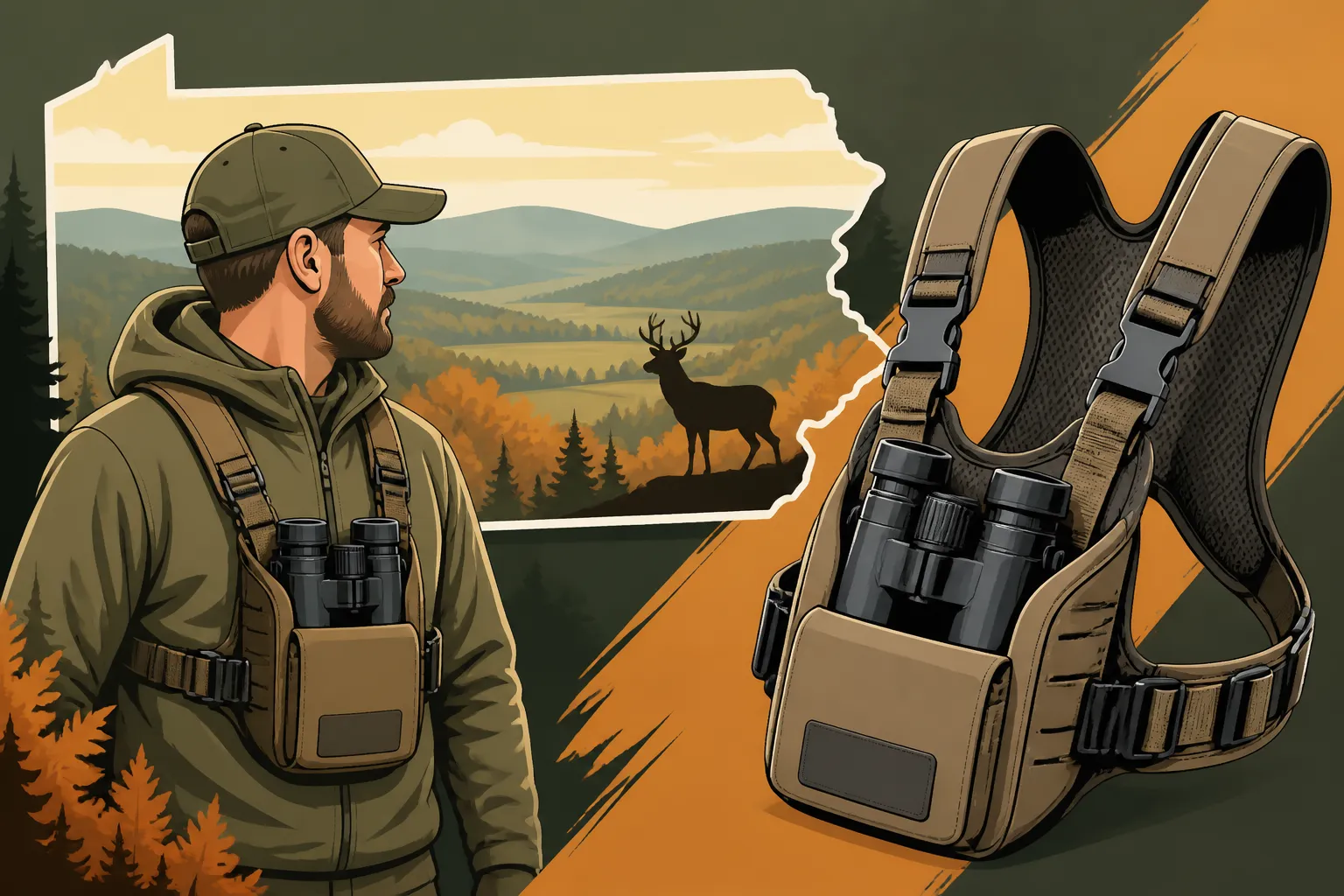
Many of us have experienced the annoyance of binoculars bouncing around our necks, getting tangled in brush, or simply being out of reach when that critical moment arises in the Pennsylvania woods. It's not just an inconvenience; it can mean missing a shot or spooking game. This guide dives deep into why a quality binocular harness is an essential piece of gear for any Pennsylvania hunter, helping you keep your optics secure, accessible, and protected, no matter the terrain or weather.
Why a Binocular Harness is a Game Changer for Pennsylvania Hunters
Let's be honest, hunting in Pennsylvania often means navigating challenging terrain, from dense rhododendron thickets to steep mountain ridges. The last thing you need is gear that hinders your movement or puts your valuable optics at risk. A well-designed binocular harness isn't just a luxury; it's a practical solution to several common frustrations we all face in the field.
The Frustration of Dangling Optics
Remember that time you were trying to still-hunt through a thick stand of mountain laurel, and your binoculars kept catching on every branch? Or worse, you’re trying to raise your rifle for a quick shot, and your binos are swinging wildly, getting in the way, and making noise? It’s not just annoying; it’s genuinely detrimental to a successful hunt. The constant weight on your neck, digging into your collarbones after hours of walking, can turn an enjoyable day into a chore, especially when you're focusing on Optics for Pennsylvania Timber Hunting for subtle movements.
Beyond the physical discomfort, dangling binoculars are a massive liability for stealth. Every step you take, they swing and bump, creating subtle noises that can carry surprisingly far in the quiet woods, especially during those crisp, still mornings of archery season. Your focus, which should be entirely on scanning for movement and sign, is instead split between your surroundings and trying to keep your optics from becoming an obstacle. This distraction can easily lead to missed opportunities, like failing to spot that buck slipping through the thick hemlocks on State Game Lands.
And let's not forget safety. When you're navigating steep, rocky terrain in the Allegheny National Forest, or crossing a slippery log over a swollen creek, you need both hands free and your balance unimpeded. A swinging pair of binoculars can throw you off balance, especially if they snag on something. Having them securely strapped to your chest allows for full range of motion and keeps your hands free for climbing, bracing, or handling your firearm safely. It's a small detail that can make a huge difference when you're far from the truck, trying to get into that perfect spot for Hunting Pennsylvania's Big Woods for Deer.
Protecting Your Investment from the Elements and Terrain
Let's be honest, quality binoculars are an investment. Whether you're running a top-tier pair or a more budget-friendly option, they represent a significant chunk of your hunting gear budget. Exposing them constantly to the elements – rain, snow, dirt, and dust – without proper protection is like leaving your rifle out in the rain without wiping it down. A good harness isn't just about carrying; it's about safeguarding that investment, extending its lifespan, and ensuring clear viewing when you need it most. Imagine the disappointment of pulling up your binos to glass a distant ridge only to find the lenses caked with mud from a recent fall.
Pennsylvania weather is notoriously unpredictable. One minute it's a beautiful, crisp autumn day, the next you're caught in a sudden downpour or a swirling snow squall. Many quality binocular harnesses offer a protective, often water-resistant, cover or flap that completely encases your optics. This acts as a crucial barrier against moisture and debris, keeping your lenses clean and clear. There’s nothing worse than trying to locate a wild turkey on a rainy morning only to have your binoculars fogged or spotted with water, obscuring your vision. This protection is especially vital during the late archery season or the Pennsylvania's Two-Week Firearms Deer Season when conditions can be harsh.
Beyond the weather, the physical demands of hunting in Pennsylvania can be tough on gear. Bumping against tree trunks, scrambling over blowdowns, or even an accidental fall can severely damage unprotected binoculars. The shock absorption and snug fit provided by a harness minimize these impacts. Instead of your optics swinging into a tree or clattering against rocks, they're held tight against your body, absorbing much of the abuse. This dramatically reduces the risk of cracked lenses, misaligned prisms, or a broken focus wheel – all common ailments of binoculars that have taken one too many knocks. It's a key part of your strategy for making your gear last through years of Binocular Choice for Pennsylvania Whitetails.
Key Features to Look for in a Quality Harness System
Not all binocular harnesses are created equal. Just like buying a good hunting boot, understanding the features that truly matter can make all the difference in your comfort, efficiency, and ultimately, your success in the field.
Comfort and Adjustability for Long Days
Comfort is paramount when you're spending hours, sometimes entire days, in the field. A poorly designed harness will quickly become a nuisance, digging into your shoulders or chest, and pulling awkwardly. Look for harnesses with wide, padded shoulder straps that distribute weight evenly across your upper back and shoulders, rather than concentrating it on your neck. The difference in comfort on a long trek through the thick mountain country of north-central Pennsylvania can be night and day, especially when you're wearing it over your layers as part of your Cold Weather Sitting Strategy.
Every hunter's body is different, so adjustability is key. A good harness should offer multiple adjustment points – usually at the shoulders and around the chest/waist – allowing you to achieve a custom, snug fit. This ensures the binoculars sit high and tight against your chest, preventing excessive bouncing and movement. You want to be able to cinch it down when you're hiking vigorously up a steep incline, and perhaps loosen it slightly for a comfortable sit in a Treestand Setups in Pennsylvania Hardwoods. Look for designs that allow you to fine-tune the fit for various body types and layering systems throughout the hunting year.
Consider the materials. Breathable, moisture-wicking fabrics on the straps can prevent chafing and discomfort, especially on warmer early season hunts or during strenuous climbs. Robust, durable materials for the main compartment ensure longevity, standing up to the snags and abrasions of thick cover. You're looking for a balance between ruggedness and comfort, something that can handle the grit of the Pennsylvania woods while still feeling good against your skin, even after a full day of hunting. Many premium brands, like those often reviewed by GoHunt, focus heavily on this balance.
Secure Storage and Quick Access
The primary function of a harness is to keep your binoculars safe yet readily available. There's a delicate balance here: too much protection can make access slow, potentially costing you that fleeting glimpse of a distant buck. Too little protection means your optics are still vulnerable. A top-tier harness offers a main compartment that fully encloses the binoculars, often with a quiet, magnetic, or simple buckle closure. This allows for silent, one-handed operation – a critical feature when you need to quickly glass a movement without drawing attention to yourself.
Silence is golden in the woods. Zippers that loudly snag, Velcro that rips, or buckles that clank can instantly blow your cover. Many dedicated hunting harnesses are designed with quiet operation in mind, using magnetic closures or silent, durable fabrics. When you're Still-Hunting Pennsylvania Big Woods and every rustle counts, the ability to open your bino harness without a sound is invaluable. This attention to detail sets quality harnesses apart from general-purpose pouches and can be the difference between tagging out or going home empty-handed.
Beyond the main flap, look for additional internal retention straps or bungees that keep your binoculars from falling out if the main flap accidentally opens, or if you lean over quickly. This provides an extra layer of security, particularly important when navigating treacherous ground or when you're focused on Reading a Pennsylvania Hollow for Deer. Some designs even incorporate a tether system that keeps your binoculars attached to the harness even when removed from the main compartment, preventing accidental drops. This added peace of mind is invaluable, especially when you're maneuvering in tight spaces.
Additional Storage and Modularity
A good binocular harness often goes beyond just holding your optics. Many designs incorporate small, zippered pockets on the front, sides, or bottom. These are perfect for carrying essential items you need quick access to without digging through your main pack: a wind checker, a grunt tube, an extra broadhead, your hunting licence, or even a small map. Think about the convenience of having your Grunt Calls in Mature Timber right there on your chest, ready to deploy the moment a gobbler answers your call.
Some harness systems are designed to be modular, allowing you to attach additional pouches or accessories. This can be incredibly useful for customizing your setup based on the hunt. Maybe you want a small rangefinder pouch for archery season, or a GPS pouch for navigating unfamiliar State Game Lands. This flexibility means your harness can adapt to different hunting scenarios and seasons, making it a truly versatile piece of gear. Brands like GoHunt often offer various accessory pouches that integrate seamlessly with their harness systems, letting you carry exactly what you need without overpacking.
For firearms hunters, consider if the harness system is compatible with a chest holster for a sidearm, if that's part of your setup. This is less common but can be a feature for those who carry a handgun for backup or for dispatching game. The goal is to consolidate frequently used items on your chest for maximum efficiency and minimal movement, reducing the need to constantly reach into your Packs for a Day on Game Lands for small essentials, thereby keeping your focus where it needs to be – on the hunt.
Top Considerations for Different Hunting Styles in Pennsylvania
The Pennsylvania hunting landscape is diverse, offering opportunities from sprawling public forests to intimate farm country plots. Your binocular harness should complement your chosen hunting style, enhancing your capabilities rather than hindering them.
Still-Hunting and Spot-and-Stalk Scenarios
When you're actively creeping silently through the timber, or executing a careful spot-and-stalk on a distant ridge, stealth and freedom of movement are your absolute top priorities. For these styles, a low-profile harness is usually best. You want something that hugs your body, doesn't snag on brush, and offers silent access to your binoculars. Minimizing bulk and weight is crucial, as every ounce adds up when you're covering miles of rugged ground in the mountains. You're looking for a harness that feels like an extension of your body, not an added burden, fitting comfortably under a light jacket or just over a base layer.
The moment you spot a flicker of movement or a subtle deer shape, you need to bring your binoculars to your eyes without any fumbling or noise. Harnesses with magnetic closures or very quiet buckles shine in these situations. The ability to pull your binos out with one hand, glass, and then quietly return them is a huge advantage. Avoid anything that requires two hands to operate or makes a loud 'snap' when opening or closing. During the critical moments of a silent stalk, that small detail can be the difference between success and a spooked deer.
The thick undergrowth and thorny briars of Pennsylvania's mixed forests can be brutal on gear. A harness for still-hunting should be made of rugged, tear-resistant material that can stand up to constant abuse. Reinforced stitching and durable zippers (if present) are also important. The last thing you want is a ripped pouch halfway through your hunt, leaving your expensive optics exposed to the elements or potentially lost. Consider the exterior finish as well; a soft, quiet material will be less prone to making noise against your clothing or rubbing branches.
Treestand and Blind Hunting
For hunters who spend extended periods perched in a treestand or tucked away in a ground blind, comfort takes on a slightly different meaning. While still-hunters need freedom of movement, stand hunters prioritize ergonomic design that remains comfortable even when sitting motionless for hours. Look for harnesses that don't bunch up or create pressure points when you're seated, especially when paired with a safety harness. Wide, well-padded shoulder straps are still important, but also consider how the harness integrates with your existing layers and other gear, ensuring there's no interference or awkward layering.
From a treestand, you might not be constantly on the move, but you still need rapid, silent access to your binoculars. The ability to grab your binos, glass a distant field edge or a deer trail, and then return them to the harness with minimal movement is key. Some harnesses feature designs that allow the main compartment to pivot slightly, making it easier to access when you're sitting. This can be a huge benefit when you’re trying to spot a legal buck amidst the early morning fog or the late evening shadows, without shifting too much and revealing your position to that wary whitetail.
Treestand hunting often means enduring the full brunt of the elements, from frigid winds to freezing rain. A harness with excellent weather sealing is a major plus here, ensuring your optics remain clear and functional no matter how bad the weather turns. Furthermore, the pockets and modularity become even more valuable. Having a wind checker, call, a small flashlight, or even a snack readily available on your chest means fewer large movements to rummage through your pack. This improves your overall hunting efficiency and helps maintain your focus on the hunt during those long hours.
Upland Bird and Small Game Hunting
Upland bird hunting for grouse or Hunting Stocked Pheasants in Pennsylvania, and small game pursuits like squirrel or rabbit hunting, involve a lot of walking, often through dense cover. For these active hunting styles, a lightweight, unobtrusive harness is ideal. You don't necessarily need the heavy-duty protection of a big game harness, but you still want your binoculars secured and out of the way. The priority here is minimal bulk and freedom for fast movements, especially when swinging a shotgun at a flushing bird.
Upland hunters often wear vests or specialized coats with many pockets for shells, game, and other gear. Your binocular harness needs to integrate seamlessly with this attire. Ensure the straps won't interfere with your shotgun mount or create uncomfortable layering with your vest. Simpler, more streamlined designs often work best, providing just enough retention without being overly bulky. The goal is to have your binoculars accessible for spotting a distant bird or scanning for rabbit sign, without hindering your ability to shoulder your firearm quickly and safely.
While not as critical for identifying specific antler points, binoculars are still incredibly useful for upland and small game. They help you scan a distant field edge for pheasants, pinpoint squirrels in the canopy, or locate a downed bird. Therefore, quick, easy access remains important. A minimalist harness that keeps optics secure against your chest but can be deployed and stowed rapidly without fuss is a strong contender. You might even find some GoHunt options that are designed with a lighter footprint specifically for these types of hunts, prioritizing agility and comfort for miles of walking in the thick stuff.
Maintaining Your Binocular Harness for Longevity
Investing in a quality binocular harness is a smart move, but like any piece of hunting gear, it needs proper care to ensure it serves you faithfully for seasons to come. A little preventative maintenance goes a long way in keeping your harness functional and your optics protected.
Cleaning and Care Tips
Just like any other piece of critical hunting gear, your binocular harness needs regular cleaning to ensure it performs optimally and lasts for many seasons. After a long, muddy hunt in the Pennsylvania woods, dirt, sweat, and debris can accumulate. A simple routine involves wiping down the exterior with a damp cloth to remove surface grime. For deeper cleaning, especially on fabric components, follow the manufacturer's recommendations, but generally, a mild soap and water solution is sufficient. Avoid harsh chemicals that could degrade the fabric or compromise water-resistant coatings.
Proper drying is crucial to prevent mildew, especially if your harness gets soaked during a rainy hunt. Always allow your harness to air dry completely, preferably in a well-ventilated area, out of direct sunlight. Never machine dry it, as excessive heat can damage materials and cause shrinkage. Once dry, store your harness in a cool, dry place, away from extreme temperatures and pests. Hanging it up, rather than stuffing it into a gear bag with other equipment, helps maintain its shape and prevents straps from getting tangled or creased. This care helps keep your harness quiet and functional for years.
Pay close attention to the buckles, zippers, and magnetic closures. Dirt and grit can impair their function. Use a small brush or compressed air to clean out any debris from these mechanisms. Lubricate zippers if they start to stick, using a silicone-based lubricant. For magnetic closures, ensure they are free of metallic dust or particles that could weaken their hold. A quick inspection and cleaning of these crucial components after each season can prevent frustrating failures in the field next time you're out Scouting Pennsylvania Public Land Before Season for new hunting spots.
Assessing Wear and Tear
Before each season, or periodically throughout the year, give your binocular harness a thorough inspection for signs of wear and tear. Pay close attention to all stitching, especially where straps connect to the main pouch. Frayed threads or loose stitching are red flags that could indicate a potential failure point. Inspect the straps themselves for any cuts, abrasions, or thinning of the material, particularly around adjustment buckles where friction can occur. Minor wear can sometimes be reinforced, but significant damage might mean it's time for a replacement to ensure your Boots for Pennsylvania Mountains and other gear are equally reliable.
Check the integrity of the fabric, looking for holes, tears, or areas where the material has become thin. These spots can compromise the protection offered to your binoculars. If your harness is designed to be water-resistant, test its performance by gently spraying it with water. If water is soaking in rather than beading up, the DWR (durable water repellent) coating might need to be refreshed with a spray-on treatment, or the fabric itself could be failing. This is particularly important for those wet, raw days during late season hunts when the weather can turn quickly.
Many harnesses incorporate elastic components, either for retention straps or to provide a snug fit. Over time, elastic can lose its stretch. Check these areas to ensure they still offer adequate tension and support. Finally, examine all plastic or metal hardware – buckles, D-rings, and sliders – for cracks, bends, or excessive wear. A broken buckle won't just be annoying; it could render the harness unusable or put your binoculars at risk. Proactive inspection helps ensure your harness is always ready for whatever the Pennsylvania wilderness throws at you, season after season.
| Feature / Style | Still-Hunting / Spot-and-Stalk | Treestand / Blind Hunting | Upland / Small Game |
|---|---|---|---|
| Profile | Low, streamlined | Mid to Low | Minimal, very low |
| Access | Quick, silent, one-handed | Silent, easy while seated | Fast, unhindered |
| Comfort | Even weight distribution, no chafing | Ergonomic for sitting, no pressure points | Lightweight, flexible |
| Protection | Rugged, impact-resistant | Excellent weather sealing | Basic, snag-resistant |
| Storage | Minimal, essential quick-access items | Dedicated pockets for frequent use | Very minimal, focus on freedom |
| Material | Quiet, durable, tear-resistant | Weather-resistant, comfortable | Lightweight, breathable |
| Key Benefit | Stealth, unhindered movement | Sustained comfort, organized access | Agility, unobtrusiveness |
Choosing the right binocular harness is far more than just picking a fancy strap; it's about enhancing your hunting experience in Pennsylvania, protecting your valuable optics, and ensuring you're always ready for that critical moment. From the rugged peaks of the Allegheny Mountains to the dense thickets of State Game Lands, a well-chosen harness provides comfort, security, and quick access, letting you focus on the hunt itself. Invest wisely, care for your gear, and you'll find that a quality binocular harness quickly becomes one of your most trusted companions in the field, helping you spot more game and enjoy every moment outdoors.
Disclaimer
This article is for general informational purposes only and does not constitute professional advice. Laws, prices and regulations vary by location and change over time. Consult a qualified professional for guidance on your specific situation.