Climbing Sticks for Rough Bark
Navigating the dense, often challenging terrain of Pennsylvania's hunting grounds means facing down everything from thick briars to steep hillsides, and when it comes to treestand hunting, some of the biggest obstacles aren't on the ground at all. Trying to get quietly and safely into a stand on a mature oak or gnarled maple, especially those with rough, uneven bark, can feel like an impossible task, threatening both your safety and your precious early morning stealth. This guide is all about tackling that specific challenge, showing you how to choose and effectively use climbing sticks built to conquer even the roughest bark Pennsylvania trees throw at you.
Why Rough Bark Matters for Treestand Access
Anyone who's spent time hunting the Pennsylvania hardwoods knows that our trees aren't always cooperative. We're not talking about perfectly smooth, uniform trunks you might find in some managed forests. Here, you're dealing with character – character that makes climbing a genuine puzzle, and sometimes, a real hazard.
The Challenges of Bark Texture
Think about some of our iconic Pennsylvania trees: the deep, ridged furrows of a mature white oak, the shaggy plates of a hickory, or the thick, flaky bark of a black gum. These aren't just aesthetic features; they pose significant challenges when you're trying to ascend to your treestand. A lot of standard climbing methods, like screw-in steps, can struggle to find purchase in such irregular surfaces. The steps might twist, bite into the bark unevenly, or worse, completely fail to hold, leading to a terrifying slip.
Even when they do hold, the act of screwing them in or attempting to climb directly can be incredibly noisy. Imagine it: it's pre-dawn, and every rustle, every scrape of metal against bark, every groan of wood echoes through the quiet woods. That deer you're hoping to ambush has ears that pick up on the slightest unnatural sound, and they'll be long gone before shooting light. Beyond the noise, there’s the damage. Constantly screwing into a live tree, especially if you're trying to force a step into a bad spot, isn't great for the tree itself. We want to be responsible stewards of the land, and that means minimizing our impact.
Safety and Stealth in Pennsylvania Hardwoods
In Pennsylvania, whether you're hunting State Game Lands or a private woodlot, safety and stealth are two sides of the same coin when it comes to treestand hunting. You need to get up the tree, get set, and be ready to hunt well before legal shooting light, often in pitch black conditions. This means every step you take, every piece of gear you deploy, needs to be as quiet and secure as possible.
Rough bark can turn a simple climb into a dangerous acrobatic act. Slipping on an uneven step or having a foot miss its mark because of a gnarled patch of bark is a recipe for a fall. And a fall, even from a relatively low height, can lead to serious injury, especially when you’re carrying hunting gear in the dark. This is why a secure, dependable climbing system is non-negotiable. Furthermore, deer, especially mature bucks, become incredibly wary of human activity as the season progresses. If your entry and exit routes aren't whisper-quiet, you're essentially alerting every deer in the area to your presence. Investing in climbing sticks that grip effectively and silently on challenging bark is an investment in your safety and your success. After all, what good is a perfect stand location in Treestand Setups in Pennsylvania Hardwoods if you spook every deer on your way up?
Features of Climbing Sticks Designed for Rough Bark
Thankfully, manufacturers have recognized the struggles hunters face with difficult trees and have developed climbing sticks with specific features to address rough bark. It’s not just about getting off the ground; it’s about doing it securely, quietly, and efficiently.
Advanced Attachment Systems
The real magic in climbing sticks for rough bark lies in their attachment systems. Gone are the days of relying solely on flimsy chains or basic ropes that slip and slide. Modern sticks employ a variety of sophisticated methods to ensure a rock-solid connection to the tree.
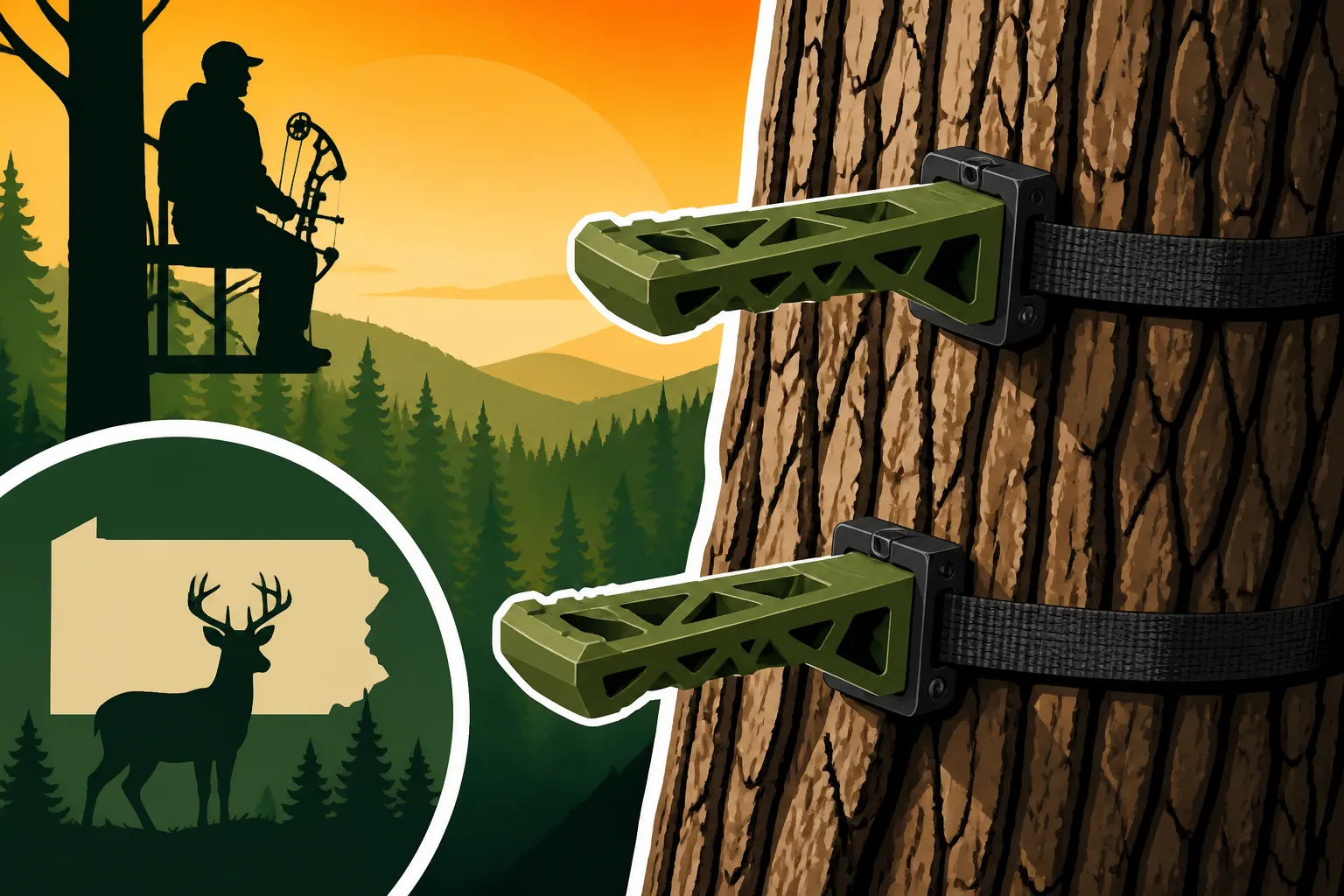
Many popular models utilize cam-buckle straps, often with a rubberized or textured backing, that grip the bark tightly without digging in or causing damage. When you pull the strap taut and engage the cam buckle, it applies even pressure, conforming to the tree's contours. Other systems might use a robust ratchet mechanism, which provides incredible tightening power, ensuring there's absolutely no play once secured. Some innovative designs even feature a combination of strap and "V-bracket" that helps the stick pivot slightly to find the most secure purchase on irregular trunks. The key is that these systems distribute the force across a wider area of the bark, preventing concentrated pressure points that might cause slipping. This also means you don't have to crank down with superhuman strength, making setup easier and quieter. The ease and security of attachment are paramount, especially when you're trying to set up quietly in the dark for an early morning hunt in a key area like Hunting Oak Ridges and Benches.
Stand-Off Design and Bark Clearance
Another critical feature that often gets overlooked is the "stand-off" distance. This refers to how far the climbing stick's steps project away from the tree trunk. For hunters dealing with thick, uneven bark, a generous stand-off is a game-changer. Without sufficient clearance, your boots, especially those heavy insulated ones you wear for Cold Weather Sitting Strategy in late season, will constantly scrape against the bark as you ascend. This not only creates irritating noise that can ruin your hunt but also makes climbing awkward and potentially unsafe.
A good stand-off allows your entire boot to get a solid purchase on the step, preventing your heel or toe from bumping into the tree. This is especially important for hunters with larger feet or those wearing bulkier cold-weather gear. It also provides a much-needed handhold, allowing you to grip the stick itself for added stability as you climb. Some sticks even have a slight inward angle on the steps, designed to create a more natural climbing posture and keep your body closer to the tree while your feet remain clear. This combination of clearance and thoughtful step design significantly improves both the safety and comfort of your climb, even on the gnarliest of Pennsylvania's big woods timber.
Durable Materials and Grip
When you’re relying on climbing sticks to get you safely dozens of feet off the ground, their construction materials and overall durability are absolutely vital. You need gear that can withstand the abuse of repetitive setups, harsh weather, and the general wear and tear of hunting in rugged environments.
Most high-quality climbing sticks are constructed from aircraft-grade aluminum. This material offers an excellent strength-to-weight ratio, meaning the sticks are robust enough to support you and your gear safely, yet light enough to carry deep into the woods without becoming a burden. The welding points and connection hardware are equally important; look for clean, strong welds and heavy-duty bolts or pins that won't loosen or corrode over time. Beyond the structural integrity, the grip on the steps themselves is crucial. Many feature a textured powder coat or aggressive serrations that bite into the sole of your boot, providing traction even when wet, muddy, or icy. This prevents slips that could lead to injury. Think about that chilly, damp November morning when a layer of frost coats everything – you need confidence that your feet will stay put. Robust construction and superior grip on the steps are non-negotiable for safe and effective climbing, ensuring your gear stands up to the demands of a full Pennsylvania hunting season.
Setting Up and Using Climbing Sticks on Gnarly Trees
Having the right climbing sticks is only half the battle. Knowing how to properly set them up and use them effectively on those challenging, rough-barked trees is what truly makes a difference for a safe and successful hunt.
Pre-Season Scouting and Site Selection
The work of a successful treestand hunt begins long before opening day. Pre-season scouting is absolutely paramount, especially when you're dealing with difficult climbing conditions. Don't just pick a tree because it's in a hot deer sign area; evaluate its climbability. Look for trees that are healthy, sturdy, and free of obvious defects like large dead branches that could break.
While you're certainly aiming for trees with good cover and strategic visibility, also pay attention to the bark. Sometimes, even on a rough-barked species, you can find a section of trunk that's a bit straighter or has less aggressive texture. Plan your stick placement around these areas. Identify potential obstacles like large knots or branches that might interfere with your ascent or the stand-off of the stick. This detailed reconnaissance, often done while Scouting Pennsylvania Public Land Before Season, allows you to anticipate problems and select the best possible tree for your setup, maximizing both your safety and your hunting advantage. A little extra time on the ground can save you a lot of grief (and noise) when it's dark and cold.
Best Practices for Installation
Once you've picked your tree, the installation of your climbing sticks needs to be methodical and safe. Always, and I mean always, use a lineman's belt when installing sticks and attaching your treestand. This keeps you securely connected to the tree at all times, preventing falls.
Start by attaching your first stick low enough to comfortably step onto from the ground. Ensure it's level and, using your chosen attachment system, tighten it securely to the tree. Give it a good tug and try to shift it side-to-side to confirm it's rock solid. Rough bark can sometimes make it harder to get that initial bite, so you might need to adjust the strap or the stick's angle slightly to achieve maximum purchase. As you ascend, work your way up, attaching each subsequent stick. A common technique is to stagger them slightly, either left-right or by height, to create a more natural climbing motion. Make sure each stick is tightly secured before putting your full weight on it. Remember, these sticks are designed to work with rough bark, but they still need to be installed correctly. Pay attention to how they grip, making micro-adjustments if needed. Getting your Treestand Setups in Pennsylvania Hardwoods right, especially on public land where Treestand Rules on Pennsylvania Public Land often require semi-permanent stands to be removed, means efficient, safe setup.
Maintenance and Longevity
Your climbing sticks are a significant investment in your hunting safety and success, especially when you're pushing them to their limits on Pennsylvania's rough-barked trees. Proper maintenance isn't just a nicety; it's essential for their longevity and, more importantly, your continued safety.
After each hunt, especially if it's been a wet or muddy day, take a moment to inspect your sticks. Check the straps, buckles, and any other attachment hardware for signs of wear, fraying, or corrosion. Mud, dirt, and bark debris can get packed into cam buckles or ratchet mechanisms, hindering their ability to lock securely. Give them a quick brush-off or wipe down. Over time, sunlight and exposure to the elements can degrade straps, so always be on the lookout for any weak spots. Before storing them for the off-season, give them a thorough cleaning and a dry place to rest. Consider applying a silicone spray to any moving parts to prevent rust and keep them operating smoothly. By taking care of your climbing sticks, you ensure they'll be ready and reliable for many seasons to come, allowing you to confidently climb those challenging trees, even when you're heading to a prime spot like Reading a Pennsylvania Hollow for Deer.
Choosing the Right Climbing Sticks for Pennsylvania Terrain
With a growing number of options on the market, selecting the ideal climbing sticks can feel overwhelming. It comes down to balancing several factors: how far you typically hike, the type of trees you hunt, and your budget.
Weight, Packability, and Portability
Pennsylvania's hunting grounds often demand that we cover significant distances on foot, sometimes carrying a substantial amount of gear. This makes the weight and packability of your climbing sticks a critical consideration. If you're planning on deep woods hunts where Entry Routes on Steep Ground are the norm, every ounce counts. Lighter sticks, often made from advanced aluminum alloys, can make a huge difference in your energy levels by the time you reach your setup.
Many manufacturers design their sticks to "nest" together or stack compactly, minimizing their bulk and making them easier to carry on your pack without snagging on brush. Some even offer carry systems or bags that keep the sticks quiet and secure during transport – crucial for maintaining stealth on the walk-in. Conversely, if you're setting up a more semi-permanent stand closer to a road or ATV trail, a slightly heavier, more robust stick might be acceptable. Consider how you typically transport your gear, whether you use a pack, a deer cart (though not always suitable for all terrain), or simply carry them by hand. Resources like GoHunt can be invaluable here, offering detailed specifications and reviews that help you compare the true carry weight and dimensions of various climbing stick models, enabling you to choose an option that truly suits your hunting style and the rugged demands of Pennsylvania's diverse landscapes.
Height Requirements and Section Count
One of the most common mistakes hunters make is not bringing enough climbing sticks to reach their desired treestand height. It’s a frustrating situation to be halfway up a tree and realize you’re short a section or two. Before you buy, consider the average height you like to hunt at. Many hunters prefer to be 15-25 feet up for better visibility and scent dispersal, especially when hunting during the Hunting the Pennsylvania Rut in November.
Climbing sticks typically come in sections ranging from 20 to 32 inches each. Calculate how many sections you’ll need to safely reach and then step into your treestand. Remember to account for the stand's platform height and how much overlap you need between the top stick and the stand itself. It’s almost always better to carry one extra stick than to be one short. If you find yourself frequently hunting taller trees, investing in a set that offers a greater total length or buying an additional single stick might be wise. This foresight ensures you're never caught off guard and can always reach that crucial vantage point, whether you're performing a Hanging a Stand on an Oak Bench or setting up for a saddle hunt.
Comparing Attachment Methods
The attachment method is arguably the most important feature when selecting climbing sticks for rough bark. Here's a comparison of common systems:
| Attachment Method | Pros | Cons | Best for Rough Bark? |
|---|---|---|---|
| Cam-Buckle Strap | Easy to adjust, quick to install, often quiet. Rubberized backs grip bark well. | Can slip if not tightened very securely. Straps can wear over time. | Excellent. Provides even pressure and flexibility for irregular surfaces. |
| Ratchet Strap | Extremely secure, provides immense tightening force, minimizes movement. | Can be noisy to engage the ratchet. Can potentially over-tighten and damage smaller trees if not careful. | Very Good. Superior grip for heavily textured or loose bark once tightened. |
| Rope Attachment | Very quiet to install. Flexible and lightweight. | Can be slower to tie securely. Requires specific knot-tying skills. Less forgiving on bark texture. | Good. Works, but may require more finesse and re-tensioning compared to straps. |
| Chain System | Extremely durable, no stretch or wear like fabric straps. | Can be very noisy if not managed carefully. Heavier. Less conforming to irregular bark. | Fair to Poor. Can slip on rounded or heavily gnarled bark; better on straighter trunks. |
| Integrated V-Bracket/Hybrid | Combines features of straps with a specialized bracket to "hug" the tree, improving stability. | Often proprietary to specific brands, may have higher cost. | Excellent. Specifically designed to find purchase on difficult, irregular trees. |
For hunting in Pennsylvania, where you'll encounter a wide variety of bark types – from the deeply furrowed oaks and hickories to the smoother maples and poplars – cam-buckle straps and advanced hybrid systems with V-brackets or specialized tree-huggers tend to be the most versatile and effective. They offer a great balance of security, quiet operation, and adaptability to uneven surfaces. When researching options, consider looking up reviews on hunting forums or even on a site like GoHunt to see what other hunters specifically say about how different sticks perform on challenging trees. This real-world feedback can be incredibly helpful in making an informed decision.
Disclaimer
This article is for general informational purposes only and does not constitute professional advice. Laws, prices and regulations vary by location and change over time. Consult a qualified professional for guidance on your specific situation.