Upland Vests and Blaze Orange
Chasing upland birds across Pennsylvania's diverse landscapes is an incredible experience, but it also presents unique challenges. You've likely experienced the frustration of an ill-fitting vest digging into your shoulders, or struggling to find your license while a flushed pheasant sails away. Worse, there's always the nagging worry about visibility in dense cover. This guide is here to help you navigate the often-confusing world of upland vests and blaze orange, ensuring you're comfortable, safe, and fully prepared for those memorable days afield.
The Non-Negotiable Necessity of Blaze Orange in Pennsylvania
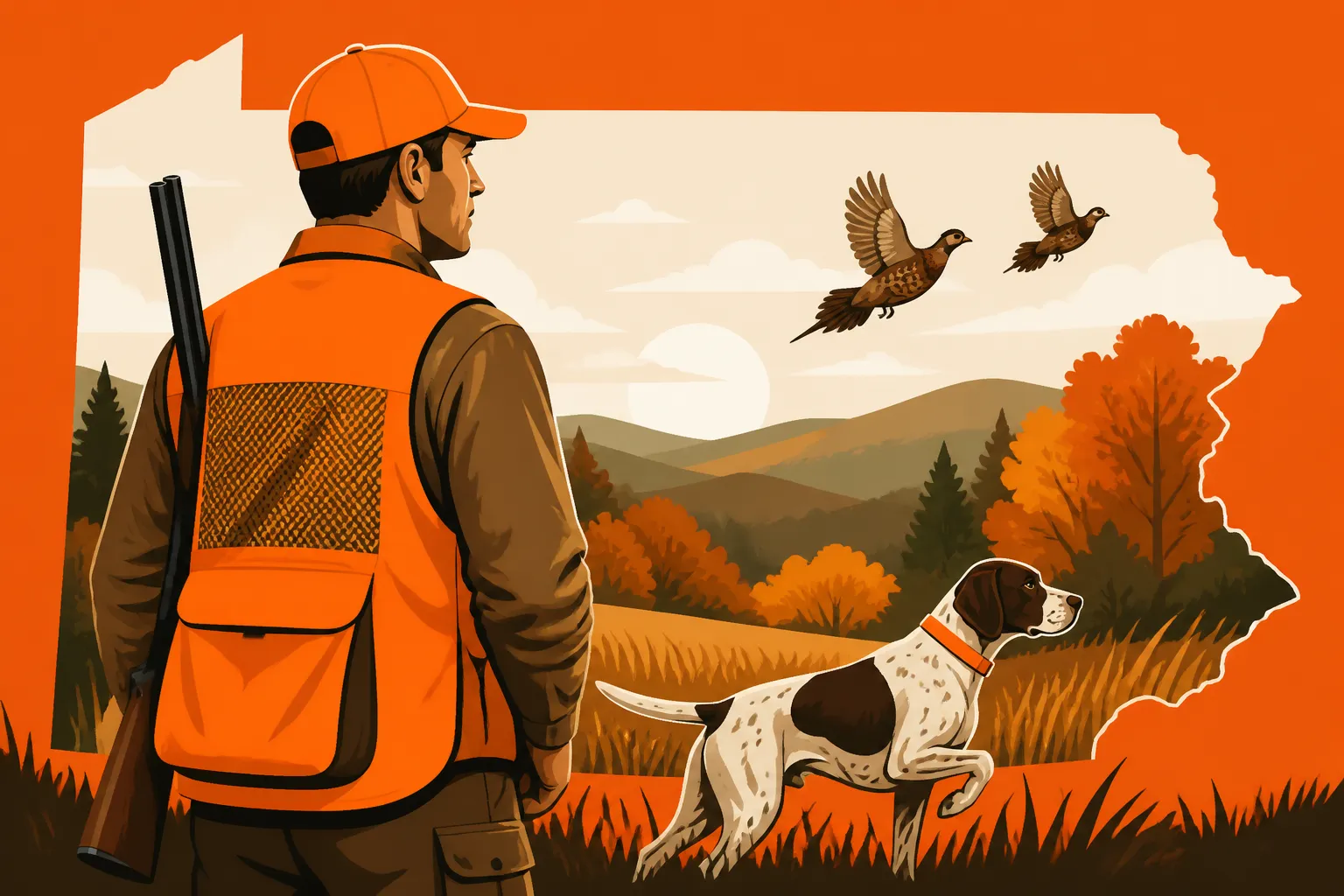
When you step into Pennsylvania's woods and fields with a shotgun in hand, safety isn't just a suggestion—it's the law, and more importantly, it's common sense. Blaze orange, that vibrant, almost electric hue, is your first and best defense against accidental shootings. It's the visual cue that screams "hunter" to everyone else out there, preventing potentially tragic mistakes.
Understanding Pennsylvania's Hunter Orange Regulations
Pennsylvania has specific rules about how much blaze orange you need to display, and when. For small game, coyotes, and woodchucks, you generally need to wear at least 250 square inches of solid fluorescent orange on your head, chest, and back combined, visible 360 degrees, from November 1 to December 15. Then there are special rules for archery deer and bear season, where orange isn't typically required during the main archery season, but becomes critical if you're out during concurrent firearms seasons or hunting other species. It can feel like a lot to keep track of, but the intention is always to ensure you stand out.
Think about still-hunting through thick mountain laurel for grouse, or pushing through a hedgerow for rabbits. Without adequate orange, you simply vanish into the background. The regulations are there to protect you and other hunters, especially when the woods are bustling. It’s not just about meeting the minimum; it’s about making a conscious effort to be seen, even by those who might not be looking for you. Understanding these rules is a fundamental part of Pennsylvania Hunter Orange Rules and responsible hunting.
Choosing the Right Shade and Placement
Not all blaze orange is created equal. Over time, some materials can fade, losing their intense hue. A faded orange hat might barely register against autumn foliage, whereas a fresh, vibrant vest will pop. When you're choosing your gear, always opt for the brightest, most distinct orange you can find. It might seem like a small detail, but in low light conditions or dense cover, that vibrancy makes a world of difference.
Where you wear your orange also matters. A blaze orange hat is almost universally recommended, as your head is often the first part of your body visible over brush or around trees. Pairing that with a vest or jacket ensures a large, noticeable patch of color on your torso. Imagine standing in the deep shadows of a hemlock thicket; a flash of orange on your head and chest immediately identifies you. Consider how your orange gear looks against various backdrops, from the bright yellow of fall leaves to the muted browns of late-season timber. The goal is to maximize your visual footprint for the safest possible outing.
Why a Dedicated Upland Vest Makes All the Difference
For many years, hunters simply stuffed shells into their pockets and threw retrieved birds into a cumbersome game bag slung over a shoulder. But the modern upland vest has evolved far beyond that, becoming an indispensable piece of gear that can elevate your hunting experience from tolerable to truly enjoyable. It's about more than just carrying your harvest; it's about comfort, efficiency, and being prepared for anything the field throws at you.
Beyond the Bird Bag: Features That Matter
A dedicated upland vest, or vest-pack, is designed with a singular purpose: to make your long days of walking, pushing brush, and pursuing birds as comfortable and productive as possible. Forget those old, heavy vests that pulled on your neck and made your back ache by noon. Modern designs focus on distributing weight evenly, often across your hips and shoulders, much like a good backpacking pack. This makes a monumental difference when you're carrying a shotgun, shells, water, and perhaps a limit of pheasants or grouse through miles of thick cover.
Beyond the weight distribution, it's the meticulous organization that sets these vests apart. You'll find purpose-built pockets for everything: quick-access shell pockets, a dedicated spot for your water bottle or hydration bladder, secure compartments for dog training supplies, first-aid kits (for both you and your canine companion), electronics, and your hunting license. This means no more fumbling, no more digging, and everything you need is right where you expect it. When you're in the moment, trying to reload quickly or grab a dog whistle, that seamless access is invaluable. Many hunters appreciate the thoughtful design that some brands, like GoHunt, put into their modular systems, allowing for customizable load-outs.
Types of Upland Vests: Traditional, Strap, and Hybrid
When you start looking for an upland vest, you'll quickly realize there's a variety of styles, each with its own benefits and drawbacks. Understanding these can help you pick the best one for your particular hunting style and the specific demands of Small Game Hunting in Pennsylvania.
Traditional Vests: These are what most people picture: a full vest, often with a large game pouch across the back and pockets on the front.
- Pros: They have a classic aesthetic, can be relatively inexpensive, and often come with built-in blaze orange for guaranteed visibility. They're simple to put on and take off.
- Cons: Weight distribution is often poor, with all the load hanging from your shoulders. This can lead to fatigue, chafing, and general discomfort on longer hunts. They can also feel bulky, especially if you layer up underneath them.
Strap Vests/Packs: These newer designs often resemble a backpack with a sturdy hip belt and shoulder straps, but with pockets and a game bag integrated.
- Pros: This style excels at weight distribution, shifting most of the load to your hips, which greatly reduces shoulder and back strain. They are often highly modular, allowing you to attach or detach pockets, water bladders, and other accessories to customize your setup for different hunts. This is where a brand like GoHunt really shines, offering systems that adapt to your needs. They tend to have superior ventilation too.
- Cons: Strap vests can be more expensive due to their advanced design and materials. They might also take a bit more time to adjust properly to your body, though once set, they are incredibly comfortable.
Hybrid Vest-Packs: These aim to blend the best of both worlds, often featuring a traditional vest front with a more structured, pack-like back panel and a hip belt.
- Pros: They offer a good compromise between the classic look and improved weight distribution. They usually have decent capacity and organization without being overly complex.
- Cons: While better than traditional vests, they might not achieve the same level of weight distribution or modularity as a dedicated strap system. They can also sometimes feel like they sacrifice a bit of both types, rather than fully excelling at one.
Essential Features for a Pennsylvania Upland Vest
Pennsylvania's upland cover is tough on gear and on hunters. From thick briar patches and dense regrowth where grouse hide, to sprawling fields of cut corn for pheasants, your vest needs to be up to the task. Choosing a vest with the right features isn't just about convenience; it’s about durability, capacity, and ultimately, your effectiveness in the field.
Capacity and Organization: What to Carry
One of the biggest advantages of a well-designed upland vest is its ability to carry everything you need in an organized, accessible manner. You don't want to be caught unprepared miles from the truck.
First, consider the bird bag size. Are you primarily chasing grouse, where a single bird or two is a good day, or hoping for a limit of pheasants from a stocked farm? A washable, easily accessible game bag is crucial. Look for bags that can be unzipped or pulled out for thorough cleaning; blood and feathers can quickly make a mess and attract pests if not cleaned properly.
Shell loops and pockets are next. You'll want quick access to your ammunition, ideally with dedicated pockets that prevent shells from rattling around or falling out, even when busting through heavy cover. Some vests offer loops for different gauges, which is handy if you switch between a 12-gauge for pheasants and a 20-gauge for grouse.
Water is non-negotiable, especially if you're hunting with a dog. Look for vests with a dedicated sleeve for a hydration bladder and a port for the drinking tube, or at least generously sized pockets for water bottles. A dehydrated dog is a quickly ineffective dog, and you'll appreciate it too on warm days. Many modern designs are specifically Upland Vests With Water Capacity in mind. Don't forget small, secure pockets for essentials like your hunting license and tag, a small first-aid kit (for you and your dog), a compass or GPS device, and your phone. When you're focused on a flush, fumbling for these items can cost you precious seconds or cause frustration.
Durability and Materials for Tough Pennsylvania Cover
Pennsylvania is called the "Keystone State" for a reason—its terrain can be as rugged as its history. Your upland vest needs to withstand abrasive thorns, sharp branches, and constant friction against thick brush.
Abrasion resistance is paramount. Look for vests made from tough materials like Cordura nylon, heavy-duty waxed canvas, or other reinforced synthetics. These materials are designed to resist tears and punctures, ensuring your vest lasts more than a season or two. Pay close attention to the lower panels and game bag area, as these are often the first parts to show wear when you're pushing through multiflora rose or dense greenbrier.
Beyond just tough fabric, consider briar-proof construction. This often means double-layered fabric, reinforced stitching, and potentially even built-in game straps that distribute the weight of birds without straining the fabric. Some vests feature full wrap-around protection on the lower sections, which can be a lifesaver when you're literally pushing through a wall of thorns.
Finally, think about breathability and weather resistance. Early season hunts can be surprisingly warm, even in Pennsylvania. Mesh panels or strategic ventilation can prevent you from overheating. For late-season hunts or days with intermittent rain, a vest with a DWR (Durable Water Repellent) coating or quick-drying materials will keep you more comfortable. No one wants a waterlogged vest weighing them down when the mercury drops.
Integrating Blaze Orange into Your Upland Vest Setup
Blaze orange is your calling card in the field, telling other hunters you're there and to be aware. How you integrate it into your upland vest setup can vary, depending on the vest itself, the specific season, and your personal preferences for layering and comfort. It's about being seen, effectively, without compromising your hunting experience.
Built-In Blaze Orange Versus Layering Options
Many upland vests come with integrated blaze orange panels, often across the shoulders, back, and sometimes on the front pockets. This is a convenient option because it guarantees you meet the square inch requirements without having to add extra layers. You simply put on your vest, and you're good to go. This can be particularly appealing for hunters who prefer a streamlined setup and don't want to think about multiple items.
However, layering blaze orange over a non-orange vest or jacket offers greater flexibility. If you have a favorite green or brown upland vest that fits perfectly, you can simply throw a blaze orange shell or lightweight jacket over it. This approach is excellent for temperature control. On a warm early-season pheasant hunt, you might wear a mesh-backed, non-orange vest with a super lightweight blaze orange T-shirt or a thin orange shell over your base layer. As the weather turns colder, you can wear your insulated hunting jacket and then simply add a blaze orange vest or outer shell to meet the requirements. This adaptability means you can use the same core upland vest for various conditions, adjusting your outer orange layer as needed. It also gives you more choice in your base layers, allowing for better moisture-wicking and warmth management.
Head-to-Toe Visibility: Hats, Gloves, and Other Accessories
While your vest or jacket provides the primary blaze orange coverage, don't overlook other accessories that enhance your overall visibility. Your head, in particular, is often the most prominent part of your body when you're peeking over brush or navigating dense cover. A blaze orange hat—whether it's a baseball cap, a beanie, or a wide-brimmed hunting hat—is a crucial addition. It ensures that even if your torso is temporarily obscured, your head is still a bright beacon.
Consider gloves with orange accents or even full blaze orange gloves. These might not contribute significantly to your 250 square inches, but any additional splash of visible color is a bonus, especially when you're moving your hands to shoulder your gun or operate calls.
If you hunt with a dog, their safety is just as important as yours. Many hunters outfit their canine companions with blaze orange collars or vests. Not only does this protect your dog from other hunters, but it also helps you keep track of your dog in thick cover, preventing accidental separation. A brightly colored dog vest can also offer a degree of protection from briars and thorns for your four-legged hunting partner. Think about small, practical items like orange flagging tape. This isn't for wearing, but it can be invaluable for marking a downed bird in dense cover, helping you to find it quickly and efficiently, especially when the light starts to fade. Every little bit of orange helps to create a safer hunting environment for everyone.
Maximizing Comfort and Efficiency in the Field
Having the right gear is one thing, but making sure it performs optimally in the field is another. An upland vest is an investment in your comfort and success, and taking the time to properly fit, adjust, and field-test it will pay dividends when you're miles into a Hunting Stocked Pheasants in Pennsylvania hunt or navigating a tough grouse covert.
Proper Fit and Adjustment for Long Days
Imagine walking for hours, pushing through thick brush, and scaling small ridges. A poorly fitting vest will quickly turn that experience into a miserable one. The key to maximizing comfort is proper fit and adjustment. When you first get your vest, don't just throw it on. Take the time to try it on with the layers you typically wear during hunting season – whether it's just a light shirt for early fall or a heavy fleece for late autumn. This is especially true for strap vests, which are designed to distribute weight to your hips.
Start by adjusting the shoulder straps so the vest sits high enough on your back without pulling too tightly on your neck. Then, cinch the waist belt or hip belt so it sits comfortably around your hips, bearing the majority of the weight. You want it snug, but not constricting, allowing for full range of motion when shouldering your shotgun. Walk around, bend over, and even simulate shouldering your firearm to ensure there are no uncomfortable pressure points or chafing. A vest that feels great for five minutes in the living room might feel like a torture device after five miles. Many of the premium vests, including those from brands like GoHunt, offer a wide range of adjustability to truly custom-fit your body. This attention to detail will significantly reduce fatigue and allow you to stay out longer and focus on the hunt, not your discomfort.
Field-Testing Your Setup and Fine-Tuning
The ultimate test for any piece of hunting gear is how it performs in real-world conditions. Don't wait until opening day to discover that your new vest chafes, or that your shell pockets are impossible to access with cold fingers. Once you've adjusted your vest, load it up with everything you'd normally carry—shells, water, dog treats, first-aid kit, even a few dummy birds if you have them.
Then, go for a good, long walk. Ideally, take it into some challenging terrain similar to where you'll be hunting. Walk up hills, push through some brush, and see how it feels. Can you easily access your shells when you need them? Does your water bottle stay put? Is your phone secure but reachable? Practice drawing your shotgun and swinging it to simulate a flush. You might find that a strap needs to be tightened, a pocket repositioned, or that you need a different method for securing your dog's lead. This "shakedown cruise" is invaluable for identifying and resolving any issues before they become major problems on a hunt. The more comfortable and intuitive your gear feels, the more efficient you'll be, allowing you to focus on the dogs, the birds, and the sheer joy of being in the field. This also helps you adjust for specific tactics like Run-and-Gun Turkey Tactics on Game Lands or more deliberate pheasant hunts.
Care and Maintenance for Longevity
Your upland vest and blaze orange gear take a beating out in the Pennsylvania brush. They get covered in mud, blood, sweat, and whatever else the outdoors throws at them. Proper care and maintenance aren't just about keeping your gear looking good; they're about ensuring its longevity, functionality, and most importantly, maintaining the visibility of your blaze orange for safety. Neglecting your gear means it might fail you when you need it most, or simply fall apart prematurely.
Cleaning and Storage of Your Upland Gear
After every hunt, especially those where birds were harvested, your vest needs attention. The first step is to promptly remove any game debris, blood, and mud. Blood can stain permanently and create unpleasant odors, while mud, if left to dry, can become abrasive and damage fabric fibers. Most modern game bags are designed to be easily accessible for cleaning, often zipping out or being fully reversible. Wash them thoroughly with cold water and mild soap.
When it comes to washing the vest itself, always check the manufacturer's care instructions. Many synthetic vests can be gently hand-washed or machine-washed on a delicate cycle with cold water and a specialized outdoor gear cleaner, or a mild, scent-free detergent. Avoid harsh chemicals or bleach, as these can degrade the fabric and fade your blaze orange. After washing, proper drying is critical to prevent mildew, especially in the padded areas or thicker fabrics. Hang your vest in a well-ventilated area, out of direct sunlight, until it is completely dry. Never store a damp vest. For storage, keep your clean, dry vest in a cool, dark place away from direct sunlight, which can cause blaze orange to fade over time. Storing it in an airtight container or bag can also help deter pests like moths or mice from making a meal out of your gear.
Repairing Wear and Tear
It's inevitable that over time, your upland vest will show signs of wear. Thorns will snag, branches will tear, and buckles might break. Don't view these as reasons to discard your vest; often, small repairs can significantly extend its life.
For small rips and tears, especially in areas not subject to high stress, patching with a strong, adhesive fabric patch (available at most outdoor gear stores) can work wonders. For more significant damage, or areas under constant tension, a needle and heavy-duty thread or a professional repair service might be necessary. Look for strong, abrasion-resistant threads, and consider reinforcing the stitching around pockets or attachment points if you notice them starting to fray. These are usually the areas that see the most stress from being loaded down or constantly accessed.
Replacing broken buckles or zippers is also often simpler than it seems. Many outdoor gear repair kits include common buckle sizes, and a local seamstress or gear repair shop can often replace a stubborn zipper. Investing a little time and effort into maintenance and minor repairs not only saves you money on a new vest but also keeps your trusty gear in the field with you for many more seasons of chasing grouse in Grouse Hunting Pennsylvania Cover or flushing pheasants.
| Vest Type | Weight Distribution | Capacity (Avg.) | Customization | Typical Comfort | Blaze Orange Integration |
|---|---|---|---|---|---|
| Traditional | Shoulders primarily | Medium | Low | Fair | Often built-in |
| Strap/Modular | Hips/Shoulders | High | High | Excellent | Often layered |
| Hybrid | Improved shoulders | Medium-High | Medium | Good | Can be built-in or layered |
Disclaimer
This article is for general informational purposes only and does not constitute professional advice. Laws, prices and regulations vary by location and change over time. Consult a qualified professional for guidance on your specific situation.