Fogged Optics in Pennsylvania Cold
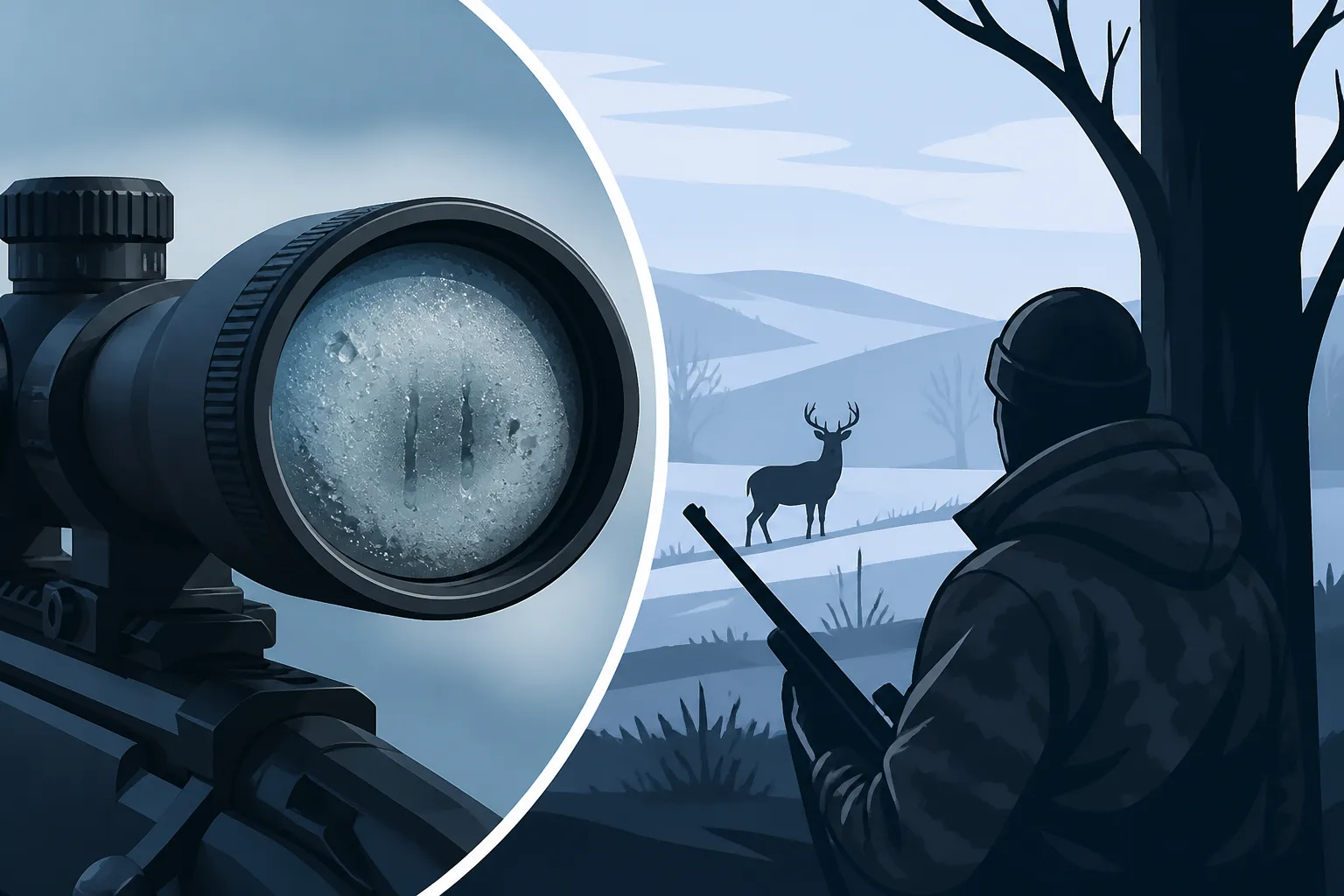
There’s almost nothing more frustrating for a Pennsylvania hunter than settling into a perfect stand, spotting a deer, raising your binoculars or rifle scope for a better look, and boom – your view is completely obscured by a milky haze. It’s that moment when your heart sinks, and you know the opportunity might be gone. That dreaded fogged optic can ruin a hunt faster than just about anything else in our unpredictable cold weather. This guide is here to walk you through why this happens, how to prevent it, and what to do when your lenses decide to play hide-and-seek with the whitetails.
The Science Behind the Steam: Why Your Optics Fog Up
Let's face it, Pennsylvania winters and even our chilly fall mornings can be brutal on gear. You step out of a warm truck or a heated hunting blind, and within minutes, your expensive glass turns into a blurry mess. It’s not just bad luck; there’s some basic physics at play here, and understanding it is the first step to beating it.
The Battle of Temperatures and Humidity
At its core, fogging is all about condensation. When warm, moist air meets a cold surface, the moisture in the air cools down rapidly and condenses into tiny water droplets. This is exactly what happens when you breathe on a cold window pane, or when you take a cold drink out of the fridge on a humid summer day. Your binocular lenses, your rifle scope, or even your eyeglasses are prime targets.
In Pennsylvania, this can be a frequent occurrence. Imagine heading out from a cozy cabin where your gear has been sitting at a comfortable 70 degrees. Outside, it's a brisk 20 degrees with a bit of dampness in the air, maybe even a light drizzle or some melting snow. As soon as those warm lenses hit the cold air, the moisture in the surrounding air instantly condenses onto the glass. It's like the optics are sweating, but it's really the air around them shedding its moisture. It’s a frustrating reality for anyone trying to hunt Bowhunting Pennsylvania's October Archery Season or Flintlock Season Tactics in Pennsylvania when temperatures really start to drop.
Your Breath: An Unexpected Enemy
Sometimes, it's not just the ambient air; you're the culprit! We all do it instinctively: lean in close to our scope or binoculars. But when you do this in cold weather, your warm, humid breath, full of water vapor, is expelled directly onto the cold lens surface. Just like with the ambient air, that warm, moist breath instantly condenses into fog.
This is especially common with rifle scopes where your eye is right up against the eyepiece, or with binoculars when you're glassing intently for a long period. Even a light mist from your breath can be enough to obscure your vision at the worst possible moment. It's a cruel trick, especially when you've finally spotted that buck on an oak ridge. You've got to be mindful of this, making conscious efforts to position your face slightly away or to hold your breath for a moment while focusing. It's a small change, but it can make a big difference when hunting in frigid conditions, even when you're still-hunting in Hunting the Pennsylvania Rut in November.
Internal vs. External Fogging
It's important to differentiate between external fogging, which we've mostly discussed, and internal fogging. External fogging happens on the outside surfaces of your lenses and is usually a result of temperature and humidity changes. It can often be wiped away or allowed to dissipate with a bit of patience.
Internal fogging, however, is a much more serious issue. This occurs when moisture somehow gets inside the optical housing. This is typically due to seals failing or manufacturing defects. Once moisture is inside, it's a monumental task to get it out, and it often requires professional repair. High-quality optics are usually "nitrogen-purged" or "argon-purged" and O-ring sealed. This means that all the air and moisture inside the optic is removed and replaced with an inert gas, which prevents internal condensation. If your optics are fogging internally, it's usually a sign of a compromised seal, and that's something you'll want to address with the manufacturer. Don't try to fix internal fogging yourself; you'll likely do more harm than good.
Proactive Measures: Keeping Your View Crystal Clear
The best defense against fogged optics is a good offense. Taking a few preventative steps before you even hit the woods can save you a lot of grief (and potentially a deer of a lifetime) later on.
Acclimatization is Your Best Friend
This is perhaps the simplest and most effective strategy. If you know you're going to be hunting in cold conditions, try to get your optics, and indeed all your gear, to the ambient temperature of the outdoors before you need to use them. For instance, if you're leaving a warm camp, consider placing your binoculars or scope-mounted rifle outside in a sheltered, dry spot (like under a porch or in a cold, unheated garage) for an hour or so before you head out. This allows the glass to slowly cool down to the outside temperature.
When the optics are already cold, there's less of a temperature differential for condensation to form. This isn't always practical, especially if you're on the move or jumping in and out of a warm vehicle. But whenever you can, acclimatization is key. Think about it: if you take a cold drink out of the fridge and it immediately sweats, but if you let it warm up a bit first, it won't. Same principle. This is particularly crucial for a long sit during Pennsylvania's Two-Week Firearms Deer Season or Late Antlerless Hunting in Pennsylvania when you might be stationary for hours.
Anti-Fog Treatments and Wipes
There are a variety of anti-fog solutions on the market, ranging from sprays to pre-treated wipes. These products create a thin, transparent coating on the lens surface that prevents water droplets from forming. Instead, any moisture forms a uniform, non-light-scattering film, which you can still see through.
I've had mixed results with these over the years, but many hunters swear by them. The key is to apply them correctly and to reapply as needed. Make sure your lenses are clean and dry before application. Some of these treatments can leave a slight residue, so test them out before your big hunt to ensure they don't affect your optical clarity. Brands like Cat Crap, Rain-X Anti-Fog, and various dedicated optics brands offer solutions. Always read the instructions carefully. They can be a lifesaver on particularly damp, cold mornings when you're Still-Hunting Pennsylvania Big Woods and constantly moving.
Protecting From Rain and Snow
Moisture is the enemy, so keeping your optics dry is paramount. Always use your lens caps or covers when not actively using your binoculars or scope. This not only protects the lenses from scratches but also from rain, snow, and general dampness. When it’s raining or snowing, tuck your binoculars under your jacket or inside your pack. For your rifle scope, consider a scope cover that completely encloses the lenses.
Even a small amount of moisture can become a big problem when it hits a cold lens. If you do get moisture on your lenses, gently blot it with a clean, dry micro-fiber cloth. Avoid rubbing, as this can scratch the lens or spread grime. Keeping a few of these cloths in different pockets of your Packs for a Day on Game Lands or hunting vest is always a good idea. Using high-quality gear, and keeping it dry, whether you're Hunting Pennsylvania Black Bear or chasing a Pennsylvania Elk Herd Size and Range can make all the difference.
In the Moment: What to Do When Fog Strikes
Despite your best preventative efforts, sometimes fog still happens. When it does, especially when that trophy buck steps out, you need a quick plan to salvage the situation. Panic doesn't help.
Patience and Gentle Cleaning
First, resist the urge to vigorously rub your lenses. This is a common mistake and can scratch the delicate coatings on your optics, or simply smear the moisture and make things worse. If it's external fogging, often the best approach is to simply wait a moment. The fog might dissipate on its own as the lens temperature equalizes with the surrounding air. This is especially true if you've been holding your breath to avoid fogging, and then slowly allow your breath to warm the lens slightly, allowing the condensation to evaporate.
If waiting isn't an option, use a clean, dry micro-fiber cloth specifically designed for optics. Gently blot the lenses to absorb the moisture. If you don't have a cloth, a very soft, clean piece of clothing (like a cotton t-shirt that's been under your outer layers) can work in a pinch, but be extremely careful not to scratch the lens. Never use your sleeve, a dirty rag, or paper towels, which can be abrasive. This is critical for maintaining the clarity you need to judge Counting Antler Points From a Stand or to place a precise shot.
Emergency Field Fixes (and their downsides)
In a pinch, hunters have tried various unconventional methods to clear fog. Some might use a quick burst of compressed air from a can (if they happen to have one), or even their own warm breath. While your breath causes fog, a gentle, sustained breath might warm the lens enough to evaporate the current fog, but it's a risky move as it also introduces more moisture.
One trick I've heard (and occasionally tried, though not often with great success) is to put a bit of saliva on the lens and rub it in. The idea is that the proteins in the saliva act like a surfactant, preventing fog. However, this is messy, can leave streaks, and definitely isn't good for your lens coatings in the long run. There are much better dedicated products out there. My personal advice? Stick to proper cleaning and prevention. If you're using a quality optic that's O-ring sealed and nitrogen-purged, like many offered by GoHunt partners, you're primarily dealing with external fog, which is much easier to manage.
When to Give Up and Relocate
Sometimes, despite your best efforts, the conditions are just too bad, or your optics are simply too cold, and you can't get a clear view. This is a tough call, especially if you're in a prime spot. But if you can't confidently identify your target or make an ethical shot, it’s always better to hold off or relocate.
If you're in a stand and your optics are constantly fogging, it might be time to pack up and move to a different location that's more sheltered, or perhaps to a lower elevation where the air might be a bit warmer and less humid. Sometimes, simply walking for a bit can help warm up your body and, in turn, your gear, making the optics less prone to fogging. It's frustrating, but it's part of hunting in the real world of Pennsylvania Deer Seasons and WMU Rules and changing conditions. Knowing when to make a tactical retreat is a skill in itself.
Gear Up Smart: Optics Choices for Pennsylvania's Chill
Beyond techniques and tricks, the right gear can make a massive difference. Investing in quality optics designed for challenging conditions will save you a world of trouble down the line.
Nitrogen-Purged and O-Ring Sealed Optics
This is the gold standard for cold-weather and wet-weather hunting. As mentioned earlier, nitrogen or argon purging removes all internal moisture and replaces it with an inert gas. This completely eliminates internal fogging. The O-ring seals ensure that no external moisture or dust can get inside the optic.
When you're looking at new binoculars or a rifle scope, always check for these features. They are non-negotiable for serious hunters who face unpredictable Pennsylvania weather. While these optics might come with a higher price tag, the reliability and peace of mind they offer are well worth the investment, especially when you're spending good money on licenses and gear. You wouldn't hit the mountain in flip-flops, so don't skimp on the clarity of your vision when Hunting Pennsylvania's Big Woods for Deer. Many top optics brands are known for these features, and reviewing options for Optics for Pennsylvania Timber Hunting should prioritize this.
Lens Coatings and Their Role
Beyond sealing and purging, the quality of lens coatings plays a significant role in how well your optics perform in various conditions, including cold and damp. Multi-coated lenses improve light transmission, reduce glare, and can also offer some hydrophobic (water-repelling) properties. Some manufacturers even offer specific anti-fog coatings, although these are typically integrated into the lens manufacturing process rather than being a spray-on solution.
These coatings help prevent moisture from adhering to the lens surface as readily, and when it does, it tends to bead up and roll off, making it easier to clear. Always look for "fully multi-coated" lenses when shopping for optics. They ensure maximum light gathering, which is essential for those low-light moments at dawn and dusk, especially when Hunting the Pre-Rut in Late October. High-quality coatings are a testament to durable, effective optics that stand up to the elements.
Binocular Harnesses and Covers for Protection
It’s not just about the optics themselves, but how you carry and protect them. A good binocular harness keeps your binoculars secure against your chest, allowing them to stay relatively close to your body heat. This can help prevent rapid temperature changes when you pull them out for a quick look. It also keeps them from swinging around and getting bumped or scratched.
Many harnesses also come with built-in covers or pockets that completely enclose the binoculars, providing an extra layer of protection from rain, snow, and condensation. This simple accessory can make a huge difference in keeping your glass ready for action. Similarly, for your rifle scope, a padded, weatherproof scope cover is invaluable. It protects from impacts, dirt, and, most importantly, precipitation and rapid temperature shifts. Think of it as an insurance policy for your view. When you're using a mapping system like GoHunt to navigate rough terrain, having your binoculars secure and protected will mean they're ready the moment you need them.
Comparing Anti-Fog Methods
Here's a quick look at the pros and cons of different approaches to managing fogged optics:
| Method | Pros | Cons | Best Use Case |
|---|---|---|---|
| Acclimatization | Free, most effective for preventing initial fogging | Requires foresight, not always practical for quick changes | Overnight or prolonged exposure before a hunt |
| Anti-fog Wipes/Sprays | Can be effective, compact for carrying | May leave residue, needs reapplication, not for internal fog | Pre-hunt application, quick external touch-ups in field |
| Lens Caps/Covers (on optic) | Excellent physical protection, prevents moisture on lenses | Must be removed for use, can be noisy/slow | When not actively glassing, during travel/storage |
| Internal Purging (Nitrogen/Argon) | Completely eliminates internal fogging | Only available on higher-end optics, doesn't stop external | Long-term reliability in all weather conditions |
| Binocular Harness/Cover | Keeps optics warm, protected from elements, secure | Adds bulk, can be warm in mild weather | All-day carry, protection from rain/snow |
| Breath Control (during use) | Free, immediate but temporary | Requires conscious effort, can still lead to fog if misused | Momentary clearing of external breath-induced fog |
In the end, hunting in Pennsylvania's cold means dealing with the elements, and fogged optics are just one of those challenges. By understanding why it happens, preparing proactively, and knowing how to react in the moment, you can keep your vision clear and your hunts successful. Good luck out there, and stay warm!
Disclaimer
This article is for general informational purposes only and does not constitute professional advice. Laws, prices and regulations vary by location and change over time. Consult a qualified professional for guidance on your specific situation.