Choosing a Flintlock for Pennsylvania
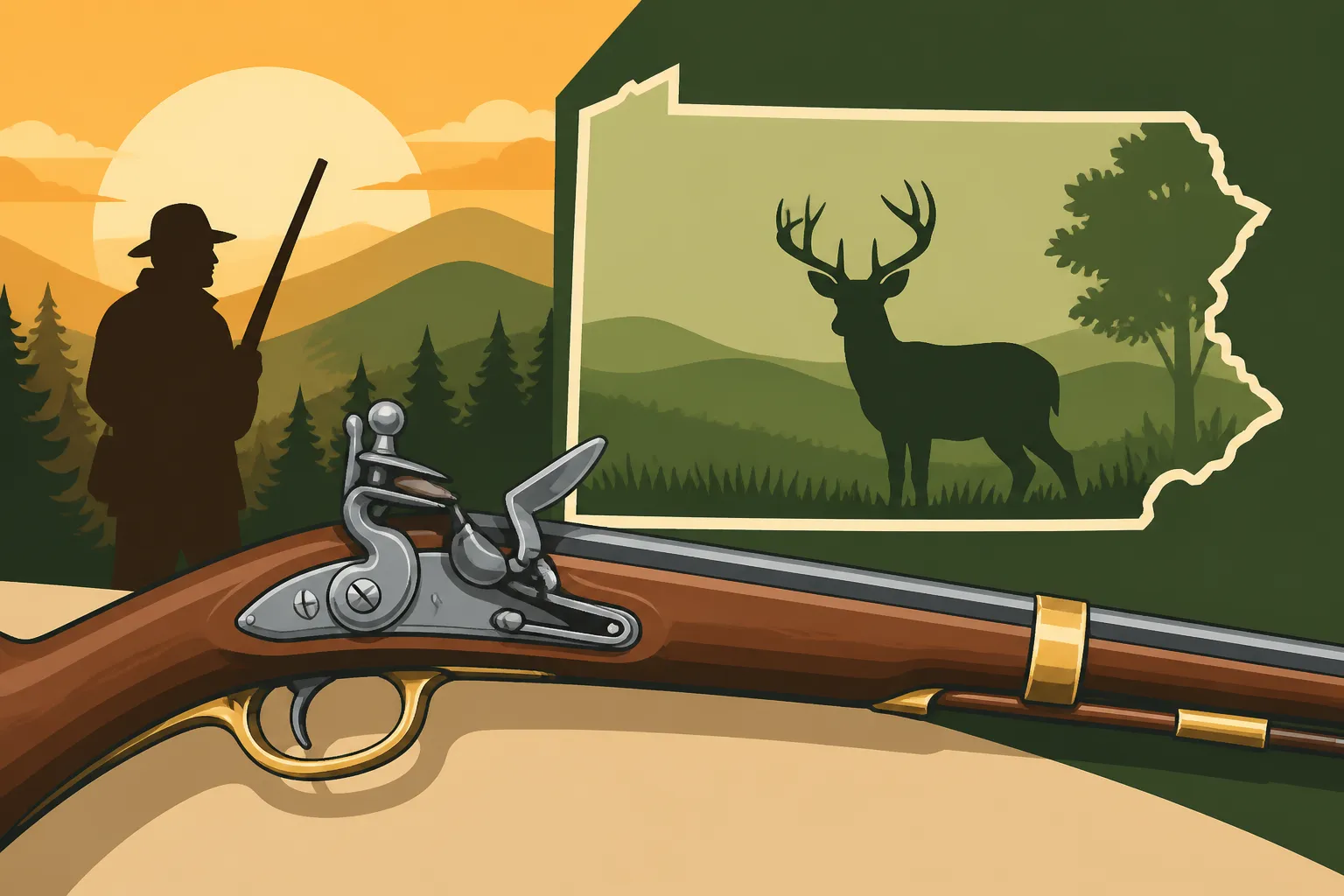
There's a special kind of magic that settles over the Pennsylvania woods when the regular firearms season has wound down, and the late flintlock season arrives. It's a time when many hunters have packed up for the year, but a dedicated few embrace the challenge of hunting with a firearm that harkens back to our ancestors. If you've felt that pull, that desire to connect with history and truly earn your deer, then choosing the right flintlock rifle is your first, exciting step. This guide will walk you through the essential considerations, from caliber to construction, helping you pick a flintlock that will serve you well in the often-chilly, sometimes snowy, Pennsylvania late season.
The Allure and Challenge of Flintlock Hunting in Pennsylvania
There's no denying that hunting with a flintlock is a commitment. It's not about speed or convenience; it's about tradition, precision, and an intimate understanding of your firearm and the environment. Many Pennsylvanians feel a deep connection to this method, almost a duty to keep the old ways alive.
Why Flintlocks Still Capture Our Hearts
For many, the flintlock season isn't just another hunting opportunity; it's a pilgrimage. There's a profound satisfaction in harvesting an animal with a tool so closely linked to the pioneers and early settlers of our commonwealth. When you prime the pan, seat a patched round ball, and then, with a slow, deliberate squeeze, send that spark to the powder, you're experiencing a moment much like hunters did centuries ago. The sound of the flint striking the frizzen, the flash in the pan, and then the delayed report of the main charge—it's an experience unlike any other modern firearm can offer. It slows you down, forces you to be more mindful, and truly puts you in tune with the hunt. It's less about the technology and more about the raw skill and patience required.
Understanding the Pennsylvania Flintlock Season
The Pennsylvania flintlock season typically offers a unique opportunity for antlerless deer, and sometimes antlered deer depending on specific WMU regulations and license availability, usually after the general firearms season has closed. This timing means you're often hunting in colder temperatures, potentially with snow on the ground, adding another layer of challenge and beauty to the experience.
The key to success in this season often lies in understanding late-season deer behavior, which is heavily focused on available food sources and thermal cover. Deer are usually congregated, making scouting for these concentrated areas paramount. You'll need to pay close attention to the specific regulations regarding what constitutes a legal flintlock in Pennsylvania – generally, it means a true flintlock ignition system (no caplocks or inline muzzleloaders, though rules can vary by season, so always check the latest digest), and typically, a single projectile, such as a patched round ball. This isn't just a regulatory detail; it directly impacts your choice of rifle and ammunition. For detailed tactical advice, consider reading Flintlock Season Tactics in Pennsylvania.
Key Considerations When Selecting Your Flintlock Rifle
Choosing a flintlock isn't like picking a modern rifle off a rack. You're looking for a combination of historical authenticity, reliability, and practical hunting performance. There are several critical factors to weigh before making your decision.
Caliber for Pennsylvania Deer and Bear
When it comes to hunting deer and even black bears with a flintlock in Pennsylvania, caliber is a fundamental choice. The vast majority of hunters opt for a .50 or .54 caliber rifle. These calibers, when loaded with a patched round ball, deliver sufficient energy for ethical kills on deer-sized game within typical muzzleloader ranges.
A .50 caliber is often considered the standard, offering a good balance of recoil, projectile weight, and availability of components. A .54 caliber, while producing a bit more recoil, provides a larger diameter projectile and slightly more energy, which can be an advantage, especially if you anticipate a shot on a larger deer or perhaps even a bear. The energy transfer from a large, slow-moving lead ball is significant, creating a substantial wound channel. It's crucial to remember that flintlocks, especially with patched round balls, are effective at much shorter ranges than modern centerfire rifles. Most hunters limit their shots to under 100 yards, with many preferring to keep it within 75 yards, especially in thick woods. Understanding the ballistics of a round ball is key to making an ethical shot. For more depth on this, check out Flintlock Calibers That Work on Deer.
Ignition System: The Heart of the Flintlock
The lock itself—the mechanism that produces the spark—is arguably the most critical component of a reliable flintlock. You need a lock that provides a strong, consistent spark to ignite your pan powder.
- Lock Time: This refers to the delay between pulling the trigger and the main charge igniting. A shorter lock time is always desirable for accuracy, as it minimizes the time you have to move off target. Quality locks are finely tuned to reduce this delay.
- Flint Quality and Material: The flint is what strikes the frizzen. Knapped flints (hand-shaped) are generally preferred for their sharp, durable edges, which produce excellent sparks. English flints are often considered the gold standard, but high-quality natural flints from other regions can also perform well. Some modern flints are cut rather than knapped, which can offer consistency but might not always have the same spark-producing longevity.
- Frizzen Hardness: The frizzen is the hardened steel plate that the flint strikes. It needs to be hard enough to create a good spark but not so hard that it chips the flint excessively. A good frizzen will show a consistent, bright shower of sparks when the flint strikes it.
- Pan Design: The pan holds the priming powder. It should be designed to keep the powder dry and funnel the flash efficiently through the touch-hole to the main charge. A well-designed pan and touch-hole are crucial for reliable ignition, especially in damp conditions.
A hunter might spend quite a bit of time perfecting their flint-frizzen combination. There's an art to it, and the success of your hunt can hinge on those few milliseconds of ignition. To delve deeper into the mechanics, Flints, Frizzens and Reliable Ignition is a great resource.
Barrel Length and Twist Rate for Accuracy
The barrel of your flintlock dictates much about its handling and accuracy, especially with patched round balls.
- Barrel Length: Flintlocks come in a variety of barrel lengths, typically ranging from 36 to 42 inches, though some are shorter or longer. Longer barrels generally provide a longer sight radius, which can aid in accuracy, and allow for a more complete burn of the powder charge, potentially increasing velocity. However, a longer barrel can be cumbersome in thick brush, making it harder to maneuver quickly for a shot. For still-hunting in dense Pennsylvania hardwoods or clearcuts, a slightly shorter barrel might be preferred. For stand hunting or more open timber, a longer barrel can be a great asset.
- Twist Rate: This refers to how quickly the rifling in the barrel rotates. For patched round balls, a slow twist rate is paramount. A typical twist rate for a .50 or .54 caliber flintlock designed for round balls might be 1:48, 1:60, or even 1:66 inches. This slow twist stabilizes the round ball without over-spinning it, which can lead to accuracy issues. If you were to try to shoot a heavier, conical projectile (which is generally not legal for flintlock seasons in PA, but worth noting for general muzzleloader knowledge) a faster twist rate would be needed. Ensure the rifle you choose is specifically designed for patched round balls if you plan to hunt the Pennsylvania flintlock season.
| Caliber | Typical Twist Rate (Round Ball) | Common Ball Weight (grains) | Best Use for PA Hunting | Notes |
|---|---|---|---|---|
| .50 | 1:48" to 1:66" | 175-185 | Deer, smaller Bear | Most common, balanced recoil |
| .54 | 1:48" to 1:66" | 220-230 | Deer, larger Bear | More energy, slightly more recoil |
Practical Aspects and Accessories for the Pennsylvania Hunter
Owning a flintlock for hunting means embracing a whole system, not just a rifle. Your accessories and preparation are just as important as the firearm itself, especially when facing Pennsylvania's unpredictable late-season weather.
Keeping Your Flintlock Dry and Functioning
This is perhaps the most critical aspect of flintlock hunting in a state known for its damp, cold, and often snowy winter weather. A single drop of moisture in the pan or down the barrel can turn a potential harvest into a misfire or a hangfire.
- Pan Covers: A good pan cover is non-negotiable. These small leather or rubber flaps fit over the pan, protecting the priming powder from rain, snow, and even residual moisture in the air. Many experienced hunters will not only use a pan cover but also carry a small piece of oilcloth or a plastic bag to drape over the entire lock area if precipitation becomes heavy.
- Waterproofed Powder Horn/Charger: Your main powder charge needs to stay absolutely dry. A well-sealed powder horn or a modern waterproof powder measure is essential. Never measure directly from a large powder container in the field; use a smaller, pre-measured charge container that you know is waterproof.
- Vent Pick: The touch-hole, where the flash from the pan enters the barrel, can become clogged with fouling or moisture. A small, sharp vent pick is crucial for clearing it out before each shot, or if you suspect a problem. This simple tool can prevent a misfire and is a must-have in your pouch.
- Wiping Down: Regularly wiping down the exterior of your rifle, especially the lock, with a dry cloth can prevent moisture buildup. The peace of mind that comes from knowing your powder is dry is invaluable. For more tips on this, refer to Keeping a Flintlock Pan Dry.
Loading Components: Patched Round Balls and Powder
The performance of your flintlock depends heavily on consistent and correct loading procedures. This isn't a "slap it in" scenario; it's a careful, almost ritualistic process.
- Patched Round Balls: As discussed, round balls are generally the projectile of choice for traditional flintlocks. The patch, typically made of lubricated cotton or linen, wraps around the ball and engages the rifling, creating a gas seal and imparting spin. The patch material, thickness, and lubricant must be matched to your specific bore and ball size for optimal accuracy. A tight, but not overly tight, patch-ball combination is what you're aiming for.
- Black Powder: Only use black powder (real black powder, not "black powder substitutes" unless explicitly allowed and tested) in your flintlock. Modern smokeless powders are extremely dangerous in these firearms. Black powder comes in different granulations (FFFG for priming, FFG for main charges in rifles, sometimes F for larger bores). Consistency in your powder measure is paramount. Even small variations in charge can affect accuracy and point of impact.
- Lubricants: Patches are often lubricated with traditional concoctions of beeswax and tallow, or modern synthetic lubricants designed for black powder. This lubrication helps the patch slide down the barrel, seals gas, and helps prevent fouling buildup.
It takes practice to find the right combination of ball, patch, and powder charge that your particular rifle prefers. Many hunters spend hours at the range testing different combinations to ensure ethical and accurate performance.
Essential Field Kit for Flintlock Success
Beyond the rifle itself, a well-stocked hunting pouch is your lifeline in the field. Think of it as your flintlock toolkit.
- Extra Flints: Flints can chip, break, or lose their edge. Always carry at least two, preferably more, sharp, spare flints, along with a piece of leather or lead to shim them in the vise if needed.
- Vent Pick: Already mentioned, but worth repeating its importance.
- Pan Brush: A small brush, often made of horsehair, is used to sweep spent powder and fouling from the pan and around the touch-hole.
- Powder Measure: A reliable, consistent measure for your main charge.
- Priming Horn/Flask: A small, separate container for FFFG priming powder.
- Possible Bag: A traditional term for your hunting pouch, where all these essentials are stored.
- Ball Starter and Ramrod Extensions: For easily seating the ball and patch, and ensuring a full seat against the powder.
- Cleaning Supplies: A small patch jag, a few patches, and some cleaning solution for quick barrel swabbing if you plan multiple shots in the field (uncommon for flintlock hunting, but good to have).
Finding quality components and accessories can sometimes be a challenge, especially if you're looking for historically accurate items. Online platforms can be great resources, and a platform like GoHunt often lists specialized retailers or gunsmiths who cater to the traditional muzzleloader community, helping you find those hard-to-locate items or custom builders.
Manufacturer Spotlight and Custom Options
Once you've decided on the specifications, the next step is finding the actual rifle. You essentially have two routes: production models or custom builds. Both have their merits, depending on your budget and desired level of authenticity and performance.
Reputable Production Flintlocks
For those new to flintlock hunting or working with a more modest budget, production rifles offer a great entry point. Companies like Traditions, Cabela's, and Davide Pedersoli & C. (often imported) produce reliable and generally accurate flintlocks.
- Traditions: Traditions often offers more entry-level flintlocks that are widely available. These are good "working guns" that can be very effective in the field with proper care and load development. They might not have the historical nuances of a custom build, but they get the job done.
- Davide Pedersoli & C.: An Italian manufacturer, Pedersoli is renowned for producing high-quality, historically accurate replicas of various muzzleloaders, including flintlocks. Their rifles are generally well-regarded for their craftsmanship, accuracy, and reliability. They often represent a step up in quality and price from entry-level options.
- Other Importers: You might also find other imported flintlocks, often reproductions of classic American longrifles or European fowlers. The key is to check reviews, ensure the lock is well-fitted, and that the rifle handles well for you.
When considering a production flintlock, pay close attention to the lock mechanism. Even on a factory gun, a good lock makes all the difference. While you won't get the bespoke fit of a custom rifle, a solid production flintlock can provide years of satisfying hunting.
The Appeal of Custom-Built Flintlocks
For the serious enthusiast, a custom-built flintlock is the ultimate choice. These rifles are often hand-crafted by skilled artisan gunsmiths, frequently following historical patterns of Pennsylvania longrifles or other period firearms.
- Tailored Fit: A custom builder can ensure the rifle's stock dimensions fit you perfectly, leading to more comfortable and accurate shooting. The weight and balance can also be optimized for your hunting style.
- Superior Reliability and Accuracy: Custom builders use top-tier components—precision-made locks, hand-lapped barrels, and meticulously fitted parts. This often translates to faster lock times, more consistent ignition, and exceptional accuracy. They also understand the nuances of tuning a flintlock to perform reliably in various conditions.
- Historical Authenticity: Many custom builders specialize in creating historically accurate reproductions, sometimes even using period-correct construction methods and materials. If connecting with the past is a primary driver for your flintlock hunting, a custom piece can be a true work of art and a functional hunting tool.
- Investment: Naturally, a custom-built flintlock represents a significant investment, both in terms of cost and often a substantial lead time for the builder to complete the project. However, for many, it's an heirloom piece that will be passed down through generations. Finding a reputable custom builder might require some research, and a platform like GoHunt could be a valuable tool for finding contacts within the traditional muzzleloader community, or simply for researching different types of custom rifles.
Choosing between a production model and a custom build often comes down to personal priorities, budget, and how deeply you want to immerse yourself in the world of traditional muzzleloading. Either way, a well-chosen flintlock will add an incredible dimension to your Pennsylvania hunting experience.
Disclaimer
This article is for general informational purposes only and does not constitute professional advice. Laws, prices and regulations vary by location and change over time. Consult a qualified professional for guidance on your specific situation.