Deer Drives With Three or Four Hunters
It can be incredibly frustrating to sit on stand all day, watching the woods, only to see little to no deer movement. Many of us dream of organizing a big deer drive with a dozen or more hunters, but the reality is, getting that many people together on the same day can feel like herding cats. This guide is all about how to effectively run deer drives with just three or four hunters, maximizing your chances in the Pennsylvania woods when your crew is small but mighty.
The Reality of Limited Manpower
Let's be honest, hunting with a small crew sometimes feels like you're at a disadvantage, especially when you're trying to move deer. You might have visions of those classic, sprawling deer drives you see in old hunting films, but when it's just you and a couple of buddies, that kind of operation isn't feasible. The biggest frustration often comes from knowing the deer are there, tucked away in thick cover, but you just can't get them to budge or move predictably without a larger force. This often leads to deer slipping out the sides of your drive, or simply hunkering down, letting the walkers pass by without ever presenting a shot.
But here’s the thing: a small group doesn’t mean you can’t run an effective drive. It just means you need to be smarter, more strategic, and pick your spots carefully. Instead of thinking about pushing vast tracts of land, we’re going to focus on smaller, more defined pockets of cover, using the terrain to our advantage to funnel deer exactly where we want them.
Advantages of Intimate Knowledge
One of the often-overlooked benefits of hunting with a consistent small group is the deep, intimate knowledge you build together. When you’ve been Scouting Pennsylvania Public Land Before Season with the same two or three people, you learn each other's strengths, weaknesses, and preferred roles. You also develop a shared understanding of the specific land you're hunting—those subtle deer trails, the thickest bedding areas, the escape routes. This collective insight is invaluable for small drives.
You know that gnarly thicket where deer always seem to hide, or that one steep-sided hollow they always try to sneak through. This knowledge, combined with reliable mapping tools like GoHunt, allows you to pinpoint smaller, high-probability areas for a drive. Instead of a wide sweep, you're executing a surgical strike, leveraging your shared understanding of local deer behavior and terrain to create effective pinch points and shooting lanes. This can lead to a much higher success rate than a larger, less coordinated drive over unfamiliar ground.
Safety First, Always
Before we even talk about strategy, let's nail down the non-negotiable: safety. When you’re hunting with firearms, especially in a dynamic scenario like a drive, communication and awareness are paramount. Even with just three or four hunters, you're responsible for knowing where everyone is at all times. This isn't just a suggestion; it's a fundamental rule of hunting.
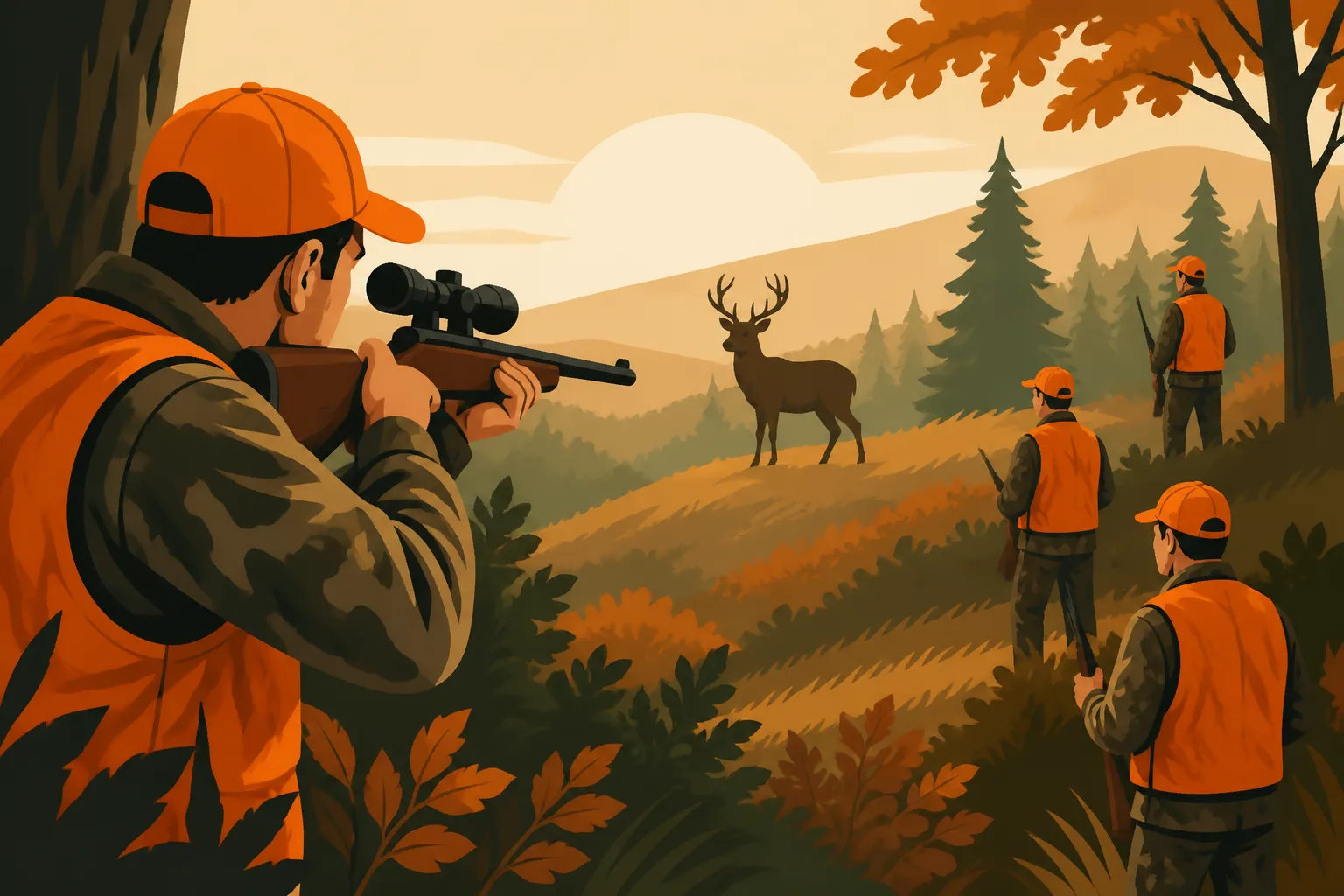
Always wear sufficient hunter orange, clearly visible from all angles. In Pennsylvania, this means at least 250 square inches of fluorescent orange material on the head, chest, and back combined during the firearms deer season. Before anyone takes a step, define shooting lanes and safe zones of fire. The standers must have a clear understanding of where the walkers will be emerging and where any other standers are positioned. Never, ever shoot at sound or movement in the brush. Positively identify your target and know what's beyond it. A successful hunt is a safe hunt, no matter the size of your group.
Understanding Terrain and Deer Movement
The success of a small drive hinges almost entirely on your ability to read the landscape and predict how deer will react. Unlike a large drive that can blanket an entire hillside, a small group needs to identify natural funnels, pinch points, and escape routes that deer are likely to use. Think about terrain features like steep ravines, creek bottoms, dense clearcuts, or the crest of a ridge. These are places deer naturally travel or are forced to travel when pressured.
Deer, especially pressured ones, are masters of using the terrain to their advantage. They'll often try to circle back on walkers, slip out the sides of a drive if the cover allows, or simply hold tight until the perceived danger passes. Your job, with a small group, is to anticipate these movements. If you’re hunting a bench above a creek bottom, for instance, you might know deer prefer to cross at a certain point or skirt the edge of the water. Using a robust mapping app can really help visualize these features, allowing you to mark potential escape routes and plan where standers should be positioned to intercept deer.
Clear Communication is Crucial
In a three or four-person drive, silent communication is often the most effective tool. While radios can be useful for initial setup, actual "driving" often benefits from being quiet. However, pre-drive communication must be exceptionally clear. Everyone needs to understand their role, the boundaries of the drive, and the anticipated direction of deer movement.
Before you start, gather everyone and clearly define:
- Starting and ending points: Where do walkers begin, and where do they aim to finish? Where are the standers positioned?
- Direction of travel: Is it a straight push, a diagonal sweep, or an L-shaped push into a corner?
- Pace: How fast should the walkers move? (Spoiler: slow is usually better for small groups.)
- Emergency signals: What if someone gets lost, injured, or needs to stop?
- Anticipated deer movement: Where do you expect deer to go? This helps standers focus.
Even with the best planning, things can go awry. Deer are unpredictable. If a walker sees deer breaking out the side, they might silently adjust their angle slightly to push them back towards the intended exit. This kind of nuanced, silent coordination comes from experience and a shared understanding of the plan.
Pre-Season Scouting for Success
You know the old saying: "Fail to plan, plan to fail." This is especially true for small-group deer drives. You simply can't afford to waste time or effort on unproductive ground. Your pre-season scouting isn't just about finding deer sign; it's about understanding how deer use the specific piece of property you intend to drive. When you're Scouting Pennsylvania Public Land Before Season, you’re not just looking for rubs and scrapes, you're identifying potential drive corridors.
Look for areas with dense cover, like thick saplings, laurel patches, or downed timber, that are bordered by more open woods or fields. These are natural bedding areas. Then, identify the likely travel corridors leading out of these bedding areas. Are there old logging roads, distinct game trails, or narrow strips of cover that deer might follow? This is where GoHunt's satellite imagery and topo maps become invaluable, allowing you to virtually "walk" the terrain and mark key features before you even step foot in the woods. Pay attention to those subtle elevation changes, small drainages, and even the direction of prevailing winds, as deer will often travel into the wind.
Defining Roles: Walker, Blocker, Shooter
With a small group, roles become extremely flexible and often overlap. There aren't enough people for highly specialized tasks, so everyone needs to be versatile.
- Walkers (1-2 hunters): These are the individuals moving through the cover, pushing deer. Their primary goal isn't necessarily to jump deer immediately, but to move slowly and steadily, making enough noise to encourage deer to get up and walk, not bolt. A good walker understands how to Still-Hunting Pennsylvania Big Woods tactics apply to a drive – subtle movements, pausing, listening, and using the terrain to their advantage.
- Blockers (1 hunter, sometimes a walker doubles): The blocker's job is crucial in a small drive. This person is positioned along a known escape route or pinch point outside the main line of the drive, but not necessarily at the "shooter" end. Their role is to gently nudge deer that try to flank the drive back into the intended path, or sometimes even take a shot if the opportunity arises. This is a very active role, requiring awareness and quick decision-making.
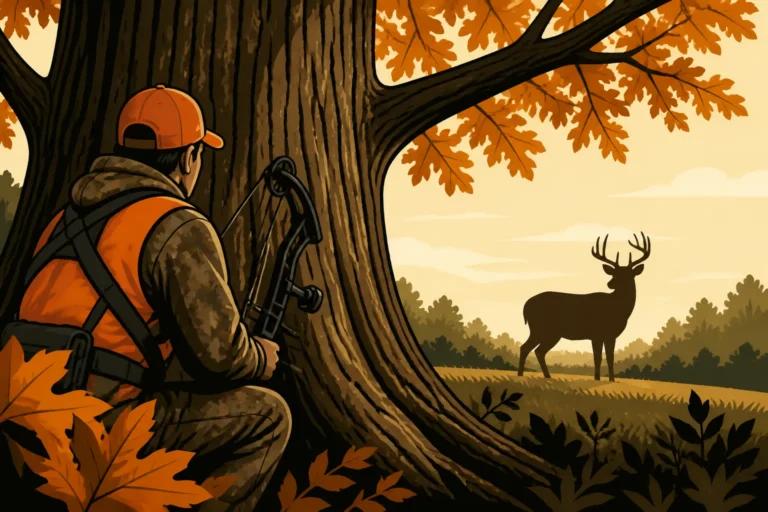
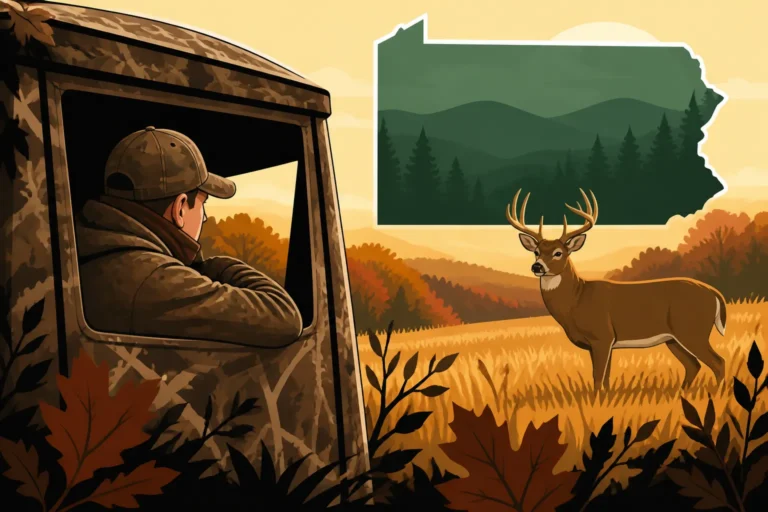
- Shooters/Standers (1-2 hunters): These individuals are positioned at the "exit" of the drive, often on elevated stands or in strategic ground blinds, waiting for the deer to come to them. Their focus is on remaining still, quiet, and ready. They need to understand the safe shooting lanes and anticipate where deer will likely emerge. These positions are often critical on a Pennsylvania ridge or along a clearcut edge.
A common setup for four hunters might be two walkers, one blocker on a side escape, and one main stander. For three hunters, it might be two walkers and one stander, with one walker also acting as a subtle blocker on a far edge. The specific roles depend entirely on the terrain and the number of participants.
Mapping Out the Drive Area
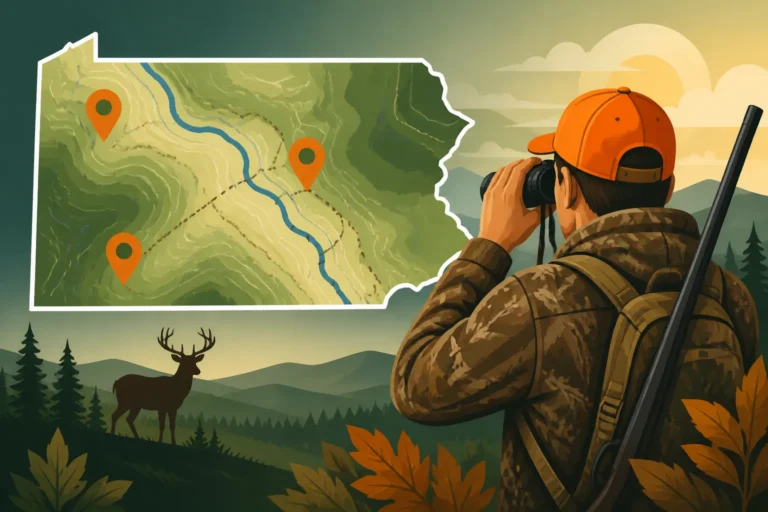
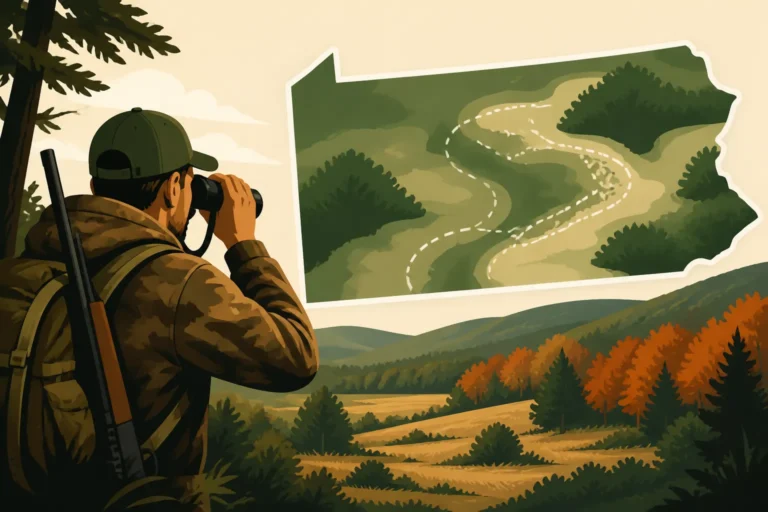
Before you even step foot in the woods, spend some serious time with a detailed map. As mentioned, GoHunt's mapping features are fantastic for this, allowing you to zoom in on topographical lines, aerial imagery, and even property boundaries (crucial for public land drives).
- Identify the Core Cover: Pinpoint the densest bedding area you want to push. This is your "start" zone.
- Determine Exit Routes: Based on terrain, prevailing wind, and known deer trails, identify the most likely (and manageable) escape routes deer will take when pressured. These are your "end" zones for standers.
- Find Pinch Points: Look for narrow strips of cover, natural bottlenecks, or steep terrain that will funnel deer. These are ideal locations for standers or a blocker. If you're hunting a hollow, for example, consider how deer will exit. Will they climb a specific Entry Routes on Steep Ground or try to sneak through a low point?
- Mark Positions: Use your mapping app to mark the exact starting points for walkers, the intended path, and the precise locations for standers and blockers. Share this map with everyone in the group.
- Establish Boundaries: Clearly define the boundaries of the drive. This ensures walkers don't push deer off-course unintentionally and standers know their zone of fire.
By visually laying out the drive, everyone has a clear mental picture, which greatly enhances coordination and safety.
Walkers' Strategy and Pace
When you're a walker in a small drive, your job isn't to crash through the woods like a freight train. That just makes deer bolt out the sides or double back. Instead, think of yourself as a slow, deliberate wave of pressure. Your pace should be slow enough that deer feel pressured to move but not panicked. We're talking about a pace that allows you to quietly slip through the cover, pausing frequently to listen.
- Noise Management: You need to make some noise, but not excessive noise. Rustling leaves, snapping a twig now and then, or a low, conversational tone can be enough. Focus on creating a consistent, low-level disturbance that encourages deer to walk, not run.
- Zig-zagging: Instead of a straight line, walk in a subtle zig-zag pattern, especially in very thick cover. This helps you cover more ground within your designated lane and encourages deer to move forward rather than slipping past you in a straight-line push.
- Reading Sign on the Fly: As you walk, be alert for fresh tracks, beds, or visual confirmation of deer. If you jump a deer, note its direction of travel and communicate it (quietly, if possible, or using pre-arranged signals) to the other walkers or standers.
- Maintaining Alignment: If you have two walkers, try to stay relatively abreast of each other, maintaining a consistent gap. This prevents deer from simply slipping between you. If the terrain makes this difficult, use audible cues (taps, whispers) to confirm locations.
The key for walkers is patience and observation. Often, deer will skirt ahead of you, presenting a shot to a well-placed stander who is ready and still.
Standers' Placement and Patience
For the standers, success comes down to two things: location and absolute stillness. Their placement is determined during the pre-drive planning, based on anticipated escape routes and pinch points. A stander might be posted on a Hanging a Stand on an Oak Bench overlooking a ravine, or tucked into a dense hedgerow at the edge of a field.
- Elevated Advantage: If possible, an elevated treestand or saddle setup offers a significant advantage, providing a wider field of view and allowing your scent to disperse above deer-level. Make sure your stand is set up well before the drive begins, minimizing disturbance.
- Scent Control: While not always perfect, paying attention to wind direction is crucial. Standers should be positioned downwind or crosswind of where they expect deer to emerge. Even a small group can ruin a drive if a stander’s scent blows directly into the deer's path.
- Patience and Stillness: Once in place, a stander must become a statue. Any movement, especially at the start of the drive, can alert deer. Scan slowly, using binoculars (like a good 8×42 or 10×42 pair) to pick apart cover rather than sweeping your head. Often, deer will filter out slowly, cautiously, presenting themselves to the stillest hunter.
- Knowing Your Lanes: Always have your rifle or shotgun ready, but never raised until you positively identify a deer within a safe shooting lane. Re-evaluate your safe shooting zones regularly during the waiting period, especially if you get bored or distracted.
A stander’s success often feels passive, but it's built on meticulous planning and unwavering discipline.
Adjusting to Deer Behavior
Deer are intelligent, adaptable animals, and they don't always follow the script. Sometimes, a deer will bust out early, circle back, or simply hunker down and let the walkers pass. This is where the small group's advantage of agility comes in.
- The Circle Back: If a walker jumps a deer that immediately tries to circle back behind the drive, a quick, quiet change in angle by that walker might nudge it back in the right direction. Or, if you have a blocker positioned on a known return route, they might intercept it.
- Hunkering Down: Sometimes, a deer will just flatten itself to the ground and let you walk right past. This is more common in very thick cover. If you suspect this, walkers can make deliberate, slightly louder movements in suspected bedding areas, or even pause and scan for those tell-tale ears or an eye. This is where having GoHunt's detailed topo maps showing thickets and dense cover is useful, allowing you to target those areas more thoroughly.
- Breaking the Perimeter: If deer consistently break out on a certain side, next time, consider placing a blocker there or altering the walk path to be more convex on that side, funneling them inwards.
The ability to adapt is learned through experience. Keep notes (mental or physical) after each drive about what worked, what didn't, and how the deer reacted. This continuous learning will refine your small-group tactics.
Confirming the Shot and Tracking
The drive isn't over when the shot rings out. The real work often begins after. Once a deer is hit, the stander who took the shot should remain calm, take a mental note of where the deer was standing, its reaction to the shot, and its direction of travel. Then, everyone needs to regroup safely.
Before anyone moves into the drive area or starts tracking, ensure all firearms are safe and accounted for. Walkers should stop at their designated end point or await instruction. No one should rush in immediately after a shot. Give the deer time, especially if the hit wasn't immediately fatal. A general rule of thumb is to wait at least 30 minutes for a gut shot, or 10-15 for a good lung shot, before starting the track.
Teamwork in Recovery
With only three or four hunters, getting a deer out of the woods can be a monumental task, especially if you're on steep terrain or miles from a road. This is where teamwork truly shines.
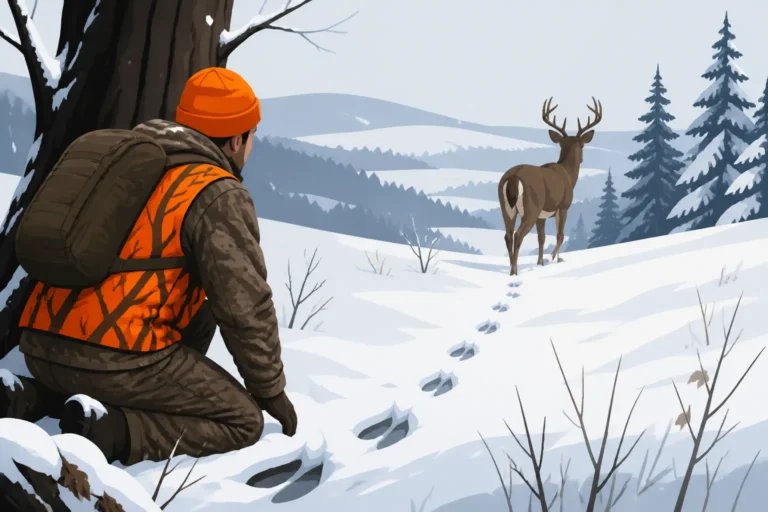
- Organized Tracking: Once you begin Tracking a Deer in Pennsylvania Snow (or leaves, or mud), designate one person as the primary tracker, focusing on blood and tracks. Others should fan out slightly, looking for more sign, broken branches, or the deer itself, but always staying in sight and communication with the tracker.
- Tools for Extraction: Bring a good deer drag or a sled, especially if you expect snow or long distances. For truly rugged terrain, consider using a deer cart if the ground is traversable, or even breaking the deer down into quarters for a backpack haul. You’d be amazed at how much easier it is to Getting a Deer Out of a Pennsylvania Hollow if you share the load.
- Field Dressing: If the weather is warm, Field Dressing a Deer in Cold Weather is less of a concern, but it's always critical to get it done quickly to cool the meat. Everyone can assist in this, making the process faster and more efficient.
The camaraderie of a successful recovery, even a tough one, is often as rewarding as the hunt itself. It solidifies the bond within your small hunting crew.
| Role | Primary Responsibility | Key Skills | Gear Considerations |
|---|---|---|---|
| Walker | Move deer towards standers/blockers | Reading sign, subtle noise, consistent pace | Comfortable boots, orange vest, communication |
| Blocker | Intercept deer attempting to flank the drive | Anticipation, quick decision, stealth, shooting | Orange vest, rifle/shotgun, good optics |
| Stander | Remain still, identify targets, execute clean shot | Patience, stillness, safe shooting, scent control | Elevated stand/blind, rifle/shotgun, binoculars |
| General | Safety, communication, mapping, post-shot recovery | Teamwork, first aid, mapping apps (GoHunt) | Radios, GPS/phone app, drag rope, field dress kit |
Disclaimer
Hunting is an inherently dangerous activity. Always prioritize safety, adhere to all Pennsylvania Game Commission regulations, and obtain appropriate licenses and permits. This guide provides general information and tactics; always exercise your own judgment and ensure you are familiar with the specific area you are hunting.