Game Bags for Warm September Days
There’s nothing quite like the excitement of an early September archery hunt in Pennsylvania. The leaves are just starting to turn, the air has that crisp promise of fall in the mornings, and deer activity picks up. But let's be real: those days can still get hot, and nothing crushes a hunter's spirit faster than bringing down a beautiful buck only to realize the meat might be spoiling before you even get it home. This guide is all about tackling that exact frustration by showing you how game bags are your absolute best friend for preserving your hard-earned venison in warm weather.
Why Warm September Days Are Such a Challenge for Deer Hunters
We've all been there. You put in the time scouting, practiced your shot, and finally connected with a deer. The adrenaline is pumping, but then you look at the thermometer, and it's pushing 70 degrees in the afternoon. That joyous moment can quickly turn into a race against the clock, and frankly, it's a stressful situation. Pennsylvania's early archery season often delivers these challenging conditions, making proper meat care paramount.
The Urgency of Heat and Humidity
When you harvest a deer, the clock immediately starts ticking on meat preservation, especially in warm temperatures. Bacteria, which are naturally present on an animal's hide and in its gut, begin to multiply rapidly as soon as the animal's internal temperature starts to drop but is still high. The longer that meat stays warm, the faster those bacteria grow, leading to spoilage and that tell-tale "off" smell. Humidity only compounds the problem, creating a perfect breeding ground for undesirable microorganisms.
Beyond bacterial growth, enzymatic processes within the muscle tissue also contribute to spoilage if not managed quickly. Heat accelerates these processes, leading to meat breakdown. Imagine spending countless hours in the woods, investing in gear, and finally finding success, only to have a significant portion of that delicious venison rendered inedible. It's a gut-wrenching experience that many Pennsylvania hunters have faced, particularly those who hunt the Which WMUs Open Archery in September areas where the early season can often feel more like summer than fall.
The Limitations of Traditional Methods
For generations, hunters have relied on gutting an animal and hanging it in the shade to cool down. While field dressing is always the critical first step to reduce internal heat and remove bacteria-laden organs, it’s often not enough on a truly warm day. Just removing the entrails doesn't magically drop the core temperature of a 150-pound deer quickly enough when the ambient air is in the 60s or 70s. The dense muscle mass retains heat for a surprisingly long time.
Hanging a deer whole, even under a dense canopy of oak trees, might work on a crisp November evening, but in September, you're usually just delaying the inevitable. The hide acts like an insulating blanket, trapping heat inside. Moreover, leaving a skinned or unskinned carcass exposed leaves it vulnerable to a whole host of other problems. Flies quickly find exposed meat, laying eggs that hatch into maggots in short order, and opportunistic scavengers like coyotes or even bears can quickly zero in on a cooling deer, especially in more remote sections of Hunting Pennsylvania's Big Woods for Deer. This is where modern game bags come into play, offering a much-needed layer of protection and an aid to cooling.
How Game Bags Are Your Best Friend for Meat Preservation
Game bags aren't just fancy pieces of cloth; they are a vital tool for any hunter operating in less-than-ideal conditions, which, let's face it, is a common scenario during Pennsylvania's early archery season. They provide a simple yet incredibly effective barrier between your meat and the elements, while simultaneously facilitating the most crucial aspect of meat preservation: cooling.
The Science Behind Breathable Protection
The core principle behind game bags is intelligent design: they are breathable. Unlike plastic tarps or garbage bags that trap heat and moisture, high-quality game bags are made from materials that allow air to circulate freely around the meat. This airflow is essential for convection cooling, which is the process of heat transfer where the warmer air surrounding the meat rises and is replaced by cooler air. This continuous exchange helps to dissipate the animal's body heat much more efficiently than if the meat were simply hanging exposed or, worse, sealed in an airtight container.
Beyond cooling, game bags provide an indispensable physical barrier. They protect your venison from insects, especially flies, which can ruin meat within hours by laying eggs that quickly hatch. They also keep dirt, leaves, and other debris from contaminating the meat as you move it or hang it. Furthermore, a good game bag can deter some smaller scavengers and even birds from pecking at your prize, though you'll still want to secure your meat if you're leaving it unattended. They keep your meat clean, making for a much more pleasant butchering experience when you get back to camp or home.
Types of Game Bags and Their Uses
Just like there are different hunting scenarios, there are different types of game bags designed for specific needs. Understanding these variations will help you choose the right tools for your hunt.
| Bag Type / Material | Common Use Case | Pros | Cons |
|---|---|---|---|
| Cotton Bags | Whole quarters, short-distance transport | Affordable, breathable, traditional | Absorbs moisture, heavier when wet, can stain |
| Synthetic (Nylon/Polyester) | Whole quarters, boned-out meat, longer hangs | Lightweight, durable, breathable, often reusable | Can be pricier, some less breathable than others |
| Specialized Fabric (e.g., blend) | Backpack hunting, boned-out, ultimate protection | High strength-to-weight, excellent breathability, reusability | Highest cost, may require specific care |
| Vacuum Seal (Post-processing) | Long-term freezer storage, pre-freezing | Eliminates freezer burn, extends freshness | Not for field use, requires machine |
When you're dealing with a larger animal like a deer, especially in the early season, you'll generally be choosing between bags designed for whole quarters or those for boned-out meat. If you're hunting close to a vehicle and can get the animal out relatively quickly, quarter bags are fantastic. You simply section the animal, place each quarter (with bone in) into its own bag, and hang them. For those deep dives into the Hunting Pennsylvania's Big Woods for Deer or steep mountain hollows, boning out the meat in the field, often with a partner, and carrying it out in smaller, lighter game bags in your backpack might be the only viable option. Brands like GoHunt often highlight the necessity of having robust, lightweight bags for backcountry scenarios where every ounce counts and you need maximum cooling efficiency.
Practical Tips for Using Game Bags on Warm Pennsylvania Hunts
Having the right game bags is only half the battle; knowing how to use them effectively is what truly preserves your meat. From the moment you pull the trigger to when you drop the meat off at the butcher or start processing it yourself, every step counts, especially when the weather isn't cooperating.
Pre-Hunt Preparation and Field Dressing Techniques
The secret to successful meat preservation in warm weather starts before you even leave for your hunt. Always pack enough game bags for the size of animal you're pursuing, plus a few extra for odds and ends. You never know when you might need an extra bag for backstraps or tenderloins. Think about how you'll get the animal out – will you quarter it whole, or will you debone it entirely? This will dictate the type and number of bags you need.
Once you’ve harvested your deer, immediate and thorough field dressing is non-negotiable. Get the guts out as quickly as possible. This removes a significant source of heat and bacteria. If you can, remove the hide in the field, as it acts as an incredible insulator, trapping body heat. While skinning can be messy and time-consuming in the field, it significantly aids in cooling the carcass. If you're quartering, ensure your knife is sharp and your hands are clean. Separate the four quarters, remove the backstraps and tenderloins, and place each piece into its own individual game bag. The goal is to get as much surface area exposed to the air as possible, facilitated by the breathable bags. Don’t forget to remove the head and cape for mounting later if you choose; just make sure to keep the meat clean.
Cooling Strategies Once the Meat is Bagged
Once your meat is neatly tucked into its breathable game bags, the next critical step is to initiate rapid cooling. Simply bagging it up and tossing it in the truck is a recipe for disaster on a hot day. The best way to cool meat is to get it off the ground and into the shade, allowing air to circulate around all sides of the bag. If you're in the deep woods of Hunting Pennsylvania Clearcuts and Regrowth or along a steep ridge, look for a sturdy tree limb where you can hang the quarters. The higher off the ground, the better, as it allows for maximum airflow and keeps the bags away from ground-level critters.
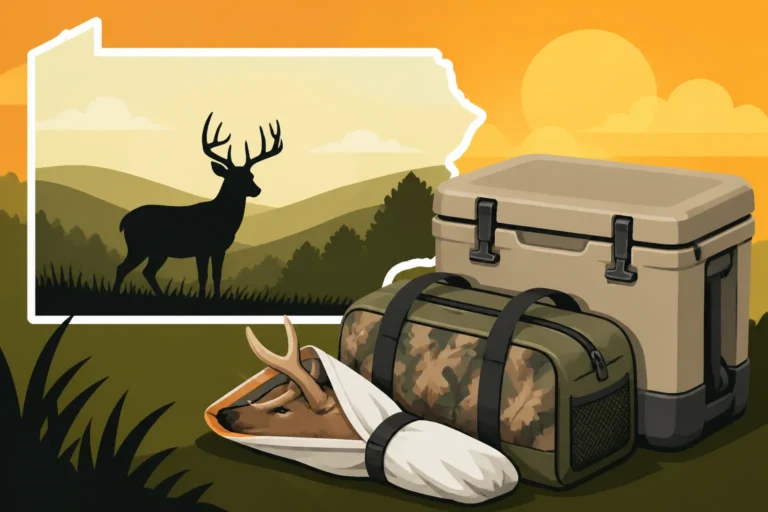
If you have access to ice, it can be a game-changer. Pack coolers with ice, but here's the crucial tip: never place bare meat directly on ice or in standing water. The water can leach flavor and promote bacterial growth. Instead, place your game-bagged meat above the ice on a grate or platform, or pack ice around the outside of the bags. This creates a cold, dry environment that will continue the cooling process. Many hunters will even pack a large cooler full of block ice to take to their truck, ready to receive the bagged quarters immediately. GoHunt users often share creative ways to improvise cooling setups using whatever resources are available in the field.
Transport and Post-Hunt Care
The journey from the field to your processing area or butcher is another critical window for meat preservation. Avoid piling bagged meat directly onto a hot truck bed, especially if it’s sunny. If possible, keep the meat shaded, covered with a light, breathable cloth (not a heavy tarp that will trap heat), and continue to maximize airflow during transport. If you have coolers with ice, use them. The quicker you can get the core temperature of that meat down to refrigerator levels (around 35-40°F), the safer and better tasting it will be.
Upon arriving home or at camp, if you're not immediately processing the meat, transfer it to a cool, dry place like a basement or a dedicated meat refrigerator. If you don't have suitable cold storage, your best bet is to get it to a reputable butcher quickly. Remember, chilling the meat thoroughly is essential for proper aging and tenderization. After use, be sure to wash your reusable game bags thoroughly. Many can be machine-washed and air-dried, ready for your next hunt. Investing in quality, reusable bags is not only economical but also environmentally friendly.
Choosing the Right Game Bags for Your Pennsylvania Adventures
The market for game bags has expanded significantly, offering options for every type of hunter and hunting situation. Knowing what to look for can make a big difference in how well your meat is preserved, especially when facing the challenges of Hunting the Early Archery WMUs in September.
Material Matters: From Cotton to Specialized Synthetics
The material of your game bag is incredibly important for its performance. Traditional cotton bags are often budget-friendly and breathable. They do a decent job of keeping flies and dirt off, but they tend to absorb moisture, which can make them heavy when wet and also potentially promote bacterial growth if the meat isn't drying out effectively. They are also less durable than synthetic options and can be prone to staining.
On the other end of the spectrum are specialized synthetic bags, often made from blends of nylon, polyester, or proprietary fabrics. These bags, often highlighted by gear reviewers and brands like GoHunt, are designed to be lightweight, incredibly strong, and highly breathable. Many are treated to be water-resistant or even antimicrobial, offering superior protection and longevity. They dry quickly, are easy to clean, and are usually much more compact to carry in your pack. While they come with a higher price tag, their durability and performance often make them a worthwhile investment for the serious hunter who prioritizes meat care. Between these two extremes, you'll find various blends and weaves that offer a balance of features and cost.
Sizing Up Your Options: Quarters vs. Boned-Out
Choosing the right size of game bag depends heavily on your hunting style, the size of the game you're after, and your preferred method of egress. For a typical Pennsylvania whitetail, many hunters opt for a set of quarter bags. These are sized to fit an entire hindquarter, forequarter, and separate bags for the backstraps, tenderloins, and trim. This system works well if you're quartering the animal bone-in and can get it out of the woods relatively quickly to a cooler or processing facility.
If you're planning a backcountry hunt, tackling steep terrain, or want to minimize weight, boned-out meat bags are the way to go. These bags are smaller and lighter, designed to hold deboned muscle groups. You'll typically need more of them to hold all the meat from a deer, but they allow you to pack the meat efficiently into a backpack, making for a much more manageable carry out of tough country. Always err on the side of having too many bags rather than too few. You don't want to harvest a beautiful animal and then realize you don't have enough clean, breathable bags to protect every ounce of that precious venison. It’s always smart to have a general-purpose, larger bag for odd cuts or to use as an outer layer for added protection.
Disclaimer
This article is for general informational purposes only and does not constitute professional advice. Laws, prices and regulations vary by location and change over time. Consult a qualified professional for guidance on your specific situation.