Which Pennsylvania WMUs Sell Out First
It's an annual rite of passage for many Pennsylvania hunters, a frantic dash that can feel more stressful than the deer season itself: trying to secure those coveted antlerless tags. You know the drill – you’ve got your eye on a specific Wildlife Management Unit (WMU) that holds special meaning or promising prospects, only to log on or visit an agent the moment sales open and find that all the tags for your chosen WMU are already gone. It's truly frustrating to miss out before you even get a shot at the woods. This guide is here to shed some light on which Pennsylvania WMUs consistently sell out first, why they do, and what you can do to boost your chances of getting a tag.
Understanding Pennsylvania's Antlerless Tag System
The Pennsylvania Game Commission (PGC) manages antlerless deer harvests through a unique system of WMU-specific licenses. Unlike your general hunting license, which is statewide, antlerless tags are allocated in limited numbers for each WMU to meet specific deer management goals. This approach aims to balance deer populations with habitat capacity and reduce conflicts in different regions across the state. It sounds straightforward, but in practice, it creates a highly competitive environment, especially for certain areas.
The competition for these tags is fierce, and it only seems to intensify each year. Whether you're a seasoned veteran or a hunter new to the system, the experience of trying to secure a tag can be bewildering. There's a tangible sense of urgency and often a bit of luck involved. The PGC’s system, which includes various rounds of sales and specific timelines for residents and non-residents, means that being prepared and understanding the nuances is crucial. If you want a deeper dive into the overall system, you might find our comprehensive guide on Pennsylvania Antlerless Deer Licences Explained to be quite helpful.
The Antlerless Licence Sale Schedule and Rounds
The sale of Pennsylvania antlerless deer licenses doesn't happen all at once; it's a carefully phased process designed to give residents the first crack at the tags. This multi-round approach significantly impacts when and how quickly certain WMUs sell out.
First up, Pennsylvania residents get an exclusive purchase period. This is typically in late June, and it’s the primary opportunity for most hunters to buy their first antlerless license. If you're a resident, this is your absolute best chance to grab a tag for a high-demand WMU. The competition during this initial phase is intense, especially for the WMUs we'll discuss shortly. You literally need to be ready to click "buy" the second the clock strikes the opening minute of the sale.
Following the resident-only round, if tags remain (which for many WMUs, they certainly don't), a second round opens, usually a couple of weeks later. This round is also for residents, often allowing them to purchase additional tags if they so choose, assuming there are any left. Then, and only then, do non-resident hunters get their turn, usually starting in mid-July. By this point, most of the highly sought-after WMUs have long been depleted. It's a tough reality for out-of-state hunters, who often have to settle for WMUs with lower demand or significantly fewer remaining tags. Finally, any leftover tags might be available in subsequent rounds, usually by WMU, throughout the summer and into the fall, but these are almost exclusively for WMUs that weren't popular in the first place. This structured rollout means that the pressure is front-loaded onto those initial resident sales, making speed and preparedness paramount. Don't forget that crucial July Deadline for Guaranteed WMU Choice if you want to ensure your pick.
The WMUs That Consistently Sell Out First
Now for the million-dollar question: which WMUs are the hardest to get into? Based on years of hunter experiences and PGC data, a handful of Wildlife Management Units consistently top the list for selling out within minutes, sometimes even seconds, of the sale opening. These WMUs share common characteristics: high deer densities, proximity to major population centers, and often a mix of suburban and farm country habitat where deer thrive and access can be tricky, making private land tags especially valuable. Understanding these dynamics is key to knowing where the competition will be fiercest. The PGC's annual Pennsylvania Antlerless Allocation by WMU report gives us a good indication of where tags are tight.
High-Demand WMUs in the Southeast
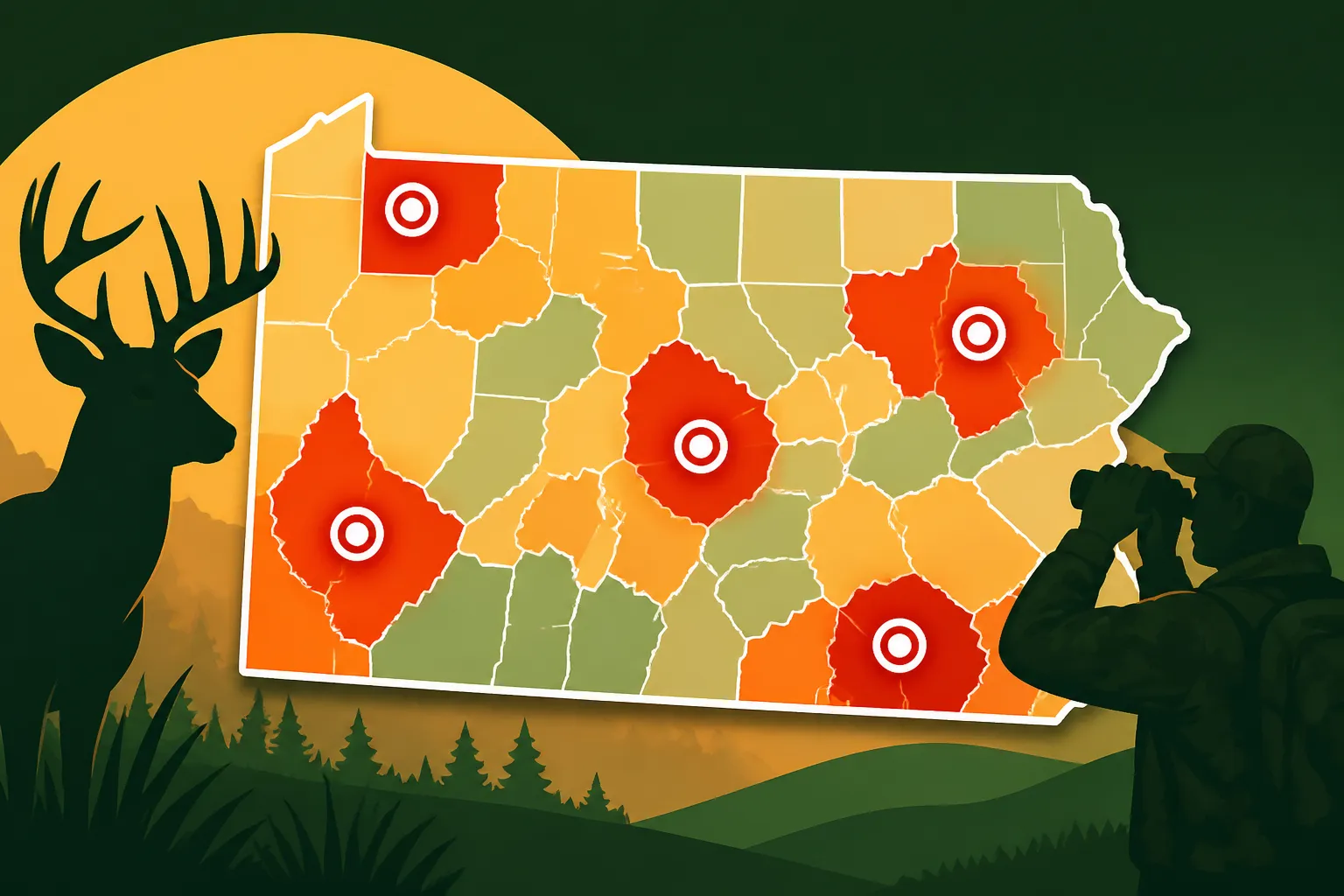
When we talk about rapid sell-outs, our eyes immediately turn to Southeast Pennsylvania. WMUs 5C and 5D are legendary for their instantaneous depletion of antlerless tags. These areas encompass counties like Bucks, Montgomery, Chester, Delaware, and Philadelphia itself, making them incredibly accessible for the millions of people living in and around the greater Philadelphia metropolitan area.
Why are they so popular? It's a combination of factors. First, deer thrive in these suburban and agricultural landscapes. With abundant food, limited predation, and fragmented cover, deer populations can grow quite large, leading to significant landowner tolerance issues and more tags being allocated. Second, access to private land in these densely populated areas is a golden ticket. Hunters who secure permission on farms or larger tracts within these WMUs often rely on these tags year after year. The demand from hunters who live nearby and those with private land access drives the initial rush. Hunting in these areas can be quite different from the big woods, often involving much more nuanced approaches, as detailed in our guide on Suburban Deer Hunting in Southeast Pennsylvania. If you're looking to hunt the fertile grounds near cities, mastering Hunting Pennsylvania Farm Country Edges will be critical.
Western and Central Pennsylvania Hotspots
Moving west, WMU 2B is another perennial sell-out champion. This WMU largely covers Allegheny County and the sprawling suburbs surrounding Pittsburgh. Similar to the southeast, 2B boasts a high deer population within a heavily populated suburban environment. The sheer number of hunters living in the area, coupled with relatively high deer numbers in green spaces, parks, and smaller woodlots, creates immense pressure on the antlerless tag supply. Tags for 2B are often gone faster than you can say "Yinzer."
Other WMUs in western and central PA, such as 2A (Greene, Washington, Fayette counties) and 2C (Westmoreland, Indiana, Somerset), also experience high demand and can sell out relatively quickly, especially in the earlier rounds. These areas tend to have a mix of agricultural land and more expansive timber, offering diverse hunting opportunities. Their popularity stems from consistent deer populations and their proximity to other medium-sized population centers. Hunters here appreciate the chance to fill their freezer close to home.
Northern Tier and Northeast Pressures
While the southeastern and western WMUs often get the most attention for their rapid sell-outs, certain WMUs in the northern tier and northeast can also be gone quite early. WMUs like 3A (parts of Bradford, Susquehanna, Tioga counties) and 4C (Schuylkill, Carbon, Lehigh counties) are good examples. These areas might not have the extreme population density of 2B or 5C, but they offer attractive hunting opportunities with a mix of rugged timber and agricultural fields.
The appeal here often comes from a perception of quality hunting and easier access to public lands compared to the urban fringe. Hunters from more populated regions might target these WMUs, driving up demand. For instance, parts of WMU 4C, while geographically diverse, include areas close enough to the Lehigh Valley that they see significant hunter pressure. While they might not vanish in seconds, they require prompt action during the initial sales rounds.
Strategies for Securing Your Desired Antlerless Tags
So, you know which WMUs are tough to get into. Now, what can you actually do about it? Getting an antlerless tag in a high-demand WMU isn't just about luck; it's about preparation, speed, and having a backup plan. The stakes are high, especially if you have a specific property or hunting spot in mind. To successfully navigate this system, you need to be strategic. We have a dedicated article on How to Buy a Pennsylvania Antlerless Licence that covers the purchase process in detail, but let's dive into some specific tactics for these competitive WMUs.
Act Fast: Be Ready on Opening Day
This cannot be stressed enough: you must be ready the literal second sales open for your resident round. If you wait even a few minutes, especially for WMUs 2B, 5C, or 5D, you're likely to be out of luck.
Here’s a breakdown of how to prepare:
- Know the Exact Date and Time: The PGC announces the exact date and time for each round of sales well in advance. Mark your calendar, set multiple alarms, and double-check these times, including time zone differences if you're not physically in PA.
- Online is Key: While you can purchase tags from licensing agents, buying online through the PGC's HuntFishPA portal is generally the fastest method. Ensure your account is set up, your credit card information is saved, and you know your Customer ID. Log in before the sale opens.
- Multiple Browsers/Devices: Some hunters employ the tactic of having multiple browser tabs open or even using different devices (e.g., computer and phone) simultaneously. While this isn't a guarantee, it can sometimes increase your chances if one connection is faster or if the site experiences a momentary glitch on one device.
- Team Up: If you hunt with family or friends, coordinate. Have everyone try to get tags for the same WMU the moment sales open. If one person gets through, they can secure the tags, and others can then back out. Just be careful not to accidentally buy too many! Remember, there are rules on How Many Antlerless Tags You Can Hold.
Consider Less Pressured WMUs or DMAP
Sometimes, despite your best efforts, your preferred WMU sells out. Or maybe you're a non-resident, or you just want to avoid the stress. This is where having a Plan B comes into play.
- Adjacent WMUs: Often, WMUs adjacent to the high-demand areas might offer similar hunting opportunities but with significantly less pressure on tags. For example, if 5C is impossible, look at 5B or parts of 4C or 4A, which might have tags available longer. Do your scouting beforehand to understand the deer movement and habitat in these secondary options. While they might not be as "prime," they could still offer excellent hunting.
- DMAP Permits: The Deer Management Assistance Program (DMAP) is a fantastic alternative. These permits are allocated for specific parcels of land, both public and private, where landowners or the PGC are looking to manage deer populations more intensively. DMAP permits are separate from regular antlerless licenses and are specific to the DMAP unit. You can often purchase these later in the season. These can be a lifesaver, especially for hunters with private land access or those willing to explore new public lands. Understanding DMAP Permits Differ From Antlerless Tags is crucial here, and our guide on Applying for a DMAP Permit can walk you through the process.
Leveraging Tools and Information
In today's digital age, staying informed and using available tools can give you an edge. The PGC's website is your primary source for official dates, allocations, and remaining tag numbers. However, other resources can help you refine your strategy.
Many hunters use platforms that aggregate hunting data and provide insights. For instance, some users rely on tools from companies like GoHunt to track tag availability, analyze draw odds in other states (though PA's system is different), and get a broader picture of hunting opportunities. While GoHunt primarily focuses on Western big game, the principle of using data analytics to inform your tag strategy is sound. Keeping an eye on community forums and online discussions can also provide real-time updates on which WMUs are selling out. The key is to gather as much information as possible leading up to and during the sale, cross-referencing it with official PGC data. Don't underestimate the power of knowing exactly when Pennsylvania Licences Go on Sale Each Year to ensure you're ready.
The Impact of Changing Deer Populations and Hunter Pressure
The dynamics of antlerless tag sales aren't static; they shift year to year based on several factors, most notably changes in deer populations and hunter behavior. The PGC constantly monitors deer numbers, habitat health, and harvest success rates to adjust antlerless allocations annually. These adjustments directly impact how quickly tags sell out.
For example, if a WMU sees a significant increase in its deer population, the PGC might issue more antlerless tags, which could, in theory, alleviate some of the selling pressure. Conversely, if a WMU experiences a population decline or a particularly successful hunting season, the PGC might reduce the number of tags, making them even harder to acquire. It's a delicate balance the commission tries to maintain, as outlined in their Pennsylvania Deer Population Estimate and Deer Density by Pennsylvania WMU reports.
Monitoring PGC Updates and Allocation Changes
Because these factors are always in flux, staying current with the Pennsylvania Game Commission's official announcements is paramount. Each year, usually in late spring or early summer, the PGC releases its proposed and then final antlerless license allocations for each WMU. This information is your earliest indicator of where the pressure might increase or decrease.
Pay close attention to these announcements. If you see a significant drop in allocation for your target WMU, you know the competition will be even stiffer. If you see an increase, it might offer a glimmer of hope. These reports are usually available on the PGC's website and are widely discussed in hunting circles. Many hunters use this information to decide whether to stick with their preferred WMU or to start scouting backup locations. Don't just show up on sale day hoping for the best; do your homework months in advance.
The Ripple Effect of Sunday Hunting
The expansion of Sunday hunting opportunities in Pennsylvania has also added another layer of complexity to hunter behavior and, by extension, antlerless tag demand. Historically, Sunday hunting was severely restricted, limiting when hunters could be in the woods. Now, with more Sundays open for deer hunting (and some other species), it has certainly influenced hunter participation and where people want to hunt.
For some hunters, the ability to hunt on a Sunday, especially during the archery or general firearms season, makes certain WMUs more attractive. This added opportunity could potentially increase demand for tags in WMUs that were already popular, as hunters might feel they have more time to utilize their tags. Conversely, it might spread hunters out a bit more, reducing localized pressure. It's still a relatively new development, but it's something to consider when planning your strategy. To understand the full scope of these changes, you can read our article on What Sunday Hunting Changed in Pennsylvania.
Here's a quick reference table showing some of the WMUs that historically sell out quickly, along with their primary characteristics:
| WMU | General Location | Primary Characteristics | Historical Demand | Notes |
|---|---|---|---|---|
| 2B | Allegheny County (Pittsburgh) | Suburban, high deer density, fragmented habitat | Extremely High (Minutes) | Closest to major metro area in Western PA |
| 5C | Southeast (Philly suburbs) | Suburban/agricultural mix, high deer density | Extremely High (Minutes) | High population density, good private land deer |
| 5D | Philadelphia/Delaware Metro | Heavily suburban/urban, significant deer populations | Extremely High (Minutes) | Very limited public land, high private land demand |
| 2A | Southwest (Greene/Wash. Co.) | Rural/agricultural, consistent deer populations | High (Hours-Days) | Popular for both resident and non-resident hunters |
| 2C | Southwest (Westmoreland/Somerset) | Varied terrain, mixed habitat, good deer numbers | High (Hours-Days) | Strong local hunter base |
| 3A | Northern Tier (Bradford/Tioga) | Mix of big woods and agriculture, good deer numbers | Moderate-High (Days) | Attracts hunters from more populated areas |
| 4C | South Central (Schuylkill/Lehigh) | Ridge and Valley, agricultural, accessible | Moderate-High (Days) | Diverse habitat, draws from Lehigh Valley |
Note: Sell-out times are historical approximations and can vary each year based on allocation and hunter demand.
Disclaimer
Hunting is an inherently risky activity. Always prioritize safety, understand and follow all Pennsylvania Game Commission regulations, and be aware of your surroundings. This guide provides informational content and should not replace official PGC publications or hunter education. Always verify current regulations and season dates directly with the Pennsylvania Game Commission.