How the Hunter Access Program Works
Oh, the age-old dilemma of finding a great place to hunt in Pennsylvania! It's a struggle many of us face, isn't it? You spend hours poring over maps, driving back roads, only to be met with "No Trespassing" signs at every turn. It can feel like all the good spots are locked up tight. But what if there was a program specifically designed to open up more private land for hunting, benefiting both landowners and us, the hunters? This guide is going to walk you through exactly how the Pennsylvania Game Commission's Hunter Access Program (HAP) works, how you can find these valuable hunting grounds, and what you need to do to ensure you're a respectful guest.
What is the Hunter Access Program and Why Does it Matter?
Let's be honest, Pennsylvania has a lot of public land – we're blessed with State Game Lands, State Forests, and even portions of the Allegheny National Forest. But for many hunters, especially those of us who live closer to more developed areas or who simply crave variety, private land offers unique opportunities. The problem is, securing permission on private property can be incredibly challenging. Landowners have concerns about liability, property damage, and simply not knowing who is on their land. That's where the Hunter Access Program comes in, bridging that gap between eager hunters and willing landowners.
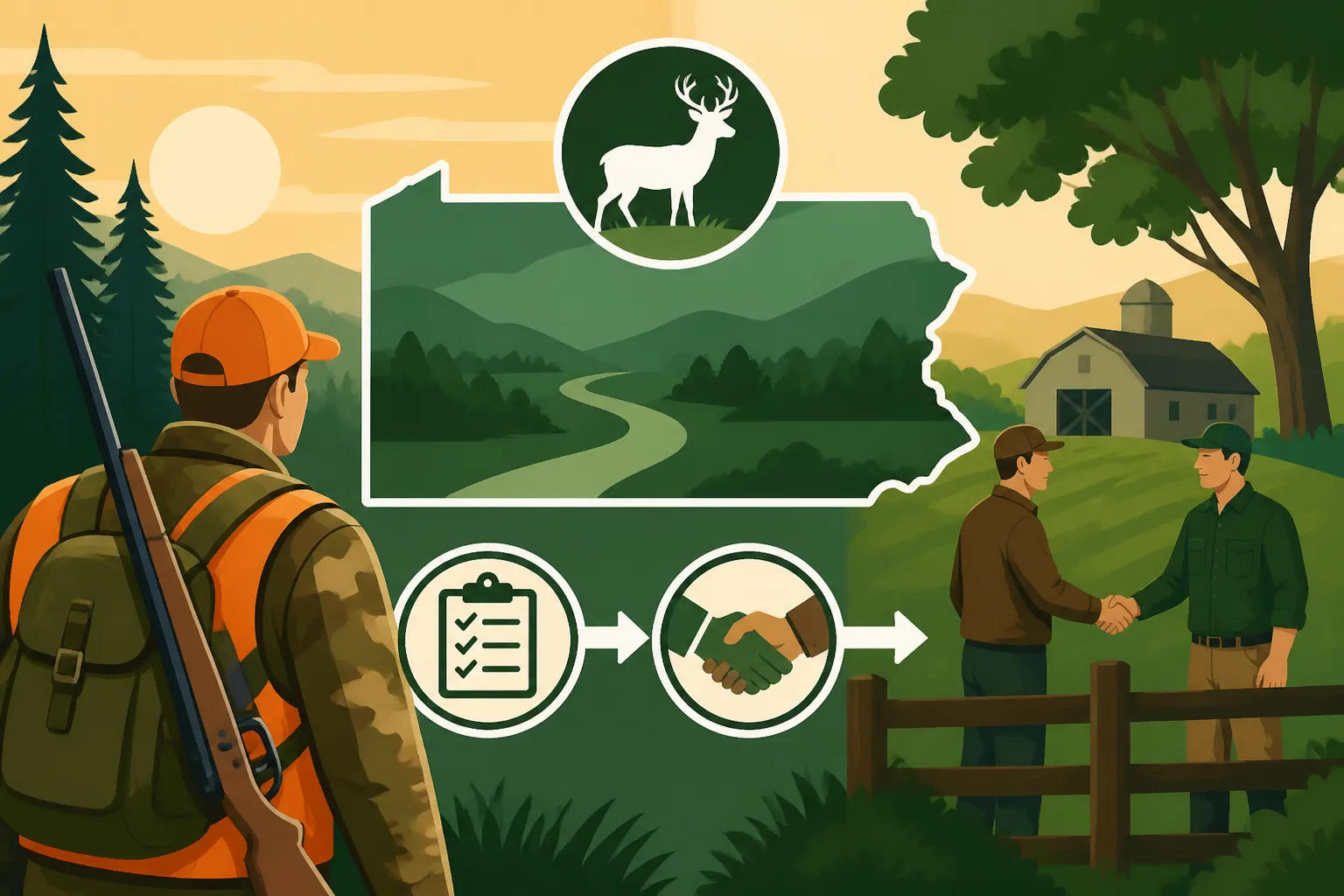
The Hunter Access Program isn't just a casual handshake agreement; it's a formal partnership administered by the Pennsylvania Game Commission (PGC). Essentially, the PGC works with private landowners who are willing to open their land, or at least portions of it, to public hunting. In return, these landowners receive a host of benefits that make participating worth their while. For us hunters, it means more ground to explore and new areas to pursue game, often in regions that might otherwise be completely off-limits. It's a game-changer for folks tired of the crowds on public ground or those looking for specific types of habitat.
The program's importance can't be overstated. With growing development and changing land ownership patterns, access to prime hunting spots is becoming more scarce. HAP helps to counteract this trend by formalizing relationships and providing incentives that make private land accessible. It’s a win-win: landowners get peace of mind and assistance, and hunters get more opportunities. Without programs like this, many of us would be squeezed into smaller and smaller parcels of public land, leading to increased pressure and a less enjoyable hunting experience. It truly helps to maintain our hunting heritage by expanding the footprint where we can pursue game.
How Landowners Benefit and What They Commit To
For the Hunter Access Program to work, landowners need a compelling reason to participate. Let's face it, opening your private property to strangers can feel like a big step. The PGC understands this completely, which is why they've structured the program to offer significant benefits that address common landowner concerns. It's not just about a few bucks; it's about peace of mind and practical support.
Incentives and Support for Landowners
One of the primary benefits for landowners is liability protection. This is a huge concern for anyone considering allowing others onto their property. Under Pennsylvania's Recreational Use of Land and Water Act, landowners who allow public recreational use of their land, typically without charge, are generally shielded from liability for injuries. However, the Hunter Access Program often goes a step further by providing additional assurances and working closely with landowners to mitigate risks. They aren't just left to fend for themselves.
Beyond liability, the PGC offers a range of tangible benefits. These can include:
- Financial Compensation: While not always the primary motivator, landowners often receive lease payments or other financial incentives from the PGC for opening their land. This can help offset property taxes or other ownership costs.
- Habitat Management Assistance: Many landowners are passionate about wildlife but might not have the resources or expertise to implement habitat improvements. The PGC can provide technical assistance, and sometimes even equipment or personnel, to help manage timber, create food plots, or establish early successional cover, benefiting both game and non-game species.
- Increased Law Enforcement Patrols: Having hunters on your land can sometimes come with concerns about poaching or other illegal activities. PGC Wildlife Conservation Officers (WCOs) often increase their patrols on Hunter Access properties, providing an added layer of security and helping to ensure that hunters are following the rules.
- Program Signage: The PGC provides clear, recognizable signage for participating properties, indicating that hunting is permitted and outlining any specific rules or restrictions. This helps to manage expectations for both hunters and non-hunters and reduces unauthorized trespassing.
- Deer Management: For landowners struggling with deer damage to crops or landscaping, the HAP can be a crucial tool. By encouraging more hunting pressure, especially on antlerless deer, the program helps to reduce local deer populations, alleviating agricultural or ecological impacts. This can be a huge relief for farmers trying to protect their livelihoods.
Landowner Commitments and Potential Restrictions
Of course, participation in the Hunter Access Program isn't a one-way street. Landowners make commitments too. The core agreement is to open their land to public hunting for a specified period, typically for specific game species or during certain seasons. This means replacing those "No Trespassing" signs with "Hunter Access Program" signs, or similar, indicating that hunters are welcome.
However, landowners retain the right to impose reasonable restrictions to protect their property and ensure safety. These restrictions are clearly communicated through signage and are part of the agreement with the PGC. Common restrictions you might encounter on HAP land include:
- Designated Parking Areas: To prevent vehicles from damaging fields or blocking access roads, landowners often specify where hunters should park. Always respect these designated spots.
- Foot-Traffic Only Areas: Some areas, particularly sensitive agricultural fields or residential buffers, might be open only to foot traffic, prohibiting ATVs or other vehicles.
- No Sunday Hunting: While Pennsylvania has expanded Sunday hunting, some landowners might still choose to prohibit it on their property due to personal preference or other land-use considerations. Always check for specific signage. Which Seasons Still Have No Sunday Hunting is a good read for general context.
- Species-Specific Hunting: A landowner might open their property only for deer hunting, but not for small game or turkeys, or vice-versa.
- Safety Zones: The PGC works with landowners to ensure safety zones around buildings and occupied structures are respected, but landowners may have additional private safety areas. It's always a good idea to refresh yourself on Safety Zone Rules Around Buildings before heading out.
Understanding these landowner commitments and potential restrictions is paramount for hunters. By respecting these rules, we ensure the program continues to thrive and more landowners are encouraged to participate, expanding our hunting opportunities across the state.
How Hunters Can Find and Use Hunter Access Properties
Okay, so you're sold on the idea of the Hunter Access Program. Now comes the practical part: how do you actually find these magical parcels of land, and what do you need to do once you're there? This isn't like finding State Game Lands; it requires a bit more research and a good dose of respect.
Locating Hunter Access Lands
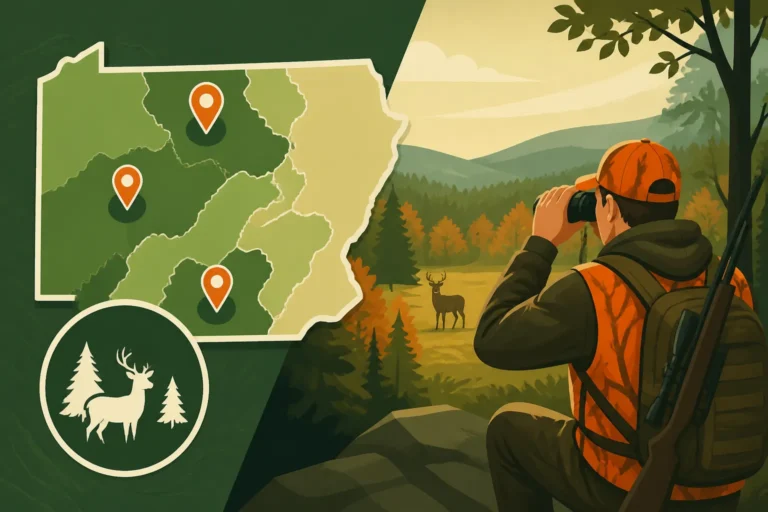
The first place to start your search is always the Pennsylvania Game Commission's official website. They typically have a dedicated section for the Hunter Access Program, which includes interactive maps and lists of cooperating landowners. These resources are invaluable for identifying properties in your target regions. Don't just glance at the map; zoom in, look for details, and cross-reference with other mapping tools.
Here's a breakdown of how to approach finding HAP land:
- PGC Website and Maps: The PGC often publishes maps or provides links to geospatial data showing HAP properties. Look for signs of the program in specific counties or Wildlife Management Units (WMUs) where you like to hunt. Sometimes, these are marked with special icons or color overlays on their mapping systems.
- Road Scouting: After identifying potential areas on a map, nothing beats putting boots on the ground (or at least tires on the road). Drive around the general vicinity of suspected HAP properties. Look for the distinct Hunter Access Program signs, which are often yellow or orange and clearly state that hunting is permitted. These signs are your direct confirmation.
- Mapping Apps: This is where modern technology really shines. Tools like onX Hunt are incredibly powerful. Many mapping apps allow you to view public and private land boundaries, and often include overlays or points of interest for programs like HAP. By using these layers, you can quickly identify parcels that are part of the program, see the landowner information (though HAP properties are public access by agreement), and scout potential entry points and terrain features. The onX Layers for Pennsylvania Land Status can be particularly useful here, helping you discern between various types of public and accessible private land. While GoHunt might be a general hunting resource, for mapping specific property lines and HAP parcels, onX Hunt is often the go-to for many Pennsylvania hunters.
- Local Knowledge: Don't underestimate the power of local conservation clubs, sporting goods stores, or even friendly conversations with locals. Sometimes, word-of-mouth can lead you to properties that aren't widely advertised online, or provide insights into specific access points or common hunting patterns.
Remember that these properties are primarily private land. While the program grants public hunting access, it's still crucial to respect the boundaries and rules set forth by the landowner and the PGC. Always verify the most current information before heading out, as participation can change over time.
Navigating Rules and Access
Once you've identified a Hunter Access property, using it effectively and respectfully is key. It's not "free for all" land; it's a privilege.
Here's what you need to keep in mind:
- Read All Signage: Seriously, read every sign. These will outline specific parking instructions, permitted activities (e.g., foot traffic only), any prohibitions (e.g., no Sunday hunting, specific game allowed), and sometimes even phone numbers for landowner contact in case of issues. Disregarding signs is a quick way to get a property removed from the program.
- Stick to Designated Access Points: Don't just hop a fence wherever you feel like it. Use established entrances, driveways, or gates. If a gate is closed, close it behind you. If it's open, leave it open unless otherwise specified.
- Respect Safety Zones: Just like any other hunting land, legal safety zones around buildings, homes, and occupied structures apply. Always know your surroundings. Pennsylvania Trespass and Permission Law is also critical to understand, as even on HAP land, you still need to adhere to general laws.
- Check Seasons and Regulations: Ensure the game you're pursuing is in season and that you have all the necessary licenses and permits. Pennsylvania Hunting Licences and What They Cost is a good starting point if you're new to the process.
- Be a Good Steward: This program relies on the good behavior of hunters. Pack out everything you pack in, and if you see litter, consider packing that out too. Leave no trace. Avoid damaging crops, fences, or other property.
By diligently finding these properties and then using them responsibly, you contribute directly to the success and expansion of the Hunter Access Program, ensuring that more private land remains open for generations of hunters to come.
Tips for Respectful and Successful Hunting on HAP Land
Hunting on Hunter Access Program land is a unique opportunity, but it comes with a heightened responsibility. Unlike State Game Lands, you're a guest on private property. Your actions directly reflect on all hunters and can influence a landowner's decision to continue or discontinue their participation in the program. Being respectful isn't just good manners; it's essential for the longevity of this vital resource.
Hunter Etiquette and Responsibility
When you step onto a Hunter Access property, remember that you are representing the entire hunting community. Every interaction and every action counts.
- Communicate When Possible: While not always required, if you see the landowner, a friendly wave and a quick "Thank you for letting us hunt here" can go a long way. Some landowners even appreciate a heads-up if you'll be hunting frequently, though this isn't always feasible or necessary. If you need to retrieve a deer that crosses onto an adjacent, non-HAP private property, make sure you understand the rules for Retrieving Game From Private Land and obtain permission first.
- Mind Your Vehicle and Parking: Park only in designated areas. Never block gates, driveways, or roads, even if it seems temporary. If the ground is wet and you're worried about making ruts, consider parking further away and walking in. The last thing a landowner wants is a damaged field or blocked access.
- Leave No Trace (and then some): This means packing out all your trash, including spent shell casings, empty food wrappers, and anything else you brought in. If you stumble upon some existing litter, consider picking it up. A clean property is a happy landowner.
- Respect Crops and Livestock: If hunting near active agricultural fields, be incredibly careful not to damage crops. Stay on field edges or designated paths. Give livestock a wide berth; never harass or disturb farm animals. Close all gates that you open, unless explicitly told otherwise, to prevent livestock from escaping.
- Be Mindful of Noise: While hunting involves some noise, avoid excessive shouting, loud music, or anything that might disturb the landowner or their neighbors, especially early in the morning or late in the evening. This includes operating ATVs or other vehicles quietly if they are permitted.
- Know and Follow All Rules: We've touched on this, but it bears repeating. Every sign, every restriction, is there for a reason. Adhere to specified hunting hours, species restrictions, and any other unique rules the landowner or PGC has put in place for that property. This also applies to general hunting regulations like Pennsylvania Hunter Orange Rules during firearms seasons.
Maximizing Your Hunting Success on HAP Lands
Beyond etiquette, there are some practical steps you can take to make your hunting experience on HAP lands more successful. These properties often see less pressure than public land, but they can also be trickier to pattern.
- Pre-Season Scouting: Even if you can't walk the property before the season, use aerial maps like those in onX Hunt or the PGC's mapping center. Look for potential bedding areas, food sources (especially agricultural fields or specific mast trees), water, and natural funnels. Identify likely travel corridors. Since many of these properties are agricultural, learning about Hunting a Standing Cornfield in Farm Country or Hunting Farm Country Deer in Southern Pennsylvania can be incredibly useful.
- Hunt the Edges and Transitions: Private land, especially those enrolled in HAP, often border other private properties or even public land. These transition zones can be fantastic for catching deer moving between areas. Look for pinch points, fencelines, and breaks in cover. Hunting the Pennsylvania Rut in November or Hunting the Pre-Rut in Late October can be especially effective around these agricultural areas.
- Adapt Your Tactics: The type of land enrolled in HAP varies greatly. You might find yourself in deep woods or open farm country. Be prepared to adapt your hunting style. If it's thick cover, Still-Hunting Pennsylvania Big Woods might be more effective. If it's open, a ground blind brushed into a field edge could be perfect, as detailed in Brushing In a Blind on a Field Edge.
- Plan for Game Retrieval: If you're fortunate enough to harvest an animal, have a plan for getting it out. HAP properties can sometimes be challenging to navigate, so knowing the terrain and having a deer cart or sled might be invaluable, especially if you're far from a designated parking area. Dragging a Deer Off a Pennsylvania Mountain can be a challenge on any type of land, so be prepared.
- Consider "Pressure Points": While HAP lands might be less pressured than some State Game Lands, they are still publicly accessible. If you notice a lot of other hunters in an obvious spot, consider working a little harder to find less-traveled areas. Often, the best hunting is just a little deeper or on a different side of the property. Finding Ground Others Walk Past is a skill worth cultivating.
By combining meticulous preparation with unwavering respect for the land and the landowner, you can have incredibly rewarding experiences on Hunter Access Program properties. These areas represent a fantastic opportunity for Pennsylvania hunters, and it's up to all of us to ensure the program's success for years to come.
Here’s a quick overview of key hunter responsibilities on HAP land:
| Responsibility | Description | Why it Matters |
|---|---|---|
| Read Signage | Carefully read all posted signs for specific rules, parking, and restrictions. | Ensures compliance with landowner wishes and program rules. |
| Respect Property | Do not damage crops, fences, or other property infrastructure. | Maintains landowner trust and encourages continued participation. |
| Park Properly | Only park in designated areas, avoid blocking access roads or gates. | Prevents inconvenience and potential damage for landowners and other users. |
| Pack It In, Pack It Out | Remove all trash, including spent casings, food wrappers, and general litter. | Keeps the property clean and demonstrates respect for the land. |
| Adhere to Safety Zones | Maintain legal distances from buildings, residences, and livestock. | Ensures safety for residents, non-hunters, and livestock. |
| Follow Regulations | Abide by all PGC hunting seasons, bag limits, and licensing requirements. | Legal obligation and supports ethical hunting practices. |
| Be Courteous | Acknowledge landowners if encountered, be mindful of noise. | Builds positive relationships and promotes a good image of hunters. |
Disclaimer
This article is for general informational purposes only and does not constitute professional advice. Laws, prices and regulations vary by location and change over time. Consult a qualified professional for guidance on your specific situation.