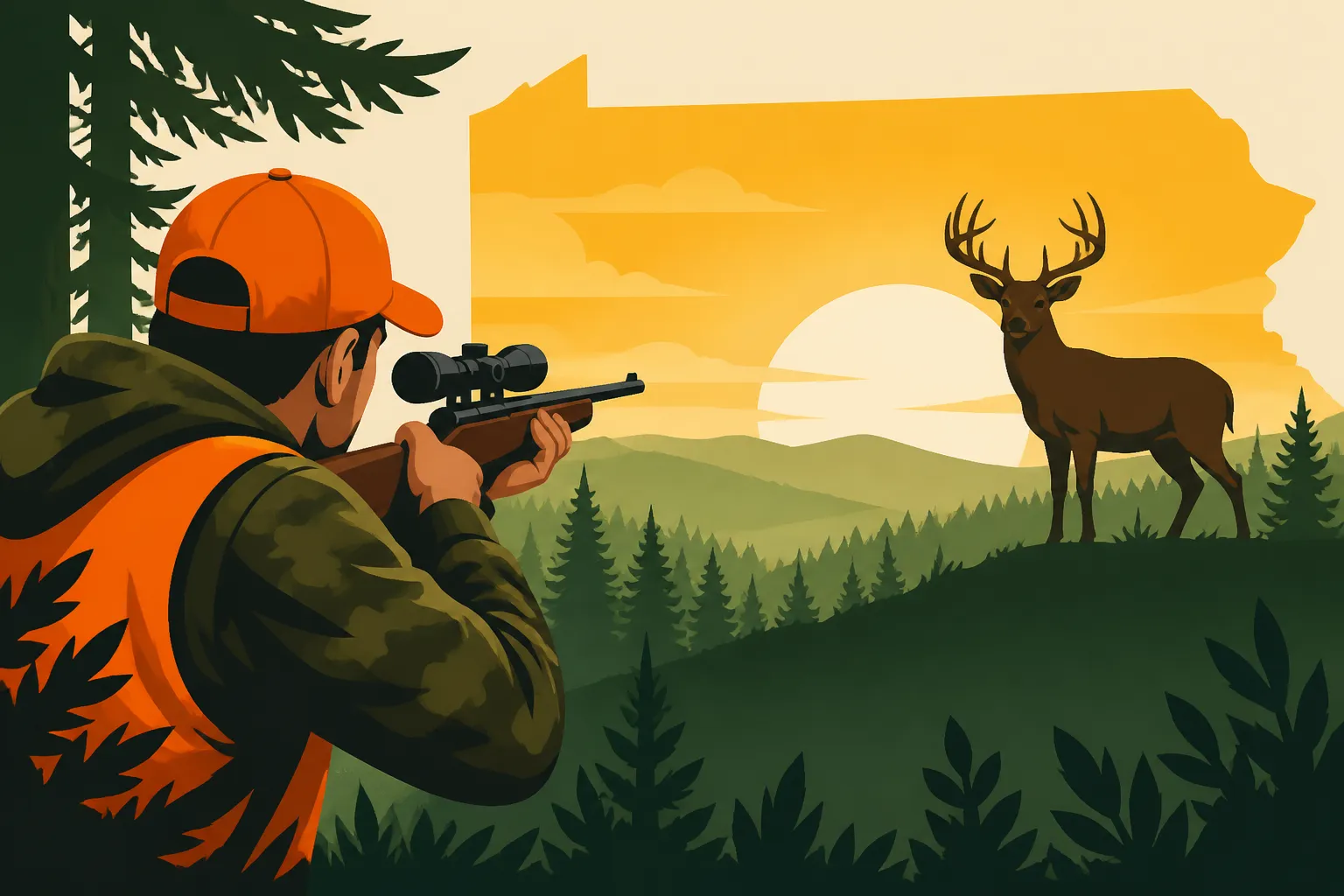
Susquehannock State Forest Hunting
Many Pennsylvania hunters dream of escaping the crowds and truly immersing themselves in the state's rugged wildlands, but navigating vast, remote public hunting areas like Susquehannock State Forest can feel overwhelming. This guide is designed to help you understand the unique challenges and incredible opportunities that come with hunting the Susquehannock, equipping you with the knowledge to make your next big woods adventure a success.
The Wilds of Susquehannock State Forest: A Hunter's Overview
Stepping into Susquehannock State Forest is like stepping back in time, away from the hustle and bustle of more populated areas. It’s a place where the mountains run deep and the timber stretches for miles, offering an unparalleled sense of wilderness. For many, it's the ultimate proving ground for a hunter's skills and endurance, but it also demands a deep understanding of its unique characteristics.
Location and Character: Pennsylvania's Remote Northcentral Gem
Nestled primarily in Potter and Tioga counties, with portions extending into Clinton and McKean, Susquehannock State Forest is one of the largest state forests in Pennsylvania. It encompasses over a quarter-million acres of some of the most rugged, remote, and breathtaking terrain the state has to offer. Often referred to as part of "Pennsylvania's Grand Canyon" country due to its proximity to the Pine Creek Gorge, this forest is characterized by steep ridges, deep hollows, and dense forest cover, predominantly hardwoods like oak, maple, and cherry, interspersed with hemlock and pine. The sheer scale and challenging topography mean that hunting here is a physically demanding pursuit, but it's precisely this wild character that draws those seeking a true big woods experience.
The landscape is a mosaic of mature timber, regenerating clearcuts, and areas with thick undergrowth, all shaped by natural forces and forest management practices. This creates diverse habitats for a variety of game. Unlike farming country where deer densities might be high but cover is limited, Susquehannock offers endless places for game to hide and thrive, rewarding hunters who are willing to put in the effort to find them. Understanding the lay of the land, including the network of forest roads and trails, is critical before you even step foot into the woods.
Navigating the Vastness: Maps, Technology, and Preparedness
The sheer size of Susquehannock State Forest means that getting lost is a very real possibility if you’re not prepared. While there are main roads that traverse portions of the forest, the vast interior is a maze of old logging trails, seasonal roads, and unmarked footpaths. A paper map and compass are non-negotiable backups, but modern technology has revolutionized navigation for public land hunters. Using a GPS unit or a reliable mapping app on your phone, like onX Hunt, can be an absolute game-changer. These tools allow you to pinpoint your exact location, track your movement, mark key points of interest like potential bedding areas or food sources, and visualize topography with incredible detail.
Before you go, it's crucial to download offline maps to your device, as cell service is often nonexistent in many parts of the Susquehannock. Familiarize yourself with the area's motor vehicle maps, which designate roads open to public travel and those that are gated or seasonal. Many hunters find it beneficial to study these maps and aerial photos long before the season opens to identify potential access points, remote hollows, and areas of dense cover that might hold game. Scouting With the Pennsylvania Mapping Center can offer further insights into utilizing digital tools for preparation. This advanced planning can drastically improve your odds of success and, more importantly, ensure your safety in such a remote environment.
Game Species and Habitat in Susquehannock State Forest
Susquehannock State Forest is a haven for several popular game species, each thriving in different aspects of its extensive habitat. Understanding where these animals prefer to live and feed is key to developing a successful hunting strategy. The "big woods" environment presents different challenges and rewards compared to farm country or suburban areas.
Deer Hunting in the Big Woods: Older Bucks, Lower Densities
Deer hunting in Susquehannock State Forest, much like other large tracts of Hunting Pennsylvania's Big Woods for Deer, is a unique challenge. You won't typically find the high deer densities often associated with farm country or suburban areas. However, what you will often find are older, more mature bucks that have survived multiple hunting seasons by mastering the art of evasion in this rugged terrain. These bucks are accustomed to vast movements and often utilize the steepest, most remote sections of the forest for bedding and security. Finding them requires patience, stamina, and a keen understanding of their movements relative to food, cover, and hunting pressure.
Primary food sources for deer in Susquehannock revolve around what the forest naturally provides. Hardwood ridges with abundant oak trees providing acorn crops are always hotspots, especially in early fall. When the acorns fail or are depleted, deer will shift their focus to other mast crops like beech nuts or browse on regenerating clearcuts and young forest growth. Hunting After the Acorn Crop Fails can be a great resource for understanding these shifts. Finding these clearcuts, often created by timber harvests, can be like finding an oasis in the vast timber, as they offer both food and thick cover. Hunting Pennsylvania Clearcuts and Regrowth provides further tactics for these areas. Access to water, usually found in the numerous hollows and stream bottoms, also plays a role in their travel patterns.
Bear Hunting Opportunities: Dense Cover and Remote Sanctuaries
Pennsylvania boasts a robust black bear population, and Susquehannock State Forest is undoubtedly prime bear country. The extensive, unbroken forest cover, combined with remote areas that see minimal human disturbance, creates ideal habitat for these large mammals. Bears thrive in the thick mountain laurel and rhododendron patches often found in the deep hollows and on north-facing slopes, using them for bedding and escape cover. When hunting bear, understanding their dietary patterns is crucial. Like deer, bears are heavily reliant on mast crops, particularly acorns and beech nuts. Areas with a strong mast crop will often concentrate bears, making them excellent locations to focus your efforts.
Bear sign, such as tracks, scat, torn-up logs from foraging, or claw marks on trees, can be found throughout the forest. Concentrating your scouting efforts on areas known for dense cover and good mast production is a smart strategy. Remember, bears often travel significant distances, especially during the breeding season or when seeking new food sources. Pennsylvania Black Bear Hunting can give you a broader overview of state-wide bear hunting strategies. The remote nature of Susquehannock also means that when you do tag a bear, getting it out can be a monumental task, so planning for extraction is just as important as the hunt itself.
Turkeys and Small Game: Forested Feathers and Furbearers
Susquehannock State Forest also provides excellent opportunities for other game species, notably wild turkeys and various small game animals. Fall turkey hunting can be particularly rewarding in these big woods, as flocks often roam widely, feeding on acorns and insects. Learning to locate these flocks and then "breaking them up" to call birds back in is a classic Fall Turkey Hunting in Pennsylvania tactic that works well in the Susquehannock. Finding areas with a mix of mature timber for roosting and more open understory for feeding will increase your chances.
Ruffed grouse, Pennsylvania's state bird, also call the Susquehannock home, though their populations have faced challenges in recent decades. They prefer young forest habitat, often found in regenerating clearcuts or areas with dense undergrowth. Grouse Hunting Pennsylvania Cover is a niche pursuit in the deep woods, requiring persistence and a good understanding of their preferred thickets. Squirrels (gray and fox) are abundant, especially in areas with mature oak and hickory stands, offering a fun and accessible hunting opportunity throughout the long season. Hunters pursuing small game here will often find themselves in incredibly scenic and peaceful settings, truly experiencing the solitude of the forest.
Practical Hunting Considerations and Tactics for Susquehannock
Hunting the Susquehannock State Forest isn't just about knowing where the animals are; it's about understanding the environment, adhering to regulations, and employing smart, safe tactics adapted to the deep woods. This isn't a place for casual hunting; it demands respect, preparation, and a healthy dose of grit.
Access and Regulations: Navigating the Rules of the Forest
Hunting in Pennsylvania State Forests comes with specific rules and regulations that every hunter must understand. While hunting is generally permitted, there are nuances regarding vehicle access, camping, and treestand placement. It's critical to consult the Pennsylvania Game Commission digest and the Department of Conservation and Natural Resources (DCNR) website for the most current information. Many state forest roads are gated or have seasonal closures, especially during certain times of the year, which can impact your access to hunting areas. These State Forest Road Closures in Season are important to be aware of when planning your hunt. Using digital mapping tools like onX Hunt can often show these gates and closures, allowing for better pre-hunt planning.
Camping is often allowed in designated areas or under certain regulations in state forests, which can be a huge advantage for multi-day hunts deep in the woods. However, you often need to acquire a permit, especially if staying for more than one night. Always check the DCNR's guidelines for Camping in a Pennsylvania State Forest to ensure you're in compliance. Remember, while you might feel miles from civilization, you are still on public land, and respecting other users and the environment is paramount. Always practice Leave No Trace principles, pack out everything you pack in, and leave the woods better than you found them.
Essential Tactics for Success: Still-Hunting, Scouting, and Thermals
Given the vastness and ruggedness of Susquehannock, successful hunting often boils down to a few key tactics. Still-hunting is arguably one of the most effective methods for deer and bear in this environment. It involves moving slowly and deliberately through the woods, taking a few steps, then pausing for several minutes to observe your surroundings. This allows you to pick apart cover, listen for subtle sounds of game, and gives you time to react when an animal is spotted. It's a method that requires immense patience and keen observational skills, but it allows you to cover ground while actively hunting. Still-Hunting Pennsylvania Big Woods delves deeper into this time-honored technique.
Pre-season scouting is another non-negotiable step. With such large areas, you can't just show up on opening day and expect to find game. Spend time in the off-season or before the season scouting for sign: old rubs, scrapes, tracks, bedding areas, and most importantly, food sources. The presence of acorns or beech nuts can change deer and bear patterns dramatically. Look for areas with a mix of mature timber and dense thermal cover. Pay close attention to wind and thermals in this mountainous terrain. Warm air rises during the day, creating an upward draft, while cool air sinks into hollows at night and in the morning, creating a downward draft. Wind and Thermals on a Ridge explains how to use these natural currents to your advantage, ensuring your scent doesn't carry directly to the animals you're pursuing.
Gear and Preparation: Packing Smart for the Backcountry
Hunting in Susquehannock requires more than just your firearm or bow; it demands a well-thought-out gear strategy. Because you're often miles from your vehicle, being self-sufficient is paramount. Your pack should include essentials like a first-aid kit, extra layers of clothing (wool or synthetics are best for Pennsylvania's variable weather), plenty of water, high-energy snacks, a reliable headlamp with extra batteries, and a way to signal for help. First Aid Kits for Remote Big Woods are not just a suggestion, they are a necessity.
Footwear is another critical component. You'll be traversing steep, uneven, and often wet terrain, so sturdy, waterproof boots with good ankle support are essential. Boots and Packs for Steep Country are designed for the kind of conditions you'll encounter here. Consider a pack that can comfortably carry not only your gear but also any game you might harvest. If you're fortunate enough to take a deer or bear, getting it out of a deep hollow is physically taxing. Knowing methods like the gutless field dressing technique or carrying a game cart (where terrain permits) can save you hours of grueling labor. Planning for success, and the challenges it brings, is part of the Susquehannock experience.
Susquehannock State Forest Hunting Overview
| Game Species | Primary Habitat | Key Hunting Tip |
|---|---|---|
| White-tailed Deer | Oak ridges, clearcuts, dense hollows | Focus on mast crops, still-hunt patiently, use thermals. |
| Black Bear | Thick mountain laurel, remote timber, mast-producing areas | Look for fresh sign, scout bedding cover, prepare for tough drags. |
| Wild Turkey | Mixed hardwoods, clearcuts for feeding, mature timber for roosts | Locate flocks, break them up, call them back in. |
| Ruffed Grouse | Young forest growth, regenerating clearcuts, dense thickets | Hunt thick cover slowly, listen for flushes, use a small gauge shotgun. |
| Gray/Fox Squirrels | Mature oak and hickory stands | Early morning hunts, listen for cuttings, look for natural cavities. |
Hunting in Susquehannock State Forest offers a truly wild, rewarding, and challenging experience. It's a place where careful planning, physical endurance, and a deep appreciation for the wilderness come together.
Disclaimer
This article is for general informational purposes only and does not constitute professional advice. Laws, prices and regulations vary by location and change over time. Consult a qualified professional for guidance on your specific situation.