Pennsylvania Elk Country Public Land
The dream of chasing a majestic bull elk through the Pennsylvania wilds is a powerful one, but finding accessible public land within the state's limited elk range can feel like searching for a needle in a very large haystack. Many hunters, especially those new to the elk lottery, might feel overwhelmed by the sheer scale of the landscape and unsure where to even begin their scouting and planning. This comprehensive guide is designed to cut through that confusion, detailing the primary public land opportunities in Pennsylvania's elk country and offering practical advice for navigating these incredible, yet often challenging, landscapes.
Understanding Pennsylvania's Elk Range
Before you even think about setting foot in the woods, it's crucial to grasp the lay of the land where Pennsylvania's elk roam. This isn't just about looking at a map; it's about understanding the specific types of habitat they prefer, their movement patterns, and how their population is managed across different areas. The elk range isn't uniform; it has distinct characteristics that dictate where you'll find these magnificent animals.
Geographic Overview of Elk Country
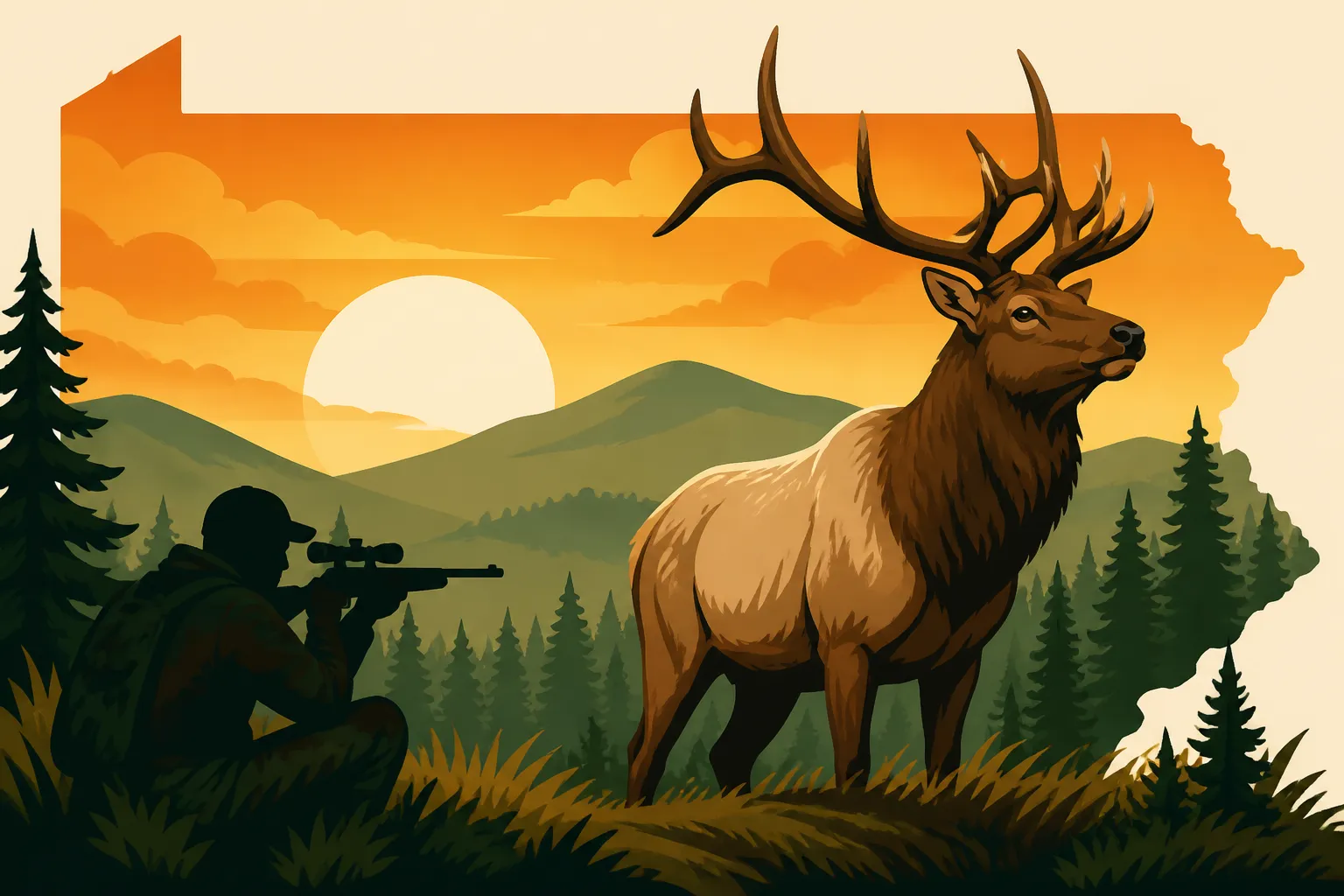
Pennsylvania's elk country is primarily concentrated in the north-central part of the state, a vast expanse often referred to as the Pennsylvania Wilds. This region is characterized by rugged mountains, steep valleys, sprawling state forests, and interspersed patches of private land. It's a truly wild and remote area, a far cry from the suburban sprawl many Pennsylvanians are accustomed to. Think dense hardwood forests, conifer thickets, and remote hollows cut by winding streams. This varied terrain offers everything an elk needs: bedding cover, browse, and water sources.
The core of the elk range stretches across parts of Elk, Cameron, Clearfield, Clinton, Potter, and Centre counties. While elk can and do wander, these are the counties where you'll find the most consistent populations. Understanding the topographical features—the steepness of the slopes, the direction of the ridges, and the presence of natural benches—is key to predicting elk movement, especially during the breeding season or when they're feeding. Knowing these details is critical, whether you're scouting in person or using digital tools to plan your approach.
Population Distribution and Hotspots
Not all parts of elk country hold equal numbers of elk. The population tends to be denser in certain areas, particularly around agricultural lands or specific habitat improvement projects. However, it's important to remember that "hotspots" can also draw significant hunting pressure, especially on public land. Historically, areas around Benezette and Winslow Hill in Elk County are well-known for their elk concentrations, partly due to viewing opportunities, but this also means more eyes, and potentially more pressure, come hunting season.
Beyond these well-known spots, other areas within the state forests and game lands hold robust, if less visible, elk populations. These are often the places where a hunter willing to put in the work and hike deeper can find success away from the crowds. Elk are creatures of habit but also opportunistic, adapting to available forage and cover. Their distribution can shift throughout the year, with bulls often isolating themselves or forming bachelor groups, while cows and calves stay in larger herds. Understanding these seasonal movements and preferred habitat types can give you a significant edge in finding where Pennsylvania's Black Bear Population and Elk in the Pennsylvania Wilds overlap or diverge.
The Role of Elk Hunt Zones
Pennsylvania manages its elk population through a system of Elk Hunt Zones (EHZs), which are essentially specific management units designed to distribute hunting pressure and manage the herd effectively. When you apply for an elk license, you're applying for a specific EHZ, and if drawn, you're restricted to hunting within that zone. These zones often encompass a mix of public and private land, so understanding the boundaries is paramount.
Each EHZ has unique characteristics in terms of terrain, habitat, and elk density. Some zones might be heavily forested with minimal agriculture, while others might have a greater mix of open fields and timber. This directly impacts how elk behave and where you'll find them. Before you even apply for a license, it’s wise to research the EHZs that appeal to you most, considering the type of terrain you prefer to hunt and the public land access available within those zones. Having a solid grasp of these zones is your first step in turning a dream into a tangible hunting plan.
Key Public Land Holdings for Elk
When you're fortunate enough to draw one of those coveted Pennsylvania elk tags, knowing where you can actually hunt becomes the immediate, pressing question. Thankfully, Pennsylvania boasts significant public land holdings within its elk range, offering incredible opportunities for hunters. These lands are the backbone of any elk hunting strategy in the state, providing vast, wild landscapes that are open to everyone.
State Game Lands in Elk Country
Pennsylvania's State Game Lands (SGLs) are a hunter's paradise, and many of them are strategically located within the primary elk range. These lands are purchased and managed by the Pennsylvania Game Commission, often with funds generated directly from hunting license sales. They are maintained specifically for wildlife habitat and public hunting, making them prime locations for pursuing elk. Look for SGLs in counties like Elk, Cameron, and Clearfield; many of these tracts are extensive, offering thousands of acres to explore.
Hunting SGLs means you're operating under specific rules and regulations established by the Game Commission. This includes everything from vehicle access (often restricted to designated roads or parking areas) to camping rules, and even limitations on certain types of habitat alteration. Always consult the Game Commission's website or print publications for the most up-to-date SGL rules, as they can sometimes vary by location. Learning how to use tools like the Scouting With the Pennsylvania Mapping Center can reveal crucial details about topography, access roads, and habitat features on these lands, helping you pinpoint potential elk bedding or feeding areas.
State Forests: The Backbone of Public Access
Beyond the Game Lands, Pennsylvania's vast State Forests comprise an even larger portion of public land in elk country. Managed by the Department of Conservation and Natural Resources (DCNR), these forests offer incredible, expansive tracts of wild habitat. The Elk State Forest, Moshannon State Forest, and Sproul State Forest are particularly prominent within the core elk range, providing hundreds of thousands of acres for outdoor recreation, including hunting. These forests are often less intensely managed for hunting than SGLs, meaning they can feel even wilder and more remote.
Hunting in State Forests offers a different experience compared to some Game Lands. While vehicle access might be slightly more lenient on certain designated roads, many areas are still deep backcountry requiring significant foot travel. The sheer scale of these forests means you can often find solitude, even during a highly anticipated season like elk hunting. Understanding the terrain, which can be exceptionally rugged with steep climbs and deep hollows, is critical for both successful hunting and safe navigation. You'll want to pay close attention to maps to identify potential entry points, water sources, and the subtle features that elk use for travel and cover. For specific details on these vast areas, you can explore resources like Elk State Forest Public Ground and Quehanna Wild Area Hunting.
Allegheny National Forest: A Unique Opportunity
While the primary elk range is often associated with the state-managed lands to the east, don't overlook the Allegheny National Forest (ANF) to the west. While not the historical core of elk reintroduction, the ANF does hold a smaller, but growing, elk population, and it offers an immense amount of public hunting ground. The ANF is a federally managed forest, meaning it operates under a slightly different set of regulations compared to state lands. It's a vast and beautiful area, characterized by mixed hardwood and conifer forests, deep ravines, and the presence of the Allegheny Reservoir.
Hunting in the ANF can provide a different kind of challenge and reward. Elk densities might not be as high as in the core elk range, but the expansive, unpressured nature of some of its sections can appeal to hunters seeking a truly remote experience. The ANF offers a unique opportunity, particularly for hunters who prefer to truly get away from it all and aren't afraid of putting in the miles. While not all EHZs overlap directly with the ANF, understanding its potential as an adjacent or secondary elk habitat is valuable. Always check current ANF specific regulations, as they can differ from state land rules.
Navigating Specific Public Land Areas
Once you've wrapped your head around the general public land categories, it's time to drill down into the specifics of some of the most notable elk hunting areas in Pennsylvania. Each of these large land blocks has its own character, challenges, and unique opportunities for the diligent hunter. Learning their intricacies will be key to your success and enjoyment.
Elk State Forest and Quehanna Wild Area
The Elk State Forest, as its name suggests, is right in the heart of Pennsylvania's elk country. It's an immense tract of public land, sprawling across Elk, Cameron, and McKean counties, offering a mix of rolling hills, steep valleys, and some of the most remote sections of the state. Within its boundaries lies the Quehanna Wild Area, an even more pristine and undeveloped section that truly embodies the wild spirit of the Pennsylvania outdoors. These areas are characterized by vast hardwood forests, stands of conifer, and numerous streams.
Hunting here means embracing the challenge of big woods hunting. Elk will utilize the steepest, thickest terrain for bedding and security cover, especially as hunting pressure increases. You'll find yourself navigating dense mountain laurel thickets, old growth timber, and regeneration areas. Access is primarily via an extensive network of forest roads, some of which are gated and closed during certain times of the year, requiring foot access. It's crucial to consult DCNR's motor vehicle use maps for current road statuses. Finding solitude is possible, but it requires effort – the further you get from main roads and designated parking areas, the better your chances of encountering undisturbed elk. Understanding the topography and prevailing winds is critical for a successful stalk in this rugged environment. Public Land Inside Pennsylvania Elk Country truly comes alive in these vast forests.
Moshannon State Forest and Adjoining Lands
To the south and west of the core Elk State Forest lies the Moshannon State Forest, another massive public land holding that supports a healthy elk population. Spanning parts of Clearfield, Elk, and Centre counties, Moshannon offers similar rugged terrain but often with a slightly different mix of habitat due to past logging practices and natural events. This forest is characterized by extensive hardwood stands, some scattered pockets of conifer, and numerous clear-cuts in various stages of regrowth, which are prime feeding and bedding areas for elk.
Hunters in Moshannon State Forest will find a combination of challenging topography and diverse habitat. The clear-cuts, while sometimes difficult to navigate, can be incredibly productive for locating elk, as they provide abundant browse and thick cover. However, they can also be challenging to hunt due to limited visibility. Planning your approach to these areas is vital, considering wind direction and escape routes for the elk. Access typically involves forest roads, many of which are dirt or gravel and may be rough. Just like Elk State Forest, understanding DCNR's road closure policies is paramount. Hunters often combine scouting for elk with exploring how deer utilize these same resources, as discussed in Hunting Pennsylvania Clearcuts and Regrowth.
Finding Solitude in Remote Sections
One of the biggest challenges, and arguably one of the greatest rewards, of hunting elk on Pennsylvania public land is finding areas away from other hunters. The general strategy is simple: go where others don't want to go. This often means hiking further, climbing steeper, and pushing through thicker cover. Remote sections of the State Forests and larger Game Lands are where you'll discover truly wild elk behavior.
To find these hidden gems, you'll need good maps, a strong compass, and reliable navigation tools. Digital mapping apps like onX Hunt are invaluable here. They allow you to layer public land boundaries, topo maps, aerial imagery, and even private land ownership, helping you identify pockets of public ground that are difficult to access or far from popular parking areas. Look for finger ridges that extend deep into a valley, isolated benches that drop off into steep hollows, or even small, unadvertised patches of public land surrounded by private tracts. These out-of-the-way spots are where elk will retreat to escape pressure, offering a unique opportunity for the persistent hunter. Remember, the effort you put in pre-season scouting and during the hunt itself will directly correlate to your chances of finding solitude and success.
Planning Your Hunt on Public Elk Land
Drawing an elk tag is just the beginning of the adventure. The real work starts with detailed planning, especially when you're targeting public land. This involves everything from meticulous scouting to understanding access rules and figuring out where you'll lay your head at night. Without a solid plan, even the most promising public land can quickly become overwhelming.
Scouting and E-Scouting Tools
Scouting is paramount for any big game hunt, and elk are no exception. Given the vastness and ruggedness of Pennsylvania's elk country, a combination of in-person scouting and "e-scouting" is often the most effective approach. E-scouting allows you to cover immense ground virtually, identifying potential hotspots, travel corridors, and access points from the comfort of your home. Platforms like onX Hunt are game-changers here. You can use aerial imagery to spot clear-cuts, mature timber, and natural funnels; leverage topographic maps to understand elevation changes and potential bedding areas; and precisely mark public/private boundaries to ensure you stay legal.
When you do hit the ground, focus on finding fresh sign: tracks, rubs, wallows, and droppings. Identify key features like water sources, potential food plots (often planted by the Game Commission), and pinch points where elk might travel. Pay attention to wind and thermals, as elk rely heavily on their sense of smell. Consider what time of year you're scouting; late summer or early fall scouting can give you a good idea of food sources and bedding areas, while winter scouting after a fresh snow can reveal heavy use areas and travel patterns, as discussed in Still-Hunting After a Fresh Snow. Even if you can't scout the exact week, historical data and understanding habitat preferences will point you in the right direction.
Access Points and Motorized Vehicle Rules
Access to public land in Pennsylvania's elk country can be both a blessing and a curse. While there are numerous forest roads and Game Lands roads, many are gated or restricted to administrative use only, especially during certain seasons. It's absolutely critical to consult the Pennsylvania Game Commission's public access maps for Game Lands and the DCNR's Motorized Access Route Maps for State Forests. These resources will show you which roads are open, which are closed, and whether they are open to vehicles, ATVs, or strictly foot traffic.
Ignoring these rules can lead to fines and, more importantly, loss of access for all hunters. Often, the best hunting spots are a good walk from the nearest legal parking area. Embrace the hike. This is where good physical conditioning and a quality pack become your best friends. Parking regulations are also important; never block a gate or a road, even if it seems unused. Consider carpooling or having a designated drop-off point if hunting with a group. Understanding Vehicle Rules on Pennsylvania Game Lands is a critical piece of your planning puzzle.
Camping and Accommodations in Elk Country
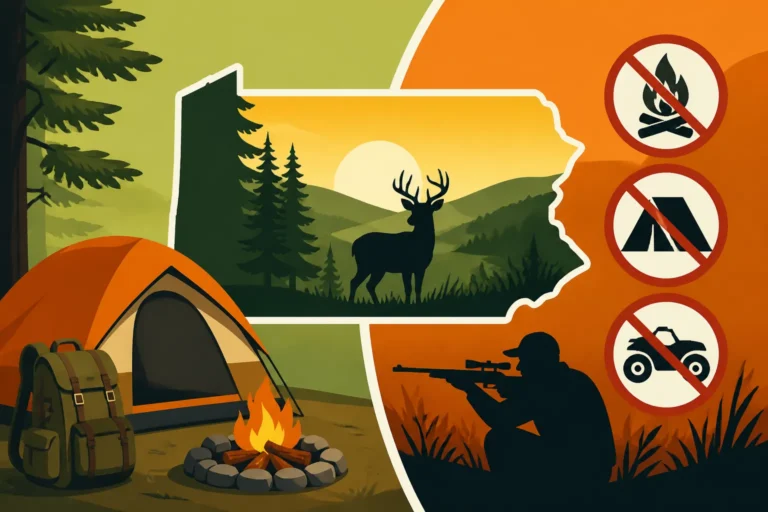
Spending multiple days hunting elk almost certainly means staying overnight in the area. Luckily, Pennsylvania's public lands offer various options for accommodations. Primitive camping is generally allowed in most State Forests, often requiring a free permit if you plan to stay more than one night in the same spot. This means finding a secluded spot, setting up a tent, and being self-sufficient. Always follow Leave No Trace principles. Some State Game Lands also permit camping in designated areas, but rules can vary, so check with the Game Commission beforehand.
For those preferring a bit more comfort, several private campgrounds, cabin rentals, and even small motels are scattered throughout the towns bordering elk country, such as Benezette, Emporium, and Renovo. Booking these well in advance is essential, especially during hunting season, as they fill up quickly. Many elk hunters embrace the tradition of a hunting camp, whether it's a rustic cabin or a collection of wall tents. Deciding on your accommodation style will depend on your budget, desired comfort level, and the duration of your hunt. Regardless of your choice, be sure to plan your lodging early, especially once you know your EHZ and hunt dates. You can also review Camping Rules on Pennsylvania Public Land for more detailed information.
Challenges and Considerations for Public Elk Hunters
Hunting elk in Pennsylvania is a truly unique experience, but it comes with its own set of challenges and responsibilities, especially when pursuing these magnificent animals on public land. Being prepared for these realities will not only increase your chances of success but also ensure a more enjoyable and ethical hunt.
Hunting Pressure and How to Beat It
Let's be realistic: a Pennsylvania elk tag is a highly sought-after commodity, and the hunt itself draws a lot of attention. Even on vast public lands, you can expect to encounter other hunters, especially on opening day and in more accessible areas. This hunting pressure can significantly alter elk behavior, pushing them into the thickest, nastiest cover, or making them largely nocturnal. Understanding this is crucial.
To beat the pressure, you've got to be willing to work harder and smarter. This means hiking further from roads and popular trailheads, climbing steeper hills, and penetrating denser cover than most other hunters are willing to. Early morning starts are essential, as is staying out longer. Consider still-hunting through thickets or using natural features like creek bottoms to approach areas undetected. Don't be afraid to think outside the box; sometimes, a less obvious approach can yield surprising results. Scouting with tools that show topography, like onX Hunt, can help identify hidden pockets that might escape the notice of casual hunters. Remember that patience and persistence are your greatest assets when dealing with Hunting Pressure on Pennsylvania Game Lands.
CWD and Carcass Movement Rules
Chronic Wasting Disease (CWD) is a very real and serious concern for Pennsylvania's deer and elk populations. The Pennsylvania Game Commission has established Disease Management Areas (DMAs) where CWD has been detected. If you harvest an elk within a DMA, there are strict rules regarding the movement of the carcass or certain parts of the carcass out of that zone. These rules are in place to prevent the spread of the disease to new areas.
It is absolutely imperative that you understand the current DMA boundaries and the specific carcass transportation and disposal regulations before you hunt. This information is updated annually by the Game Commission. Typically, you can only transport the following out of a DMA: boned-out meat, cleaned skull plates, tanned hides, and antlers. The brain, spinal cord, and other high-risk parts must remain within the DMA or be disposed of at designated collection sites. Failure to comply can result in significant penalties and jeopardizes efforts to contain the disease. Always check the latest guidelines on Pennsylvania CWD Carcass Rules to ensure you're hunting responsibly.
Respecting Wildlife and Local Communities
Hunting elk in Pennsylvania is a privilege, and with that comes a responsibility to respect not just the animals, but also the land and the people who live in elk country. This means practicing ethical hunting behaviors, ensuring clean kills, and making every effort to recover your animal. Respecting private property boundaries is paramount; always know where you are in relation to public and private land, and never trespass.
Beyond the hunt itself, be mindful of your impact on the local communities. Many small towns in elk country rely on tourism and hunting-related traffic. Support local businesses, be courteous to residents, and leave no trace of your visit. This includes packing out all trash, being careful with campfires, and avoiding damage to habitat. Your actions, positive or negative, reflect on the entire hunting community. By being a responsible and respectful hunter, you help ensure that future generations can continue to experience the incredible thrill of hunting elk on Pennsylvania's public lands.
| Public Land Type | Primary Managing Agency | Typical Habitat | Key Features for Elk Hunters | Accessibility (General) |
|---|---|---|---|---|
| State Game Lands | PA Game Commission | Mixed hardwoods, some conifers, food plots | Managed for wildlife, habitat improvements, designated parking | Varies; some easy access, many require significant hiking |
| State Forests | PA DCNR | Vast hardwoods, deep valleys, regeneration areas | Large, remote tracts, extensive forest road network (some restricted) | Often requires extensive hiking, some designated vehicle access |
| Allegheny National Forest | US Forest Service | Mixed hardwoods/conifers, rugged terrain | Expansive, less crowded (for elk), unique federal regulations | Good access on main roads, deep backcountry requires significant effort |
Disclaimer
This article is for general informational purposes only and does not constitute professional advice. Laws, prices and regulations vary by location and change over time. Consult a qualified professional for guidance on your specific situation.