Pennsylvania Ridge and Valley Game Lands
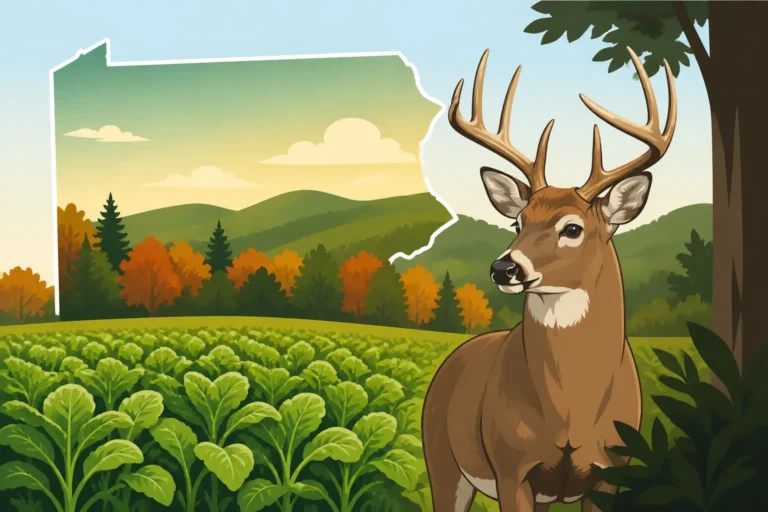
Hunting the Ridge and Valley region of Pennsylvania can feel like tackling a whole different beast compared to the open farmlands or the deep Big Woods. The terrain is a relentless series of parallel mountains and valleys, making it tough to navigate, physically demanding, and often leaving hunters wondering where the deer, bear, and turkeys are hiding in all that rugged cover. This comprehensive guide is here to demystify the unique challenges and opportunities found within Pennsylvania's Ridge and Valley Game Lands, offering insights and strategies to help you navigate this incredible, yet often overlooked, hunting landscape.
Understanding the Ridge and Valley Province
The Ridge and Valley province isn't just a fancy name on a map; it's a defining characteristic of a large chunk of central Pennsylvania, and it dictates everything from deer movement to where you'll find a spring gobbler. If you've ever driven across the state on Route 322 or Route 80, you've experienced the endless ups and downs, the long, linear mountain ranges, and the fertile valleys nestled between them. This geological phenomenon creates a specific type of hunting environment that requires a different mindset and approach.
Geological Features and Their Impact
Imagine layers of ancient rock, folded and uplifted over millions of years, then eroded into what we see today: long, unbroken ridges running northeast to southwest, separated by narrow, fertile valleys. These ridges are often steep, rocky, and covered in mature hardwoods, while the valleys can range from agricultural fields to brushy creek bottoms and younger timber. This topography creates natural travel corridors for game – think about deer moving along benches on a ridge side or funnelling through saddles connecting two ridges. The rockiness of the ridges means some areas have shallow soil, which impacts what kind of mast-producing trees can thrive, pushing game to seek food in more fertile pockets or the valley floors. Water sources, too, are often dictated by these geological folds, creating springs and small drainages that can be magnets for wildlife, especially during dry periods. Understanding these subtle shifts in elevation and soil composition is like reading a secret map, revealing where game will spend their time.
Forest Types and Habitat Diversity
Within the Ridge and Valley, you're going to encounter a fantastic mosaic of forest types, which directly translates to diverse habitats for game. The higher, drier slopes of the ridges are typically dominated by oaks and hickories, classic mast producers that offer critical food sources for deer, bear, and turkeys, especially in the fall. As you descend into the valleys or find north-facing slopes, you might see more hemlock and white pine thickets, offering thermal cover and bedding areas during harsh winter weather. Lower elevations and areas with richer soils might host mixed hardwoods like maple, cherry, and poplar. Then there are the cuts and clearings— logging operations and natural disturbances create thick regrowth, often a mix of briars, saplings, and shrubs, providing unparalleled bedding cover for deer and excellent escape cover for small game and turkeys. This diversity means that while the general topography is consistent, the specific hideouts and feeding grounds can vary greatly from one ridge to the next, or even one side of a ridge to the other.
Locating and Accessing Ridge and Valley Game Lands
Finding the right spot in the Ridge and Valley can be daunting. Unlike the vast, sprawling tracts of the Big Woods, Game Lands in this region often appear as long, narrow strips following the ridge lines, sometimes punctuated by private land in the valleys or even cutting across smaller ridges. It takes a bit of savvy to pinpoint the most promising areas and figure out how to get to them without trespassing or getting lost.
Using Digital Mapping Tools
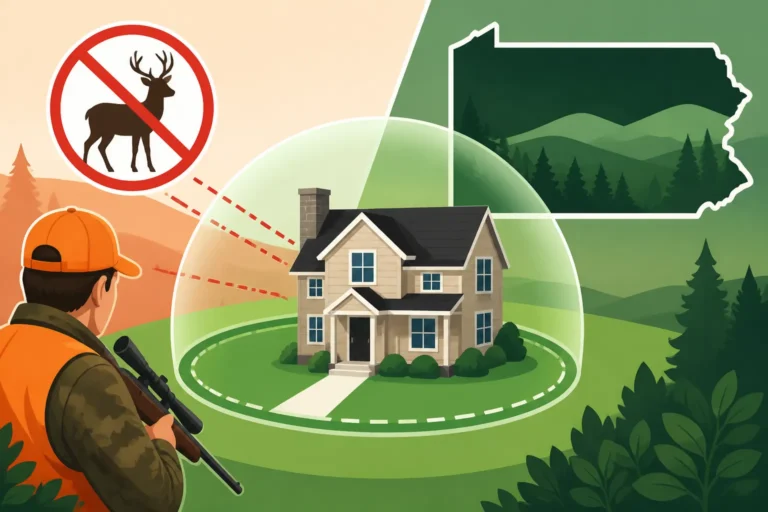
Gone are the days of relying solely on paper maps, though a good physical map is still a critical backup. Modern digital mapping applications have revolutionized how hunters approach the Ridge and Valley. Tools like onX Hunt and GoHunt allow you to overlay property boundaries with satellite imagery and topographic maps right on your phone or GPS device. This is absolutely invaluable in the Ridge and Valley, where private parcels can abut public land abruptly, especially along the valley floors. You can identify potential access points, scout out parking areas, and even mark "no-go" zones or safety zones around dwellings. You can also use these tools to study elevation changes, pinpoint saddles and benches, and identify south-facing slopes that might melt off earlier in late season, revealing critical food sources. Before you ever set foot in the woods, you can use these digital aids to plan your routes, identify potential bedding and feeding areas, and ensure you're always on public land. Scouting With the Pennsylvania Mapping Center can offer more guidance on how to leverage these resources.
Navigating Access Roads and Parking
Access to Ridge and Valley Game Lands can be tricky. While the Pennsylvania Game Commission does a fantastic job providing and maintaining access roads, many of these are dirt or gravel and can become impassable during wet conditions or winter. You'll often find parking areas specifically designated along these roads or at trailheads. However, due to the linear nature of the Game Lands, sometimes the official access points might be miles from the specific ridge or valley feature you want to hunt. This means you might need to plan for longer walks, or, in some cases, identify less obvious pull-offs that are still legal for parking. Always check Game Commission maps and signage for specific regulations, as vehicle access might be seasonal or limited to certain areas. It’s not uncommon to park along a public road and then hike a considerable distance up a steep, unnamed logging road or old woods path to get to your hunting grounds. Be prepared for a walk; those ridges don't climb themselves.
Hunting Strategies for Ridge and Valley Terrain
Hunting the Ridge and Valley calls for a blend of physical endurance and strategic thinking. It's not the kind of hunting where you can just wander aimlessly. Every move needs to be intentional, considering the lay of the land, the wind, and the habits of the game.
Still-Hunting the Steep Slopes and Benches
Still-hunting is perhaps the most effective method in the Ridge and Valley. This involves moving slowly, taking a few steps, then pausing to observe and listen, repeating the process. On the steep ridge sides, deer and bear often travel along "benches" – those relatively flat, narrow strips of ground that break the steep incline. These benches are natural travel corridors, and game will often use them to conserve energy. When you find a good bench, especially one with a fresh track or droppings, slow down even further. Watch ahead for flicking ears or the horizontal line of a deer's back contrasting with the vertical trees. Pay close attention to changes in elevation or cover, as game will often bed just over a lip or in a thicket. The key is to move at a pace where you're truly seeing the woods, not just walking through them. This kind of hunting works best when the leaves are wet and quiet, or after a light snow. Still-Hunting Pennsylvania Big Woods provides additional tips that translate well to these demanding landscapes.
Understanding Thermals and Wind Patterns
In the Ridge and Valley, thermals are your best friend and your worst enemy, especially during the early morning and late afternoon. As the sun rises, the air in the valleys warms and begins to rise, carrying your scent up the slopes. In the evening, as the air cools, it sinks down into the valleys. This predictable movement of air is called a thermal.
On a still morning, if you're hunting halfway up a ridge, your scent will be carried uphill as the sun warms the air, potentially alerting any game above you. Conversely, in the evening, your scent will be pulled downhill, putting anything below you at risk. To hunt effectively, you need to use these thermals to your advantage. For morning hunts, consider starting higher and hunting down, or waiting until the thermals have stabilized mid-morning. In the evenings, you might want to start lower and hunt up, or set up in a spot where your scent will be carried away from bedding areas as it drops. Of course, this is all complicated by prevailing winds, which can override or combine with thermals. Always have a wind checker and understand how the wind and thermals will combine to carry your scent. Wind and Thermals on a Ridge dives deeper into this critical aspect of mountain hunting.
Scouting for Key Deer and Bear Sign
Before the season, and even during, extensive scouting is paramount in the Ridge and Valley. You're looking for signs that indicate where game is actively feeding, bedding, and traveling.
- Scrapes and Rubs: While scrapes and rubs can be found anywhere, in the Ridge and Valley, look for them along benches, near saddles, and at the edges of thick cover. These are communication hubs for deer, especially during the rut. Scrape Lines Along a Logging Road
- Droppings and Tracks: Fresh droppings indicate recent activity. Pay attention to the size and consistency. Bear droppings are very distinctive and can tell you what they're eating. Tracks in muddy areas or soft dirt can confirm travel routes.
- Mast Production: Locate oak flats or areas with heavy acorn drops. Bear and deer will gravitate to these areas when acorns are abundant. Beech nuts, when they drop, are also huge attractors. Hunting After the Acorn Crop Fails and What Changes When Beech Nuts Drop
- Bedding Areas: Look for thick conifer stands, dense mountain laurel thickets, or areas of heavy regrowth on slopes. These provide security and thermal cover. You'll often find clusters of droppings and flattened grass or leaves where animals have bedded.
- Water Sources: Identify springs, small creeks, or seeps, especially during dry periods. These are critical for all wildlife.
Digital scouting tools help identify potential areas of interest, but boots on the ground confirm active use. Remember, the Ridge and Valley is about finding those specific pockets of activity within the vastness.
Species-Specific Tactics in the Ridge and Valley
The same terrain that challenges you also concentrates game in predictable ways. Adjusting your tactics for deer, bear, and turkeys can make all the difference.
Whitetail Deer in the Ridge and Valley
Whitetail deer in the Ridge and Valley are masters of using the topography to their advantage. They will often bed high on a ridge, typically on the leeward side or just over the crest, where they can see below them and smell anything coming from above. Their primary travel corridors include the aforementioned benches, saddles (low points connecting two ridges), and creek bottoms in the valleys.
- Hunting Travel Corridors: Focus on saddles and benches. Deer use saddles to move from one side of a ridge to another or to cross between parallel ridges. These are natural funnels, especially during the rut. Setting up a treestand or ground blind near a well-used saddle can be incredibly effective. Consider using a mobile setup like a saddle or lightweight treestand to remain flexible. Treestand Setups in Pennsylvania Hardwoods
- Ambushing Bedding Areas: During the middle of the day, deer will be bedded. Instead of blindly pushing through bedding areas, try to set up downwind and downhill from known bedding spots during midday, hoping to intercept a deer moving to or from its bed, or if it's pushed out by another hunter. This is where understanding thermals is key.
- Food Source Focus: In the early season, focus on soft mast (berries, grapes) and agricultural edges in the valleys. As fall progresses, shift your attention to hard mast like acorns and beech nuts on the ridges. If the mast crop fails, deer will move to browse in clearcuts or young forest growth.
- The Rut: The Ridge and Valley rut is electric. Bucks will cruise those benches and saddles looking for does. Rattling and grunting can be very effective, especially in the thick cover often found on these ridges. Rattling and Grunting in Pennsylvania and Hunting the Pennsylvania Rut in November are good reads.
Black Bear Encounters
Pennsylvania's black bear population thrives in the Ridge and Valley, finding ample cover in the thickets and abundant food in the oak forests. Hunting bear here can be an exhilarating, yet challenging, experience.
- Food-Driven Hunting: Like deer, bear are heavily influenced by food sources. In early season, look for them feeding on berries in clearcuts or on soft mast in stream bottoms. As fall progresses, focus intently on oak flats and areas with heavy acorn or beech nut drops. Bear will feed voraciously to put on weight for winter. Finding fresh bear sign – scat full of acorns, torn-up logs, or claw marks on beech trees – is your best indicator. Hunting Pennsylvania Bear on Acorns
- Thick Cover: Bear love thick cover, especially mountain laurel and rhododendron thickets, which are abundant in the Ridge and Valley. These provide security and dense bedding areas. Hunting the edges of these thickets, or staging a well-organized bear drive with multiple hunters, can be productive. Bear Drives in Pennsylvania
- Water Sources: Bear, especially during warmer hunting days, need water. Secluded springs and small creek beds can be excellent places to find fresh sign.
- Stand Placement: If hunting from a stand, set up overlooking a well-used trail leading to a prime food source or a known bedding area. Bear can appear silently, so constant vigilance is crucial.
Turkey Hunting Challenges
Both spring and fall turkey hunting in the Ridge and Valley requires grit and persistence. The steep terrain and dense woods make traditional calling setups more complicated.
- Spring Gobblers: In spring, gobblers will often roost on the ridge tops or along the upper third of a slope. Your best bet is to get above them before daylight, listen for them to gobble on the roost, and then try to set up to call them uphill or across a flat bench. Don't be afraid to Run-and-Gun Turkey Tactics on Game Lands if they're moving away from you, but remember that turkeys in this terrain often prefer to come to calls on relatively flat ground or slight inclines, rather than steep climbs. Using locator calls like an owl or crow call at first light can help pinpoint roosted birds.
- Fall Turkeys: Fall turkey hunting in the Ridge and Valley is often about finding flocks feeding on acorns or other mast. Once you locate a flock, the most effective tactic is to bust it up, scattering the birds in all directions. Then, quickly find a suitable calling setup, wait about 15-30 minutes, and begin making lost calls (kee-kee runs) to call the scattered birds back together. This works well with a small group of hunters who can spread out after the break. Fall Turkey Tactics in the Big Woods can be a great resource.
- Patience and Stealth: Turkeys have incredible eyesight and hearing. Moving quietly through the woods, especially when trying to get close to a gobbling bird or a scattered flock, is absolutely crucial. Use the terrain to break up your silhouette and hide your approach.
Challenges and Considerations for Ridge and Valley Hunters
While incredibly rewarding, hunting the Ridge and Valley comes with its own set of unique difficulties that hunters need to be prepared for.
Dealing with Hunting Pressure
Public Game Lands, especially those with relatively easy access, can see significant hunting pressure, particularly on opening days. The linear nature of the Ridge and Valley means that hunters often spread out along access roads, each heading up a separate hollow or ridge.
- Go Deeper: The simplest way to escape pressure is to walk further than most other hunters are willing to go. Most hunters stick within a quarter to half-mile of their vehicle. If you can push deeper, climbing a second or third ridge, you'll often find less disturbed areas. Finding Ground Others Walk Past
- Hunt Mid-Week: If your schedule allows, hunting on weekdays when most people are working can drastically reduce the number of other hunters you encounter.
- Utilize Steep, Difficult Terrain: Some areas are just plain brutal to access due to extreme steepness, dense briars, or thick mountain laurel. These spots often hold unpressured game because fewer hunters are willing to tackle them.
- Understand Pressure's Impact: Deer, especially, will adapt to hunting pressure by becoming more nocturnal, moving into thicker cover, or altering their travel patterns to avoid human activity. Understanding how pressure affects game helps predict where they might go. Hunting Pressure on Pennsylvania Game Lands
Physical Demands and Safety
Hunting the Ridge and Valley is a workout. You'll be climbing steep grades, navigating rocky terrain, and potentially dragging game out of deep hollows. Physical fitness is not just a benefit; it's often a necessity.
- Physical Preparation: Prioritize cardiovascular fitness and leg strength. Hiking with a pack, even before the season, can help prepare your body for the rigors of mountain hunting.
- Navigation: The parallel ridges can be disorienting. Always carry a reliable GPS device or a smartphone with a mapping app, along with a compass and paper map as a backup. Know how to use them. It's easy to get turned around, especially when focused on tracking an animal. GPS Units Versus Phone Apps
- Gear: Invest in quality hiking boots with good ankle support and grip. A comfortable, well-fitting pack is essential for carrying water, food, emergency supplies, and eventually, game. Layer your clothing to adapt to changing temperatures and exertion levels.
- Alone vs. Partner: While solitary hunting is common, especially in the Big Woods, having a hunting partner in the Ridge and Valley can be a huge safety net. If someone gets hurt or you successfully harvest an animal, having an extra set of hands for assistance and safety is invaluable.
- Game Recovery: Recovering a deer or bear from a steep hollow or halfway up a ridge can be one of the most physically demanding parts of the hunt. Think about using a game cart where feasible, though many areas will be too steep or rocky for one. Dragging a deer down a steep slope is exhausting. Dragging a Deer Off a Pennsylvania Mountain and Getting a Deer Out of a Pennsylvania Hollow
Weather's Influence on Hunting
Pennsylvania weather is famously unpredictable, and in the Ridge and Valley, it can shift dramatically, impacting both hunter comfort and game movement.
- Rain and Snow: Wet weather quiets the woods, making still-hunting much more effective. However, it also brings the risk of hypothermia and makes footing treacherous on steep, rocky slopes. Pack good rain gear and waterproof boots. Snow can be a blessing, revealing fresh tracks and making spotting game easier, especially during the flintlock season. Flintlock Hunting in Pennsylvania Snow
- Temperature Swings: Early archery season can bring warm, humid days, increasing the challenge of meat care after a successful harvest. Conversely, late season hunts can plunge into bitter cold. Layering your clothing system is key to staying comfortable. Cold Weather Sitting Strategy
- Wind: High winds can make hearing game difficult and will cause branches to sway, making it harder to spot subtle movements. Gusting winds can also make treestand hunting feel precarious. On very windy days, it might be better to hunt protected hollows or focus on ground-level movements.
- Fog: Valley fog can obscure vision, making early morning hunting difficult. However, once the fog burns off, game might start moving more actively.
Being prepared for all types of weather ensures you can adapt your tactics and remain safe and effective in the field.
Essential Gear for Ridge and Valley Success
The right gear won't guarantee a harvest, but it will certainly improve your odds and make your hunting experience in the Ridge and Valley more comfortable and safe.
| Category | Essential Items | Ridge & Valley Considerations |
|---|---|---|
| Navigation | GPS device/Smartphone with mapping app, compass, paper map | Redundant navigation is crucial due to disorienting terrain. |
| Footwear | Waterproof, sturdy hiking boots | Excellent ankle support and aggressive tread for steep, rocky slopes. |
| Clothing | Layered system (base, mid, outer), rain gear | Adapt to rapid temperature changes, stay dry in wet conditions. |
| Optics | Binoculars (8x or 10x), rangefinder | Spotting game in dense timber and ranging shots on uneven ground. |
| Pack | Comfortable daypack or frame pack | Carry essentials, and potentially game meat out of tough spots. |
| Safety | First-aid kit, headlamp, fire starter, emergency whistle | Be prepared for unexpected stays and low-light navigation. |
| Game Recovery | Strong rope, game bags, field dressing knife | Dragging aids like a deer cart or sled are often not feasible in steep areas. |
| Firearm/Bow | Appropriate for game, sighted in for woods ranges | Choose calibers/bow setups suitable for relatively close-range shots. |
Concluding Thoughts on Hunting Pennsylvania's Ridge and Valley Game Lands
Hunting Pennsylvania's Ridge and Valley Game Lands isn't for the faint of heart, but for those willing to put in the effort, the rewards can be incredible. The solitude, the stunning beauty of the landscape, and the satisfaction of outsmarting game in such challenging terrain make it a truly unique experience. It demands respect for the land, a dedication to preparation, and a willingness to learn from every ascent and descent. Don't let the steep climbs intimidate you. Instead, view them as an opportunity to find those less-pressured pockets where big bucks and bears often roam. With the right tools, tactics, and a good dose of grit, you'll be well on your way to discovering the wild magic of the Ridge and Valley.
Disclaimer
This article is for general informational purposes only and does not constitute professional advice. Laws, prices and regulations vary by location and change over time. Consult a qualified professional for guidance on your specific situation.