Middle Creek Snow Goose Viewing
One of the most awe-inspiring natural events in Pennsylvania happens every late winter and early spring, yet many people either don't know about it or aren't sure how to experience it fully. We're talking about the incredible migration of snow geese through the Middle Creek Wildlife Management Area. If you've ever wanted to witness literally tens of thousands of geese take flight, filling the sky and the air with their calls, this guide will walk you through everything you need to know for a truly unforgettable viewing trip.
The Annual Spectacle: Why Middle Creek is a Snow Goose Magnet
There’s something truly primal about watching a massive flock of birds move together, a living, breathing cloud against the sky. At Middle Creek, that spectacle is amplified a thousandfold. This isn't just a handful of geese; it’s an explosion of white and black, an auditory symphony that can be heard long before you see the birds themselves. It’s an experience that leaves a lasting impression, whether you're a seasoned birder, a wildlife photographer, or just someone looking for a unique outdoor adventure.
What Makes Middle Creek Special for Snow Geese
Middle Creek isn't just any body of water; it's a strategically managed mosaic of wetlands, agricultural fields, and woodlands in Lancaster and Lebanon counties. For migratory waterfowl like the snow goose, it offers exactly what they need: vast, shallow water impoundments for roosting safely at night, and surrounding fields that provide vital food sources during their long journey. The Pennsylvania Game Commission (PGC) has meticulously managed this habitat for decades, making it a critical stopover point along the Atlantic Flyway. This diligent work ensures that year after year, these incredible birds have a safe haven and sustenance, drawing in numbers that can exceed 100,000 at their peak. It's truly a testament to dedicated conservation efforts and why places like Middle Creek Wildlife Management Area are so vital.
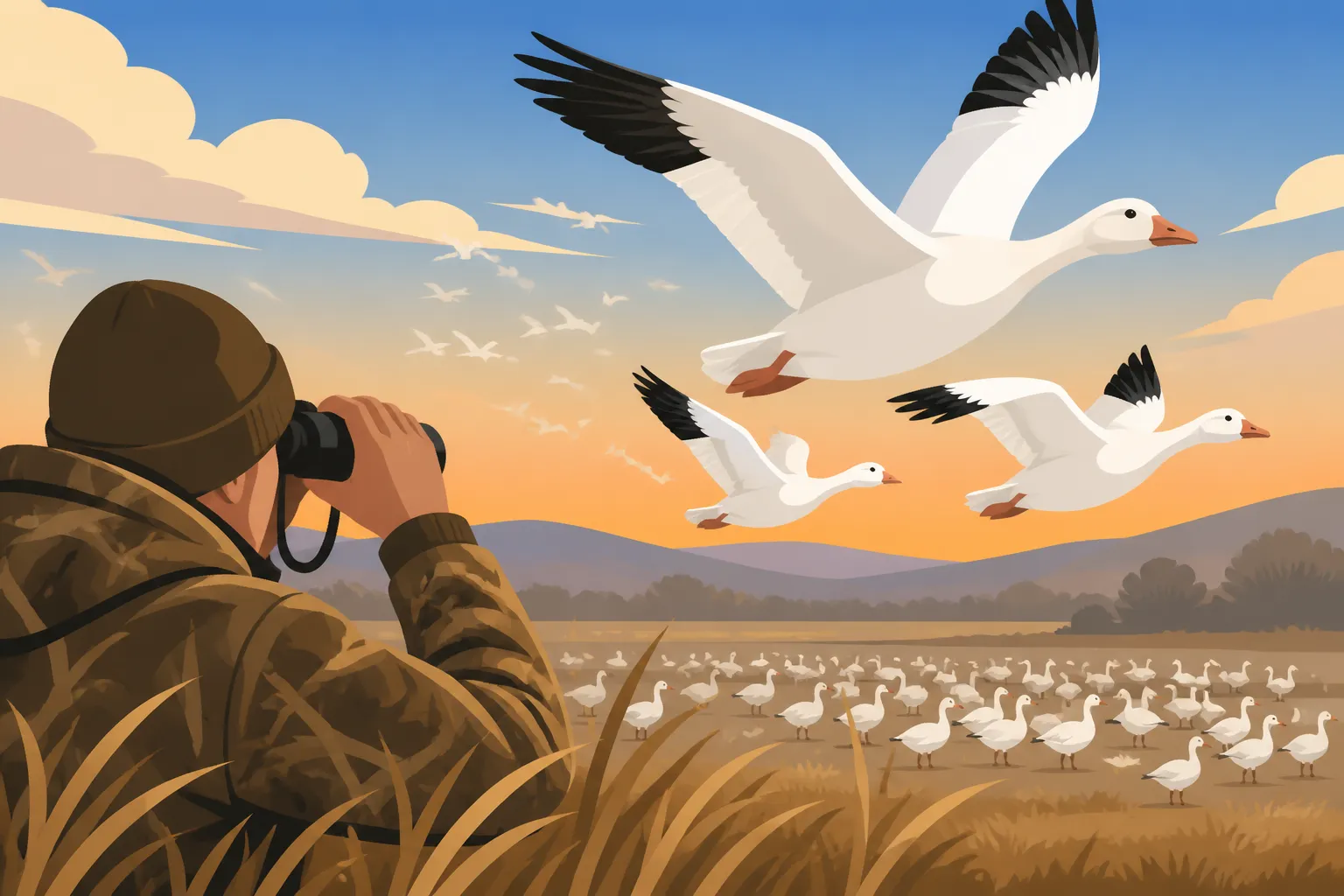
The sheer scale of the migration is what truly sets Middle Creek apart. Imagine looking out over a frozen or partially thawed lake, and then suddenly, with a collective roar, the ice itself seems to lift into the air. That’s the effect of thousands upon thousands of snow geese taking flight. The noise, a continuous cacophony of high-pitched honking and chattering, is almost overwhelming. It’s a sensory overload in the best possible way, a reminder of the wild beauty that still thrives in our state. Even on a quiet day, seeing the ground blanketed in white, punctuated by thousands of dark heads, is an arresting sight.
When to Plan Your Visit for Peak Migration
Timing is everything when it comes to experiencing the snow goose migration at its zenith. While geese can be present at Middle Creek from late fall through early spring, the truly spectacular numbers typically arrive in late February and peak through mid-March. This window is when the weather starts to soften, and the geese, having wintered further south, begin their northward journey back to their Arctic breeding grounds. They pause here to refuel and rest, taking advantage of the thawing fields.
It's important to remember that nature doesn't adhere to a strict calendar. The exact peak can shift by a week or two each year, heavily influenced by weather patterns both locally and further south. A prolonged cold snap might delay their arrival, while an early warm up could bring them in sooner. Many avid viewers keep an eye on online reports, local wildlife forums, and even news updates to get a sense of when the numbers are building. Don't be discouraged if you miss the absolute peak; even slightly before or after, you'll still witness an incredible concentration of birds. Checking the PGC's website or calling the visitor center often provides the most up-to-date information on Snow Goose Numbers at Middle Creek.
Your Guide to the Best Snow Goose Viewing Experience
So, you’ve decided to make the trip – excellent choice! Now, let’s talk about how to make the most of your visit, ensuring you get the best views without disturbing these magnificent creatures. Planning your route and knowing the key spots will greatly enhance your experience.
Key Observation Points and Driving Routes
Middle Creek offers several prime locations for viewing, each with its own advantages. The main visitor center is an excellent starting point, providing maps, up-to-date information on bird concentrations, and educational exhibits. From there, you can explore the various dike roads and observation areas.
One of the most popular spots is the main impoundment viewing area, often accessible by car. This allows for excellent long-distance viewing of the largest concentrations of geese, especially when they are out on the open water or feeding in adjacent fields. Pull-offs along the public roads offer safe places to park and set up your optics. For a more immersive experience, consider walking some of the designated trails along the dikes. These often get you closer to the action, offering different perspectives and a chance to spot other waterfowl like tundra swans or various duck species. Remember to always respect signage and stay on marked trails; venturing into closed areas can disturb wildlife and is strictly prohibited. For general navigation, even for non-hunting purposes, a mapping app like onX Hunt can be incredibly useful to confirm public access points and property boundaries, ensuring you stay on the right side of the rules and don't accidentally trespass while trying to find the perfect vantage point. It's like having a detailed map of Pennsylvania Waterfowl Areas and Lakes right in your pocket.
Tips for Optimal Viewing and Photography
To truly appreciate the spectacle, a good pair of binoculars is essential. They’ll bring the distant flocks into sharp focus, allowing you to pick out individual birds and observe their behaviors. A spotting scope on a tripod is even better for detailed observations, especially if the geese are roosting far out on the water. For photographers, a telephoto lens (200mm or more, ideally much more) is a must to capture those breathtaking flight shots or intimate portraits.
The best times for viewing are typically early morning, around sunrise, and late afternoon, leading up to sunset. During these periods, the geese are most active, either lifting off the water to fly out to feeding fields or returning to the safety of the impoundments for the night. The light during these "golden hours" is also softer and more beautiful for photography. Overcast days can also be excellent, as the light is more even, and the geese sometimes fly lower. Always approach viewing areas quietly, avoid sudden movements, and keep your voice low. These birds are wild, and minimizing your impact ensures they continue to feel safe in their sanctuary. Think of it like Scouting Pennsylvania Public Land Before Season – being observant and quiet pays off.
| Factor | Optimal Viewing Conditions | Notes |
|---|---|---|
| Time of Day | Early morning (sunrise), late afternoon (sunset) | Geese are most active flying to/from roosts and feeding areas. Best light for photography. |
| Weather | Overcast, light snow/rain, calm winds | Geese often fly lower; less glare on water. Avoid heavy fog that obscures views. |
| Season | Late February to Mid-March | The usual peak for snow goose migration at Middle Creek. Check local reports for exact timing. |
| Location | Designated viewing areas, dike roads | Stay on marked paths; respect closed areas to avoid disturbing wildlife. |
| Equipment | Binoculars, spotting scope, camera with telephoto lens | Essential for distant observations and capturing the spectacle. |
Respecting the Wildlife and Enhancing Your Visit
Middle Creek is a wildlife management area, and while it welcomes visitors, its primary purpose is conservation. Understanding and adhering to the rules ensures both your safety and the well-being of the incredible wildlife it protects. Your responsible actions help preserve this spectacle for future generations.
Regulations for Visitors and Wildlife Protection
The Pennsylvania Game Commission has established clear rules to protect the birds and their habitat, as well as ensure a pleasant experience for all visitors. This means staying on designated trails and roads at all times. There are specific "safety zones" or restricted areas around certain impoundments or nesting sites, particularly during sensitive times. Entering these areas, even accidentally, can flush thousands of birds, causing them to expend crucial energy unnecessarily. This is similar to the general Pennsylvania Game Lands Rules you'd find across the state.
Regulations also prohibit the use of drones over the impoundments, as these can severely disturb the waterfowl. Feeding the birds is also a definite no-go; it can make them dependent on humans, spread disease, and alter their natural migratory behaviors. Remember, we are guests in their home. The goal is to observe, appreciate, and leave no trace of your presence. Understanding the specific purpose of wildlife management units, as outlined in Pennsylvania Wildlife Management Units Explained, helps appreciate why these rules are in place.
Essential Gear for a Comfortable Viewing Experience
Being prepared for the elements will make your viewing experience much more enjoyable. Late winter and early spring in Pennsylvania can be notoriously fickle, with temperatures swinging wildly. Layered clothing is your best friend – think warm base layers, an insulating mid-layer, and a waterproof/windproof outer shell. A warm hat, gloves, and waterproof boots are also highly recommended, as you might be standing for extended periods on cold, damp ground.
Beyond your optics and camera, a comfortable folding chair or stool can be a lifesaver, especially if you plan to spend hours observing. Pack some snacks and a thermos of hot coffee or tea. While there's a visitor center, having your own provisions means you won't miss any action. Don't forget a fully charged phone (or a portable power bank!) for emergencies, maps (like those found Using the Pennsylvania Mapping Center), and of course, for capturing photos and videos. Even though you're not hunting, many of the same principles of preparedness for being out in Goose Hunting Pennsylvania Fields apply to viewing them.
The experience of witnessing the snow geese at Middle Creek is truly one of Pennsylvania's natural treasures. It's a reminder of the power and beauty of migration and the critical role that places like Middle Creek play in protecting these journeys.
Disclaimer
This article is for general informational purposes only and does not constitute professional advice. Laws, prices and regulations vary by location and change over time. Consult a qualified professional for guidance on your specific situation.