Pennsylvania Waterfowl Areas and Lakes
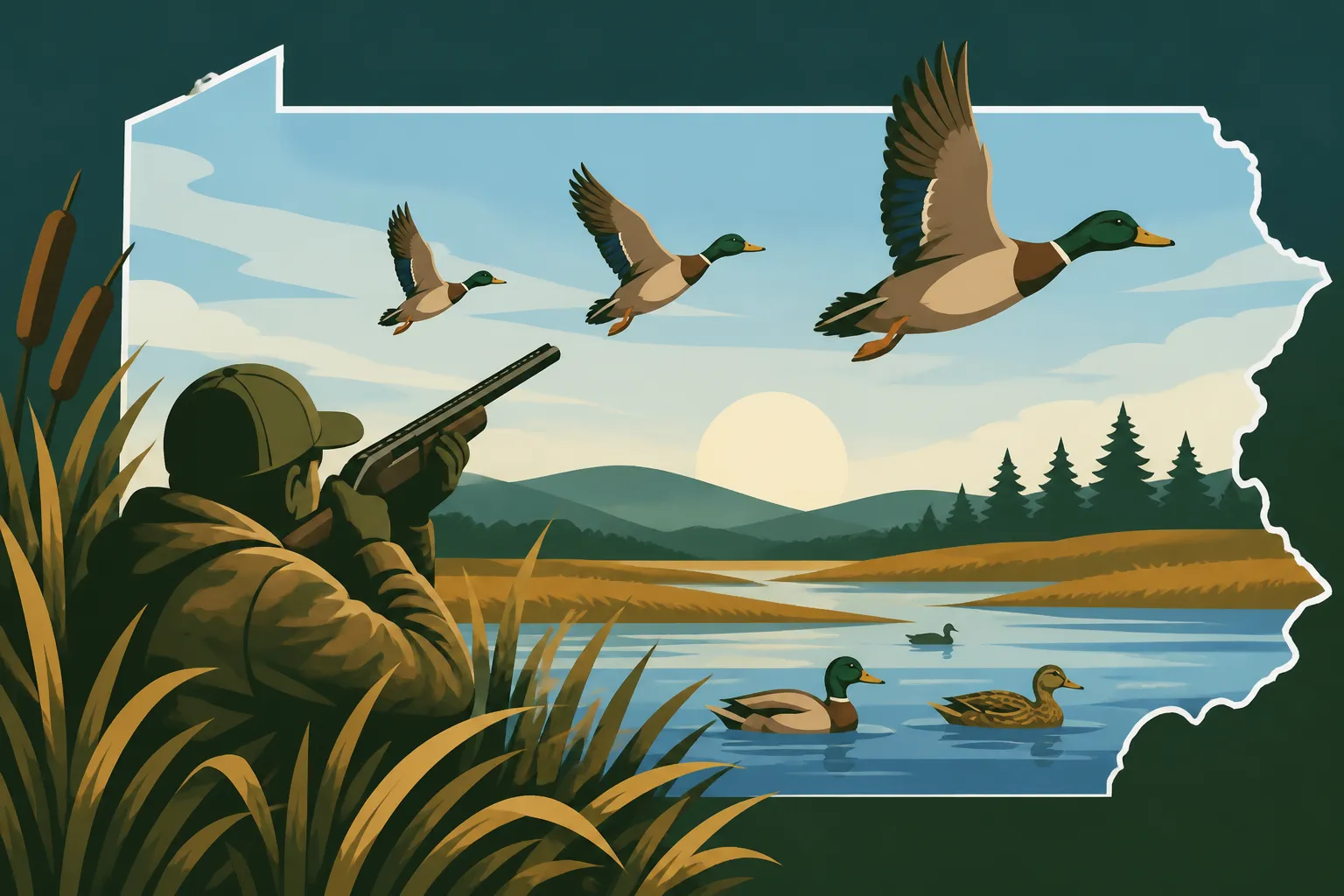
One of the biggest head-scratchers for new and even seasoned waterfowlers in Pennsylvania is figuring out where to actually go. With so much diverse landscape, from massive rivers to tiny farm ponds, it can feel overwhelming to pinpoint consistent spots. This guide is here to unravel the mysteries of Pennsylvania's best waterfowl areas and lakes, helping you understand the different opportunities available and how to effectively hunt them, whether you're after ducks, geese, or both.
The Unique Appeal of Waterfowling in Pennsylvania
Pennsylvania might not be the first state that comes to mind when you think of epic waterfowl hunting, especially when compared to the vast marshes of the Mississippi Flyway or the famed prairies. But that’s precisely what makes it so special – and often overlooked. What we lack in widespread, consistent "honey holes," we make up for in sheer diversity and the challenge of finding those hidden gems. Waterfowling in Pennsylvania isn't just about bagging birds; it's about connecting with nature in some truly beautiful, and sometimes rugged, settings. It's an experience that tests your scouting skills, your patience, and your adaptability.
Understanding Pennsylvania's Place in the Atlantic Flyway
Our beloved Commonwealth sits squarely within the Atlantic Flyway, a superhighway for migratory birds moving between their northern breeding grounds and southern wintering areas. This means that as the seasons change, we see a fascinating parade of different duck and goose species passing through our skies and landing on our waters. Early in the season, you might find local resident Canada geese and wood ducks that bred right here in Pennsylvania. As autumn deepens and the weather gets colder up north, waves of new birds start to arrive.
Think about it: the first cold fronts often push early migrants like teal and some wood ducks south. Then, as November rolls around and true winter begins to nip at the heels of the northern states, you'll start to see more mallards, black ducks, and gadwalls. Even diving ducks like buffleheads, ring-necked ducks, and goldeneye will show up on our larger lakes and rivers. Predicting the exact timing of these migrations is always a bit of a guessing game, tied closely to weather patterns and major storms further north, which adds an exciting layer of unpredictability to every hunting season. It’s a dance with Mother Nature, and knowing when to be on the water is half the battle.
Why Pennsylvania Offers Diverse Waterfowl Opportunities
Unlike states with massive, uniform marshes, Pennsylvania's landscape is a patchwork quilt, and that's precisely what gives us such diverse waterfowl opportunities. We're talking about everything from the sprawling, open waters of Lake Erie to the winding, wooded banks of the Susquehanna River, and from vast agricultural fields to isolated beaver ponds tucked away in the mountains. This means a single waterfowler might employ completely different tactics depending on where they choose to hunt on a given day.
Imagine jump shooting wood ducks and mallards on a small creek bottom in the morning, then setting up a field spread for Canada geese in a cut cornfield that afternoon. Or perhaps you're bundled up in a layout blind on the big water of Lake Erie, targeting divers, while another hunter is tucked into a marsh blind on a State Game Land impoundment, waiting for mallards. Each type of habitat demands a different approach, different gear, and a keen understanding of bird behavior in that specific environment. It's a constant learning curve, but one that makes Pennsylvania waterfowling endlessly engaging and rewarding.
Major River Systems: Highways for Migratory Birds
When you look at a map of Pennsylvania, the sheer number of rivers and their tributaries is astounding. These aren't just scenic waterways; they're vital migration corridors and feeding grounds for thousands of ducks and geese each fall. Understanding how birds use these river systems is key to unlocking some of the best waterfowling opportunities the state has to offer. They act like natural highways, guiding birds through our diverse terrain and providing essential resting and feeding spots along the way.
The Susquehanna River and Its Tributaries
The Susquehanna River, one of the longest rivers on the East Coast, carves its way through a significant portion of Pennsylvania, and it's a huge draw for waterfowl. Hunters often find success jump shooting sections of the main stem, quietly drifting or paddling downstream, ready to jump birds off bends and islands. The challenge here is not just spotting the birds but also dealing with currents and boat traffic, especially on weekends. Many hunters also focus on the numerous islands scattered throughout the Susquehanna. These islands, often owned by the state or accessible with permission, can provide excellent opportunities for setting up blinds and decoy spreads, especially for mallards, black ducks, and Canada geese.
The Susquehanna's major tributaries, like the Juniata River and the Conodoguinet Creek, offer similar, albeit often smaller-scale, opportunities. These waterways can be fantastic for more intimate hunts, where a canoe or kayak is your best friend. Look for slower sections, back eddies, and small feeder creeks where ducks might be resting or feeding. Remember that accessing these areas might require public launches or securing private landowner permission along the banks. It’s a rewarding hunt, but it demands good boat handling skills and an intimate knowledge of the river's character. For a deeper dive, check out Duck Hunting the Susquehanna River.
The Allegheny and Monongahela Rivers
Moving west, the Allegheny and Monongahela rivers, which famously converge in Pittsburgh to form the Ohio River, provide a different but equally compelling waterfowling experience. These are broad, often deep rivers, characterized by their industrial heritage in some sections and beautiful, wilder stretches in others. Hunting here often involves larger boats capable of handling the open water and potential barge traffic. Diver ducks can be found on these bigger waters, but puddle ducks and geese also utilize the quieter backwaters and embayments.
The presence of navigation pools and dams along these rivers can create predictable resting areas for birds, making scouting for concentrations a bit easier. However, the vastness of these rivers means you need to cover a lot of water to find consistent success. Look for points of land, log jams, and areas where tributaries enter the main river, as these are natural funnels and feeding zones for waterfowl. As with any large river system, safety is paramount, especially when navigating in low light or adverse weather conditions.
The Delaware River and Eastern Opportunities
On Pennsylvania's eastern border, the Delaware River offers yet another distinct waterfowling experience, particularly in its upper and middle stretches. The river here can range from rocky, fast-moving sections to wider, more placid flows, and even some tidal influence as you head south. This variety means you might encounter wood ducks and mallards in the narrower, more secluded stretches, while greater numbers of geese and diving ducks might use the wider pools.
Hunters often employ similar jump-shooting tactics or set up small, portable blinds along the banks or on accessible islands. The proximity to more populated areas means access can sometimes be a challenge, so utilizing public access points and securing private permission where necessary is crucial. The unique blend of wilderness feel in some sections and proximity to urban centers in others makes the Delaware a diverse and intriguing waterfowling destination. Exploring Delaware River Access for Waterfowl can provide more specific guidance on navigating this dynamic river.
Large Lakes and Reservoirs: Staging Areas for Ducks and Geese
Pennsylvania is home to a surprising number of large lakes and man-made reservoirs, from the immense expanse of Lake Erie to significant inland impoundments like Raystown Lake and the Allegheny Reservoir. These bodies of water serve as crucial staging areas, resting spots, and sometimes even wintering grounds for thousands of waterfowl, especially during the peak migration periods. Hunting these larger waters presents a different set of challenges and rewards compared to river hunting, often requiring specialized gear and a strong emphasis on safety.
Lake Erie and Its Influence on Diver Ducks
Lake Erie, forming Pennsylvania's northern border, is in a league of its own when it comes to waterfowling in the state. This massive Great Lake is a magnet for diver ducks – species like scaup (bluebills), redheads, canvasbacks, and goldeneyes, which prefer the deep, open water for feeding. Hunting Lake Erie is a serious endeavor, demanding specialized equipment and a healthy respect for the lake's often-fickle temperament. You'll typically need a sturdy boat, often a layout boat for hunting directly on the water, or a large open-water boat to safely transport hunters and gear to offshore blinds.
Safety is the absolute top priority on Lake Erie. The weather can change in an instant, bringing high winds and dangerous waves. Cold water immersion is a real risk, so wearing appropriate survival gear and letting others know your plans is non-negotiable. Despite the challenges, the rewards can be incredible. Imagine watching a flock of canvasbacks cup their wings and commit to your decoy spread over the vast, shimmering expanse of Lake Erie. It's an experience that truly sets it apart from any other waterfowling in Pennsylvania. For those ready to brave the big water, explore Hunting Lake Erie Divers for more detailed tactics.
Inland Reservoirs: Raystown, Kinzua, and Others
Beyond Lake Erie, Pennsylvania boasts several large inland reservoirs that offer fantastic waterfowl hunting, though they cater to a broader mix of species. Lakes like Raystown in south-central Pennsylvania, the Allegheny Reservoir in the northwest (near the Allegheny National Forest), and many of the Pennsylvania Corps of Engineers Lakes across the state can hold significant numbers of ducks and geese. These impoundments can be immense, often with deep waters and extensive, sometimes steep, shorelines.
Hunting these areas often involves using a boat to access remote coves, points, or submerged timber. Fluctuating water levels can be a major challenge, as prime hunting spots one week might be high and dry, or too deep, the next. Scouting is paramount to success here, both before and during the season. Look for areas with natural food sources, like submerged vegetation or flooded timber, and observe how birds use the lake for resting and feeding. Pass shooting can be effective from certain points, or setting up blinds in secluded bays. Check out Allegheny Reservoir Shoreline Access and Raystown Lake Hunting Access for more specific information on these notable locations.
Smaller Public Lakes and Ponds
Not every lake or pond needs to be a massive impoundment to offer great waterfowl hunting. Across Pennsylvania, you'll find countless smaller public lakes, state park ponds, and even smaller impoundments on State Game Lands that provide excellent opportunities, especially for puddle ducks like mallards, wood ducks, and green-winged teal, as well as resident Canada geese. These spots are often more accessible and can be hunted effectively with smaller decoy spreads and less specialized equipment.
Jump shooting these smaller waters from a canoe or kayak is a popular and effective tactic, particularly in early season. For fixed blind hunting, look for areas with good natural cover along the edges, or where a point of land juts out into the water. Early mornings are often best, as ducks and geese will fly off larger roosting areas to feed on these smaller, often shallower, waters. While they might not hold the sheer numbers of birds you find on the big lakes, these smaller areas can offer consistently good shooting and a more tranquil hunting experience. Always scout these areas thoroughly to understand bird patterns and identify safe access points.
Dedicated Wildlife Management Areas: Premier Waterfowl Destinations
For many Pennsylvania waterfowlers, the dedicated Wildlife Management Areas (WMAs) and specific State Game Lands impoundments are the bread and butter of their season. These areas are specifically managed by the Pennsylvania Game Commission (PGC) to enhance habitat for waterfowl, often featuring controlled water levels, planted food plots, and designated blind locations. They represent some of the most consistent waterfowl opportunities in the state, drawing birds year after year.
Pymatuning Wildlife Management Area
Nestled in the far western corner of Pennsylvania, straddling the Ohio border, Pymatuning Wildlife Management Area is arguably Pennsylvania's premier destination for waterfowl hunting. The area is centered around Pymatuning Lake, a massive body of water with extensive shallow areas, marshes, and agricultural lands. Pymatuning is a major stopover point for migrating ducks and geese, including significant numbers of mallards, wood ducks, green-winged teal, and Canada geese.
The PGC manages Pymatuning with specific controlled hunting zones, often utilizing a lottery system for designated blind sites. This system helps to distribute hunting pressure and ensure a quality experience. Hunters who draw a permit for a blind often have exceptional opportunities, as these locations are strategically placed in high-traffic areas. Beyond the controlled zones, there are other sections of Pymatuning where general hunting is permitted, offering chances for jump shooting or setting up portable blinds in unassigned areas. Understanding the specific rules and regulations for Pymatuning Wildlife Area Hunting is crucial before planning your trip, as they are often unique to this special area.
Middle Creek Wildlife Management Area
In the heart of southeastern Pennsylvania, you'll find Middle Creek Wildlife Management Area, another crown jewel for waterfowl, particularly famous for its incredible congregations of snow geese. While Middle Creek offers opportunities for various waterfowl species, the spectacle of tens of thousands of snow geese descending upon the impoundments in late winter and early spring is truly breathtaking. For hunters, Middle Creek also operates a controlled hunting program for Canada geese and snow geese, typically by drawing.
Even if you don't draw a hunting permit, Middle Creek is a fantastic place for waterfowl viewing, allowing hunters to scout and observe bird behavior up close (from designated viewing areas, of course). The sheer numbers of birds that utilize Middle Creek during migration are staggering, making it an ecological hotspot and a major draw for both hunters and birdwatchers. The rules for hunting here are very specific, so it's essential to consult the PGC's regulations well in advance. Learning about Middle Creek Wildlife Management Area and specifically Snow Goose Hunting at Middle Creek can help you plan for this unique opportunity.
Other Key Game Lands and Waterfowl Impoundments
Beyond these two giants, many other State Game Lands (SGLs) across Pennsylvania feature smaller, but equally productive, waterfowl impoundments and marsh habitats. The PGC actively manages these areas, often flooding agricultural fields or creating shallow water impoundments to provide crucial food and resting areas for migrating and resident waterfowl. These SGLs can be fantastic for mallards, wood ducks, and local geese.
Hunting these smaller impoundments typically involves setting up portable blinds, using natural cover, or even simple layout blinds, depending on the specific location. They tend to be less crowded than the controlled hunting areas but still require diligent scouting to find where the birds are currently feeding and resting. Using detailed mapping tools like onX Hunt can be incredibly beneficial here, helping you identify accessible impoundments, property boundaries, and potential access routes on these Game Lands. Always remember that conditions can change rapidly based on water levels and recent bird activity, so fresh scouting is key to consistent success.
Farm Country Waterfowl: Field Hunting Opportunities
When many people think of waterfowl hunting, they picture marshes or open water. But in Pennsylvania, especially in our southern and eastern farm-rich regions, some of the most exciting and productive waterfowl hunting happens far from any major water body – right in the middle of agricultural fields. This is particularly true for Canada geese and, during the conservation order, snow geese. These birds have adapted to utilizing harvested cornfields, winter wheat, and even hayfields for feeding, making field hunting a vital part of the Pennsylvania waterfowling tradition.
Geese in Agricultural Fields
Hunting geese in agricultural fields is an art form that combines meticulous scouting, strategic decoy placement, and often, a bit of luck with the weather. Canada geese, in particular, are notorious for flying out from their roosting water bodies each morning to feed in nearby fields. The key to success here is identifying which fields the geese are actively using. This requires diligent observation – watching where birds fly out to feed, looking for droppings and feathers in fields, and even talking to local farmers who might notice patterns. Once you've found an active field, obtaining landowner permission is absolutely essential; never hunt a private field without it.
The setup usually involves a large spread of decoys, often full-body or shell decoys, to mimic a flock of feeding geese. Hunters conceal themselves in layout blinds, or sometimes in pits or natural cover along field edges. Calling is crucial to bring birds into range, and understanding how geese respond to different calls and scenarios comes with experience. The weather plays a huge role; overcast days, light rain, or even snow can often improve field hunting, as birds tend to fly lower and more predictably. For those keen on this exciting method, delving into Goose Hunting Pennsylvania Fields and mastering Reading Roost-to-Field Flight Lines will provide invaluable insights.
Duck Hunting Over Ponds and Small Waterways on Private Land
While field hunting is often associated with geese, ducks also make extensive use of farm country, particularly on smaller ponds, creeks, and even flooded ditches found on private land. These smaller water bodies, often overlooked by hunters focusing on larger public areas, can offer fantastic, intimate duck hunting experiences. Many farm ponds, for instance, are magnets for mallards and wood ducks, especially if they have good natural cover around the edges and access to food sources.
Again, securing permission from landowners is the first and most critical step. Once you have permission, scouting these smaller waters is key. Look for fresh droppings, tracks, and active feeding areas. You might be surprised at the number of birds a seemingly small, unassuming pond can hold. Hunting these spots often involves smaller decoy spreads – sometimes just a half-dozen mallard decoys – and effective concealment in natural cover. Jump shooting can also be very effective on farm creeks or small, linear waterways. The beauty of private land hunting is often the reduced pressure, which can lead to more predictable bird behavior and consistently good hunting, provided you do your homework and maintain excellent landowner relations.
Navigating Regulations and Access for Waterfowl Hunting
Waterfowl hunting in Pennsylvania comes with its own specific set of regulations, and understanding them is crucial for a legal and successful hunt. Because migratory birds fall under both state and federal jurisdiction, there are often more layers to navigate than with resident game species. This includes special licenses, stamps, specific season dates, and rules about what kind of shot you can use. Missteps here can lead to fines, so staying informed is non-negotiable.
Understanding Pennsylvania's Waterfowl Zones and Seasons
Pennsylvania, like many states in the Atlantic Flyway, divides its migratory bird hunting into specific zones, each with slightly different season dates and bag limits. These zones are established to account for varying migration patterns and local bird populations across the state. Typically, you'll see zones for ducks, geese, and sometimes special early or late seasons for specific species like teal or resident Canada geese. The season dates are usually set in cooperation with federal guidelines and are often finalized closer to the hunting season.
It's absolutely vital to check the current year's PGC Waterfowl and Migratory Game Bird Digest, usually available online or wherever licenses are sold. This digest will clearly outline the specific dates for Pennsylvania Waterfowl Seasons and Zones, Pennsylvania Duck Season Dates by Zone, and Pennsylvania goose seasons and zones for all species, as well as daily bag limits and possession limits. These can change year to year, so relying on old information is a recipe for trouble. Pay close attention to shooting hours, which are typically one-half hour before sunrise to sunset, but might vary slightly for certain species or in specific situations.
Federal and State Stamp Requirements
Beyond your general Pennsylvania hunting license, waterfowling requires a few additional permits. First and foremost, anyone 16 years of age or older hunting ducks, geese, or brant in Pennsylvania (or anywhere in the U.S.) must possess a current Federal Migratory Bird Hunting and Conservation Stamp, commonly known as a Federal Duck Stamp. This stamp is not only a legal requirement but also a direct contribution to waterfowl conservation, with 98% of the proceeds going to acquire and protect wetland habitats for the National Wildlife Refuge System. It's truly an investment in the future of the sport. Find more details on Pennsylvania Federal Duck Stamp Rules.
Secondly, Pennsylvania requires all migratory game bird hunters (which includes ducks, geese, woodcock, snipe, and rails) to purchase a Pennsylvania Migratory Game Bird License. This state-specific license helps fund PGC waterfowl management programs. Finally, every migratory bird hunter, regardless of age, must also be registered with the federal Harvest Information Program (HIP). This is a simple, free registration that helps wildlife agencies gather crucial harvest data to manage migratory bird populations. When you purchase your PA migratory bird license, you'll typically be prompted to complete the HIP registration. It’s a small step that provides big data for conservation. Consult Pennsylvania HIP Registration for Migratory Birds for more information.
Accessing Public and Private Waterfowl Hunting Grounds
Finding a place to hunt waterfowl is often the biggest hurdle. Pennsylvania offers a mix of public and private opportunities. For public land, State Game Lands often have designated waterfowl impoundments, rivers, and lakes. State Parks and State Forests may also offer opportunities, though it's crucial to check specific park or forest regulations, as rules can vary. Utilizing digital mapping apps like onX Hunt is a game-changer for identifying public land boundaries, assessing habitat, and planning access routes. This can help you scout potential spots from home, looking for isolated pockets of water or likely field edges.
For private land, establishing good landowner relationships is paramount. Always ask for permission well in advance, and respect the landowner's property and wishes. Remember, many prime field hunting spots are on private agricultural land. Beyond general access, there are specific regulations regarding permanent blinds on public waters or land. Many public areas prohibit permanent structures, requiring hunters to use portable blinds or natural cover. Always review the regulations for the specific area you plan to hunt. Be mindful of safety zones around occupied dwellings when hunting, ensuring you are a legal distance away from homes and buildings, even on public land.
Essential Gear and Tactics for Pennsylvania Waterfowlers
Waterfowling can be one of the most gear-intensive forms of hunting, and for good reason. You're often dealing with cold, wet conditions, concealment challenges, and sometimes specialized equipment for open water or field setups. Having the right gear and understanding how to use it effectively can make the difference between a frustrating, cold day and a memorable, successful hunt.
Decoy Spreads and Calling Strategies for Different Species
Decoys are the heart of most waterfowl hunts, and setting up a realistic spread is crucial. The type of decoy, its size, and the layout all depend on the species you're targeting and the environment you're in. For puddle ducks on small water, a dozen mallard decoys, perhaps with a few wood duck or teal mixed in, often suffices. On larger rivers or lakes, you might need two to three dozen decoys for puddle ducks, and even more for diver ducks, which typically respond to bigger, bolder spreads set off points or far from shore. For field geese, full-body or shell decoys are essential, mimicking a feeding flock, often with a "landing zone" for incoming birds.
Calling is equally important. Mastering a basic quack and feed chuckle for mallards, or the deep honk and clucks of Canada geese, can draw birds in. Different species respond to different calls; pintails like a high-pitched whistle, teal respond to short, fast quacks, and snow geese require specialized, often loud, e-callers (where legal) and numerous squawks. Practice is key, and learning to "read" the birds' reactions to your calls will significantly improve your success. Remember, sometimes silence is the best call.
Waders, Boats, and Blinds: Staying Dry and Concealed
Staying dry and warm is critical for comfort and safety in waterfowl hunting. Quality waders, whether chest waders for deep water or hip waders for shallower marsh work, are non-negotiable. Neoprene waders offer excellent insulation in cold water, while breathable models are better for warmer early season hunts or long walks. For deeper water or to access islands, a boat is essential. Jon boats are versatile for rivers and small lakes, while larger V-hull boats are needed for big water like Lake Erie. Layout boats are specialized for open-water diver hunting. You'll definitely want to read up on Waders for River Duck Hunting.
Concealment is paramount. Blinds can range from natural cover you've brushed up yourself to specialized manufactured blinds. For field hunting, layout blinds that allow you to lie flat in a field are highly effective. On water, permanent blinds are sometimes allowed (check regulations), but portable blinds that attach to your boat or can be quickly set up on a bank are more common. Camouflage patterns should match your surroundings – cattails and marsh grass for wetlands, drab greens and browns for woods, and stubble patterns for fields. For field hunting, Layout Blinds for Pennsylvania Cut Corn can provide valuable insights.
Shotguns, Loads, and Safety Considerations
A reliable shotgun is fundamental. Most waterfowlers prefer a 12-gauge semi-automatic or pump-action, as these allow for quick follow-up shots. Choke selection is important: modified or improved cylinder chokes are often good all-around choices for close-to-medium range, while full or extra-full chokes are favored for longer shots or larger birds like geese.
Crucially, nontoxic shot is required for all waterfowl hunting in Pennsylvania. This means no lead shot. Common nontoxic alternatives include steel, bismuth, and tungsten-based loads. While steel is generally affordable, bismuth and tungsten offer denser patterns and better knockdown power, often at a higher cost. It's essential to pattern your shotgun with your chosen nontoxic load before the season to understand its effective range. For specifics, see Where Nontoxic Shot Is Required in Pennsylvania and Waterfowl Loads for Pennsylvania Ducks.
Safety must always come first. Wear personal flotation devices (PFDs) in boats, especially in cold water. Be mindful of safe shooting zones and know where other hunters are. Gun safety rules (muzzle control, knowing your target and beyond) are amplified in the often chaotic environment of a waterfowl hunt. Hypothermia is a serious risk; always dress in layers, have dry clothes accessible, and be aware of changing weather conditions.
Scouting, Ethics, and Conservation
Waterfowl hunting is more than just shooting birds; it's an immersive experience rooted in deep respect for the resource and the traditions of the hunt. Success in the marsh or field often boils down to preparation, ethical conduct, and a commitment to the long-term health of the species we pursue. These elements are interwoven and essential for any responsible waterfowler in Pennsylvania.
The Art of Scouting for Waterfowl
Scouting is, without a doubt, the single most critical factor for consistent waterfowl hunting success. You simply cannot expect to show up on opening day to a random spot and find birds, at least not consistently. Waterfowl are highly mobile and their patterns can change daily based on food availability, weather, and hunting pressure. Pre-season scouting involves driving back roads, watching public water bodies, and identifying potential private land opportunities. Look for areas where birds are actively feeding or resting – open fields with goose droppings, small ponds with ducks, or large lakes with rafts of divers.
During the season, daily scouting is even more important. Afternoons are often best for observing flight patterns as birds move from roosting to feeding areas. Pay attention to how birds respond to changes in weather, especially cold fronts, which can push new migrants into the area. Utilize modern tools like onX Hunt to pinpoint precise locations, assess land ownership, and identify access points. While GoHunt is often used for Western big game, it's a good reminder that any detailed mapping and observational tool can be valuable for understanding the landscape and finding hidden honey holes. Remember to use optics like binoculars or a spotting scope to observe birds from a distance without disturbing them. For more general guidance on using mapping for pre-season scouting, check out Scouting With the Pennsylvania Mapping Center.
Waterfowl Hunting Ethics and Respect
Ethical conduct is the bedrock of waterfowling. This means always striving for clean, quick kills and making every reasonable effort to retrieve all downed birds. Wounded birds that swim or run off should be pursued relentlessly. Respect for other hunters is also paramount. Give other groups ample space, avoid sky-busting (shooting at birds outside of effective range, only to flare them for others), and never set up so close that you interfere with another hunter's setup. This shared resource requires cooperation and courtesy.
Beyond other hunters, respect for the land and landowners is essential. Leave no trace behind – pick up all your spent shells, trash, and remove all your decoys. If hunting on private land, go above and beyond to show gratitude to the landowner. Offer to help around the farm, leave a small gift, and always ensure their property is left in better condition than you found it. Ethical hunting is about more than just following the law; it's about upholding the integrity of the sport and ensuring its future.
Supporting Waterfowl Conservation in Pennsylvania
Every waterfowler in Pennsylvania plays a direct role in the conservation of the birds they pursue. The purchase of your Federal Duck Stamp, your state Migratory Game Bird License, and often even hunting equipment, all contribute funds that go directly to habitat acquisition, restoration, and management projects. These dollars are absolutely vital for maintaining healthy waterfowl populations and ensuring there are places for them to breed, rest, and winter.
Organizations like Ducks Unlimited and the National Wild Turkey Federation also do incredible work in Pennsylvania, often in partnership with the PGC, to restore wetlands, manage impoundments, and educate the public about conservation. By participating in these efforts, whether through direct donations, volunteering, or simply by being a licensed hunter, you are actively contributing to the health of the resource. Waterfowling is a privilege, and with that privilege comes the responsibility to be a steward of the birds and their habitats for generations to come.
| Waterfowl Area Type | Key Characteristics | Primary Species (Typical) | Common Hunting Methods | Considerations & Challenges |
|---|---|---|---|---|
| Major Rivers | Winding, varied flow, islands, sandbars | Mallards, Wood Ducks, Canada Geese | Jump shooting, blind from bank/island | Current, boat traffic, access, safety |
| Large Lakes/Res. | Vast open water, deep, points, coves | Divers (Scaup, Cans), Mallards, Geese | Layout blinds (Lake Erie), boat blinds, pass shooting | Weather, waves, deep water, boat requirements, safety |
| Small Lakes/Ponds | More intimate, often shallower, natural cover | Mallards, Wood Ducks, Teal, Geese | Jump shooting, small spreads, natural blinds | Scouting for active birds, landowner permission (private) |
| WMAs/Impoundments | Managed habitat, controlled water, specific blind sites | Mallards, Geese, Teal, Pintails | Controlled blind hunting, portable blinds | Specific regulations, lottery systems, competition |
| Farm Fields | Cut agriculture (corn, wheat), open, near roosts | Canada Geese, Snow Geese (Conservation Order) | Layout blinds, pit blinds, large field spreads | Landowner permission, extensive scouting, decoy setup |
Disclaimer
This article is for general informational purposes only and does not constitute professional advice. Laws, prices and regulations vary by location and change over time. Consult a qualified professional for guidance on your specific situation.