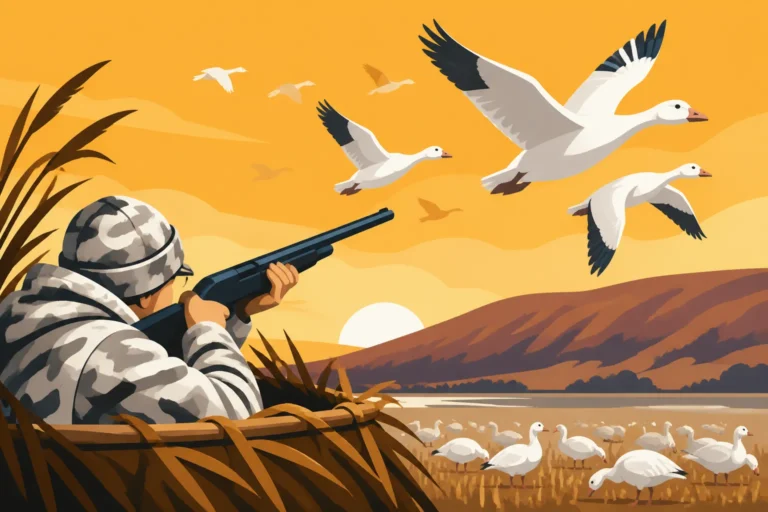
Hunting Lake Erie Divers
The vast, shimmering expanse of Lake Erie, with its ever-changing moods and formidable waves, can feel like an entirely different world from the quiet woodlots or meandering creeks many Pennsylvania hunters are accustomed to. For those drawn to the unique challenge of waterfowling the big water, specifically hunting diver ducks, the frustrations are real: navigating treacherous conditions, deciphering bird movements over seemingly endless water, and ensuring your gear can stand up to the elements. This guide aims to demystify the art and science of hunting Lake Erie divers, providing you with the knowledge and tactics to safely and successfully pursue these incredible birds.
Understanding Lake Erie Diver Ducks
When you commit to hunting diver ducks on Lake Erie, you're entering a world governed by vastness and specific bird behaviors. Divers are a distinct group of waterfowl, spending much of their time out on open water, plunging deep to feed. This is fundamentally different from puddle ducks, which dabble in shallower waters. Understanding these distinctions is the first step toward a successful hunt.
Species You'll Encounter
Lake Erie serves as a major migration corridor along the Atlantic Flyway, attracting a diverse array of diver species, each with its own preferences. The most common divers you'll likely see flying across the Pennsylvania shoreline of Lake Erie are Lesser Scaup and Greater Scaup, often collectively referred to as "bluebills." These birds are abundant and known for forming immense rafts on the open water, where they feast primarily on mussels. You'll also encounter the highly prized Redheads and Canvasbacks. These regal ducks tend to favor areas with submerged aquatic vegetation, often found in more protected bays or the mouths of larger creeks that feed into the lake.
Don't be surprised to see Common Goldeneyes, known for their distinct appearance and fast flight, often found in smaller groups closer to shore or over rocky bottoms. Ring-necked ducks, while technically divers, typically prefer shallower, more vegetated habitats and might be found in the quieter fringes of the lake. Even Ruddy ducks, smaller and less commonly targeted, can be part of the mix. Each species offers a unique challenge and requires subtle adjustments in your approach. Knowing the difference between a distant string of Canvasbacks and a flock of Goldeneyes can save you a lot of time and effort in setting up your spread. For a deeper dive into the broader picture, check out our guide on Waterfowl Hunting on Pennsylvania Waters.
Reading the Lake: Water Conditions and Weather
Lake Erie is often referred to as an inland sea, and for good reason—it commands immense respect. The single biggest frustration for any Erie waterfowler is the lake’s notoriously fickle weather. Conditions can shift from glass-calm to dangerously rough in a matter of hours, making vigilance absolutely critical. The wind is the primary engine behind these changes. A sustained west wind, for example, can build towering waves as it travels the entire 241-mile length of the lake, creating formidable conditions that can swamp smaller boats and make retrieving birds nearly impossible. Conversely, a south or east wind might offer more sheltered waters closer to the Pennsylvania shore, providing safer hunting opportunities.
Beyond wind and waves, temperature plays a significant role. Early season hunting can be mild, but as autumn progresses into winter, the bitter cold can bring with it ice, which impacts bird movement and hunter access. Sudden temperature drops can also trigger dense fog, a significant navigation hazard on such a large body of water. Before ever thinking about launching your boat, you must consult comprehensive marine forecasts, like those provided by NOAA's Great Lakes sector. Pay close attention to wind speed, wave height predictions, and any small craft advisories. A bit of chop is often desirable for duck hunting, as it helps break up your blind and adds natural motion to your decoys, but knowing when to call it a day is a sign of a seasoned and responsible hunter. The challenges of Erie make hunting other bodies of water, such as those discussed in Duck Hunting Pennsylvania Rivers, seem tame by comparison, despite their own unique difficulties.
Essential Gear and Setup for Lake Erie Divers
Hunting Lake Erie divers isn't just about showing up with a shotgun and a few decoys. This big water environment demands specialized equipment to ensure both hunter safety and hunting success. Skimping on gear here is not an option; the stakes are simply too high.
Decoy Spreads and Boat Blinds
When it comes to diver decoys on Lake Erie, the general rule of thumb is "go big or go home." Diver ducks are highly social birds that often travel and raft in large numbers. A small spread of 12-24 decoys, while effective in smaller marshes, will often be overlooked on the vast expanse of Lake Erie. Successful diver hunters typically deploy spreads of 50-100 decoys, and sometimes even more, especially when targeting scaup or canvasbacks. These spreads need to be heavy-duty, with robust anchor weights and strong line to withstand the relentless currents and waves. Texas rigs or main line rigs with individual droppers are popular choices due to their efficiency in deployment and retrieval—a crucial factor when working with hundreds of decoys in cold, choppy water.
Variety in your spread, while not overdone, adds realism. While your spread might primarily consist of bluebill decoys, adding a few Redhead or Canvasback decoys can increase allure. Many hunters arrange their decoys in large, distinct "rafts" to mimic natural feeding and resting patterns, often with an open "landing zone" directly into the wind, within shooting range of their blind. Speaking of blinds, a well-built boat blind is virtually mandatory for diver hunting on Lake Erie. These blinds not only offer superior concealment from wary ducks circling overhead but also provide essential shelter from the wind, spray, and cold. Alternatively, specialized layout boats allow hunters to lie nearly flat on the water, effectively disappearing into the decoy spread. Choosing the right concealment system, whether a boat blind or a layout boat, can make all the difference when those birds decide to commit.
Boats, Motors, and Safety Equipment
This is where the rubber meets the road for Lake Erie diver hunting: your boat. You absolutely need a vessel designed for big water. Forget the johnboat or smaller V-hull you might use for river fishing. We're talking about robust, deep-V hulled boats, typically 18 to 24 feet in length, that can handle significant chop and heavy waves without taking on water or becoming unstable. Common choices include well-built aluminum boats, bay boats, or even smaller center console fishing boats, but they must be rated for rough water and equipped with high gunwales. A powerful and utterly reliable outboard motor is equally critical; a 150 horsepower or larger is often necessary to get to your hunting grounds efficiently and, more importantly, to get you back to safety quickly if the weather takes a turn for the worse. Seasoned Erie hunters often carry a smaller, secondary kicker motor as a backup, because a breakdown miles offshore can quickly escalate into a life-threatening situation.
Safety equipment isn't just a suggestion; it’s a requirement. Every person aboard must wear a Coast Guard-approved life jacket, especially given the frigid water temperatures during prime diver season, where hypothermia is a constant threat. Essential safety gear includes a marine-band VHF radio (cell service is unreliable offshore), a reliable GPS unit (dedicated units are often preferred over phone apps for robust performance), emergency flares, an audible signal device (horn), sufficient anchor and anchor line, a bailing device, and a well-stocked first-aid kit. A heavy-duty anchor and ample rode are non-negotiable for securely setting your decoy spread and positioning your boat, even in stiff winds. This isn't just about avoiding a citation; it's about survival. Reputable online retailers, like GoHunt, can be excellent resources for finding rugged marine electronics and safety gear specifically designed for challenging waterfowl environments.
Tactics for Successful Diver Hunting on Lake Erie
Having the right gear is only half the battle; the other half is understanding diver behavior and how to effectively position yourself in such an immense and dynamic environment. Successfully bringing birds into range on Lake Erie requires a keen eye for scouting, a deep respect for the elements, and meticulous setup strategy.
Scouting and Location
Scouting for diver ducks on Lake Erie is a specialized skill, vastly different from scouting a small pond or marsh. Your primary objective is to locate large rafts of birds, which can number in the hundreds or even thousands. These rafts are almost always concentrated over specific feeding grounds—think mussel beds, areas with dense submerged aquatic vegetation like chara or milfoil, or places where baitfish are abundant. The most effective scouting often involves using high-powered binoculars or a spotting scope from elevated vantage points along the Pennsylvania shoreline, scanning the distant water for dark masses of ducks. Driving the coastal roads and stopping at public overlooks can yield valuable information on bird concentrations.
Another excellent method, if conditions allow, is to take your boat out on calm days before the season opens or during periods of fair weather. Observe where birds are consistently sitting, feeding, and flying. Pay close attention to subtle changes in water depth or bottom composition, which can indicate prime feeding areas. Nautical charts and advanced mapping applications, which show underwater topography, are invaluable for identifying potential hotspots where divers will congregate. Divers also have predictable flight patterns, often flying along current breaks, changes in depth contours, or between favored roosting and feeding areas. Identifying these invisible flight lines is key to placing your spread in their path. Keep in mind that diver movements are highly fluid; what's true one day might change the next due to weather shifts or hunting pressure. Tools like those available through GoHunt can provide invaluable satellite imagery and topographical maps, allowing you to pinpoint underwater structure or current breaks that might be attracting birds, even before you launch your boat.
Wind, Currents, and Setup Strategy
The wind and currents on Lake Erie are not just weather phenomena; they are tactical elements that dictate almost every aspect of your hunt. They determine where birds will typically land, how your decoys will behave, and the optimal position for your blind. Diver ducks, like most waterfowl, almost invariably land into the wind. Therefore, your decoy spread must be positioned to offer incoming birds a clear, inviting landing strip directly in front of your blind, within comfortable shooting range. For instance, if you have a strong west wind, your decoys should string out to the east, allowing ducks to approach from the west and set their wings to land directly into your spread.
Currents, though often less dramatically visible than waves, are equally important. They can pull decoys out of a tight spread, create unnatural patterns, or even shift your boat. Using heavy weights and proper rigging methods—like a heavy main line with multiple droppers—is crucial for maintaining a realistic and effective spread. Often, hunters will seek out the lee side of a point, island, or a protected pocket where a strong wind funnels into a bay. These locations offer calmer water for both the hunters and the decoys and can naturally concentrate bird flight paths. When positioning your boat blind, anchor it securely on the downwind side of your spread. This allows approaching birds to finish their final descent directly over your decoys, presenting the best possible shots. It’s a constant chess game with nature, and much like understanding Wind and Thermals on a Ridge for deer hunting, mastering the nuances of wind and current on big water is essential for consistent success.
Common Lake Erie Diver Ducks
To help you distinguish between the various diver species you might encounter and understand their typical behaviors on Lake Erie, here's a brief overview:
| Species | Size | Key Identification (Males) | Preferred Habitat/Food on Erie | Typical Flight Pattern |
|---|---|---|---|---|
| Greater Scaup | Medium | Glossy green sheen on head, black chest, gray back | Deep, open water; mussels, small invertebrates | Fast, erratic, dense flocks |
| Lesser Scaup | Medium | Purple sheen on head, black chest, gray back | Slightly shallower open water; mussels, plants | Fast, erratic, dense flocks |
| Redhead | Large | Rusty red head, black chest, gray body | Bays, sheltered areas; submerged vegetation | Strong, direct, often in lines |
| Canvasback | Large | Rusty red head, black chest, white body | Bays, protected coves; wild celery, tubers | Very fast, powerful, V-formation |
| Common Goldeneye | Medium | Greenish-black head, distinctive white spot below eye | Near shore, rocky areas; crustaceans, insects | Extremely fast, direct |
| Ring-necked Duck | Medium | Black back, gray sides, ring on bill (often hard to see) | Shallow, vegetated edges of bays, creek mouths | Fast, agile, typically smaller groups |
Navigating Regulations and Ethical Considerations
Hunting waterfowl on Lake Erie comes with a unique set of responsibilities that extend beyond simply pulling the trigger. Adhering to regulations and practicing ethical hunting ensures safety, preserves the resource, and maintains a positive image for all hunters.
Pennsylvania Regulations Specific to Lake Erie
Like all waterfowl hunting in Pennsylvania, pursuing diver ducks on Lake Erie is governed by both federal and state regulations. First and foremost, you must possess a valid Pennsylvania hunting license, a Pennsylvania Migratory Game Bird Harvest Information Program (HIP) permit, and a Federal Duck Stamp. These are non-negotiable legal requirements. It is critical to consult the most current Pennsylvania Game Commission (PGC) hunting digest each year, as season dates, bag limits, and specific rules for each species can change based on population surveys and management objectives. Always have the latest digest readily available.
A fundamental regulation for all waterfowl hunters, and especially those operating on Lake Erie, is the mandatory use of non-toxic shot. Lead shot is strictly prohibited for waterfowl hunting due to its harmful effects on birds that ingest it while feeding. Approved alternatives include steel, bismuth, or various tungsten-alloy shots. This rule is crucial for environmental stewardship and the health of the waterfowl population. Additionally, always be mindful of legal shooting hours, which typically begin one-half hour before sunrise and conclude at sunset. These hours are rigorously enforced. Hunters should also familiarize themselves with Pennsylvania's Duck Zone Boundaries, as specific season dates can occasionally vary within different zones, even on Lake Erie. Finally, check for any localized ordinances or special restrictions that might apply to particular bays, harbors, or protected areas along the Erie shoreline before setting up your hunt.
Respecting the Resource and Other Users
Hunting on a vast body of water like Lake Erie means you'll often be sharing the space with a variety of other users, including commercial and recreational fishermen, pleasure boaters, and fellow waterfowl hunters. Practicing courtesy and respect is paramount to a positive experience for everyone. Always give other hunters ample space; crowding another decoy spread is not only poor etiquette but can also create safety hazards. Adhere strictly to all boating safety rules, maintain safe speeds, and be conscious of your wake, especially when passing smaller boats or anchored setups.
Ethical hunting also encompasses your responsibility to the game itself. Have a solid plan for retrieving downed ducks swiftly, particularly in rough water, to minimize the loss of crippled birds. A well-trained retriever dog is an invaluable asset in this environment. If you wound a bird, make every diligent effort to recover it. This demonstrates respect for the animal and ensures a humane outcome. Beyond interacting with other people, we bear a profound responsibility to the natural resource. Always clean up after your hunt; spent shotgun shells, trash, and broken decoy lines must be removed from the lake. Our collective actions ensure that Hunting Lake Erie Divers remains a cherished and sustainable pursuit for future generations, requiring us to be good stewards of the environment and respectful members of the hunting community.
Disclaimer
The information provided in this guide is for informational purposes only and does not constitute legal advice. Hunting regulations in Pennsylvania are subject to change. Always consult the most current Pennsylvania Game Commission hunting digest and federal regulations before engaging in any hunting activities. Safety is paramount; ensure you have proper training, equipment, and adhere to all boating and hunting safety protocols.