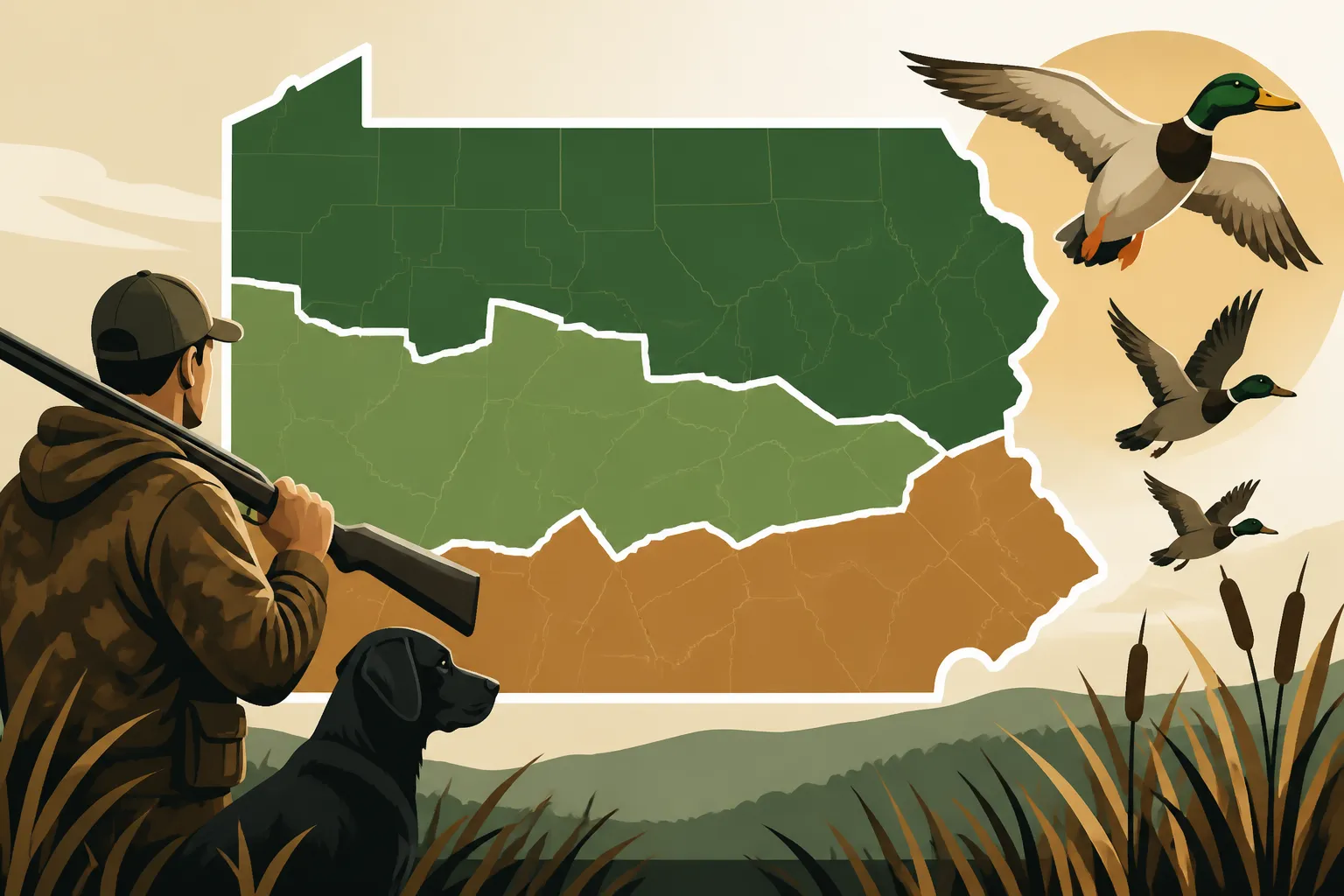
Pennsylvania Duck Zone Boundaries
It can feel like you need a Ph.D. in regulations just to figure out where you can even start hunting waterfowl in Pennsylvania, let alone when. With different zones, varying opening and closing dates, and specific rules for ducks versus geese, it's easy to get overwhelmed before you even put on your waders. This guide is here to untangle the complexities of Pennsylvania's duck zone boundaries, helping you understand where you can hunt and why these distinctions matter for your next outing.
The Intricacies of Migratory Bird Zones in Pennsylvania
For many hunters, the concept of migratory bird zones can feel like an unnecessary layer of complexity. You just want to know where to go and when you can legally hunt! But these zones aren't just arbitrary lines on a map; they're critical tools the Pennsylvania Game Commission (PGC) and the U.S. Fish and Wildlife Service (USFWS) use to manage waterfowl populations. Different parts of our state experience different migration patterns, breeding success, and wintering habits for various duck species. To ensure sustainable hunting opportunities and protect the resource, seasons and bag limits must be tailored to these regional differences. It means that while your buddies up north might be knee-deep in early mallards, you in the south could be waiting a bit longer for the main push of divers.
Why Zones Matter for Waterfowl Hunters
The primary reason these zones are so important is that they directly dictate your season dates and, sometimes, even your daily bag limits for certain species. Imagine planning an elaborate duck hunt, buying all your gear, scouting your spot, only to realize the season hasn't opened in your specific zone, or perhaps it's already closed. That's a gut punch no one wants to experience. These zones allow wildlife managers to open seasons when ducks are most abundant in an area, maximizing hunter opportunity while avoiding overharvest. This flexible approach means that a cold front pushing birds down from Canada might trigger different responses in the North Zone compared to the South Zone, leading to different hunting calendars. It's all about matching the hunting pressure to the bird availability, which keeps our waterfowl populations healthy for generations to come.
Pennsylvania's Place in the Atlantic Flyway
Pennsylvania is a crucial stopover point for millions of migratory birds traveling along the Atlantic Flyway. This flyway is like a superhighway in the sky, stretching from the Arctic breeding grounds all the way down to the Caribbean and South America. Ducks, geese, and other waterfowl use this corridor during their spring and fall migrations. Our state, with its vast network of rivers, lakes, reservoirs, and wetlands—from the Delaware and Susquehanna to Lake Erie and countless smaller creeks—provides vital feeding and resting areas. Because of this geographic significance, Pennsylvania's migratory bird regulations are not just state-level decisions; they are heavily influenced by federal frameworks established by the USFWS, often through the Flyway Council system. This means our local rules are part of a much larger, continent-wide conservation strategy, ensuring that hunting seasons here don't negatively impact populations elsewhere along the flyway.
Deciphering Pennsylvania's Duck Zone Boundaries
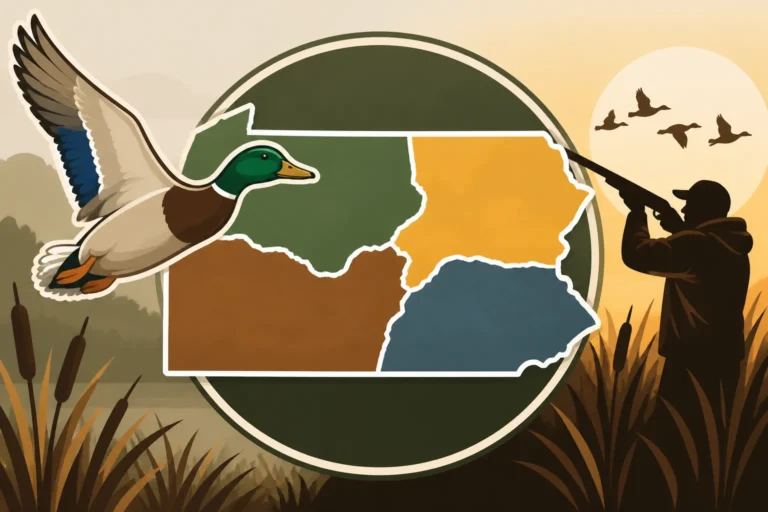
Understanding exactly where these zones are divided is the first step to confidently planning your duck hunting trips. Pennsylvania is typically divided into two primary duck zones: the North Zone and the South Zone. The boundary line, while seemingly complex on paper, generally follows recognizable roads and geographic features, making it easier for hunters to pinpoint their location. Always double-check the most current Pennsylvania Hunting & Trapping Digest, as regulations can occasionally be adjusted.
The North Zone Boundary Explained
The North Zone encompasses the northern portion of the state, where ducks generally arrive and depart earlier due to the colder climate and more immediate influence of northern migration pushes.
The Boundary Line: To define the line that separates the North from the South Zone, the Pennsylvania Game Commission uses a specific set of roads and waterways. It runs:
- Starting at the Ohio State Line, along Interstate 80 (I-80) east to Route 220.
- Then, south on Route 220 to Interstate 180 (I-180).
- Continuing east on I-180 to Route 147.
- Next, south on Route 147 to Interstate 81 (I-81).
- North on I-81 to Route 6.
- Finally, east on Route 6 to Interstate 84 (I-84), and then east on I-84 to the Delaware River.
Every piece of land and water north of this intricate line falls into the North Zone. For hunters up near places like Lake Erie or the upper Susquehanna River, you'll almost certainly be operating under North Zone regulations. This means your season for species like mallards, wood ducks, and green-winged teal might open a bit earlier and potentially close earlier than those south of the line.
The South Zone Boundary Demarcated
Conversely, the South Zone covers the southern half of Pennsylvania, where migratory patterns tend to shift later into the fall and winter, influenced by more temperate conditions and later movements of birds from points further north within the flyway.
The Demarcation: The South Zone is simply defined as all areas south of the boundary line detailed above. This includes major population centers and rich agricultural areas like those found when Hunting Pennsylvania Farm Country Edges and Suburban Deer Hunting in Southeast Pennsylvania. If you're hunting ducks in the rivers, lakes, and wetlands of southeastern Pennsylvania, the central part of the state, or the southwest, you'll be in the South Zone. This region often sees different flight patterns, with peak migrations occurring a bit later in the season. Understanding this distinction is key for planning successful hunts, especially if you're targeting late-season ducks that might hold longer in southern waters before continuing their journey.
How to Determine Your Zone
Knowing the exact boundary line is one thing, but practically applying it in the field can sometimes be tricky, especially if you're hunting near the border. Here's how you can make sure you're always in the right zone:
- Consult the PGC Digest: This is your bible. Every year, the official Pennsylvania Hunting & Trapping Digest publishes maps and explicit descriptions of these boundaries. Always pick up the latest copy or download the PDF from the PGC website.
- Use Digital Mapping Tools: Modern mapping applications like GoHunt, onX Hunt, or even Google Maps can be invaluable. You can often overlay the PGC's published boundary lines onto these maps, giving you a clear visual representation of where the zones split. Before you head out, drop a pin on your intended hunting spot and check which side of the line it falls on. These apps are fantastic for Scouting Pennsylvania Public Land Before Season and ensuring you're legally situated.
- Cross-Reference Road Names: Pay close attention to the specific interstates and state routes mentioned in the boundary description. If you're driving to a spot, you can often tell which side of I-80 or Route 220 you're on.
- Ask Local Hunters: Don't be shy! Experienced waterfowl hunters in a particular area will almost certainly know which zone they are in. Just remember to verify their information with official sources.
By taking these steps, you can avoid any unintentional violations and ensure your focus remains on the thrilling experience of Duck Hunting the Susquehanna River or jump shooting a small creek, rather than worrying about regulatory lines.
Practical Implications and Planning Your Duck Hunt
The existence of distinct duck zones isn't just a bureaucratic formality; it has tangible effects on how you plan and execute your waterfowl hunting seasons. From understanding when to expect birds to knowing which license you need, these zones shape the entire experience.
Impact on Season Dates and Bag Limits
The most significant impact of the duck zones is on the specific hunting seasons and, sometimes, the daily bag limits.
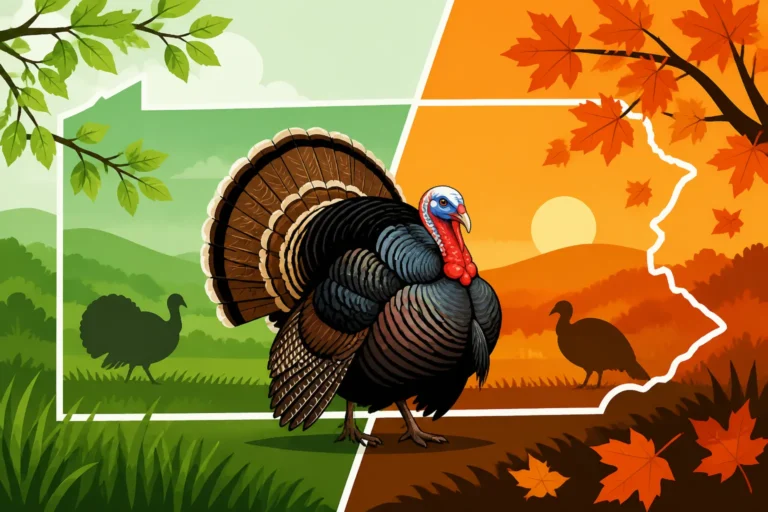
- Season Dates: In the North Zone, duck season often opens earlier in the fall, typically in late September or early October, to coincide with the first major pushes of migratory ducks that haven't yet moved further south. This might be followed by a split in the season, with a closure, and then reopening later in the fall. The South Zone, on the other hand, usually has a later opening, often in October, and its season may run deeper into January, catching those later flights of birds that winter in our milder climates. This means if you hunt both zones, you'll need to pay very close attention to two different sets of dates. This variability highlights why understanding Duck Migration Timing Through Pennsylvania is so important.
- Bag Limits: While general daily bag limits for species like mallards, wood ducks, and teal are often consistent statewide, there can be nuances. Certain species might have specific restrictions or additional bonus birds that vary by zone or even change from year to year based on population surveys. For instance, the number of hen mallards or black ducks allowed in the daily bag could be tighter in one zone compared to another. Always consult the current PGC digest for the precise Pennsylvania Waterfowl Seasons and Zones and bag limits.
Here's a simplified table to illustrate the potential differences:
| Feature | North Zone (Generally) | South Zone (Generally) |
|---|---|---|
| Season Opener | Earlier (Late Sept/Early Oct) | Later (Mid/Late Oct) |
| Season Duration | Often includes an earlier split, shorter total days, or closes earlier in Dec. | Often runs later into January, longer total days. |
| Primary Birds | Early migrants like wood ducks, teal, local mallards. | Later flights of mallards, divers, black ducks. |
| Climate Influence | Colder, earlier freezes, more immediate influence from northern fronts. | Milder, later freezes, more potential for late-season open water. |
Tools and Resources for Zone Navigation
In today's age, hunters have a plethora of resources at their fingertips to help navigate these zone complexities. Beyond the physical PGC digest, several digital tools can make your life much easier.
- Official PGC Website: The Pennsylvania Game Commission's website is the authoritative source for all regulations, including up-to-date zone maps and season dates. Make it a habit to check it before each season.
- Mapping Apps (GoHunt, onX Hunt): As mentioned, these apps are invaluable. Platforms like GoHunt often have features specifically for hunters, allowing you to view property boundaries, public lands, and sometimes even overlay regulation boundaries. This can be particularly useful when you're exploring new areas or making sure you're not inadvertently crossing into a different zone. Many hunters rely on these tools for Finding Pennsylvania Property Lines and understanding access points.
- Social Media & Forums: While not official sources, local hunting groups on social media or dedicated forums can be great places to ask questions and get insights from other hunters about specific areas and their zone designation. Just remember to always verify information with official PGC sources.
By utilizing these tools, you can ensure you're always informed and ready for your next waterfowl adventure, whether it's Hunting Lake Erie Divers or calling in mallards on a local pond.
Waterfowl Hunting on Pennsylvania Waters
Regardless of which duck zone you find yourself in, the principles of responsible and effective waterfowl hunting remain the same. Pennsylvania offers a huge diversity of water types, from the vast expanses of Lake Erie and the mighty Susquehanna River to small, hidden farm ponds and flooded timber. Each type of water presents its own challenges and rewards.
- River Systems: Major rivers like the Susquehanna, Delaware, and Allegheny are crucial migration corridors. Hunters can find success jump-shooting smaller tributaries or setting up decoys on larger river bends, especially where sandbars and islands create resting areas. Don't forget that if you're hunting on these major rivers, you'll need to understand state and federal regulations regarding navigation and safety zones. For those considering Duck Hunting the Susquehanna River, knowledge of zone boundaries is paramount.
- Lakes and Reservoirs: Many of Pennsylvania's larger lakes and reservoirs also attract significant numbers of ducks, particularly diving ducks like scaup, canvasbacks, and ring-necked ducks. These spots often require larger decoy spreads and specialized techniques, sometimes including boat blinds. Hunting Lake Erie Divers can be a particularly challenging but rewarding experience.
- Small Ponds and Marshes: Don't overlook the smaller, often overlooked pockets of water. Farm ponds, beaver dams, and cattail marshes can be absolute magnets for wood ducks and mallards, especially during the early season. These spots might offer fantastic opportunities for Jump Shooting Small Creeks or setting up a small, portable blind.
No matter your chosen location, remember the importance of proper licensing, including your Pennsylvania Migratory Game Bird Licence, a valid Pennsylvania Federal Duck Stamp Rules, and registering for Pennsylvania HIP Registration for Migratory Birds. These are all critical components of legal waterfowl hunting in the Keystone State.
Disclaimer
Please remember that hunting regulations, including duck zone boundaries, season dates, and bag limits, are subject to change annually by the Pennsylvania Game Commission and federal authorities. Always consult the most current official Pennsylvania Hunting & Trapping Digest or the PGC website before planning any hunting trip to ensure you have the most up-to-date information. This guide provides general information and should not be considered a substitute for official regulations.