Why Migratory Birds Stayed Closed on Sundays
It's incredibly frustrating, isn't it? After years of advocating for more hunting opportunities, Pennsylvania finally opened up Sundays for a good portion of our deer, bear, and some small game seasons. Yet, if you're a passionate waterfowler, chasing ducks on the Susquehanna, or an upland hunter after woodcock in a quiet bottom, you might still find yourself looking at a closed Sunday season. This guide will dive deep into why migratory birds stayed closed on Sundays in Pennsylvania, unraveling the complex layers of state and federal regulations that govern these particular species.
Understanding Pennsylvania's Sunday Hunting Evolution
For generations, Pennsylvania was one of the last bastions of "blue laws" when it came to hunting. The concept of no hunting on Sundays was deeply ingrained in our state's hunting heritage, causing countless frustrations for hunters with limited weekday time.
A Long History of Restrictions
For well over a century, hunting on Sundays in Pennsylvania was largely prohibited. This wasn't just a quirky state tradition; it had historical roots in religious observance and agricultural concerns. Farmers often wanted their land free from hunters one day a week, and many communities valued the quietude. This long-standing ban meant that for the majority of hunters, the weekend truly meant Saturday only, making those cherished days afield feel incredibly short. Many of us remember the feeling of having to pack up Saturday evening, knowing we couldn't get back out until Monday, even if the deer were moving or the pheasants were plentiful. It was a tough pill to swallow, especially as neighboring states enjoyed more liberal Sunday hunting rules.
The Recent Shift for Big Game and Small Game
The tide began to turn in 2019, marking a significant victory for Pennsylvania hunters. After years of dedicated lobbying by groups like the Pennsylvania Game Commission and various sportsmen's organizations, Act 107 was signed into law, expanding Sunday hunting opportunities. This legislative change was a monumental moment. Suddenly, hunters could pursue deer, bear, and a few small game species like coyotes and foxes on three specific Sundays during the hunting season. This expansion was a direct response to the demands of a modern hunting population that needed more flexibility to get into the woods. If you're wondering What Sunday Hunting Changed in Pennsylvania, this was the big one – finally breaking a tradition that many felt was outdated and economically restrictive. However, this hard-won freedom didn't extend to everything, leaving migratory bird hunters still in the dark.
The Migratory Bird Exception: Federal Regulations at Play
The frustration for migratory bird hunters isn't due to a lack of effort or oversight by the Pennsylvania Game Commission (PGC). It's a much bigger beast, involving federal laws and international treaties that govern these specific species.
Federal Oversight of Migratory Bird Hunting
Unlike deer or bear, which are managed primarily at the state level, migratory birds like ducks, geese, doves, and woodcock fall under the jurisdiction of the U.S. Fish and Wildlife Service (USFWS). This federal oversight stems from the Migratory Bird Treaty Act of 1918, an international agreement between the U.S., Canada, Mexico, Japan, and Russia to protect shared migratory bird resources. Because these birds cross state and international borders, their management requires a coordinated, uniform approach to ensure their long-term health and prevent overharvesting.
This means that while the PGC sets the general framework for hunting deer or turkeys within the state, when it comes to migratory birds, they operate within a much tighter federal framework. Each year, the USFWS provides states with a "framework" of rules, including season lengths, bag limits, and shooting hours, that states must adhere to. Pennsylvania, like all other states in the Atlantic Flyway, receives these guidelines and then selects its specific seasons and bag limits within those federal parameters. It’s a bit like a coloring book: the USFWS gives us the outline, and the PGC gets to pick the colors, but they can't draw outside the lines.
Why Pennsylvania Can't Unilaterally Open Sundays
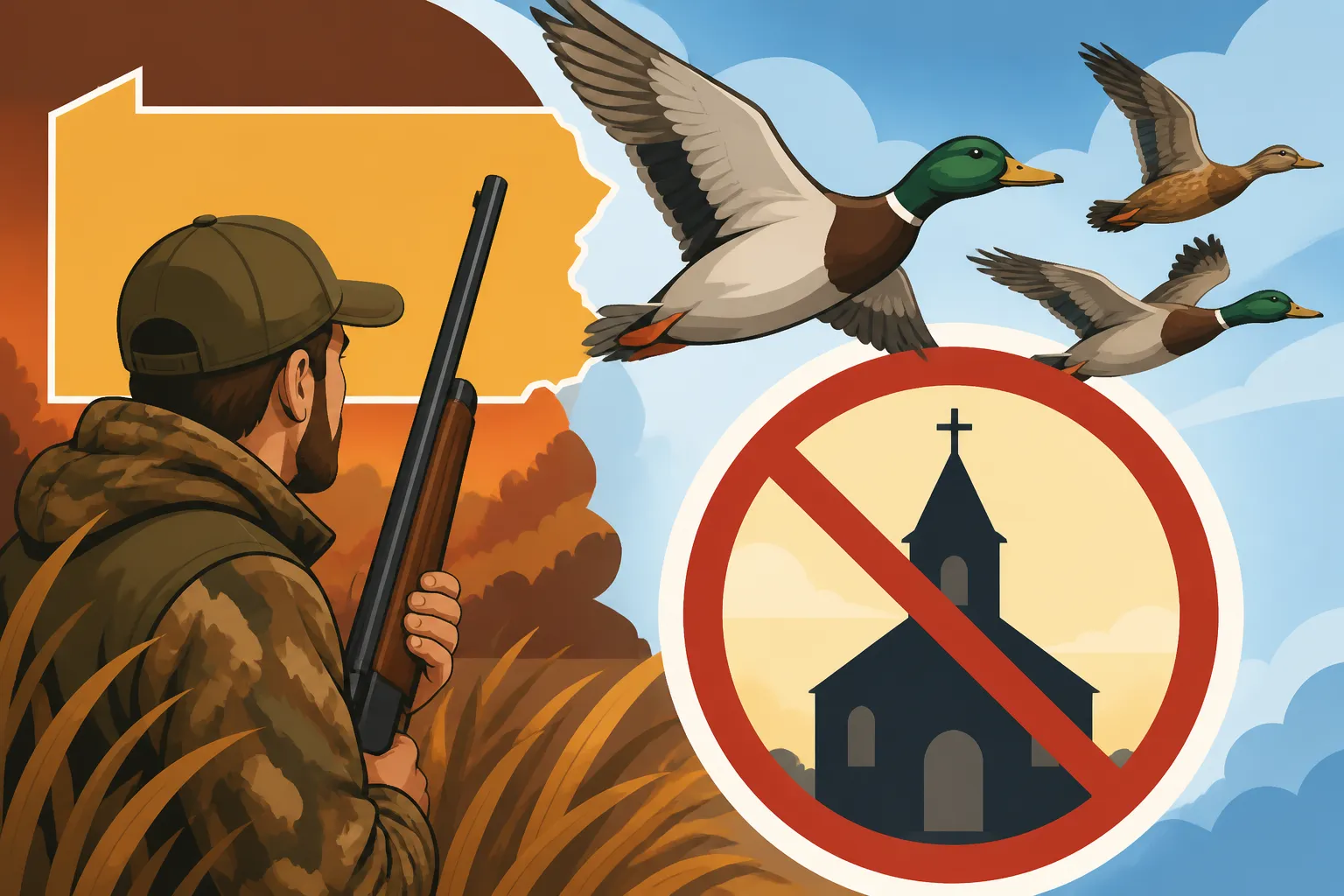
Here's where the rubber meets the road: the federal framework provided by the USFWS for migratory bird hunting specifically prohibits hunting on Sundays. This isn't a Pennsylvania-specific rule; it's a nationwide restriction that applies to all states managing migratory game birds. States are permitted to choose their season dates, but those chosen dates cannot include Sundays.
So, even though Pennsylvania's state legislature passed Act 107 to allow Sunday hunting for other game, they simply cannot override this federal regulation for migratory birds. The PGC has explored this issue extensively, and their hands are tied by federal law. If Pennsylvania were to defy this federal rule, it could jeopardize the state's entire migratory bird hunting program, potentially leading to federal sanctions and the loss of season-setting authority altogether. It's a significant deterrent, ensuring compliance with the larger conservation goals of the Migratory Bird Treaty Act. This is the core reason Why Sundays Are Closed for Waterfowl and other migratory species.
The Future of Sunday Migratory Bird Hunting
So, what would it take to change this? It would require action at the federal level, either through an amendment to the Migratory Bird Treaty Act or a change in policy by the USFWS. Discussions and debates about this issue do happen, but progress is slow. There's a delicate balance to maintain between hunter opportunity and species conservation, and the federal agencies tend to err on the side of caution.
For now, the federal stance remains firm. While groups continue to advocate for expanded opportunities, any change would involve a lengthy process of biological review, public comment, and policy adjustment at the national level. It’s not something that the Pennsylvania General Assembly can simply decide to do. This means that for the foreseeable future, Pennsylvania waterfowl and migratory bird hunters will need to plan their hunting around the Monday-Saturday schedule.
The Practical Impact on Pennsylvania Waterfowlers and Upland Bird Hunters
This federal restriction has real, tangible impacts on the hunting community in Pennsylvania, particularly for those who primarily pursue migratory species.
Lost Opportunities for Weekend Warriors
For many working Pennsylvanians, weekends are the only realistic time they have to hunt. Imagine you've scouted a prime spot on the Susquehanna River, noting where the ducks are loafing, or found a woodcock cover thick with activity. You've got Saturday, and if you're lucky, you can get out then. But then Sunday rolls around, and you're forced to stay home, knowing those birds are still there, unpressured. It's a genuine bummer.
This limitation means that hunters focused on Duck Hunting Pennsylvania Rivers or Goose Hunting Pennsylvania Fields miss out on a significant chunk of potential hunting time. It also concentrates hunting pressure on Saturdays, which can make it tougher to find unpressured birds or open spots on public lands. Many hunters wish they had the flexibility to spread their hunting efforts over two weekend days, easing pressure on specific areas and giving them more chances to introduce new hunters, especially youth, to the sport. It's a stark contrast to the freedom felt by deer hunters, who can now plan for two full weekend days during certain seasons.
Managing Hunting Pressure and Species
While the federal prohibition can be frustrating for individual hunters, it's rooted in a larger conservation philosophy. The USFWS aims to prevent overharvest and ensure sustainable populations of migratory birds. By limiting hunting to six days a week, it naturally reduces overall hunting pressure.
Consider the intense pressure that popular species like mallards, Canada geese, and doves can receive. With large numbers of hunters concentrated in specific areas, adding another full day of hunting pressure, especially on weekends when more people are afield, could potentially impact local populations. This federal regulation provides a blanket conservation measure across the flyways, offering migratory birds a consistent day of respite, regardless of which state they happen to be in. The science behind these decisions is complex, taking into account population data, breeding success, and harvest rates across their entire range. While states like Pennsylvania might feel they could manage an extra day without biological harm, the federal approach prioritizes consistency and caution across all flyways.
Maximizing Your Weekday Hunts
Given the current rules, Pennsylvania migratory bird hunters have to be strategic. You've got to make the most of those weekdays and Saturdays. This means:
- Scouting Smart: Use tools like GoHunt's mapping features or the PGC's interactive maps to identify potential hunting spots, especially during off-hours. Knowing where birds are feeding, resting, or traveling before your hunt day is critical.
- Time Management: If you have flexible work hours or can take a day off, targeting mid-week hunts can often lead to less crowded conditions and more active birds.
- Early Starts and Late Finishes: Maximizing legal shooting hours on your chosen hunting days is paramount. Be in your blind early and stay until the very end.
- Learning Bird Movements: Pay close attention to how weather fronts, farming activities, and local pressure influence bird movements. This will help you predict where the birds will be on your next huntable day.
- Diversify Your Hunting: Don't just focus on one species or location. If the ducks aren't flying, perhaps a quick trip for Dove Hunting a Cut Field or flushing some Woodcock in Pennsylvania Bottoms could still fill your hunting itch.
Navigating Seasons and Rules for Migratory Birds in Pennsylvania
Even with the Sunday restriction, Pennsylvania offers fantastic migratory bird hunting. Understanding the specific seasons and requirements is key to a successful and legal hunt.
Key Migratory Bird Species and Seasons
Pennsylvania is part of the Atlantic Flyway, meaning we get a diverse array of migratory birds passing through or residing here. Our seasons are generally split into different zones and periods to maximize opportunity while managing populations.
- Ducks: Seasons typically run in multiple segments, often with an early split, followed by a longer main season, sometimes divided into northern and southern zones. Species include mallards, wood ducks, divers, and more. Understanding Pennsylvania Duck Zone Boundaries is crucial for setting your calendar.
- Geese: Canada goose seasons are also segmented, often with an early season designed to target resident populations before migratory birds arrive, followed by regular and late seasons. Snow geese have unique conservation order seasons.
- Doves: The mourning dove season usually opens in early September and runs in several phases, often providing excellent early-season wing shooting opportunities.
- Woodcock & Snipe: These unique upland migratory birds have shorter, specific seasons, often in October, aligning with their migration patterns.
For the most up-to-date information on Pennsylvania Waterfowl Seasons and Zones and other migratory bird dates, always check the Pennsylvania Game Commission's annual digest or their website. Season dates can shift slightly year to year based on federal frameworks and PGC decisions.
Essential Licenses and Stamps
Hunting migratory birds in Pennsylvania requires more than just a general hunting license. There are several additional requirements that stem directly from the federal oversight of these species.
- Pennsylvania Migratory Game Bird License: This state-specific permit is required in addition to your general hunting license. It's an inexpensive but mandatory purchase for anyone hunting ducks, geese, doves, woodcock, snipe, coots, or rails.
- Federal Duck Stamp: Also known as the Migratory Bird Hunting and Conservation Stamp, this is a federal requirement for all waterfowl hunters aged 16 and older. It contributes significantly to wetland conservation and habitat acquisition across the country. Make sure you understand Pennsylvania Federal Duck Stamp Rules and carry your signed stamp with you.
- HIP Registration: Hunters of migratory game birds (including doves, woodcock, snipe, rails, coots, ducks, and geese) must register with the Harvest Information Program (HIP). This free registration collects vital information that helps the USFWS track hunter participation and harvest numbers, which is critical for setting future seasons. Don't forget your Pennsylvania HIP Registration for Migratory Birds.
Utilizing Resources for Up-to-Date Information
Staying informed is half the battle. The PGC website is your absolute best friend for current regulations, season dates, and bag limits. They publish an annual digest that covers all the specifics. Additionally, many online mapping and hunting apps, like GoHunt, integrate current season information and public land boundaries, making it easier to plan your hunts and ensure you're compliant with all state and federal rules. These tools can be invaluable for scouting, finding access points, and understanding land ownership, especially when planning those critical Saturday hunts for migratory birds.
Game Category Sunday Hunting Status Governing Authority Notes
Category Sunday Hunting Status Notes
White-tailed Deer YES (Specific Sundays) See PGC for specific season dates and regulations.
Black Bear YES (Specific Sundays) See PGC for specific season dates and regulations.
Small Game (e.g., Cottontail, Coyote, Fox) YES (Specific Sundays) Check PGC for specific species and season dates.
Migratory Birds NO Prohibited by Federal Regulations
Wild Turkey NO State regulations prohibit Sunday turkey hunting.
Ruffed Grouse NO State regulations prohibit Sunday grouse hunting.
Pheasants NO State regulations prohibit Sunday pheasant hunting.
Disclaimer
Hunting regulations can change frequently. While this guide provides a comprehensive overview, it is essential always to consult the official Pennsylvania Game Commission website and the current year's hunting and trapping digest for the most accurate and up-to-date information before heading afield.