Pennsylvania’s Long Squirrel Season Explained
Navigating Pennsylvania's hunting regulations can feel like deciphering an ancient scroll, especially when you're just looking for straightforward information on when and how to pursue smaller game. For many seasoned hunters and newcomers alike, understanding the nuances of various seasons, particularly one as long and seemingly simple as squirrel season, can still be a bit of a head-scratcher. This guide aims to pull back the curtain on Pennsylvania's generous squirrel hunting opportunities, helping you understand the rules, find the best spots, and make the most of your time in the woods.
Understanding Pennsylvania's Squirrel Season
Squirrel hunting in Pennsylvania isn't just a tradition; it's an accessible entry point into the outdoor lifestyle for countless hunters, offering a lengthy season that allows for flexible planning and ample opportunity. The Pennsylvania Game Commission (PGC) recognizes the robust populations of gray and fox squirrels across the state, and they've structured the season to reflect that abundance, creating one of the most hunter-friendly small game seasons on the books.
A Season Built for Opportunity
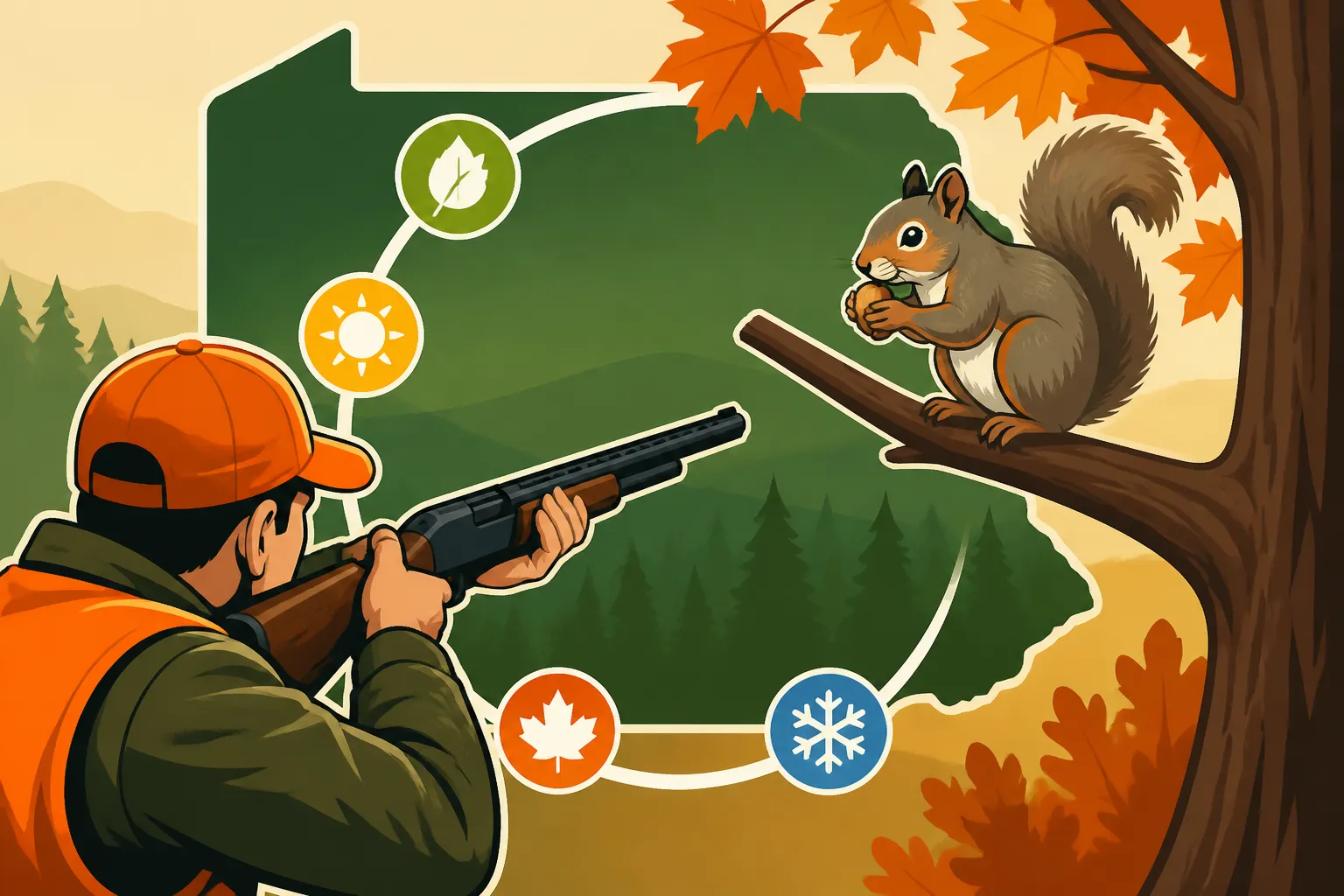
The sheer length of Pennsylvania's squirrel season is truly remarkable, spanning multiple months and offering diverse hunting conditions. This isn't by accident; it's a deliberate choice by the PGC to maximize participation and manage a thriving game species. Unlike some big game seasons that are often short and intense, the extended squirrel season acknowledges that these animals are prolific breeders and maintain strong numbers, even with consistent hunting pressure. For new hunters, especially youth, it's an ideal way to learn woodsmanship, firearm safety, and basic hunting ethics without the intense pressure or commitment of a deer or bear hunt. You can be out in early autumn, enjoying the vibrant fall foliage, or tracking fresh sign through a crisp winter snowfall. It truly offers a continuous learning environment.
Key Dates and Regulations You Need to Know
While the season is long, it's crucial to understand its specific parameters, including opening and closing dates, daily bag limits, and possession limits. Generally, Pennsylvania's squirrel season kicks off in mid-October, running concurrently with many other small game seasons, and then usually reopens in mid-December after the main firearms deer season, extending all the way through February. This split season approach ensures hunters have chances throughout different periods.
For instance, the 2023-2024 season saw these dates:
| Season Phase | Start Date | End Date | Daily Bag Limit | Possession Limit |
|---|---|---|---|---|
| Regular | October 14, 2023 | November 25, 2023 | 6 | 12 |
| Extended | December 12, 2023 | February 29, 2024 | 6 | 12 |
Note: Always check the current Pennsylvania Game Commission digest for the most up-to-date and official dates, as they can vary slightly year to year.
The daily bag limit of 6 squirrels and a possession limit of 12 allows for a good harvest without over-pressuring local populations. What's also great for many hunters, especially those with busy schedules, is that squirrels are now included in the expanded Sunday hunting opportunities. This means if you have permission to hunt on private land, or if you're on State Game Lands or State Forests where Sunday hunting is now permitted for small game, you can be out chasing bushy-tails on Sundays during the open season. This flexibility is a game-changer for many who previously couldn't find the time during the traditional Monday-Saturday schedule.
Why the Long Season Matters for Hunters
Beyond just offering more days afield, the extended squirrel season provides significant advantages for hunters. First, it's a fantastic training ground. Beginners can take their time, learn to identify different tree species, track animal movements, and practice shooting in a low-pressure environment. It’s also incredibly flexible. If your deer hunt wraps up early, or if you simply want to enjoy a quiet afternoon in the woods, squirrel season is almost always open.
This extended period also means you can experience different hunting conditions, from the vibrant, leaf-on woods of October to the bare, stark trees of late winter, where finding squirrels can become a fascinating exercise in spotting movement against a gray backdrop. It also helps spread out hunter pressure, meaning you're less likely to bump into other hunters every time you hit your favorite woodlot. This makes for a more peaceful, immersive experience. The lessons learned during a long squirrel season, from patient observation to understanding how weather affects game, are foundational skills that translate directly to success in larger pursuits, making it an invaluable part of the overall Pennsylvania hunting experience.
Prime Habitat and Tactics for Squirrel Hunting
Finding squirrels in Pennsylvania is less about luck and more about understanding their habitat and behaviors. These small game animals are creatures of habit, heavily reliant on food sources and suitable den trees. Once you learn to "read" the woods for squirrel sign, you'll be amazed at how many opportunities present themselves.
Locating Squirrel Hotspots in Pennsylvania
Squirrels, both gray and fox, are primarily found in hardwood forests, especially those rich in mast-producing trees. When you're scouting, keep your eyes peeled for oak, hickory, beech, and walnut trees. These are their primary food sources, providing the acorns, nuts, and seeds that fuel them. Creek bottoms and draws often hold a higher concentration of these valuable trees, providing both food and water, making them prime squirrel real estate. Look for mature timber stands, as older trees typically produce more mast and offer more denning cavities.
Don't overlook woodlots bordering agricultural fields, either. Fox squirrels, in particular, often frequent these areas, taking advantage of both the natural forest foods and the occasional corn or soybean left in fields. You can also spot evidence of their presence: look for "cuttings" – chewed nut shells – scattered on logs, rocks, or tree stumps. A concentration of fresh cuttings is a sure sign you're in a good spot. Learning to identify these signs is key to success, much like when you're learning to identify where the deer are moving by Reading Cuttings Under an Oak. During the fall, listen for the sounds of nuts dropping and squirrels barking; in winter, fresh tracks in the snow can lead you right to their feeding areas.
Still-Hunting and Sit-and-Wait Strategies
There are two primary tactics that work wonders for squirrel hunting: still-hunting and the sit-and-wait approach. Both have their merits depending on the time of year, terrain, and your personal preference.
Still-hunting involves moving through the woods very slowly and deliberately, pausing frequently to scan the trees and ground for any movement. Think of it less as walking and more as a series of slow, careful steps followed by several minutes of observation. This method is particularly effective in the early season when leaves are still on the trees, providing cover for both you and the squirrels. It forces you to be observant, to listen to the subtle sounds of the forest – the rustle of leaves, the chatter of a squirrel. As you move, you're constantly evaluating the landscape, looking for that flick of a tail or the outline of a squirrel hugging a tree trunk. It’s a fantastic way to sharpen your tracking and observational skills, which are crucial for success in Still-Hunting Pennsylvania Big Woods for deer as well.
The sit-and-wait strategy is exactly what it sounds like. You find a comfortable spot near a known food source or a prominent den tree – perhaps a fallen log, a small knoll, or even a portable stool – and you simply wait. Patience is paramount here. Settle in, get comfortable, and let the woods come alive around you. Squirrels are often most active during the early morning and late afternoon, so these are prime times for this tactic. If you're hunting in an area with a good concentration of mast trees, this can be incredibly effective. You might consider using a small ground blind, similar to how you might use one for deer, particularly if you're introducing a new hunter and want to minimize movement. Using a Ground Blind on Pennsylvania Game Lands can be very effective in this scenario.
Using Dogs for Squirrel Hunting
For many, the ultimate squirrel hunting experience involves a good squirrel dog. Breeds like feists, curs, and even some terriers are specifically bred and trained for this purpose, adding an entirely new dimension of excitement and efficiency to the hunt. A well-trained squirrel dog will use its keen nose and excellent eyesight to locate squirrels, chase them up a tree, and then "bark treed," indicating the squirrel's location.
The joy of hunting with a dog is truly something special. It's a partnership, with the dog doing much of the legwork, allowing you to focus on the shot. The sound of a dog eagerly barking at the base of an oak, confirming it has a squirrel pinned, is a thrilling experience. While not every hunter uses a dog, for those who do, it's a deeply rewarding experience that connects them to a long-standing hunting tradition. It also often allows for more successful hunts, as dogs are incredibly adept at finding squirrels that might otherwise go unnoticed.
Essential Gear for Your Squirrel Hunt
One of the beauties of squirrel hunting is that it doesn't require a truckload of specialized, expensive gear. In fact, many successful squirrel hunters head into the woods with little more than a rifle and a pocketful of shells. However, having the right basic equipment can significantly enhance your comfort, safety, and success.
Firearms and Ammunition Choices
When it comes to firearms for squirrel hunting, variety is truly the spice of life.
Rimfire Rifles: The .22 LR is, without a doubt, the classic squirrel rifle. It's quiet, accurate, and the ammunition is affordable. A good .22 rifle, whether it's a bolt-action, semi-automatic, or lever-action, allows for precise headshots, preserving the meat and making for a cleaner kill. Many hunters prefer a low-power scope (like a 2-7x or 3-9x) on their .22 to aid in accuracy, especially when targeting small heads high in a tree. For hunters looking for a similar experience with a bit more punch, a .17 HMR or .22 WMR can also be effective, offering flatter trajectories at slightly longer ranges, though they are often overkill for typical squirrel distances.
Shotguns: A shotgun, typically a 20-gauge or .410, is another popular choice, particularly in areas with thick cover or if you anticipate shots at moving targets. Shotguns are forgiving, and a load of #6 or #7.5 shot will effectively bring down a squirrel from a reasonable distance. A shotgun can also be a great option for younger hunters who might find a .22 rifle's precision more challenging. Just be mindful of your shot spread and surroundings, as shotguns are less precise than rifles.
Air Rifles: Increasingly, powerful PCP (pre-charged pneumatic) air rifles are becoming a favorite among squirrel hunters. They offer incredible accuracy, are extremely quiet (making follow-up shots on multiple squirrels in a group more feasible), and still deliver enough energy for clean kills with ethical pellets. Check local regulations, as not all areas permit air rifles for hunting, but in Pennsylvania, they are generally permitted for small game.
Optics and Other Key Accessories
While you might not need a massive spotting scope, a few key pieces of gear can make a big difference.
Binoculars: Even small, compact binoculars (8x magnification is plenty) are invaluable for spotting squirrels high in the canopy or discerning a branch from a bushy tail. They allow you to thoroughly scan a tree or a distant patch of woods without moving your head or rifle, reducing your chances of spooking game. Look for something lightweight and durable that you can easily carry in a vest pocket or on a harness. GoHunt mapping tools, for instance, are great for scouting on your phone before you even hit the woods, but once you're there, a good pair of binoculars is your best friend for Squirrel Hunting Pennsylvania Hardwoods.
Squirrel Calls: Sometimes, a bit of communication can bring a wary squirrel out into the open. Simple mouth calls that mimic a squirrel's chatter or bark can often pique their curiosity. A shaker call that imitates a squirrel cutting nuts can also be quite effective, especially if you're sitting still and trying to draw attention.
Other Essentials: A comfortable daypack or small game vest to carry your shells, snacks, water, and perhaps a small first-aid kit is always a good idea. A small knife for field dressing (though many wait until they're out of the woods for squirrels) and a pair of game shears can be handy. Don't forget a compass or GPS (your phone with a good mapping app works wonders) to keep you oriented, especially if you venture deep into State Game Lands.
Clothing for Comfort and Stealth
Layering is paramount for Pennsylvania's long squirrel season, which spans from crisp autumn days to frigid winter mornings.
Layering: In October, you might start the day in a light jacket and shed it by midday. By December or January, you'll need serious insulation. Think base layers (merino wool or synthetics), mid-layers (fleece), and an outer shell that's quiet and weather-resistant. This allows you to adjust to changing temperatures and activity levels. Quiet fabrics are essential for stealth, especially if you're still-hunting.
Camo or Drab Colors: While squirrels don't have the same color vision as deer, breaking up your outline is still important. Earth tones, greens, browns, and camouflage patterns will help you blend into the forest environment. While hunter orange is generally not required for small game during the specific squirrel-only portions of the season, it's always a good idea to wear some, particularly if other seasons (like deer archery or bear season) overlap, or if you're on public land where it might be required for certain conditions or other hunters are present. Always check the current PGC regulations for Pennsylvania Hunter Orange Requirements.
Footwear: Comfortable, quiet, and waterproof boots are a must. You'll be doing a lot of walking, climbing, and standing, often over uneven terrain. Good ankle support is also a bonus. During the late season, insulated boots are critical to keep your feet warm during long sits.
Beyond the Hunt: Processing and Enjoying Your Squirrels
Harvesting a squirrel is just the first step; properly handling your game ensures that the delicious meat makes it to your table. Many hunters consider squirrel meat a delicacy, and rightly so – it's lean, flavorful, and incredibly versatile.
Field Dressing and Transporting Your Harvest
Unlike larger game, field dressing a squirrel is often a quick, simple process. If you’re hunting in warm early-season weather, gutting the squirrel immediately can help cool the meat and prevent spoilage. However, many hunters simply place their harvested squirrels in a game bag or cooler and gut them back at camp or home, especially in colder weather.
To field dress: make a small incision along the belly, from the sternum to the pelvis, carefully avoiding the intestines. Eviscerate the animal, removing all internal organs. This process helps the meat cool down faster. Once dressed, place the squirrel in a breathable game bag or a cooler with ice, especially if temperatures are above 40 degrees Fahrenheit. Proper cooling is crucial to preserve the quality of the meat. Keep the squirrels dry; don't let them sit in melted ice water.
Butchering and Preparing Squirrel Meat
Skinning a squirrel can seem daunting at first, but with a bit of practice, it becomes quick and easy. There are several methods, but a popular one involves making an incision across the squirrel's back, then using your feet to hold down one part of the hide while you pull up on the legs, essentially "stepping out" of the hide. Once skinned, you can either leave the squirrel whole or quarter it into four pieces: two front legs and two hind legs, with the saddle (backstrap) often included with the hindquarters or removed separately.
Squirrel meat is lean, so don't expect a lot of fat. It has a mild, slightly nutty flavor, especially if the squirrels have been feeding heavily on acorns and hickory nuts. It's often compared to rabbit or dark meat chicken. Younger squirrels tend to be more tender, while older ones might benefit from longer, slower cooking methods.
Delicious Squirrel Recipes and Cooking Tips
Now for the best part: turning your harvest into a meal! Squirrel meat is incredibly versatile and lends itself to a wide array of recipes.
Classic Fried Squirrel: This is a time-honored favorite. Dredge the squirrel pieces in seasoned flour and pan-fry them until golden brown and cooked through. Serve with gravy, mashed potatoes, and biscuits for a truly traditional wild game meal.
Squirrel Stew or Pot Pie: For older, tougher squirrels, or just for a hearty, comforting meal, a slow-cooked stew or pot pie is perfect. Simmer the squirrel pieces in broth with vegetables like carrots, potatoes, and onions until the meat is falling off the bone. You can then shred the meat and use it as a filling for a pot pie with a flaky crust.
Braised or BBQ Squirrel: Braising squirrel in a rich sauce (like a red wine or mushroom sauce) or slow-cooking it in a smoker with your favorite barbecue rub and sauce can yield incredibly tender and flavorful results. This method also works wonders for ensuring the meat is moist and succulent.
Grinding for Sausage: If you harvest several squirrels, you can grind the meat (often mixed with a bit of pork fat) to make sausage. This is an excellent way to use all the meat and create a versatile ingredient for breakfast or other dishes.
No matter how you prepare it, enjoying your wild-harvested squirrel is the culmination of your time spent in Pennsylvania's woods, a testament to its abundant small game opportunities, and a delicious way to connect with nature's bounty.
Disclaimer
Please remember that hunting regulations, season dates, and bag limits are subject to change. Always consult the official Pennsylvania Game Commission website or the current Hunting & Trapping Digest for the most accurate and up-to-date information before planning any hunting trip.