Snow Goose Numbers at Middle Creek
For many Pennsylvania outdoors enthusiasts, the sight and sound of thousands upon thousands of snow geese descending upon Middle Creek Wildlife Management Area is nothing short of breathtaking. But understanding the ever-changing dynamics of these massive flocks – when they arrive, how many there are, and what influences their movements – can feel like trying to solve a migratory puzzle. This guide aims to demystify the spectacle, helping you appreciate the sheer numbers of snow geese at Middle Creek, understand the factors behind their presence, and make the most of your viewing or hunting experiences in the region.
The Annual Snow Goose Spectacle at Middle Creek
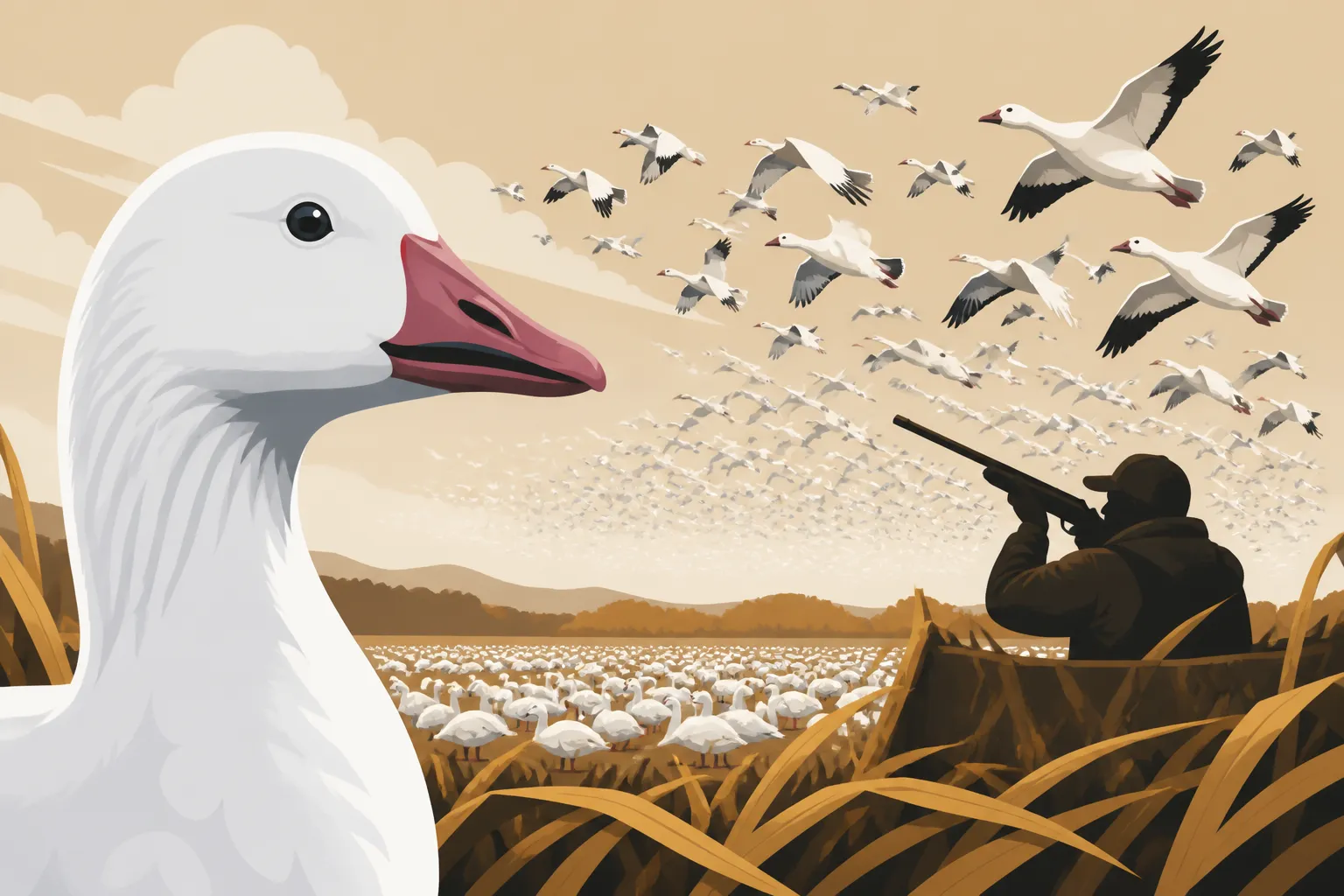
There’s truly nothing quite like experiencing the sheer volume of snow geese at Middle Creek. It's a phenomenon that draws birdwatchers and hunters alike, often reaching a crescendo that's almost hard to believe. The sky can literally darken with their numbers, and the ground, especially on the impoundments, becomes a living, shifting blanket of white. It's an important stopover on their migration, a place where they can rest, refuel, and prepare for the next leg of their journey.
Witnessing this spectacle often means contending with crowds, both of people and birds! The sheer noise of their collective honking can be deafening, a constant chorus that underscores the immense scale of the migration. For many, it's an annual pilgrimage, a sign that spring is truly on its way, or that the depths of winter are bringing unique wildlife opportunities.
Why Middle Creek Draws So Many Snow Geese
Middle Creek isn't just another stop; it's a strategically vital location for snow geese. Its shallow impoundments, specifically managed for migratory waterfowl, provide the perfect combination of refuge and food resources. The fields surrounding the water, often managed with specific crops, offer abundant waste grain that the geese relish. This carefully cultivated habitat makes it an irresistible draw for birds that have traveled vast distances and need reliable sustenance.
Beyond just food and water, Middle Creek offers a sense of security. The refuge areas restrict hunting pressure, allowing the geese to rest undisturbed. This balance of plentiful food, fresh water, and safe haven is crucial. Think of it as a prime resort for weary travelers – everything they need is right there, making it worth the detour from their direct migratory path. This management strategy is what makes the area a magnet for these birds, year after year, providing consistent habitat in a landscape that's otherwise seeing increasing development.
Understanding Peak Migration Timing
Pinpointing the exact "peak" of snow goose migration at Middle Creek can feel like chasing a moving target. It's not a single day but rather a window, heavily influenced by weather patterns to the north and south. Generally, the late winter and early spring months, from late February through March, see the highest concentrations of birds as they make their way north from their southern wintering grounds. However, significant cold snaps or warm fronts can push these dates earlier or later.
The best way to stay informed is to keep a close eye on weather forecasts and reports from wildlife agencies or local birding groups. A sustained period of warmer temperatures melting ice to the south, followed by favorable winds, often signals a major push. Conversely, a sudden cold snap with heavy snow to the north might hold birds longer in the area. Being flexible and ready to visit when conditions align is key to witnessing the true spectacle. Many hunters use tools like GoHunt to track long-range weather patterns and plan their outings.
Tracking Snow Goose Population Trends
The populations of snow geese that pass through Pennsylvania are truly staggering. We're talking about numbers that can easily be in the hundreds of thousands, sometimes pushing towards a million individual birds on the Atlantic Flyway. This isn't just a local phenomenon; it's a massive, continental migration, and Middle Creek is a critical nexus point for a significant portion of that population. Understanding these trends is crucial for both conservation and for managing hunting opportunities.
The management of these birds is a complex, multi-state and international effort, reflecting their vast migratory range. Their numbers are so large, in fact, that in many areas, specific conservation orders are put into place to help manage their populations, which have at times grown so large they've begun to damage arctic nesting grounds.
How Numbers Are Estimated and Monitored
Estimating such colossal numbers of birds is a huge undertaking, but it's vital work. Wildlife agencies rely on a combination of aerial surveys, ground counts, and banding programs. Aerial surveys involve flying transects over known wintering and migratory staging areas, like Middle Creek, to photograph and estimate flock sizes. These flights give a broad overview of population distribution and density.
Ground counts are more localized but offer finer detail, with biologists and volunteers counting birds from strategic vantage points. Banding programs, where individual birds are fitted with leg bands, provide crucial data on survival rates, migration routes, and harvest rates. All this data is compiled and analyzed to give wildlife managers a comprehensive picture of the snow goose population, which then informs hunting regulations and conservation strategies. This continuous monitoring helps ensure the health of the species and the integrity of the migration.
Factors Influencing Year-to-Year Fluctuations
The number of snow geese at Middle Creek can vary significantly from one year to the next, and it's rarely a simple explanation. Several interconnected factors play a role. Weather, as mentioned, is huge; prolonged severe cold or unusually mild winters can shift migration patterns. For instance, if winter temperatures remain mild far to the north, some birds might "short-stop" their migration, reducing numbers further south. Conversely, harsh conditions could push more birds into Pennsylvania.
Food availability, both at Middle Creek and along the entire flyway, also impacts the numbers. A bumper crop of waste grain in other states might hold birds longer elsewhere, or a lean year could push more toward reliable food sources like those managed at Middle Creek. Finally, overall population health and nesting success in the arctic play a long-term role. Years with high reproductive success will generally lead to larger flocks in subsequent migrations. It's a delicate balance, and Pennsylvania Waterfowl on the Atlantic Flyway details how many factors affect these migrations.
Here’s a simplified look at potential factors influencing snow goose numbers:
| Factor | Impact on Middle Creek Numbers | Description |
|---|---|---|
| Early Cold Fronts | Potentially higher | Pushes birds south earlier, concentrating them at available refuges. |
| Mild Winters North | Potentially lower | Birds may "short-stop" and not travel as far south into Pennsylvania. |
| Local Crop Abundance | Potentially higher | Ample waste grain in surrounding fields keeps birds in the area longer. |
| Pressure Elsewhere | Potentially higher | Increased hunting pressure in other states could push birds into refuge areas like Middle Creek. |
| Arctic Nesting Success | Long-term fluctuation | Good breeding years lead to more juvenile birds in the following migration. |
| Predation/Disease | Potentially lower | Localized outbreaks can impact numbers, though usually less dramatically than broader factors. |
What These Numbers Mean for Hunters and Viewers
Whether you're holding binoculars or a shotgun, the sheer number of snow geese passing through Middle Creek creates unique opportunities. For birdwatchers, it's a chance to witness one of nature's grandest migrations up close. For hunters, it's an opportunity to pursue a challenging and often abundant game bird. Both groups benefit from understanding the bird's movements and habits, respecting the regulations, and being mindful of the impact they have on the birds and other people in the area.
It's a delicate balance at Middle Creek, managing wildlife for both public viewing and regulated hunting. The designated refuge areas are critical for the birds' survival and provide prime viewing spots. Surrounding public lands and private properties, however, often offer hunting opportunities under specific regulations. It’s important to know the difference and respect the boundaries. Tools like GoHunt can be immensely helpful for delineating these zones and identifying suitable hunting grounds.
Hunting Opportunities in the Greater Middle Creek Area
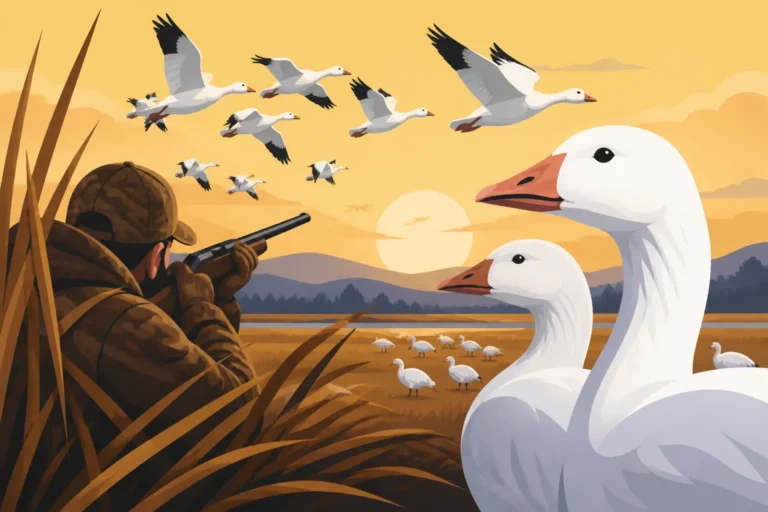
While Middle Creek Wildlife Management Area itself is a refuge with strict hunting regulations, the huge concentrations of snow geese there inevitably spill over into surrounding areas, creating hunting opportunities. This usually occurs in nearby agricultural fields, where the geese venture out to feed. Hunters often set up large decoy spreads, sometimes numbering in the hundreds, to mimic a feeding flock and attract passing birds. Goose Hunting Pennsylvania Fields is a great resource for understanding specific tactics.
Success in snow goose hunting often hinges on scouting. You need to know where the birds are feeding, what their flight lines are from the refuge, and then secure permission to hunt those fields. This is where diligent pre-season work and local knowledge come into play. Snow goose seasons typically fall under a special conservation order, allowing for more liberal bag limits and longer seasons to help manage their booming populations. It’s a fast-paced, high-volume hunt that requires a good spread, effective calling, and plenty of patience. For those looking to capitalize on these numbers, it's an exciting challenge.
Best Practices for Viewing Without Disturbing
For those who come to Middle Creek to simply observe, minimizing disturbance is paramount. The primary purpose of the refuge is to provide a safe haven for these birds, and human interference can stress them or push them out of crucial feeding and resting areas. Always stay on designated viewing platforms and trails. Never attempt to approach the geese in the impoundments or fields. Use binoculars or a spotting scope to get close-up views without physically getting close.
Quiet observation is key. Loud noises, sudden movements, or even walking off-trail can cause entire flocks to take flight, expending valuable energy. Park only in designated areas and be mindful of other visitors. Early mornings and late afternoons often offer the best viewing opportunities, as the light is softer and the birds are most active in their feeding flights. Remember, you're a guest in their temporary home. Respecting their space ensures that these incredible numbers continue to grace Pennsylvania's skies for years to come. For more information on accessing and enjoying public lands, check out Scouting Pennsylvania Public Land Before Season.
Disclaimer
This article is for general informational purposes only and does not constitute professional advice. Laws, prices and regulations vary by location and change over time. Consult a qualified professional for guidance on your specific situation.