Pennsylvania Rabbit Population Trend
It can be incredibly frustrating to head out for a rabbit hunt, full of anticipation, only to find the covers you once relied on are eerily quiet. Many Pennsylvania hunters have noticed a shift in rabbit numbers over the years, leaving them wondering what's truly happening with the cottontail population. This guide will dive deep into the current trends, the reasons behind them, and how you can still find success chasing these elusive small game animals in our changing Pennsylvania landscape.
Understanding Pennsylvania's Rabbit Population Dynamics
When we talk about rabbits in Pennsylvania, it's easy to lump them all into one category: "cottontail." However, the truth is a bit more nuanced, and understanding the subtle differences and where these animals prefer to live can shed a lot of light on why we see the trends we do. It’s not always a simple statewide boom or bust; local conditions play a huge role.
The Eastern Cottontail vs. Appalachian Cottontail
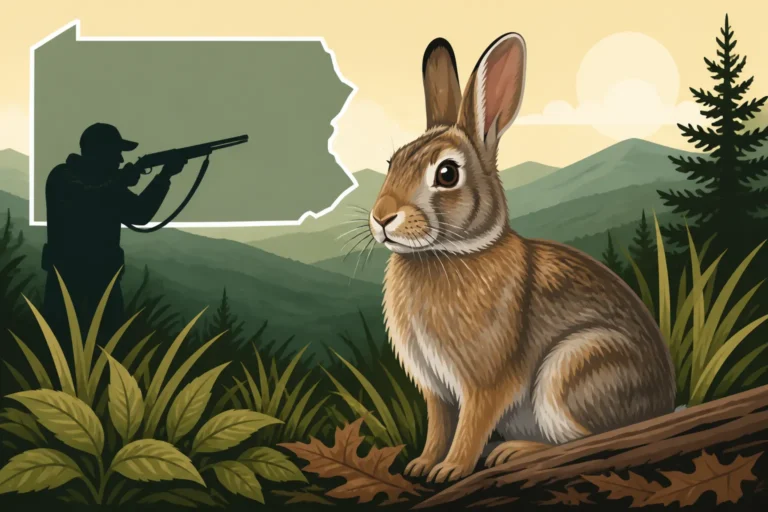
The vast majority of rabbits you'll encounter in Pennsylvania are Eastern Cottontails ( Sylvilagus floridanus). These are the familiar rabbits of suburban yards, farm fields, and brushy edges—the ones that seem to pop up everywhere. They are highly adaptable, breed prolifically, and thrive in disturbed habitats where there’s a mosaic of cover, food, and open space. Their diet is broad, ranging from grasses and clover to bark and twigs in winter, making them resilient to various food availability.
However, there's another species, the Appalachian Cottontail (Sylvilagus obscurus), which is much less common and far more specific in its habitat requirements. These rabbits are typically found in the higher elevations of the Appalachian Mountains, preferring dense, high-elevation spruce-fir forests and rhododendron thickets. They are smaller and darker than their Eastern cousins and are considered a species of conservation concern in parts of their range due to their specialized habitat needs. While you might not typically target them for hunting, their presence is an indicator of specific, undisturbed mountain environments. Most hunters, when they speak of "rabbit hunting," are referring to the pursuit of the ubiquitous Eastern Cottontail.
Regional Differences in Rabbit Abundance
Pennsylvania is a large and diverse state, and rabbit populations don't remain static across its varied landscapes. What holds true for the rolling farmlands of Lancaster County might be entirely different from the vast, rugged tracts of the Allegheny National Forest or the brushy edges of the Pocono Mountains. Understanding these regional distinctions is crucial for anyone trying to gauge local rabbit numbers or plan a hunt.
In the agricultural regions of southeastern and southcentral Pennsylvania, where farm fields meet woodlots and brushy creek bottoms, Eastern Cottontails can still thrive. The mixture of crops, hedgerows, and unkempt field edges provides ample food and cover. However, even here, changes in farming practices—like larger monoculture fields, widespread herbicide use, and removal of hedgerows—have impacted habitat quality. Still, these areas often offer some of the best opportunities, particularly where farmers have left fallow fields or dense fencerows. Hunting Pennsylvania Farm Country Edges can be highly productive if you know what to look for.
Conversely, in the heavily forested "big woods" regions of northern and central Pennsylvania, rabbit numbers are generally lower. Mature forests, while excellent for deer and bear, typically lack the dense, low-growing vegetation and shrubby cover that rabbits need to evade predators and raise young. Here, rabbits are often concentrated in small pockets of clearcuts, logging roads, and stream bottoms where sunlight can reach the forest floor and encourage brushy growth. Hunters focusing on these areas often key in on these specific, smaller habitat features.
Key Factors Influencing Rabbit Numbers
The ebb and flow of rabbit populations are complex, influenced by a multitude of environmental factors. It's rarely one single issue that causes a dip or rise, but rather a combination of pressures that can compound over time. As hunters, understanding these influences helps us recognize good rabbit habitat and temper our expectations based on broader ecological trends.
The Critical Role of Habitat Loss and Fragmentation
Perhaps the most significant overarching factor impacting rabbit populations in Pennsylvania, as with so many other wildlife species, is habitat. Eastern Cottontails need dense, brushy cover for protection from predators and the elements, along with nearby food sources. Think thickets of briars, multiflora rose, honeysuckle, sumac patches, old apple orchards, and the edges of overgrown fields. These "edge habitats" are their strongholds.
Unfortunately, many parts of Pennsylvania have seen a significant decline in this type of habitat. Suburban sprawl consumes old fields and woodlots, replacing diverse ecosystems with lawns and developments. Modern agriculture often favors large, clean fields, removing fencerows and brushy buffer strips that were once crucial rabbit habitat. Even in forested areas, the maturation of timber stands leads to a loss of the young, dense growth that rabbits need. Why Young Forest Matters to Grouse similarly highlights this issue for other small game, as the same cover benefits both. Without these vital pockets of escape cover and food, rabbit populations simply cannot sustain themselves.
Habitat fragmentation also plays a critical role. Even if there are still some good patches of cover, if they are isolated by vast expanses of unsuitable habitat—like large cornfields or mature timber—rabbits struggle to move between them, leading to smaller, less resilient local populations. This isolation makes them more vulnerable to localized disease outbreaks or increased predation, as they have fewer safe havens to retreat to or other populations to draw from.
Disease and Predation Pressures
Rabbits, like all wild animals, are susceptible to various diseases, and some of these can have localized impacts on their populations. Tularemia, often called "rabbit fever," is a bacterial disease that can be transmitted to humans and can cause significant mortality in rabbit populations. While not usually a widespread annual issue, localized outbreaks can drastically reduce numbers in specific areas. Rabbit fibroma virus, which causes tumors on the skin, can also impact rabbits, though it's typically less lethal than tularemia. Wet, cool spring weather, which we sometimes see in Pennsylvania, can sometimes exacerbate disease spread by stressing young rabbits.
Predation is a constant pressure on rabbit populations. They are a primary food source for a wide array of predators, including red foxes, coyotes, bobcats, owls, and hawks. While a healthy, robust rabbit population can typically withstand normal predation levels, stressed populations in fragmented habitats are far more vulnerable. When escape cover is scarce, predators have an easier time locating and capturing rabbits. Pennsylvania Coyote Range and Numbers shows just how widespread and abundant one major predator has become, adding another layer of pressure. Even domestic cats and dogs can take a toll on rabbits, particularly in areas bordering human habitation.
Weather's Impact on Reproduction and Survival
Weather conditions can significantly influence rabbit populations, particularly during critical breeding and development periods. Eastern Cottontails are prolific breeders, producing multiple litters from early spring through late summer. However, harsh conditions during these times can be devastating to young rabbits.
Prolonged periods of cold, wet weather in spring can lead to hypothermia in vulnerable young rabbits and can also increase the susceptibility of both young and adults to disease. Similarly, extremely harsh winters with deep, persistent snow cover can make it difficult for rabbits to find food and can lead to starvation or increased exposure to predators as their limited food sources become harder to access. Conversely, mild winters can allow for earlier breeding and higher survival rates, leading to local population boosts. Understanding these natural fluctuations due to weather helps explain why numbers might seem higher some years than others, even in the same patch of cover.
What Hunters and Wildlife Managers Are Seeing
For those of us who spend time in the woods and fields, our observations are often the first indicator of shifting wildlife trends. Combined with the diligent work of wildlife agencies, we get a clearer picture of Pennsylvania's rabbit situation. It's a blend of anecdotal evidence and scientific data that paints the full picture.
Hunter Observations and Success Rates
Many seasoned Pennsylvania small game hunters will tell you that rabbit hunting isn't what it used to be. Tales of flushing a dozen rabbits from a single briar patch are becoming rarer. Instead, hunters often report working harder for fewer rabbits, or finding success only in very specific, undisturbed pockets of habitat. This isn't just a nostalgic lament; it reflects a genuine trend in many areas.
When hunters discuss their experiences, they frequently mention the impact of development and changing land use. They notice that once-productive fencerows are gone, old farms are now housing developments, and what used to be a patchwork of fields and woods is now either sprawling suburbs or mature, closed-canopy forest. Rabbit Hunting Thick Brush and Briars is where most of the remaining success is found, highlighting the importance of seeking out specific habitat types rather than expecting rabbits everywhere. These observations, shared among hunting camps and local sportsmen's clubs, provide a valuable ground-level perspective on the state of the rabbit population.
| Factor | Observed Impact on Rabbit Populations | Hunter's Perspective |
|---|---|---|
| Habitat Loss | Direct reduction of suitable cover (briars, fencerows, brushy edges). | "Fewer rabbits in my old spots, places are built up or 'cleaned up'." |
| Habitat Fragmentation | Isolated populations, difficult for rabbits to disperse and find mates. | "Rabbits are only in a few dense patches now, not spread out." |
| Increased Predation | Higher mortality rates, especially for young rabbits, due to less cover. | "Seeing more coyotes and foxes, fewer rabbits make it through the winter." |
| Disease Outbreaks | Localized but significant die-offs in stressed populations. | "Had a spot go completely quiet after a wet spring." |
| Harsh Weather (Spring/Winter) | Lower reproduction and survival of young; limited food access in winter. | "Bad spring, didn't see many young rabbits." or "Tough winter, covers are thin." |
| Changing Agriculture | Fewer hedgerows, larger monocultures reduce edge habitat. | "Farmer cleaned out all the brush, nothing left for them." |
| Forest Maturation | Reduced young growth and brushy understory in once-cut areas. | "Woods are too thick, no low cover anymore." |
Pennsylvania Game Commission's Management Efforts
The Pennsylvania Game Commission (PGC) is well aware of the challenges facing small game species, including rabbits. They monitor populations through various surveys and hunter harvest reports, which help them track trends and make informed management decisions. Their data often confirms what hunters are seeing on the ground: while Eastern Cottontails are still widely distributed, their numbers can fluctuate significantly and are largely tied to available habitat.
A significant focus of the PGC's small game management efforts revolves around habitat. They actively work to create and maintain early successional habitat on State Game Lands and through cooperative programs with private landowners. This involves timber harvests to promote new growth, brush cutting, and establishing field borders and food plots designed to provide dense cover and forage. These efforts benefit not only rabbits but also other species like ruffed grouse, pheasants, and various songbirds that rely on similar brushy environments. Learning to identify and target these managed areas can greatly improve your chances for Small Game Hunting in Pennsylvania.
Furthermore, the PGC also sets seasons and bag limits for small game, detailed in publications that outline Pennsylvania Small Game and Furbearer Seasons and Pennsylvania Small Game Seasons and Bag Limits. These regulations are designed to allow for sustainable hunting while ensuring that populations can reproduce and thrive. While hunters have a role to play in conservation, ultimately, the availability of quality habitat remains the primary driver of rabbit abundance. Resources like the PGC's website or online tools like GoHunt can be helpful for checking regulations, although GoHunt is primarily tailored for Western big game species, the general concept of using mapping resources for understanding public land access and boundaries is universally useful.
Strategies for Locating Rabbits in Changing Landscapes
Despite the challenges, rabbit hunting remains a cherished tradition for many in Pennsylvania. Success often comes down to adapting to the current conditions and being more strategic in your scouting and hunting efforts. It's about finding those overlooked pockets where rabbits can still thrive.
Identifying Prime Rabbit Habitat
The key to finding rabbits today is to meticulously identify prime habitat. Forget sprawling fields that are clean as a whistle; you need to focus on areas that look "messy" to the average person. Think thick, tangled cover that is difficult to walk through. This includes dense briar patches, old multiflora rose thickets, honeysuckle stands, and sumac groves. These are the defensive strongholds where rabbits feel safe from aerial and ground predators. Look for these alongside food sources—grassy fields, clover plots, or areas where fallen apples or berries might be found.
Don't overlook transitional zones. The edges where a woodlot meets a field, or where a clearcut is regrowing, are often excellent. Look for brushy fencerows, abandoned farm equipment overgrown with vines, or natural debris piles that offer immediate refuge. Creeks and stream bottoms, especially if they have brushy banks, can also be rabbit magnets, as they provide water, food, and cover in a linear fashion. Using mapping tools, such as the Pennsylvania Mapping Center, can help you pinpoint these features on public land, and even identify private parcels where you might seek permission. Scouting Pennsylvania Public Land Before Season is crucial for small game hunters to pinpoint these specific habitat types.
Adapting Hunting Tactics to Current Conditions
With fewer rabbits spread across the landscape, your hunting tactics need to be more focused and efficient. Instead of simply walking through large areas, concentrate your efforts on systematically working those prime pockets of cover. If you have a good beagle or two, Running Beagles on Pennsylvania Cottontails is incredibly effective, as their keen noses can root out rabbits hidden in the thickest cover and push them into shooting lanes. Without a dog, still-hunting through cover or slowly walking and pausing to scan for movement can be productive, but you'll need to be stealthy and patient.
When approaching a promising thicket, consider how you can work it to your advantage. If hunting with a partner, one hunter can serve as a "blocker" or "poster" on one side of the cover, while another pushes through from the opposite end. Rabbits will often try to circle back or bolt out the far side, presenting a shot to the posted hunter. Wearing appropriate gear, like Brush Pants for Pennsylvania Briars, is essential, as you'll be pushing through some truly nasty stuff. Remember that rabbits often use the same escape routes, so paying attention to tracks or trails can give you an edge. In heavily hunted areas, consider Finding Ground Others Walk Past – those small, overlooked patches of cover that others deem too difficult to access can often hold a surprise or two. Persistence, observation, and a willingness to tackle tough cover are your best assets in today's Pennsylvania rabbit hunting scene.
Disclaimer
This article is for general informational purposes only and does not constitute professional advice. Laws, prices and regulations vary by location and change over time. Consult a qualified professional for guidance on your specific situation.