Pennsylvania Beaver Numbers and Trapping
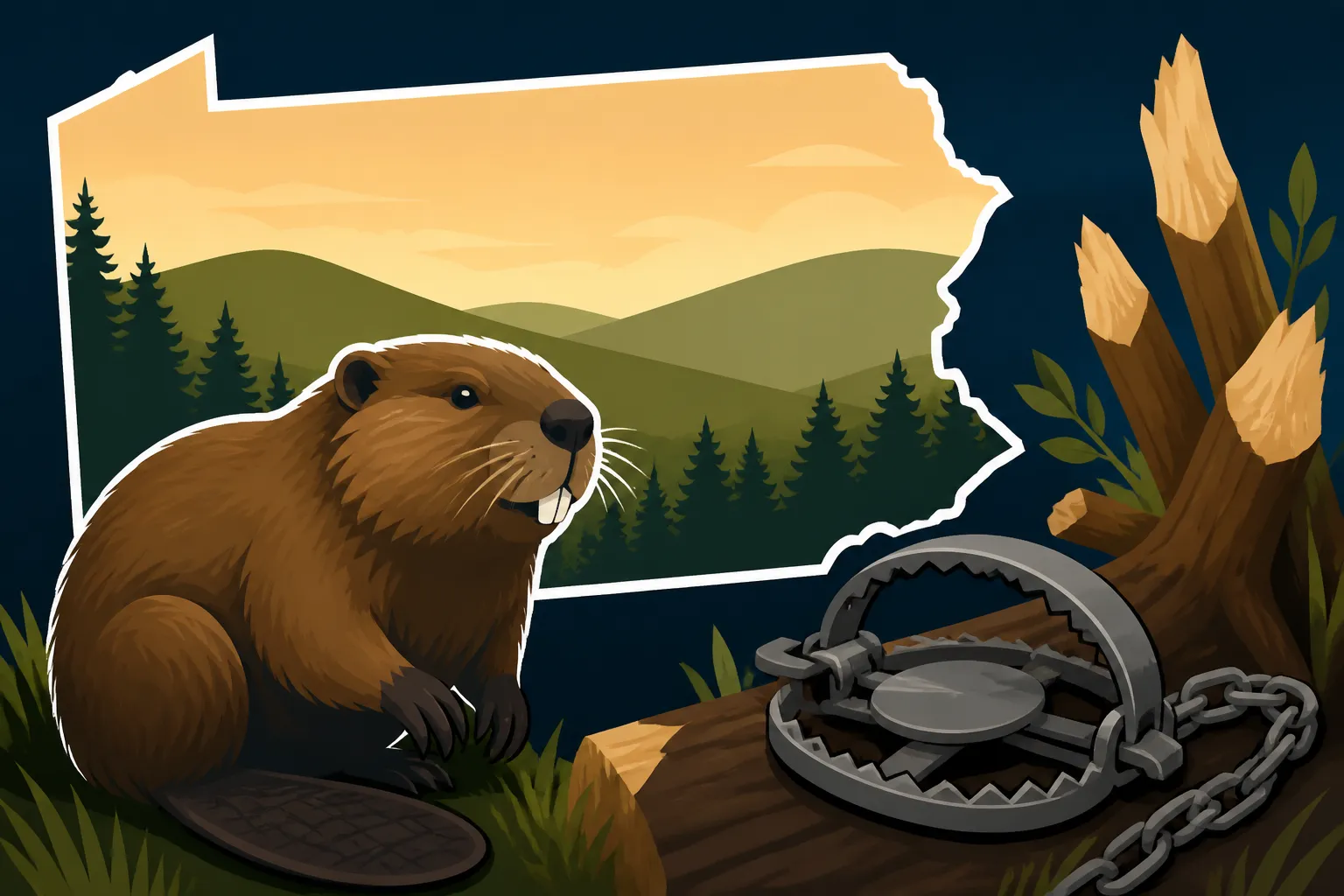
For many landowners and outdoor enthusiasts in Pennsylvania, beavers are a double-edged sword. While their engineering feats create valuable wetlands, their damming can flood timber, destroy crops, and block culverts, causing immense frustration and property damage. This guide will delve into the beaver population in the Keystone State, understand the regulations surrounding their management, and explore effective trapping techniques to help address conflicts and appreciate this industrious furbearer.
Understanding Pennsylvania's Beaver Population
Pennsylvania is home to a robust beaver population, a testament to successful conservation efforts after they were nearly extirpated from the state centuries ago. These semi-aquatic rodents are North America's largest, and their presence leaves an undeniable mark on the landscape.
Beaver Distribution and Habitat
You'll find beavers across pretty much every county in Pennsylvania where there's suitable water, but they particularly thrive in areas with slow-moving streams, small rivers, ponds, and wetlands. They need access to abundant woody vegetation, like aspen, willow, birch, and alder, which they use for food and construction materials. If you've got a creek running through your property with a nice stand of saplings nearby, chances are good you've got a beaver or two taking up residence. They're incredibly adaptable, though, and can even be found in suburban green spaces if there's enough water and food to sustain them.
The widespread distribution means that whether you're in the deep woods of the Hunting Pennsylvania's Big Woods for Deer or the more agricultural regions of Farm Country Deer Hunting in Southern Pennsylvania, beaver activity is a common sight. Their habitat creation, in turn, can sometimes benefit other species, but also create challenges for human infrastructure.
Population Trends and Management Challenges
Generally speaking, Pennsylvania's beaver population is considered stable and healthy. The Pennsylvania Game Commission (PGC) manages beavers as a furbearer species, recognizing both their ecological value and the potential for conflict. While exact population counts are tricky for such elusive animals, harvest data and nuisance complaints give the PGC a good idea of where populations are thriving or where they might be causing issues. The biggest challenge often lies in managing localized populations that grow too large for a specific area, leading to significant property damage.
For landowners, a beaver dam backing up water onto valuable timber or agricultural fields can be a real headache. These aquatic architects work tirelessly, and what might start as a small dam can quickly grow into a significant obstruction, raising water levels, altering stream flows, and drowning trees. Dealing with such issues often falls to individual landowners, and trapping remains a primary, effective method for population control and damage mitigation.
Beaver Trapping Regulations in Pennsylvania
Trapping is a regulated activity in Pennsylvania, and for good reason. It ensures the sustainable management of furbearer populations and promotes ethical practices. If you're considering trapping beavers, understanding the rules is your first step.
Licensing and Permits
To legally trap beavers in Pennsylvania, you must possess a valid Pennsylvania Furtaker License. This isn't just for beavers; it covers all regulated furbearers like coyotes, foxes, raccoons, and bobcats. If you're a resident, you'll need to purchase the appropriate resident furtaker license, and non-residents will need a non-resident version. There are also specific permits for bobcats and fishers, but for beavers, the general Furtaker License is what you need. Remember, even if you're trapping on your own land, this license is required. It's crucial to check the current PGC digest or website for the most up-to-date information on Pennsylvania Furtaker Licence Requirements and costs before you even think about setting a trap.
You also need to make sure you've completed any mandatory trapper education courses, similar to how hunters need Pennsylvania Hunter Education Requirements. The PGC offers these courses, which cover humane trapping techniques, regulations, and furbearer biology.
Season Dates and Bag Limits
Beaver trapping season dates in Pennsylvania are established annually by the Pennsylvania Game Commission. These seasons are designed to coincide with periods when beaver pelts are prime (usually colder months) and to manage populations effectively. Season dates can vary slightly year to year, and sometimes even by Wildlife Management Unit (WMU) or specific regions, so always consult the most current PGC digest. Typically, beaver season opens in late December or early January and runs through late March. There are generally no statewide daily or season bag limits on beavers, allowing trappers to remove multiple animals from problem areas.
It's important to know the specific dates and ensure your traps are not set outside of the legal season. Setting traps prematurely or leaving them out too long can result in fines and loss of trapping privileges. Keep an eye on the official PGC resources, which will outline Pennsylvania Trapping Season Opening Dates for all furbearers, including beavers.
Legal Traps and Methods
Pennsylvania has strict regulations on the types of traps you can use and how you must use them. For beavers, common legal traps include body-gripping traps (like Conibear-style traps), foothold traps, and snares. However, there are critical restrictions:
- Body-Gripping Traps: These are very effective for beavers. The PGC specifies size limits and often requires them to be completely submerged in water or set in certain exclusion devices if on land, to prevent catching non-target animals. For example, large body-gripping traps are generally restricted from dry land sets unless inside a water-exclusive dive box.
- Foothold Traps: These must be set in water for beavers, often with drowning mechanisms to ensure a quick and humane dispatch. There are also maximum jaw spread requirements.
- Snares: Cable restraints (snares) are also legal but come with strict regulations regarding loop size, cable diameter, lock types, and break-away devices. They must be set to ensure a quick capture and dispatch, and often must be fully submerged.
All traps must be tagged with the trapper's PGC-issued identification number or name and address. Traps also need to be checked regularly, typically at least once every 36 hours. Understanding these nuances is critical not only for legality but for ethical and humane trapping. Never assume; always check the current PGC regulations thoroughly before deploying any trap.
Effective Beaver Trapping Techniques and Strategies
Successful beaver trapping isn't just about throwing a trap in the water; it's a blend of careful scouting, strategic placement, and knowing your quarry. It can be incredibly rewarding, both in terms of managing local populations and, for some, the value of the pelt.
Scouting for Beaver Sign
Before you even think about setting a trap, you need to know where the beavers are actively working. This isn't like Scouting Pennsylvania Public Land Before Season for deer, where you're looking for rubs and scrapes. With beavers, you're looking for tell-tale signs of their aquatic construction projects and feeding habits.
Look for:
- Dams: The most obvious sign. Beavers build dams to create deeper, safer water for their lodges and food caches.
- Lodges: Mounds of sticks and mud built in the middle of their pond or along a bank, often with underwater entrances.
- Cuttings: Freshly cut trees and branches, typically with a distinct pencil-point shape left by their incisors. They prefer smaller, softer wood like aspen and willow, but will tackle larger trees if needed. These cuttings will often be found along the bank leading into the water.
- Runs and Slides: Distinct trails worn into the bank where beavers enter and exit the water. These can be muddy and slick.
- Scent Mounds: Small piles of mud and debris often marked with castoreum (a musky secretion) used to mark territory. These are prime locations for sets.
Spend time observing the area. Where are they feeding? Where are they building? Which dams are actively maintained? A good scouting trip with a pair of binoculars and a keen eye will tell you everything you need to know. You might even use mapping tools, much like you would for big game, to identify potential waterways and access points, and while GoHunt is primarily a big-game mapping and planning tool, its satellite imagery and public land layers can certainly assist in general reconnaissance for any outdoor activity, including locating suitable trapping habitat near Reading Aerial Photos for Big Woods Deer.
Trap Placement and Set Types
Once you've identified an active beaver area, strategic trap placement is key. The goal is to intercept the beaver naturally in its travel patterns. Here are some common and effective sets:
- Castor Mound Sets: Beavers are territorial and attracted to the scent of other beavers. You can create a false scent mound using mud and beaver castor (lure) on a bank near deep water. Place a submerged body-gripping trap or a foothold trap with a drowning wire just in front of or slightly under the castor mound. This is a very effective way to lure beavers to your trap.
- Run Sets: Beavers create well-worn underwater runs between their lodge, dam, and feeding areas. Find these constricted travel lanes and place a submerged body-gripping trap directly in the run. Ensure the trap is secured and anchored so a beaver cannot pull it away.
- Dam Break Sets: When beavers repair a breach in their dam, they often approach from the upstream side. By creating a small breach in an active dam, you can often entice beavers to come investigate and repair it. Place a submerged body-gripping trap or a secured foothold trap in the breach. This set requires frequent checking, as the dam will quickly be repaired.
- Feed Bed Sets: Beavers will often have a main feeding area where they haul cuttings. Setting a trap in the underwater approaches to these feed beds can also be productive.
Regardless of the set, ensure your traps are stable, anchored securely to prevent escape, and set in a manner that ensures a quick and humane dispatch. For water sets, a drowning wire system with heavy weights is almost universally recommended for foothold traps.
Here's a quick comparison of common beaver trap types:
| Trap Type | Description | Typical Placement | Advantages | Disadvantages |
|---|---|---|---|---|
| Body-Gripping (Conibear) | Spring-powered trap designed to quickly kill by clamping the body/neck. | Submerged runs, dam breaches, lodge entrances | Fast, humane kill; effective in water | Can be dangerous to set; strict land use regulations |
| Foothold Trap | Designed to hold an animal by the foot; must be drowned for beavers. | Submerged runs, castor mounds, feed beds | Versatile; generally easier to conceal | Requires drowning rig for humane dispatch |
| Cable Restraint (Snare) | Cable loop designed to quickly constrict around the neck or body. | Submerged runs, lodge entrances | Lightweight; can be effective in tight spots | Requires very careful setup to be humane; strict regulations |
Handling and Processing Beavers
Once you've successfully caught a beaver, the work isn't over. Safely handling the animal and properly preparing the pelt are crucial steps. Beavers are large, heavy animals, so be prepared for their weight. Always dispatch the animal humanely and safely if it's not already expired.
Field dressing isn't typically done on beavers. Instead, the entire carcass is often transported to a skinning shed. Skinning a beaver requires a good, sharp knife and some practice. The pelt is usually removed "cased" (like pulling off a sweater) or "open" (like a rug), depending on market preference. After skinning, the pelt needs to be fleshed (removing all fat and meat) and then stretched and dried. Beaver pelts, when properly prepared, can be quite valuable, depending on the current fur market. Learning proper skinning and fleshing techniques, perhaps from an experienced trapper, is essential for maximizing the value of your catch. Many trappers also utilize the castor glands, which are prized for their use in lures and perfumes.
Economic and Ecological Impact of Beavers
Beavers, with their innate engineering abilities, have a profound impact on their environment, creating complex ecosystems that benefit numerous species, but also sometimes clashing with human interests.
Benefits of Beaver Activity
While they can be a nuisance, beavers are often considered a "keystone species" because of their disproportionate positive impact on biodiversity. Their dam-building creates wetlands that are incredibly valuable habitats. These beaver ponds:
- Create diverse ecosystems: They provide critical habitat for waterfowl (ducks, geese, wading birds), amphibians (frogs, salamanders), fish, and many invertebrate species.
- Filter water: The ponds slow water flow, allowing sediment to settle and pollutants to be naturally filtered out, improving water quality downstream.
- Mitigate floods and droughts: Beaver dams store water, releasing it slowly, which can help reduce the impact of flash floods and maintain stream flow during dry periods.
- Increase groundwater recharge: Water held back by dams has more time to percolate into the ground, recharging aquifers.
- Provide food and shelter for other wildlife: The dead trees in beaver ponds create snags and downed wood, which are important for cavity-nesting birds and provide cover for various mammals.
For hunters, these wetlands can create fantastic opportunities for Duck Hunting Pennsylvania Rivers or even attract deer and bear to new food sources or travel corridors. The diverse habitat they foster is a critical component of Pennsylvania's natural landscape.
Addressing Conflicts and Damage
Despite their ecological benefits, beaver activity can cause significant economic damage and safety hazards. As mentioned earlier, flooded timber, damaged agricultural crops, and blocked culverts are common complaints. When the problem escalates beyond what trapping can immediately solve, landowners might need to consider other mitigation strategies.
- Pond Levelers/Flow Devices: These are systems of pipes installed through a beaver dam that allow water to drain to a desired level without the beavers being able to easily plug them. This can reduce flooding while still maintaining a beaver pond. These require careful installation and maintenance.
- Tree Protection: Wrapping the base of valuable trees with wire mesh (hardware cloth) can prevent beavers from felling them.
- Culvert Protection: Installing fences or grates around culvert entrances can deter beavers from plugging them.
Ultimately, the best approach depends on the specific situation, the severity of the damage, and the landowner's goals. Trapping remains a highly effective method for directly reducing beaver numbers in problem areas, and it provides a valuable service by controlling localized populations that might otherwise spiral out of control. Tools like GoHunt can help identify potential conflict zones by revealing waterways and tree cover near property lines, even if its primary use is not for furbearer management, it can assist in scouting potential problem areas for wildlife. Sometimes, a combination of trapping and non-lethal deterrents is the most sustainable long-term solution.
Disclaimer
This article is for general informational purposes only and does not constitute professional advice. Laws, prices and regulations vary by location and change over time. Consult a qualified professional for guidance on your specific situation.