Pennsylvania Dove Harvest Numbers
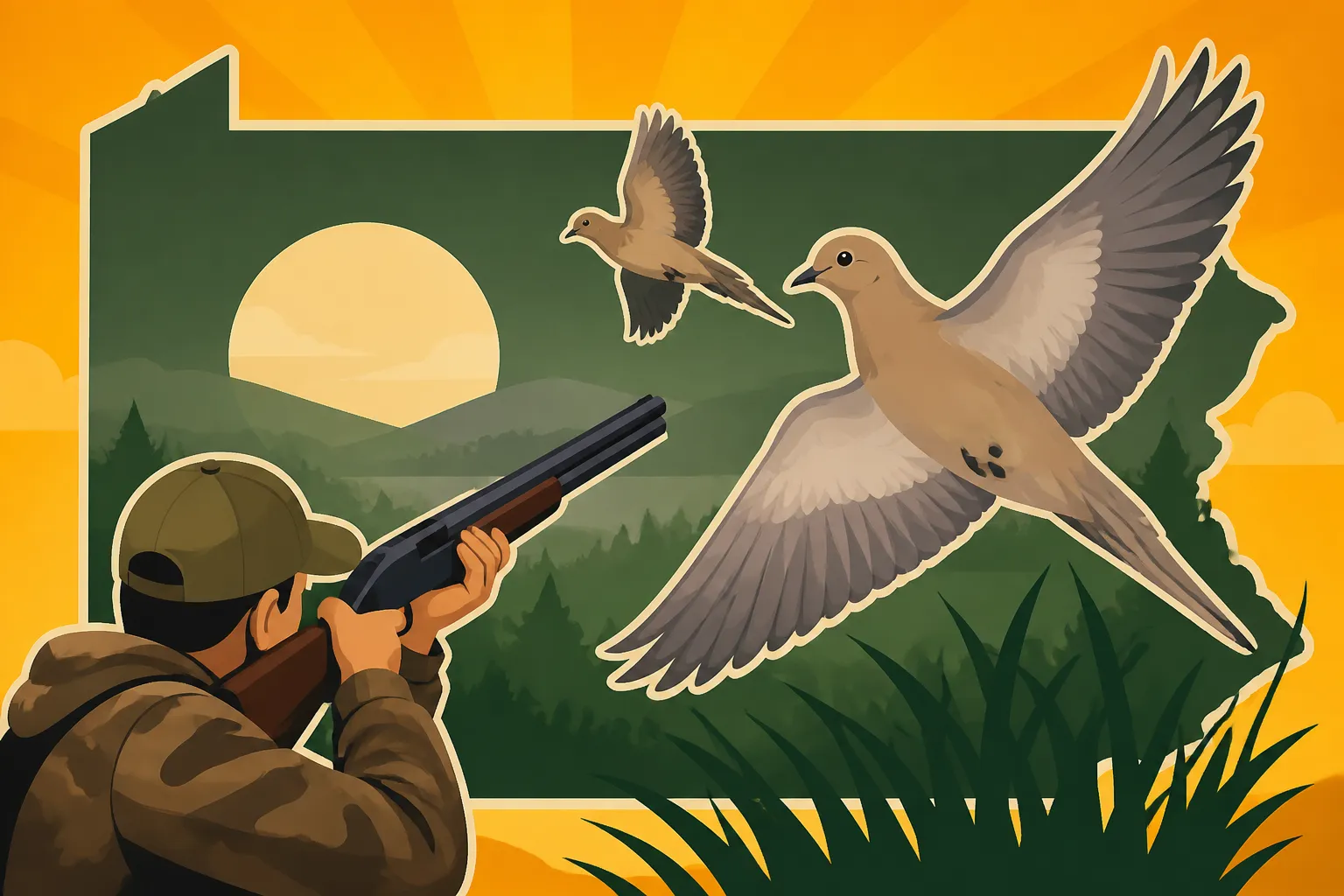
The annual ritual of dove hunting in Pennsylvania can be one of the most exciting, fast-paced wingshooting experiences available, but it often leaves hunters wondering just how good their day was compared to others. You stand in a cut field, doves zipping by, and you might think you’re having a banner day, only to hear stories from friends that make you question your own success. This guide aims to pull back the curtain on Pennsylvania's dove harvest numbers, explaining what they mean, how they're collected, and what factors truly influence those figures, helping you better understand the dynamics of this beloved migratory bird season.
Understanding Pennsylvania's Dove Hunting Seasons
For many hunters, the opening day of dove season signals the unofficial start of fall hunting. It's often hot, the fields are dusty, and the birds can be frustratingly fast. But behind the scenes, there's a well-structured season designed to manage the migratory dove population, which directly impacts the harvest numbers we see each year. Knowing the rhythms of the season is key to understanding why those numbers fluctuate.
The Brief but Exciting Season Structure
Pennsylvania's dove season typically runs in multiple segments, allowing hunters to target birds throughout their migration patterns. The first segment usually opens on September 1st, offering a fantastic opportunity to chase resident birds and early migrants. This initial push is often the most anticipated, bringing hunters to cut agricultural fields across the state. Later segments might see fewer birds, or different birds entirely, as the migration pushes them further south. Each of these segments, with their varying lengths and timing, plays a role in the overall harvest. If an early cold snap hits, for instance, it can dramatically shorten the window for prime hunting in that first segment.
The seasons are set federally, with states like Pennsylvania operating within those guidelines to manage migratory game birds. This means the rules, like daily bag limits and shooting hours, are quite consistent year after year, offering a predictable framework for hunters. Understanding these season dates, which you can always find reliable information on from the Pennsylvania Game Commission (PGC), is the first step in appreciating the complexities of annual harvest reports.
Key Factors Influencing Dove Presence
Doves are creatures of habit, driven by food, water, and suitable roosting areas. If you understand these elements, you can better grasp why a particular field might be hot one year and cold the next, and how that ripples into statewide harvest numbers. A field of cut corn or standing sunflowers can be an absolute magnet for doves, drawing them in for feeding. These agricultural fields, especially those in the southern and western parts of the state, become vital hunting grounds.
Water sources are equally crucial. Doves need to drink daily, often flying to ponds, streams, or even puddles. A field close to a reliable water source will often hold birds longer and in greater numbers. Finally, don't overlook roosting cover. Doves will spend their nights in dense stands of evergreens or thick hedgerows. Knowing where these three elements converge is like finding gold for a dove hunter. Changes in farming practices, local rainfall, or even the loss of a key roosting woodlot can significantly impact how many doves are in a given area, and thus, how many are harvested. Hunters using mapping tools like GoHunt can often identify these key habitat features, like water sources or different types of agricultural fields, even before scouting boots on the ground.
Decoding Pennsylvania's Dove Harvest Data
When you hear about "harvest numbers," it can feel like this big, abstract figure. But for migratory birds like doves, these numbers are a critical part of how wildlife agencies understand populations and set future seasons. For Pennsylvania hunters, deciphering these reports helps put their personal experiences into a larger context.
How Harvest Data is Collected and Reported
Pennsylvania, like all states, participates in the Migratory Bird Harvest Information Program (HIP). This is a federal requirement for anyone hunting doves, ducks, geese, woodcock, or other migratory game birds. When you purchase your Pennsylvania Migratory Game Bird Licence, you are also required to Pennsylvania HIP Registration for Migratory Birds. This registration collects basic information about the hunter and what types of migratory birds they intend to hunt. This data then forms the basis for follow-up surveys.
After the season, a sample of hunters who registered for HIP receive questionnaires asking about their hunting effort and success—how many days they hunted, how many birds they harvested, and in what states. These survey responses, compiled and analyzed, are what generate the official harvest estimates. It’s not an exact count of every single dove, but a statistically sound estimate that helps wildlife biologists track trends in hunter activity and bird populations. So, when you fill out that survey, know you’re contributing directly to the data that shapes future hunting opportunities. If you’re curious about overall trends, reviewing a Reading a Pennsylvania Harvest Report can show you how these numbers are presented.
What the Numbers Tell Us About Hunter Success
Pennsylvania's dove harvest numbers tend to show a consistent, healthy population, although individual hunter success can vary wildly. On average, hunters might harvest a certain number of doves per day, but that's just an average. One hunter might limit out in an hour, while another might spend an entire afternoon in a field and only connect with a couple of birds. The statewide numbers reveal macro trends: are more or fewer hunters participating? Are the overall harvest totals increasing or decreasing?
For instance, if the total harvest is down significantly in a particular year, it could indicate a poor breeding season, a shift in migration patterns, or a reduction in hunting pressure. Conversely, a bumper crop of birds combined with favorable conditions can lead to a record harvest. These numbers are a vital pulse check on the health of the dove population and the popularity of the sport. While these aggregate statistics don't tell you where the best hunting spots are, they do confirm that Pennsylvania consistently offers strong dove hunting opportunities, making it a reliable destination for wingshooters.
Here's a simplified look at how some harvest data might be structured, illustrating the dynamic nature of dove hunting in the state:
| Year | Estimated Hunters | Estimated Harvest | Average Birds Per Hunter | Notes on Season |
|---|---|---|---|---|
| 20XX-1 | 28,000 | 185,000 | 6.6 | Mild fall, good resident birds |
| 20XX-2 | 26,500 | 170,000 | 6.4 | Early cold front, some birds pushed south |
| 20XX-3 | 29,500 | 200,000 | 6.8 | Excellent breeding year, abundant food sources |
| 20XX-4 | 27,000 | 160,000 | 5.9 | Wet spring, delayed crop harvests |
Note: These figures are illustrative and do not reflect real-time or specific historical data.
Factors Affecting Annual Dove Harvests
The total number of doves harvested each year in Pennsylvania isn't just a random fluctuation; it's a complex interplay of natural factors and human activity. Understanding these influences can help hunters predict a good season or understand why a particular year might be a little tougher.
Weather Patterns and Migration
Weather is arguably the most significant external factor impacting dove harvests. Doves are migratory birds, and their movements are heavily influenced by temperature and frontal systems. An early cold snap, especially in late August or early September, can trigger a mass exodus of doves from Pennsylvania before the season truly gets going. Hunters often express frustration when they've scouted prime fields only to find them empty after an unexpected cold front. This isn't necessarily a sign of a poor population, but rather that the birds have moved on.
Conversely, a warm, mild fall can keep doves in Pennsylvania longer, spreading out the hunting pressure and potentially leading to a higher overall harvest. Drought conditions can concentrate birds around fewer water sources, making them easier to pattern, while prolonged heavy rains might scatter them or make fields inaccessible. The unpredictable nature of When Pennsylvania's Archery Season Opens and other early seasons means hunters are often at the mercy of the weather, and dove hunters are no different. Companies like GoHunt provide tools that can help hunters monitor weather trends, which, while not specifically for doves, can inform general migratory patterns.
Habitat Changes and Food Availability
Doves are closely tied to agricultural landscapes. They thrive on the seeds found in harvested grain fields like corn, wheat, and especially sunflowers, as well as various weed seeds. Changes in farming practices, therefore, have a direct impact on dove populations and harvest success. If fewer acres are planted in crops attractive to doves, or if fields are tilled immediately after harvest, removing crucial food sources, the birds will disperse or move to more favorable areas.
Consider a large area of prime farmland in southern Pennsylvania. One year, many farmers might plant corn and leave stubble standing, providing a banquet for doves. The next year, more might switch to soybeans, which aren't as attractive, or perform fall tilling, which removes all the seeds. This shift can dramatically alter where doves concentrate, affecting hunter success across entire regions. The PGC also manages certain public lands, like State Game Lands, with specific food plots or habitat improvements to benefit doves and other small game, offering some consistent spots. Hunting Pennsylvania Farm Country Edges often puts you in the prime areas for doves where these food sources are abundant.
Hunter Participation and Effort
The "hunter effort" component is a subtle but crucial factor in harvest numbers. If more people decide to hunt doves, or if existing hunters spend more days afield, the overall harvest numbers will naturally increase, even if the individual success rate per hunter remains constant. Conversely, if fewer hunters participate, or if early-season weather discourages participation, the total harvest might dip.
Economic factors, fuel prices, or even competing hunting seasons (like Pennsylvania pheasant season or early archery for deer) can influence how many hunters are out chasing doves. The social aspect of opening day dove hunting is also a big draw, leading to higher participation in early September. Later in the season, when the crowds thin out, the hunting experience changes, and overall effort might decrease. Understanding that harvest numbers reflect both the birds' presence and the hunters' pursuit helps complete the picture.
Strategies for Improving Your Own Dove Harvest
While statewide harvest numbers give us a broad view, most hunters are focused on their own success. Thankfully, there are proven strategies you can employ to increase your chances of bringing home more doves, regardless of the overall trends.
Scouting is King
You've heard it a thousand times, and it's true for dove hunting perhaps more than any other species: scouting is paramount. You can't just show up on opening day to a random field and expect to be in the birds. Doves are highly patterned. They will fly from their roost to a feeding area, then to water, then to grit, and maybe back to another feeding area before returning to roost. Your job is to find one of those travel corridors or feeding areas.
Start by looking for large, open fields with bare ground or short stubble. Cut corn, wheat, or sunflower fields are obvious magnets. Don't forget about fields of natural weeds like foxtail or ragweed; doves love these. Dove Hunting a Cut Field is often the most productive strategy. Drive around the evenings leading up to the season, looking for birds flying into or out of fields. Pay attention to power lines and dead trees near these fields, as doves love to perch. Identifying these patterns beforehand is the most effective way to ensure you're in the right place at the right time. Leveraging mapping systems, like the aerial and land-use layers found in platforms like GoHunt, can help you visualize these areas before you even leave your truck. Just like Finding Sign in Mature Timber for deer, you're looking for signs of active use, but for doves, it's about flight paths and feeding.
Decoys and Concealment
Once you've found a productive spot, setting up effectively is the next step. Doves have excellent eyesight, so good concealment is crucial. Wear camouflage that blends in with the surrounding vegetation—whether it's green, brown, or straw-colored. A simple pop-up blind or even just sitting against a fencerow that breaks up your outline can make a huge difference.
Decoys can also be incredibly effective. A few dove decoys placed on a bare patch of ground or clipped to fence wires can draw in passing birds. Motion decoys, like spinning-wing doves, are often even more enticing, mimicking the natural movement of feeding or landing birds. Place your decoys where approaching birds can see them, ideally with the sun at your back. While you won't be Calling a Pennsylvania Gobbler Off the Roost, a subtle dove coo can occasionally draw attention, but visual decoys are generally more impactful for these birds.
Ethical Considerations and Shot Placement
Dove hunting involves a lot of shooting, and it's easy to get excited and start flinging lead. However, responsible hunting dictates that we aim for clean, ethical kills and respect bag limits. Doves are small targets and incredibly fast, leading to many missed shots. It’s important to know your effective range and stick to it. Don't take Hail Mary shots at birds that are too high or too far out. This not only wastes ammunition but can also lead to wounded birds.
Practice your wingshooting before the season to knock off the rust. Aim for the front of the bird, swinging through it as you pull the trigger. Always be mindful of your surroundings, ensuring you have a safe backdrop and knowing where your hunting partners are. Finally, retrieve every bird you shoot. Doves can be tough to find in thick cover, so mark where they fall and use a dog if you have one. Adhering to these ethical practices ensures that dove hunting remains a respected and sustainable tradition in Pennsylvania.
Disclaimer
This article is for general informational purposes only and does not constitute professional advice. Laws, prices and regulations vary by location and change over time. Consult a qualified professional for guidance on your specific situation.