Canada Goose Numbers in Pennsylvania
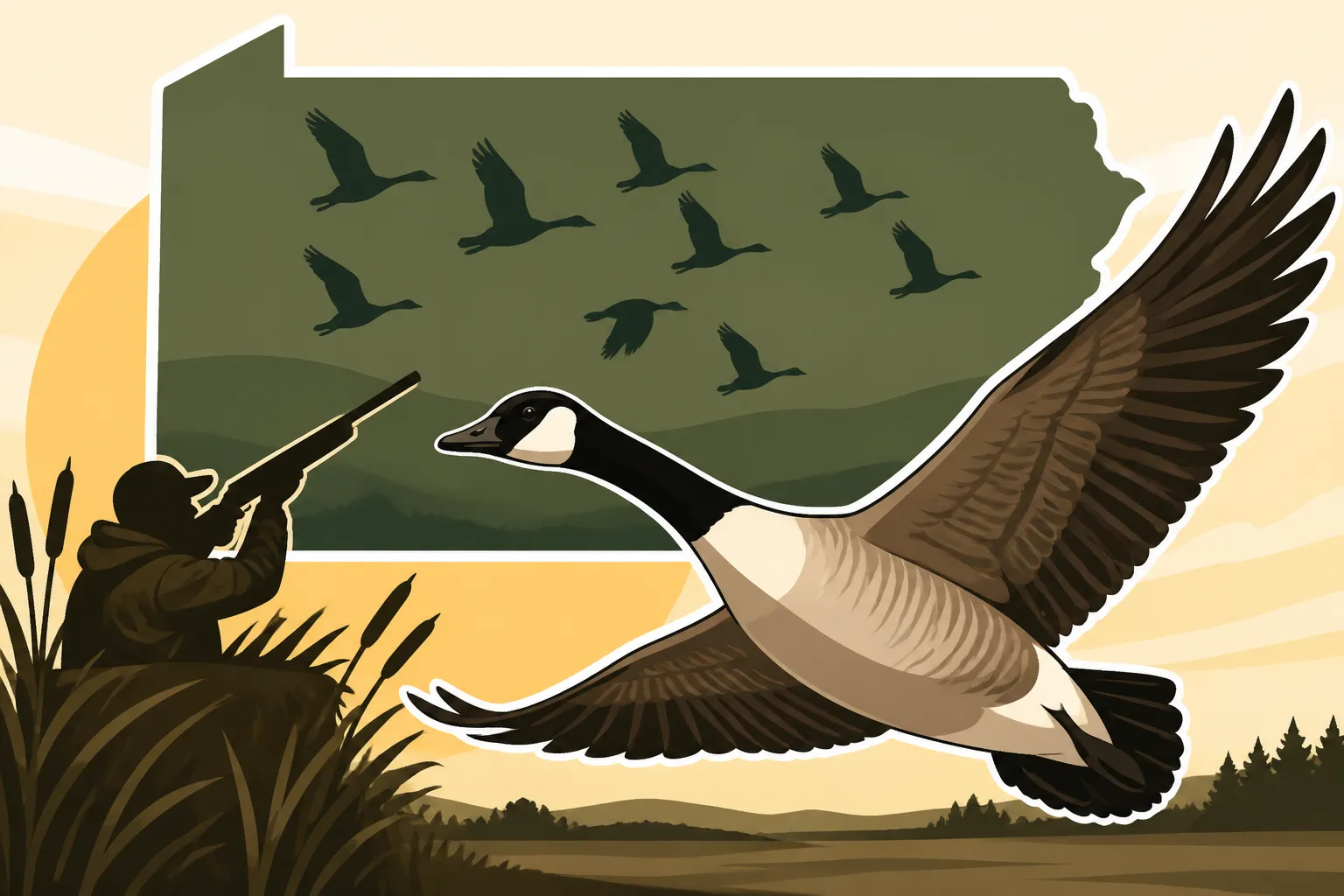
If you've spent any time at all around Pennsylvania's parks, golf courses, or sprawling farm fields, you’ve undoubtedly noticed something: Canada geese seem to be absolutely everywhere. What used to be a sight primarily associated with migration and wild places now feels like a permanent fixture of our landscapes, often leading to frustrations for landowners and hunters alike. This guide will dive deep into the numbers and dynamics of Canada geese in the Keystone State, exploring why their populations are what they are, what challenges they present, and how hunters play a vital role in their management.
The Dual Nature of Canada Goose Populations in Pennsylvania
Understanding Canada goose numbers in Pennsylvania isn't as simple as counting flocks flying overhead. The reality is, we're talking about two distinct populations that utilize our state: the highly visible resident geese and the more transient migratory geese. This distinction is crucial for both wildlife management and for hunters trying to plan their season.
The Proliferation of Resident Geese
For many years now, what we commonly call "resident geese" have become the dominant force in Pennsylvania's Canada goose population. These are the birds that choose to breed and raise their young right here in the state, often in close proximity to human activity. They’re the ones you see grazing on suburban lawns, nesting near retention ponds in industrial parks, and feasting on grain in agricultural fields throughout the spring and summer. Unlike their migratory cousins, they don't undertake long-distance flights south for the winter, instead often just moving short distances to open water or abundant food sources within Pennsylvania or neighboring states.
This explosion in resident goose numbers isn't just a Pennsylvania phenomenon; it's a trend observed across much of the Eastern and Midwest United States. The reasons are multifaceted. Firstly, these geese have adapted incredibly well to human-modified landscapes. Manicured lawns provide easy-to-graze, nutrient-rich food. Ponds in parks, golf courses, and corporate campuses offer safe nesting sites with few natural predators, especially for goslings. Furthermore, a general decrease in hunting pressure on these localized populations, coupled with liberal breeding habits, has allowed their numbers to swell. It's a classic case of a species finding an ecological niche and exploiting it to the fullest. When you think about Resident Canada Geese in Pennsylvania, you're thinking about a highly adaptable, highly successful bird.
Distinguishing Resident from Migratory Birds
While to the casual observer, a Canada goose is just a Canada goose, waterfowl biologists and seasoned hunters understand the subtle differences and the significant implications. Migratory Canada geese belong to distinct populations that breed in Canada and journey south along the Atlantic Flyway, stopping in Pennsylvania during their travels. These birds are generally wilder, less accustomed to human presence, and follow traditional migration routes. You'll typically see these flocks moving in distinct V-formations high overhead during late fall and early spring, often with a more urgent, determined flight pattern.
Resident geese, on the other hand, often appear chunkier, more sedentary, and less wary. They might fly between a local pond and a nearby cornfield, but they don't have the same drive for distant travel. From a management perspective, this distinction is vital because different strategies are needed for each group. Harvest strategies for resident geese can be more aggressive, especially in early seasons, to help control local overpopulation and mitigate nuisance issues. For migratory birds, conservation efforts often focus on protecting resting and feeding grounds along their flyway. As hunters, knowing the difference can sometimes inform your tactics; migratory birds might be more responsive to decoys in open fields, while resident birds might be found in more predictable patterns near their roosts or feeding areas. Tools like the GoHunt app can sometimes help track general population trends and identify potential hunting pressure zones for both types.
Factors Shaping Pennsylvania's Goose Population Dynamics
The sheer number of Canada geese we see today in Pennsylvania is not by accident. It's the result of a complex interplay of habitat availability, food sources, predator dynamics, and human management strategies, including hunting. Understanding these factors helps paint a clearer picture of why certain areas might have an abundance of geese while others see fewer.
The Allure of Agriculture and Suburban Green Spaces
Pennsylvania's diverse landscape offers an irresistible buffet for Canada geese. Our rich agricultural heritage, with its vast fields of corn, soybeans, and winter wheat, provides an abundant and readily available food source for much of the year. Geese are highly efficient grazers, and a freshly cut cornfield or a sprouting wheat field is like a five-star restaurant to them. This is particularly true for resident populations that establish breeding territories near these food sources. They don't have to expend energy on long migrations, instead focusing on exploiting the local bounty.
Beyond agriculture, the modern suburban and urban sprawl has inadvertently created a goose paradise. Golf courses, corporate parks, housing developments with stormwater retention ponds, and even public parks with large grassy areas offer an ideal combination of food, water, and relatively safe nesting sites. These areas often lack natural predators like foxes or coyotes, which would otherwise prey on eggs and goslings, leading to higher survival rates for young birds. The easy access to water, safety from predators, and a constant supply of tender grass make these areas prime real estate for geese looking to establish permanent residency. This easy living contributes directly to the growing numbers of Resident Canada Geese in Pennsylvania.
Hunting Pressure and Management Strategies
Hunting remains one of the most effective tools for managing Canada goose populations, particularly resident birds. The Pennsylvania Game Commission employs various strategies, including staggered seasons and liberal bag limits, to target these local populations. Early September goose seasons, for instance, are specifically designed to reduce resident goose numbers before the migratory birds begin to arrive, helping to mitigate agricultural damage and nuisance complaints. Hunters participating in these early seasons often have great success, contributing directly to local population control.
However, hunting pressure isn't uniform across the state. Geese in highly developed areas, often protected by local ordinances or safety zones, experience very little hunting pressure. This allows these local populations to grow unchecked, contributing to the overall high numbers even as hunters manage populations in accessible rural areas. For migratory geese, hunting seasons are structured to align with their passage through the state, often in conjunction with other waterfowl seasons. This requires hunters to be aware of Pennsylvania Waterfowl Seasons and Zones and understand how they differ for resident versus migratory birds. Keeping up-to-date with regulations, perhaps through a platform like GoHunt, is essential for all goose hunters.
The Game Commission also participates in broader flyway-level management plans, working with other states and Canadian provinces to ensure the long-term health of migratory populations. These plans consider breeding ground surveys, harvest data, and banding returns to set appropriate season lengths and bag limits.
Nesting Success and Survival Rates
Canada geese are incredibly prolific breeders. A typical pair will lay 5-7 eggs, and given suitable nesting conditions, a high percentage of these eggs hatch. As mentioned, the safety offered by suburban and urban environments translates to excellent gosling survival rates. With fewer predators to contend with and an abundance of food, young geese have a much better chance of reaching maturity. This high reproductive success and strong survival combine to keep goose populations robust.
Weather patterns also play a role. Mild winters mean less stress on adult birds, leading to healthier breeding populations in the spring. Adequate rainfall in the spring and early summer can boost vegetation growth, providing more food for goslings. Conversely, severe drought or late-season cold snaps can impact nesting success, but these events are rarely widespread enough to significantly curb the overall population trends of resident geese. It's a testament to their resilience and adaptability that, despite various environmental factors, their numbers generally remain high.
Challenges and Opportunities Presented by High Goose Numbers
While seeing large flocks of Canada geese can be a beautiful sight, their booming numbers, especially resident populations, bring with them a unique set of challenges. These challenges impact agriculture, public health, and other wildlife, but they also create significant hunting opportunities that are vital for effective management.
Agricultural Concerns and Crop Damage
One of the most significant impacts of high Canada goose numbers is the extensive damage they can inflict on agricultural crops. Farmers across Pennsylvania dread large flocks of geese descending upon their fields, especially during critical growth stages. Young corn and wheat shoots are particularly vulnerable, as geese will graze on the tender plants, sometimes obliterating entire sections of a field. This not only results in direct economic losses for farmers due to reduced yields but also incurs additional costs for replanting or implementing deterrents.
Imagine a farmer in Lancaster County who has just planted a new field of winter wheat, only to wake up a few days later to find hundreds of geese systematically stripping the field bare. It's a frustrating, costly, and ongoing battle. Geese can also contaminate crops with their droppings, which, in some cases, can make produce unfit for human consumption. This ongoing struggle often leads farmers to seek assistance from the Game Commission or other wildlife control services, but hunting remains a key tool in mitigating these impacts. Hunters who focus on Goose Hunting Pennsylvania Fields during early seasons are doing a service to both themselves and the agricultural community.
Public Nuisance and Ecological Issues
Beyond agricultural fields, resident Canada geese frequently cause problems in public and private recreational areas. Parks, golf courses, athletic fields, and even residential lawns can become heavily soiled with goose droppings, making them unpleasant and unhygienic for human use. A single goose can produce a surprising amount of waste, and hundreds of them can quickly turn a lush green space into a minefield of excrement. This not only poses a slip hazard but also raises public health concerns due to potential bacterial contamination.
Ecologically, large goose populations can impact water quality. Their droppings contribute excessive nutrients, particularly phosphorus and nitrogen, to ponds and lakes. This nutrient overload can lead to algal blooms, which deplete oxygen levels, harm fish and other aquatic life, and make the water unsuitable for recreation. In some sensitive wetland areas, intensive grazing by geese can also alter plant communities, outcompeting native vegetation and impacting habitat for other waterfowl and wildlife. The Game Commission often works to reduce Resident Goose Problems in Pennsylvania through population control measures, including special permits for egg oiling or nest destruction in addition to hunting seasons.
Hunting Opportunities and Management Goals
Despite the challenges, the robust Canada goose population in Pennsylvania offers fantastic hunting opportunities. With generous bag limits and extended seasons, especially for resident birds, hunters have ample chances to pursue these challenging game birds. Many hunters enjoy the strategic element of goose hunting, which often involves scouting fields, setting up elaborate decoy spreads, and calling birds into range. It's a social activity for many, shared with friends and family in the crisp autumn air. The thrill of a large flock banking to your calls is an experience that keeps hunters coming back year after year.
Effective management aims to balance the needs of the geese, the environment, and human interests. Hunting is a critical component of this balance, helping to keep populations at levels that minimize negative impacts while providing recreational opportunities. For hunters, knowing how to interpret movements and understand feeding patterns, especially by Reading Roost-to-Field Flight Lines, can significantly increase success. Resources like GoHunt can provide maps and other data that help hunters identify promising areas and stay informed about local regulations. The Game Commission actively monitors Pennsylvania goose season dates and adjusts them to manage populations sustainably.
| Population Type | Breeding Location | Migration Pattern | Typical Behavior | Hunting Season Focus | Management Goal |
|---|---|---|---|---|---|
| Resident | Pennsylvania (local) | Short-distance or none | Less wary, accustomed to humans, often in parks/fields | Early/Late September seasons, extended limits | Population control, nuisance reduction |
| Migratory | Canada (Arctic/Subarctic) | Long-distance (Atlantic Flyway) | Wary, strong flocking, V-formations high overhead | Fall/Winter general waterfowl seasons | Sustainable harvest, habitat protection along flyway |
The continued success of Canada goose hunting in Pennsylvania hinges on hunters embracing their role as conservationists. By purchasing their Pennsylvania Migratory Game Bird Licence and participating in seasons, they directly contribute to wildlife management funding and help keep goose numbers in check, benefitting both ecological health and agricultural productivity. While Why Migratory Birds Stayed Closed on Sundays is a common question, the opportunities for goose hunting on permitted days are plentiful and rewarding for those who seek them.
Disclaimer
This article is for general informational purposes only and does not constitute professional advice. Laws, prices and regulations vary by location and change over time. Consult a qualified professional for guidance on your specific situation.