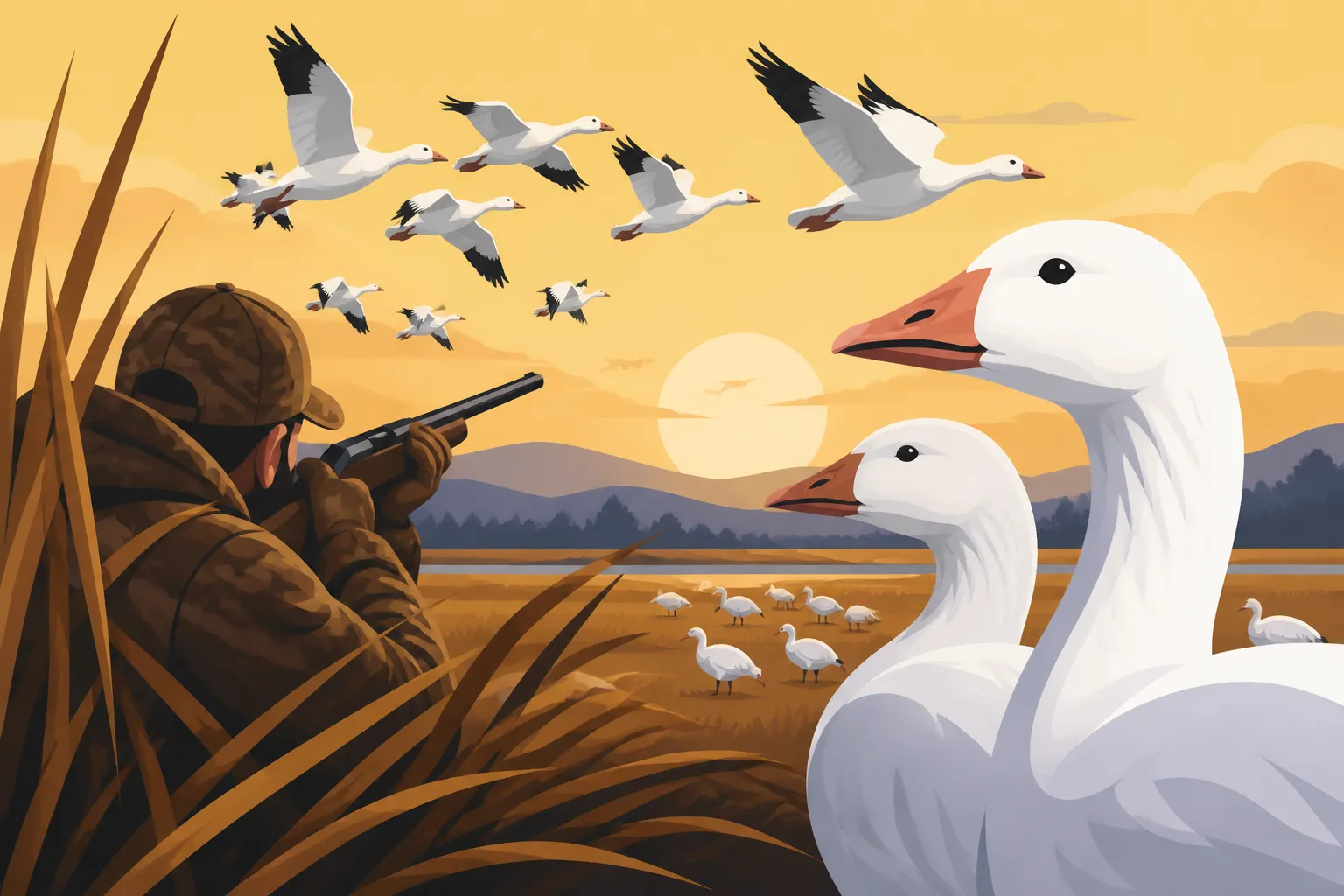
When Snow Geese Peak at Middle Creek
There's nothing quite like the raw, visceral spectacle of tens of thousands of snow geese descending upon a central Pennsylvania lake, their collective calls echoing across the landscape like a distant thunderstorm. It's a natural phenomenon that draws both seasoned hunters and passionate wildlife watchers, yet pinpointing the exact "peak" of this incredible migration at Middle Creek Wildlife Management Area can feel like chasing a ghost. This guide will help you understand the dynamics of this seasonal movement, giving you the best chance to witness the breathtaking magic when the white blizzard finally arrives.
The Annual Spectacle of Snow Geese at Middle Creek
For those of us who live and breathe Pennsylvania's wild places, the arrival of the snow geese at Middle Creek is a highly anticipated event. It’s more than just a large flock; it’s an overwhelming display of nature’s power and abundance, a fleeting moment in late winter or early spring that reminds us of the vastness of the natural world.
Middle Creek's Pivotal Role on the Atlantic Flyway
Imagine a journey that begins in the remote, icy breeding grounds of the Arctic tundra, stretching thousands of miles south to the warmer climes of the Atlantic coast. The snow geese undertake this monumental migration twice a year, and Middle Creek Wildlife Management Area, nestled in Lancaster and Lebanon counties, serves as a truly vital refueling and resting station on their epic trek along the Pennsylvania Waterfowl on the Atlantic Flyway. It's a place where they can gather in immense numbers, feed, and rest before continuing their northward push back to the breeding grounds.
This area isn't just any stopover; it’s strategically located with abundant shallow water impoundments for secure roosting and vast agricultural fields in the surrounding landscape, primarily corn stubble and winter wheat, offering the crucial energy sources these birds need to fuel their arduous journey. The sheer scale of birds that converge here is almost beyond comprehension. We’re talking about flocks so dense they can blot out the sun for a moment as they lift off, and a collective roar that can be heard for miles. It's an experience that truly redefines what "a lot of birds" means, and for many of us, it marks a significant shift from the depths of winter to the promise of spring.
The Allure and Challenge of "The Peak"
When folks talk about "the peak" of the snow goose migration at Middle Creek, they're not referring to a single, easily marked day on a calendar. Instead, it signifies a concentrated period—often just a week or two—when the largest numbers of these striking white birds are present at the management area. It's the time when the fields are literally white with geese, and the skies are filled with swirling, cacophonous flocks. The thrill of witnessing this spectacle is hard to put into words; the visual impact of thousands upon thousands of geese lifting off the water, coupled with the incredible, almost alien symphony of their calls, is an experience that stays with you long after the last bird has flown.
However, for all its allure, "the peak" presents a significant challenge: it's a moving target. Predicting the exact timing is like trying to guess the lottery numbers; it’s heavily dependent on a myriad of environmental factors, most notably the weather. This can be incredibly frustrating for those of us who plan trips specifically to see this event, only to arrive a week too early or a few days too late. The key isn't to guarantee a specific day, but rather to understand the underlying drivers of the migration and use that knowledge to dramatically increase your odds of catching this once-in-a-year event. While the numbers fluctuate from year to year, getting a sense of the scale and history helps to appreciate the phenomenon. You can dive deeper into past trends and general counts by looking at Snow Goose Numbers at Middle Creek.
Decoding the Timing: When Middle Creek Comes Alive
The dance of the snow geese is dictated by rhythms far older than any human calendar. Their arrival at Middle Creek is a complex interplay of instinct, weather, and habitat conditions, making it one of nature's most captivating, yet unpredictable, shows.
The General Window: Late Winter to Early Spring Push
Generally speaking, the primary snow goose migration through Pennsylvania, especially for the spectacle at Middle Creek, unfolds during the late winter and very early spring. We're typically looking at a window that stretches from late February through early to mid-March. This is when the continental shift from winter's grip to spring's thaw begins to accelerate, signaling to the geese that it's time to head north.
It's crucial to remember that this is a strong pattern, not an immutable law. Every year is a bit different. The spring migration is often considered more spectacular for viewing than the fall migration because the birds tend to stage in larger, more concentrated flocks as they wait for the northern breeding grounds to become accessible. They're making a calculated push, moving as a vast, unified front. The subtle lengthening of daylight hours, combined with the first whispers of warming temperatures, act as powerful cues for these incredible travelers to begin their final leg. If you're generally interested in these patterns, you can learn more about Pennsylvania Waterfowl Migration Timing.
The Unpredictable Hand of Pennsylvania Weather
Now, here's where the frustration often sets in for those trying to plan a visit: Pennsylvania's notoriously fickle late-winter weather. This is, without a doubt, the biggest variable in predicting the snow goose peak. An early thaw, with mild temperatures and clear skies in February, can trigger an earlier push of birds, meaning the peak might occur sooner than expected. Less ice on northern lakes and reservoirs, and exposed agricultural fields free of snow, provide attractive conditions for the geese to advance.
Conversely, a lingering deep freeze or a significant late-season snowstorm can hold birds back considerably, sometimes even pushing them south again temporarily if conditions further north become too harsh. Imagine thousands of geese staging, ready to go, only to be met by another blast of arctic air and a fresh blanket of snow. They'll simply wait it out in more favorable areas. Strong, sustained southerly winds act like a tailwind, accelerating their journey and often compressing the migration into a shorter, more intense "peak" period. A prolonged cold front, however, can stall their movement, spreading out the migration over a longer timeframe and potentially making the "peak" less distinct. It truly feels like you're at the mercy of the elements, and anyone who has tried to predict Pennsylvania weather knows that's a gamble!
Habitat Conditions: Water, Ice, and Available Food
Beyond the broader weather patterns, the very specific habitat conditions at Middle Creek itself, and in the surrounding areas, play a critical role in dictating the timing and intensity of the snow goose peak. For starters, the impoundments at Middle Creek need to be largely free of ice. Snow geese, while incredibly hardy, prefer open water for secure roosting at night. If the main pools remain locked in ice, the birds will bypass Middle Creek or simply stage in smaller numbers in any available open water, often moving through quickly.
Equally important are the surrounding agricultural fields. These fields, rich with corn stubble from the previous harvest or early winter wheat, are the geese's primary feeding grounds. An early melt-off means these fields are accessible sooner, providing ample sustenance for the incoming flocks. Conversely, a heavy snowpack that persists into March can bury these food sources, forcing birds to wait or find other, less ideal locations. The dynamic between open water for safety and available food for energy creates a powerful pull. A mild winter might lead to more scattered concentrations as birds don't feel the need to hunker down in a single secure location, while a harsh winter, once it finally breaks, can result in an explosion of activity as all the delayed birds push north simultaneously. This is why understanding Goose Hunting Pennsylvania Fields is relevant, even for viewing, as it explains their primary forage areas.
Practical Strategies for Catching the Peak
While the snow goose migration will always retain an element of unpredictability, there are definitely things you can do to improve your chances of witnessing the peak at Middle Creek. It's all about being informed and flexible.
Relying on Real-Time Intelligence
In today's connected world, the internet is your best friend when it comes to tracking migratory birds, but you need to use it wisely and consult multiple sources. Local birding reports, online forums dedicated to Pennsylvania wildlife, and social media groups focused on Middle Creek or waterfowl can provide incredibly timely—though unofficial—intelligence. People on the ground, sharing photos and updates, are often the first indicators of a significant influx of birds.
Additionally, don't overlook official channels. The Pennsylvania Game Commission (PGC) website, particularly during late winter, will often have updates or general advisories regarding waterfowl movements. The Middle Creek Visitor Center itself is an invaluable resource; a quick phone call a few days before you plan to visit can often yield the most accurate, up-to-the-minute information on bird numbers and local conditions. While not specifically designed for daily goose counts, general scouting tools and mapping platforms can also be helpful. For example, platforms like GoHunt, which offer robust mapping and data overlays, can help you understand broader migration patterns or visualize weather fronts affecting bird movement across the state, complementing the local reports. Combining these various sources allows you to form a much clearer picture. This kind of intelligence gathering is similar to Scouting Pennsylvania Public Land Before Season for deer; it’s about understanding movements and conditions before you commit.
Observing Behavior During the Peak
Once you're at Middle Creek, knowing what to look for—and listen for—can help you gauge if you've hit the sweet spot of the migration. During the peak, you won't just see large flocks; you'll observe massive, swirling formations of geese, sometimes numbering in the tens of thousands, moving in choreographed chaos across the sky. The sheer density of birds, both in the air and on the water, will be immediately apparent.
Perhaps even more striking than the visual is the auditory experience. The sound of a peak snow goose migration is unlike anything else. It's a continuous, roaring cacophony – a constant chatter of thousands upon thousands of individual calls that, collectively, sound like a distant jet engine or a continuous thunderclap. This vocalization is often the first giveaway that you're in the right place at the right time. Prime viewing times are generally at dawn, when the vast majority of birds lift off the roosting impoundments to fly out to feeding fields, and again at dusk, when they return en masse to settle in for the night. These movements are often predictable. For more specific viewing tips, including optimal spots, check out Middle Creek Snow Goose Viewing. Understanding their daily routine, particularly their movements between roosting and feeding areas, is key, which you can learn more about by Reading Roost-to-Field Flight Lines.
Beyond the Snow Geese: Other Wildlife at Middle Creek
Even if the snow geese haven't reached their absolute peak during your visit, or if you find yourself there slightly before or after the main rush, Middle Creek Wildlife Management Area still offers an incredible opportunity to observe other fascinating wildlife. It’s a truly dynamic ecosystem throughout late winter and early spring.
Often present in huge numbers during the same period are majestic tundra swans. These graceful, all-white birds, larger than snow geese, add another layer to the avian spectacle. You'll also likely see a wide variety of duck species, including mallards, pintails, American wigeon, and even diving ducks like canvasbacks, all utilizing the impoundments. The sheer concentration of waterfowl often attracts powerful raptors; bald eagles are frequently seen patrolling the skies, ever on the lookout for an easy meal. So, while the snow geese are undeniably the star attraction, even a "sub-peak" visit can be a rich and rewarding wildlife experience. For those interested in the broader context of visiting and interacting with this unique area, Hunting Rules at Middle Creek can provide valuable information, as can understanding the historical background of waterfowl management and regulations, such as Why Migratory Birds Stayed Closed on Sundays. Regardless of the exact timing of the snow goose peak, Middle Creek remains a must-visit for anyone with an appreciation for Pennsylvania's wild side.
Disclaimer
This article is for general informational purposes only and does not constitute professional advice. Laws, prices and regulations vary by location and change over time. Consult a qualified professional for guidance on your specific situation.