Pennsylvania Waterfowl Migration Timing
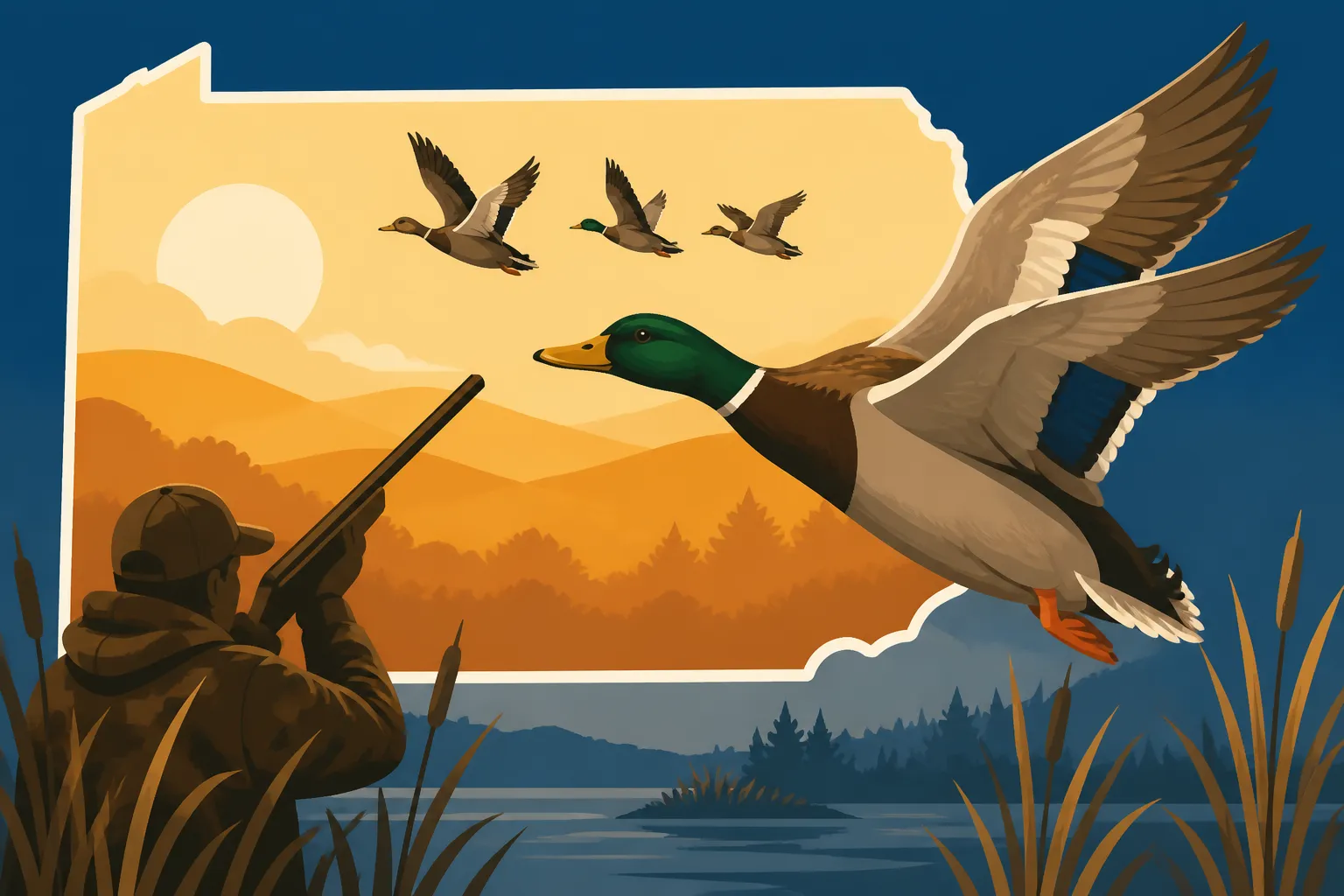
One of the most thrilling and often frustrating aspects of waterfowl hunting in Pennsylvania is trying to pinpoint the exact moment those magnificent birds decide to descend upon our state. It's a dance with Mother Nature, a game of calculated guesses and hopeful scouting, and the truth is, there's no single perfect answer. This guide aims to pull back the curtain on the complex world of waterfowl migration timing in Pennsylvania, helping you understand the factors at play so you can be in the right place at the right time.
Understanding the Basics of Waterfowl Migration
Waterfowl migration isn't a single, uniform event. It's a complex, staggered process driven by instinct, weather, and food availability, with different species moving at different rates and times. Pennsylvania sits squarely within the Atlantic Flyway, a major migratory route that funnel birds from their northern breeding grounds down to warmer wintering areas, making our state a crucial stopover.
The "Push" Factors: Why Birds Move South
Imagine you're a duck or a goose up in the northern reaches of Canada. Life is good through the summer, but as autumn deepens, several critical factors begin to "push" you south. The most significant is undoubtedly the weather. A severe cold front, especially one that brings a hard freeze, will lock up open water and cover critical food sources with ice. When lakes, rivers, and ponds start to freeze over, ducks and geese are forced to seek open water further south. This isn't just about comfort; it's about survival. Without access to open water, they can't feed, rest, or escape predators effectively.
Beyond ice, diminishing daylight also plays a role, signaling an ancient internal clock that it's time to move. As the days grow shorter, the birds sense the approaching winter and begin to prepare for their arduous journey. Finally, the depletion of food sources, whether it's submerged aquatic vegetation, waste grain in agricultural fields, or acorns in flooded timber, acts as another powerful motivator. Once the buffet begins to dwindle, the birds know it's time to find greener pastures, or rather, wetter ones with more abundant groceries.
Species-Specific Timelines: Not All Wings Beat Alike
It's a common misconception that all ducks and geese migrate en masse at the same time. In reality, different species have their own unique migratory schedules, often dictated by their diet, preferred habitat, and physiological adaptations to cold. For instance, the dabbling ducks, like mallards and black ducks, which feed in shallower waters, might stick around longer than some of the deep-diving ducks once ice starts forming. They can often find pockets of open water or feed in thawed fields.
Geese, particularly Canada geese, also show distinct migratory patterns. Our resident Canada geese might move locally in response to hunting pressure or localized ice, but the true migratory flocks from Canada arrive later. Similarly, the massive waves of snow geese are often some of the last waterfowl to make their grand entrance into Pennsylvania, typically arriving when conditions further north become truly inhospitable. Understanding these species-specific timelines is key to successful waterfowl hunting throughout the season.
Major Flyways and Pennsylvania's Place
When you look at a map of North America's bird migration routes, you'll see four main arteries: the Pacific, Central, Mississippi, and Atlantic Flyways. Pennsylvania is strategically positioned within the Atlantic Flyway, making it a critical staging and wintering area for countless waterfowl. This flyway stretches from the Arctic tundra all the way down to the Caribbean and South America. Birds originating from eastern Canada and the northeastern United States utilize this route.
This means that as cold weather pushes south from Quebec and Ontario, Pennsylvania becomes a natural funnel. Our rivers like the Susquehanna, our myriad lakes, and the vast agricultural fields in regions like southeastern Pennsylvania become irresistible magnets for weary travelers. Understanding that Pennsylvania is a corridor, not just a destination, helps explain why migration can feel so transient. Birds might stop for a few days or weeks to refuel, then push further south if conditions allow. Knowing our place in this grand scheme is fundamental to appreciating the movements of Pennsylvania Waterfowl on the Atlantic Flyway.
Early Season Migrants: Teal, Wood Ducks, and Resident Geese
The earliest days of waterfowl season in Pennsylvania, often stretching through September, are dominated by species that are quick to move and those that call our state home year-round. These initial weeks offer fast-paced action for hunters who know which birds to target.
September's Fast Flyers: Teal Species
Ah, September teal! These small, agile ducks are often the first true migrants to grace our Pennsylvania wetlands. Blue-winged teal are particularly famous for their early departure. They breed further north but don't tolerate cold weather for long. Often, a single significant cold front in late August or early September is enough to send them packing, and they'll stream through Pennsylvania in waves. They're quick, darting flyers, offering challenging shots.
Green-winged teal tend to follow shortly after, or sometimes even concurrently, though they might linger a bit longer than their blue-winged cousins if conditions remain mild. Their presence is a welcome sign that migration is officially underway. Both species prefer shallow, marshy areas and flooded fields, where they can dabble for seeds and invertebrates. Hunting these early season birds is all about timing their brief stopovers and being set up in their preferred shallow-water feeding grounds.
Wood Duck Movement: Responding to Early Cold Snaps
Few ducks are as beautiful or as uniquely Pennsylvanian as the wood duck. While many wood ducks breed right here in our state, they are also migratory, with birds moving south from further north to join our local populations. Like teal, they are generally early migrants, especially the northern birds. A sharp drop in temperature or the first signs of ice forming on their preferred beaver ponds and timbered creeks can send them packing quickly.
Wood ducks are primarily acorn eaters, and their movements are often tied to the availability of this crucial food source. If early season acorns are abundant, they might stick around longer. However, if those acorns are scarce or become inaccessible due to cold and ice, they'll push south. They are incredibly wary birds, often flying at dawn and dusk, so understanding their preferred timbered habitat and flight paths along wooded creeks is essential. For tips on hunting these beautiful birds, consider focusing on tactics for Duck Hunting Pennsylvania Rivers or smaller, wooded waterways.
Resident Canada Geese: Localized Movements, Not True Migration
Unlike the teal and some wood ducks, Pennsylvania's resident Canada geese are not undertaking epic journeys from distant northern lands. These are the birds that breed, raise their broods, and often spend their entire lives right here in our state. However, calling them "non-migratory" isn't entirely accurate. While they don't migrate thousands of miles, they certainly exhibit localized movements.
These local movements are often driven by hunting pressure. As the season progresses, geese will quickly learn where they are safe and where they are not. They might move from a heavily hunted field to a refuge, a large body of water, or even a local park where hunting isn't allowed. Food availability also plays a role; they'll commute between roosting sites on large lakes or rivers and feeding grounds in agricultural fields. While you won't be waiting for a "cold front push" for these birds, understanding their daily patterns and how they react to pressure is vital. For those targeting these local birds, especially on agricultural fields, learning about Goose Hunting Pennsylvania Fields tactics is a must.
Peak Migration: Mallards, Black Ducks, and Main Goose Flights
As September turns to October and then November, Pennsylvania truly shines as a waterfowl destination. This is when the main event begins, with larger flocks of more familiar species making their presence known.
October's Main Event: Dabblers Descend
October is often considered the prime time for dabbling ducks in Pennsylvania. As the northern cold fronts start to seriously bite, but before widespread, solid ice takes hold, vast numbers of mallards, black ducks, wigeon, and gadwall begin to pour into the state. This influx often coincides beautifully with the corn harvest, leaving behind vast fields of waste grain that are irresistible to these hungry birds. The first hard frosts, while not always freezing large bodies of water, will kill off many aquatic plants up north, further compelling ducks to migrate.
These mid-season dabblers are typically more numerous and often less wary than the early season birds, especially in the first few days after a significant "push." They'll stage on larger lakes, reservoirs, and wide sections of rivers, then commute to feed in agricultural fields, flooded timber, or smaller, marshy areas. Hunters who focus on scouting these feeding and roosting patterns during this window often find great success. Setting up strategically along their flight paths or in their preferred feeding spots is key.
Big Canada Goose Waves: The True North Arrives
While we discussed resident Canada geese earlier, October and especially November bring the much-anticipated arrival of the truly migratory Canada goose flocks from their breeding grounds in Canada. These are the big birds, often more wary and traveling in larger V-formations high overhead, whose deep honks signal the real onset of winter. They tend to travel in large groups, often by the hundreds or even thousands, especially after a significant cold front.
These birds are driven by the freezing conditions up north and often settle into large, open water bodies for roosting, then venture out to agricultural fields to feed. Their arrival can be explosive, with a quiet marsh suddenly bustling with geese overnight. Hunters need to pay close attention to weather forecasts, particularly those indicating severe cold and snow north of Pennsylvania, as these are often the harbingers of these massive goose migrations. Understanding their movements between roosting and feeding sites is crucial for setting up successful hunts.
Dabbler Habits: Feeding and Staging in Pennsylvania
Dabbling ducks like mallards, black ducks, and wigeon are incredibly adaptable, which is why they thrive in Pennsylvania's diverse landscape. During peak migration, they will utilize almost any open water they can find, from small farm ponds and flooded timber to large rivers and expansive lakes. Their feeding habits primarily involve "dabbling" or tipping up in shallow water to reach submerged vegetation, seeds, and aquatic invertebrates. However, they are also avid consumers of waste grain in agricultural fields, particularly corn and soybeans.
This versatility means that hunters can find dabblers in a wide variety of habitats. They'll often stage on larger, safer bodies of water during the day, where they can rest and preen, then make short flights to feeding grounds during low light periods. Understanding these daily patterns – where they roost, where they feed, and how they fly between the two – is paramount. Tools like aerial maps and scouting before a hunt can reveal these patterns, allowing you to set up on a Scrape Lines Along a Logging Road or a field edge that intercepts their daily routine.
Late Season Arrivals: Divers, Buffleheads, and Snow Geese
As the calendar flips to November and then December, and winter's grip tightens, a new cast of characters arrives on Pennsylvania's waters: the diving ducks and the truly late-season geese.
November's Deep Divers: Ring-necks, Scaup, Canvasbacks
Once the shallower feeding grounds start to freeze, the deep-diving ducks truly come into their own. November often sees the arrival of ring-necked ducks, scaup (both greater and lesser), canvasbacks, and redheads on Pennsylvania's larger, deeper lakes and rivers. These birds don't just tip up; they plunge beneath the surface to forage for aquatic plants, mollusks, and invertebrates. Their preference for open, deep water means they are less impacted by early ice on shallow ponds.
Hunting divers often requires different tactics than dabblers. They tend to raft up in large groups in the middle of big water and are less likely to respond to typical dabbler spreads. Long lines of decoys simulating large rafts, and sturdy boats to navigate open water, are often essential. The arrival of these species signals that the season is progressing and that the northern states are truly locked in ice, pushing these hardy birds south to our more temperate waters.
Cold Weather Specialists: Goldeneyes, Buffleheads, Mergansers
As December rolls in and Pennsylvania begins to experience more widespread ice, a new wave of even hardier ducks appears: the cold weather specialists. Goldeneyes and buffleheads are often the last ducks to leave the far north and some of the last to depart Pennsylvania. They are remarkably tolerant of cold, seeking out any remaining open water, often in strong currents on rivers or in sections of large lakes that resist freezing due to depth or wind action.
Mergansers, with their distinctive saw-like bills, are also common late-season visitors. While not typically prized for the table, they offer exciting hunting opportunities, especially for those pursuing ducks on larger rivers or big water. These late-season birds are generally very wary due to sustained hunting pressure throughout their journey south. Success often hinges on finding isolated pockets of open water and deploying subtle, natural-looking decoy spreads.
The Snow Goose Spectacle: A Truly Late Migration
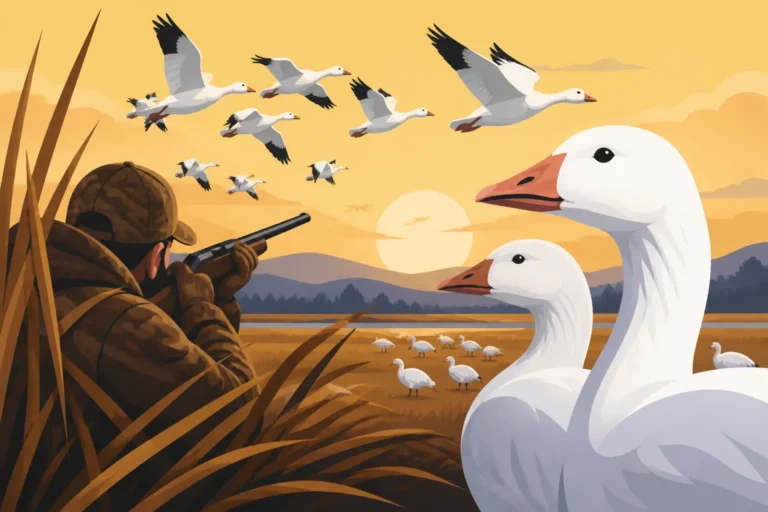
If you're waiting for the ultimate late-season spectacle, you'll be looking for snow geese. These birds are some of the last waterfowl to embark on their full migration, often not arriving in significant numbers in Pennsylvania until late December, January, or even into February. Their migration is driven by truly extreme cold and ice further north, and their arrival is often tied to vast agricultural fields, particularly cut corn and winter wheat, where they feed in enormous flocks.
The sight of thousands of snow geese descending upon a field or taking flight is unforgettable. They are incredibly vocal and can transform a quiet landscape into a cacophony of sound. Hunting them requires a completely different approach, often involving massive decoy spreads (sometimes hundreds or even thousands of white rags or full-body decoys) and specialized calls. The prime location to witness and hunt these birds in Pennsylvania is often around the Snow Goose Hunting at Middle Creek Wildlife Management Area, though they can be found in suitable habitat across the state's agricultural belts.
Factors Influencing Migration Timing
Predicting waterfowl migration isn't an exact science because so many variables come into play. Understanding these factors can help you make more informed decisions about when and where to hunt.
Weather Patterns: The Dominant Driver
Without a doubt, weather is the single most dominant factor influencing waterfowl migration. It's not just a single cold day; it's sustained cold fronts, especially those accompanied by ice. A mild October with open water and abundant food north of Pennsylvania will often delay the mass influx of ducks and geese. Conversely, an early, severe cold snap that brings widespread freezing temperatures and ice will "push" birds south in a hurry.
Wind also plays a critical role. Strong north winds can help birds on their southward journey, allowing them to conserve energy and move faster. Periods of calm, warm weather can cause birds to linger. Keep a close eye on long-range forecasts, not just for your hunting area, but for the regions directly north of Pennsylvania in Canada and New York. What's happening there will often dictate what arrives here a few days later.
Food Availability: A Crucial Pull
While cold weather pushes birds, abundant food acts as a powerful "pull" factor, encouraging them to stop and stay. Pennsylvania offers a rich buffet of options for migrating waterfowl. Agricultural fields, particularly those with waste corn, soybeans, or winter wheat, are magnets for geese and dabbling ducks. The timing of the harvest in surrounding states and Pennsylvania can significantly impact where birds choose to stage.
Wetland productivity, including the growth of smartweed, wild rice, and other aquatic vegetation, also draws birds in. If a particular wetland or river bottom has had a good year for these natural food sources, it can hold birds longer. Conversely, if an acorn crop fails in flooded timber areas, wood ducks and mallards might push through faster. Savvy hunters often scout for food sources as much as they do for birds.
Hunting Pressure: Localized Movements
Even the most dedicated migratory bird can be influenced by local hunting pressure. While birds are driven by instinct to migrate, they also learn very quickly where they are safe and where they are not. Heavily hunted areas, especially on public lands, can cause birds to become "skittish" and move to quieter, less disturbed areas. This isn't a true migration, but rather localized displacement.
Birds might abandon a prime feeding field if they are shot at repeatedly and instead seek refuge on a large, open body of water where they feel safer, only flying out to feed under the cover of darkness. Understanding how hunting pressure affects waterfowl in your area is key. Sometimes, finding success means walking further, seeking out less-pressured corners of public lands, or knocking on doors for private land access away from the crowds. This is especially true on Hunting Pressure on Pennsylvania Game Lands.
Human Monitoring and Tools: Leveraging Technology
In today's connected world, hunters have more tools than ever to track migration patterns. While nothing beats actual boots-on-the-ground scouting, combining that with online resources can give you a significant advantage. The Pennsylvania Game Commission often publishes updates and observations from their wildlife biologists regarding waterfowl numbers and movements.
Additionally, many independent hunting platforms offer real-time migration maps and user-submitted reports. Tools like the ones offered by GoHunt, for instance, can provide valuable insights into where birds are being seen, helping you pinpoint potential hotspots. Checking regional forums, social media groups, and even calling local outfitters or sporting goods stores can provide anecdotal evidence of recent bird movements. Combining national migration forecasts with localized reports can create a powerful picture, allowing you to fine-tune your hunting plans for Pennsylvania Waterfowl Seasons and Zones.
Local Intelligence and Scouting
While broad migration patterns are important, success in waterfowl hunting often boils down to hyper-local intelligence. Knowing what's happening on your specific hunting grounds is priceless.
Water Levels and Habitat: The Local Landscape
Water levels are a critical, yet often overlooked, factor in local waterfowl movements. On rivers, high water can flood new areas, creating temporary feeding opportunities, while low water can expose mud flats that are attractive to dabblers and shorebirds. On impoundments and wetlands, managing water levels can concentrate birds or disperse them. A marsh that was productive last year might be bone dry this year, or vice versa.
Understanding the current state of your local habitat is non-negotiable. Is that flooded timber still flooded? Are the beaver ponds holding water? Has a recent rain filled the potholes in that cornfield? Birds will always gravitate to the most favorable habitat, and these conditions can change rapidly throughout the season. Scouting before your hunt, or even driving by potential spots, can save you hours of sitting in unproductive areas.
Reading the Signs: Droppings, Feeding, and Flights
The birds themselves leave the best clues. When you're scouting, look for fresh sign: droppings on logs, banks, or in fields indicate recent activity. Pay attention to "feeding sign" – muddied water in shallow areas where dabblers have been tipping up, or pecked-over corn kernels in a field. These tell-tale signs confirm not only that birds are in the area, but what they're eating and where they're concentrating.
Observing flight patterns is also crucial. Where are birds flying from their roost to their feeding grounds? What time are they moving? Are they using a specific flyway over a ridge or a timber edge? Observing these patterns for even a single morning or evening can give you a tactical advantage, allowing you to set up your decoys and blinds in the perfect ambush point. This is the essence of Reading Roost-to-Field Flight Lines.
Leveraging Online Resources and Local Reports
Beyond the GoHunt style platforms mentioned earlier, local resources are goldmines. Many Pennsylvania counties have active hunting clubs or online communities where members share localized observations. Your local Pennsylvania Game Commission WCO (Wildlife Conservation Officer) often has a finger on the pulse of local bird movements, though they may not be able to provide specific hunting advice. Even chatting with local farmers can give you insight into which fields are holding birds.
Don't forget the power of official PGC reports. They often provide updates on bird numbers, conditions, and season outlooks. While these reports might not give you an exact "X marks the spot," they offer valuable context about overall waterfowl populations and general migration trends within the state. Combining your own scouting with these external resources can paint a comprehensive picture, ensuring you're as informed as possible when you head out into the field, especially after you've secured your Pennsylvania Migratory Game Bird Licence and the necessary Pennsylvania Federal Duck Stamp Rules and Pennsylvania HIP Registration for Migratory Birds are squared away.
Migration Timing for Common Pennsylvania Waterfowl Species
| Species Group | Typical Early Arrival/Peak in PA | Primary "Push" Factors for Arrival | Preferred Habitats in PA |
|---|---|---|---|
| Early Dabblers | |||
| Blue-winged Teal | Early September | First cold fronts, short days | Shallow marshes, flooded fields, small ponds |
| Green-winged Teal | Mid-September | Moderate cold fronts | Shallow marshes, muddy edges, small creeks |
| Wood Duck | Mid-September | Early freezes, acorn availability | Wooded swamps, beaver ponds, timbered creek bottoms |
| Peak Season Dabblers | |||
| Mallard | Late September – October | Hard frosts, corn harvest | Farm ponds, agricultural fields, large rivers, marshes |
| Black Duck | October | Moderate freezes, declining food | Coastal marshes, large rivers, secluded ponds |
| Gadwall, Wigeon | October | Sustained cold north of PA | Shallow wetlands, agricultural impoundments, lakes |
| Canada Geese | |||
| Resident Canada Geese | Year-round (localized movement) | Hunting pressure, local ice | Agricultural fields, larger lakes, rivers, urban ponds |
| Migratory Canada Geese | Late October – November | Freezing conditions in Canada | Large open water, agricultural fields, expansive marshes |
| Divers | |||
| Ring-necked Duck | Late October – November | Widespread shallow ice | Deeper lakes, reservoirs, large river sections |
| Scaup (Bluebills) | November | Extensive ice north of PA | Large, deep lakes, major rivers |
| Canvasback, Redhead | November | Severe northern freezes | Very large, deep lakes, reservoirs, wide river sections |
| Late Season & Specialized | |||
| Goldeneye, Bufflehead | Late November – December | Hard freeze, open water shrinking | Fast-moving rivers, large deep lakes, strong current areas |
| Mergansers | December | Widespread regional ice | Rivers, large lakes, open water near dams |
| Snow Goose | Late December – January | Extreme northern freezes, snow | Large agricultural fields (corn/wheat), open water roosts |
Disclaimer
This article is for general informational purposes only and does not constitute professional advice. Laws, prices and regulations vary by location and change over time. Consult a qualified professional for guidance on your specific situation.