Snow Geese at Middle Creek
Many hunters dream of chasing the massive flocks of snow geese that descend upon Pennsylvania each winter, but the sheer numbers and often confusing regulations, especially around well-known areas like Middle Creek, can feel overwhelming. This guide will walk you through everything you need to know about the incredible spectacle of snow geese at Middle Creek, from why they congregate there to the specific strategies and regulations you'll need to understand if you hope to hunt them in the surrounding regions.
The Phenomenon of Snow Geese at Middle Creek
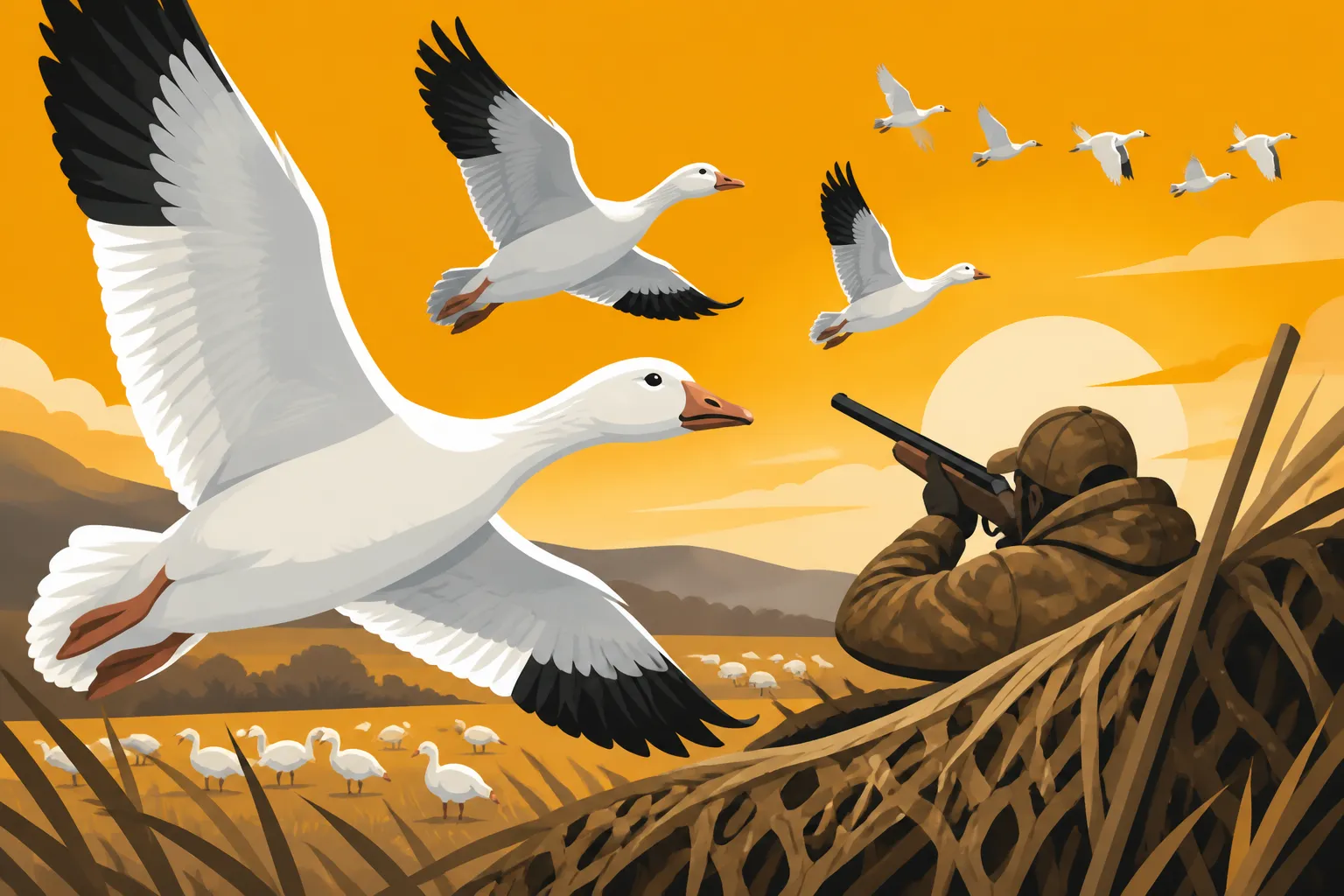
For anyone who's witnessed it, the sight and sound of tens of thousands of snow geese descending upon the Middle Creek Wildlife Management Area is nothing short of breathtaking. It's an annual migration spectacle that draws nature enthusiasts and hunters alike, transforming the tranquil Lancaster/Lebanon county landscape into a dynamic, roaring, white-winged blizzard. Understanding this phenomenon is key to both appreciating and effectively pursuing these birds.
Why Middle Creek Attracts So Many Snow Geese
Middle Creek isn't just a random stopover; it's a strategically managed wildlife area designed to be a haven for migratory waterfowl, particularly snow geese. The Pennsylvania Game Commission (PGC) has carefully cultivated this habitat over decades to provide everything these weary travelers need: abundant food sources, open water for resting and roosting, and crucial sanctuary from hunting pressure. The surrounding agricultural fields, often filled with waste grain like corn, provide an irresistible buffet for the hungry geese, allowing them to refuel before continuing their long journey along the Atlantic Flyway. This combination of protected resting areas and readily available high-energy food creates a perfect storm for drawing immense numbers of these birds year after year. It's a testament to effective wildlife management and a true natural wonder that we're lucky to have in Pennsylvania.
The Spectacle: Viewing Versus Hunting Opportunities
While Middle Creek is famous for its massive snow goose concentrations, it's vital to understand the distinction between viewing opportunities within the sanctuary and hunting opportunities in the surrounding areas. The core of Middle Creek itself, particularly the main impoundments and visitor center areas, is designated as a wildlife sanctuary, meaning no hunting is permitted. This allows the geese a safe place to rest and feed, creating an unparalleled viewing experience for hundreds of thousands of visitors each year. You can witness massive "blast-offs" where thousands of geese take flight simultaneously, or watch them settle onto the ice and open water.
However, this sanctuary status indirectly creates fantastic hunting opportunities just outside its boundaries. The geese will fly out daily from the safety of the refuge to feed in neighboring agricultural fields. This pattern of roosting in safety and feeding in surrounding areas is precisely what hunters can capitalize on. So, while you can't hunt at the Middle Creek visitor center, you can absolutely pursue them in the fields where they go to dine, often just a short distance away.
Historical Context and Conservation Success
The story of the snow goose population, particularly on the Atlantic Flyway, is a remarkable conservation success. For decades, snow geese were a species of concern, with their numbers dwindling. However, changes in agricultural practices, particularly the abundance of waste grain left in fields after harvest, provided an unforeseen boost to their populations. This, combined with effective habitat management in places like Middle Creek and other refuges, has led to a dramatic increase in snow goose numbers.
Today, the population is so robust that it actually poses ecological concerns in their Arctic breeding grounds, where overgrazing by geese can damage delicate tundra ecosystems. This overpopulation is why specific "Conservation Order" seasons and liberal bag limits have been implemented to help manage their numbers. It's a unique situation where hunters are actively participating in a conservation effort to balance the ecosystem, a true testament to how wildlife management and hunting can intertwine for the greater good. It's a long way from the concerns of the past, and a powerful example of how species can recover and even thrive under careful stewardship.
Understanding Snow Goose Migration in Pennsylvania
Pennsylvania sits squarely in the path of one of North America's most impressive migratory routes: the Atlantic Flyway. This broad aerial highway funnels millions of birds, including vast numbers of snow geese, through the state each spring and fall. For hunters and birdwatchers alike, understanding the nuances of this migration is crucial for predicting when and where these incredible birds will appear.
The Atlantic Flyway Connection
The Atlantic Flyway is essentially a superhighway for birds, stretching from the Arctic breeding grounds all the way down to the wintering areas in the southern United States and beyond. Pennsylvania, with its mix of agricultural lands and crucial stopover points like Middle Creek, plays a vital role as a rest and refueling station along this route. Snow geese, in particular, utilize the flyway heavily, moving south in the fall and returning north in the spring.
As they travel, they are constantly seeking out the best food sources and safest roosting sites. The open, agricultural landscapes of central and southeastern Pennsylvania offer an ideal combination of both. The presence of numerous water bodies, from large rivers like the Susquehanna to smaller impoundments and lakes, provides essential night roosting areas, while the vast corn and wheat fields offer energy-rich sustenance. It's a complex dance dictated by weather, food availability, and instinct, all funneled through this ancient migratory corridor. Many hunters spend considerable time scouting these areas, using tools like GoHunt, which can help visualize land features and potential feeding locations before the birds even arrive.
Peak Migration Periods and Weather Influence
While snow geese can be present in Pennsylvania throughout the winter, there are distinct peak periods when their numbers truly swell. Generally, the late winter and early spring months, from late February through March, see the most spectacular concentrations during their northward migration. This is when the largest flocks gather, often staging for weeks before making their final push to the Arctic.
Weather plays an enormous role in determining both the timing and behavior of these birds. A late thaw or prolonged cold snap can delay their migration, keeping them in Pennsylvania longer. Conversely, an early warming trend can push them through quickly. Wind direction and intensity also affect their flight patterns, influencing which fields they choose to feed in. Heavy snow cover, for instance, can obscure food sources, forcing them to move to areas with less snow or exposed ground. Mild, sunny days are often ideal for viewing, but for hunting, a bit of overcast or even light precipitation can sometimes make the birds less wary. Hunters always keep a close eye on long-range forecasts, knowing that a shift in weather can mean a shift in the geese. For more on their journeys, check out our piece on Pennsylvania Waterfowl on the Atlantic Flyway.
Different Subspecies and Their Habits
While most hunters simply refer to them as "snow geese," there are actually two distinct subspecies that migrate through Pennsylvania: the Greater Snow Goose and the Lesser Snow Goose. For practical hunting purposes, the distinctions aren't always critical, as regulations generally apply to both. However, understanding their subtle differences can be interesting for the dedicated observer.
The Greater Snow Goose tends to be slightly larger and is the predominant subspecies seen in massive numbers at Middle Creek and along the eastern seaboard. They primarily breed in the eastern Canadian Arctic and winter from the Mid-Atlantic states down to North Carolina. Lesser Snow Geese, on the other hand, typically breed in the central and western Arctic and tend to utilize the Central and Mississippi Flyways more, though some overlap occurs, especially on the western edge of Pennsylvania. Visually, distinguishing them in the field can be challenging, but their overall size and bill structure can sometimes give them away. Both subspecies exhibit the same characteristic white plumage with black wingtips, as well as a "blue phase" morph, which is a darker, mottled grey. Regardless of subspecies, their behavior – feeding in vast flocks and roosting on open water – remains consistent, making the hunting strategies largely similar.
Rules and Regulations for Hunting Snow Geese in Pennsylvania
Hunting snow geese in Pennsylvania, particularly during the special Conservation Order season, comes with its own set of rules and regulations. It’s not your typical duck or regular goose hunt, and knowing the specifics is paramount to staying legal and having a successful experience. Don't assume anything; always consult the latest Game Commission digest.
Federal and State Regulations Overview
Snow geese are migratory birds, meaning they fall under both federal and state regulations. The most significant departure from regular waterfowl hunting rules is the Snow Goose Conservation Order. This special season is authorized by the U.S. Fish and Wildlife Service and implemented by the Pennsylvania Game Commission (PGC) specifically to help reduce the overabundant snow goose population.
During the Conservation Order, the rules become considerably more liberal than standard migratory bird seasons. Typically, this includes no daily bag or possession limits, extended hunting hours (often until a half-hour after sunset), and the legal use of unplugged shotguns (allowing more than three shells) and electronic calls. These allowances are unique to the Conservation Order and are designed to maximize hunter opportunity and harvest. It’s crucial to remember that these liberal rules only apply to snow geese during the Conservation Order season, and not to other waterfowl or during regular goose seasons. For specific dates, you'll want to review Pennsylvania Waterfowl Seasons and Zones each year, as they can shift slightly.
Specific Rules at Middle Creek and Surrounding Areas
As touched on earlier, the Middle Creek Wildlife Management Area itself is a sanctuary. This means hunting within the designated sanctuary boundaries, particularly on the main impoundments and land immediately surrounding them, is strictly prohibited. Violating these sanctuary rules can lead to serious penalties. However, the Conservation Order applies to the surrounding agricultural landscape where the geese feed.
Hunters must be vigilant about property lines and safety zones. A safety zone of 150 yards around occupied buildings is always in effect, and specific restrictions might apply to certain public land parcels bordering Middle Creek. It's common for dedicated snow goose hunters to lease private agricultural fields specifically for hunting, as these often offer the best opportunities away from heavy public pressure and closer to the goose flight paths. Always confirm land ownership and obtain permission before hunting any private ground. Maps and digital scouting tools can be incredibly helpful here, especially those provided by services like GoHunt, which overlay property lines with public land boundaries, ensuring you're always hunting legally and ethically.
Licensing and Permits
Before you even think about setting up a decoy spread for snow geese, you need to ensure all your licensing and permits are in order. This isn't just about a Pennsylvania hunting license.
First, every hunter needs a valid Pennsylvania Hunting License. Beyond that, because snow geese are migratory birds, you also need to purchase a Pennsylvania Migratory Game Bird License each year. This is a state requirement. Finally, and crucially, all migratory bird hunters aged 16 and older must possess a valid Federal Duck Stamp. This stamp, often seen as a conservation tool, is mandatory. Additionally, you must be registered with the Harvest Information Program (HIP). This is usually done when you purchase your migratory game bird license and simply involves answering a few questions about your past hunting success to help with federal harvest surveys. No matter how many birds you plan to chase or how many shells you bring, without these licenses and permits, you're not legally hunting. Always double-check current regulations and license requirements before the season.
Key Snow Goose Hunting Regulations & Considerations
| Regulation Category | Standard Waterfowl Season | Snow Goose Conservation Order |
|---|---|---|
| Bag Limit | Species-specific, typically low | No daily or possession limit |
| Shooting Hours | Half-hour before sunrise to sunset | Half-hour before sunrise to half-hour after sunset |
| Shotgun Plug | Required (3-shell capacity) | Not required (unplugged allowed) |
| Electronic Calls | Prohibited | Permitted |
| Nontoxic Shot | Required | Required |
| Licenses | PA Hunting, PA Migratory Bird, Federal Duck Stamp, HIP | PA Hunting, PA Migratory Bird, Federal Duck Stamp, HIP |
| Safety Zones | 150 yards from occupied buildings | 150 yards from occupied buildings |
Strategies for Hunting Snow Geese Around Middle Creek
Hunting snow geese, especially in an area with a major sanctuary like Middle Creek, requires a specific set of strategies. It’s a game of scale, patience, and meticulous planning. These birds are intelligent, wary, and accustomed to seeing human activity, so getting them within range demands a thoughtful approach.
Decoy Spreads and Calling Techniques
When it comes to snow goose hunting, think big – really big – for your decoy spread. Unlike duck hunting where a dozen decoys might suffice, snow geese respond best to overwhelming numbers. We're talking hundreds, sometimes even thousands, of decoys. A mix of full-bodied decoys, Sentry (feeder) decoys, windsock decoys, and even "rag" decoys can create the illusion of a massive, contented feeding flock. The goal is to make your spread look like the safest, most appealing field in the area. Spacing is crucial; you want a natural, somewhat spread-out appearance that mimics how real geese feed, with open landing zones in front of your blinds. For many hunters, creating an effective spread involves hours of setup and takedown.
Calling techniques during the Conservation Order are uniquely aided by electronic calls. These devices, which are illegal during regular waterfowl seasons, are essential for snow goose hunting. They allow you to broadcast loud, realistic calls that can cover vast distances and help pull in distant flocks. A good e-caller allows for varied sounds – feeding gabble, aggressive honks, and excited chatter – to mimic a lively, attractive feeding group. The combination of a massive, realistic decoy spread and a powerful e-caller is your best bet for drawing in these wary birds, especially when hunting Goose Hunting Pennsylvania Fields.
Scouting and Field Selection
Successful snow goose hunting hinges on one thing above all else: being where the geese want to be. This means rigorous, often daily, scouting. Don't just pick a field; observe the birds' patterns. Where are they flying from? Where are they landing to feed? What time of day are they flying? Are they hitting corn stubble, winter wheat, or fresh-sprouted greens?
Scouting involves driving back roads, glassing fields with good binoculars, and watching flight lines. Pay attention to wind direction, as geese typically land and take off into the wind. Look for fields that show fresh feeding sign, such as droppings and disturbed ground. Often, the geese will use the same fields for several days until the food source is depleted. Private landowners often permit hunting on their fields, and building relationships with local farmers can open up prime hunting locations away from public pressure. Digital mapping tools, such as those provided by GoHunt, can be invaluable here for identifying potential fields, understanding topography, and confirming property boundaries, especially when trying to find fields that the geese are actively using outside the Middle Creek sanctuary. This extensive scouting helps you narrow down your focus and ensures you're not just setting up blind.
Blinds and Concealment
Given the sheer numbers and incredible eyesight of snow geese, concealment is paramount. These birds have an uncanny ability to spot anything out of place. Layout blinds are the go-to choice for field hunting. These low-profile blinds allow hunters to lie down, completely concealed, until the birds commit. However, simply having a layout blind isn't enough; it must be brushed in meticulously.
Brush your blinds with natural vegetation from the surrounding field – corn stalks, stubble, weeds, or whatever blends in perfectly. Make sure there are no unnatural straight lines or shiny spots. Even a piece of exposed face can flare an incoming flock. Hunters often wear white or light-colored camouflage to blend in with the snowy or drab winter landscape, or simply to match the white of the decoy spread. Some hunters even use large, white "ghost blinds" or simple white sheets to disappear into the decoy spread. The goal is for the geese to see a vast field of white birds, with nothing resembling a human threat. Staying perfectly still and only sitting up at the precise moment to shoot is crucial. Remember, the slightest movement or glint can send a whole flock spiraling away, making your elaborate decoy spread and calling efforts all for naught. For effective setup, you might want to review tips for Laying Out Blinds for Pennsylvania Cut Corn.
Essential Gear for Snow Goose Hunting
Snow goose hunting is a high-volume, often intense activity that demands specific gear to maximize your success and comfort. It's not just about a shotgun and some shells; it's about being prepared for long hours, variable weather, and the unique challenges these birds present.
Shotguns and Ammunition
When targeting snow geese, you'll want a reliable shotgun capable of handling high-volume shooting and repeated abuse in field conditions. A 12-gauge shotgun is almost universally preferred due to its versatility and the availability of powerful loads. During the Conservation Order, the ability to remove your shotgun's plug is a significant advantage, allowing for more than three shells and increasing your firepower for large incoming flocks. Semi-automatic shotguns are a popular choice for their fast follow-up shots.
Ammunition choice is critical. Federal law mandates the use of non-toxic shot for all waterfowl hunting, including snow geese. Steel shot is the most common and economical option, but tungsten-based loads offer superior performance, especially for longer shots, albeit at a higher cost. Shot size typically ranges from BB to #2, with many hunters preferring BB or #1 for their balance of pattern density and knockdown power on these tough birds. Given the liberal bag limits and the sheer number of opportunities, be prepared to bring several boxes of shells – it's not uncommon to shoot through a case or more during a productive hunt.
Clothing and Weather Preparedness
Pennsylvania winters and early springs can be notoriously fickle, with conditions ranging from bitter cold to mild and muddy. Layering is absolutely essential for snow goose hunting, as you'll often be lying still in a field for hours. Start with a good moisture-wicking base layer, add insulating layers like fleece or wool, and top it with a waterproof and windproof outer shell. Your outer layer should be camouflage that blends with the field environment or white to match the snow geese and decoy spread.
Don't forget extremities: warm, waterproof gloves are a must, as are insulated, waterproof boots. You'll likely be dealing with mud, ice, or even shallow water in some fields. A good hat or balaclava to cover your face and head is also critical for both warmth and concealment. Being prepared for everything from freezing rain to bright sun will make your hunt far more enjoyable and allow you to focus on the birds, not your discomfort. For more on staying warm, read about Cold Weather Sitting Strategy.
Decoys and E-callers
As discussed, large numbers of decoys are the hallmark of successful snow goose hunting. Investing in a good spread, or at least coordinating with hunting partners who have one, is crucial. Windsock decoys are lightweight, portable, and provide excellent motion with even a slight breeze, making them a staple for creating bulk. Full-bodied decoys add realism and dimension, especially in the kill hole. Adding a few fliers or "fly-away" decoys on poles can also add realism.
For electronic calls, look for models with powerful speakers that can project sound across vast fields. Many e-callers come pre-loaded with a variety of snow goose sounds, and some allow you to upload custom sounds. Battery life is a major consideration, as you'll be running these calls for extended periods. Having spare batteries or a portable power source is a smart move. When choosing decoys and e-callers, consider durability, ease of setup, and how well they mimic the real birds. Quality gear, while an investment, will pay dividends in realism and drawing power, which are key to success with these pressured birds. Companies like GoHunt, while primarily a mapping and scouting service, often have resources or community forums where hunters discuss effective decoy setups and call strategies, which can be immensely helpful in refining your gear choices.
Navigating Middle Creek and Nearby Public Access
Hunting around a high-profile location like Middle Creek means you'll be dealing with both the unique dynamics of the sanctuary and the realities of hunting pressured birds in publicly and privately accessible areas. Success requires respect for regulations, other hunters, and the wildlife itself.
Public Access Points and Hunter Behavior
While Middle Creek itself is a sanctuary, there are public lands and areas adjacent to it where hunting is permitted. These might include State Game Lands or other public access programs. However, these areas often experience significant hunting pressure due to their proximity to the massive goose concentrations. It's common to find hunters attempting to intercept geese as they leave or return to the sanctuary.
When utilizing public access points, it is paramount to exhibit respectful and safe hunter behavior. Arrive early to scout and set up without disturbing others. Be aware of your surroundings, including other hunting parties and non-hunting viewers. The sight of thousands of geese is a draw for many, so you might encounter photographers or birdwatchers in fields or along roads. Communication and courtesy are key to sharing the landscape peacefully. For identifying these public lands, checking resources like the Pennsylvania Mapping Center can be extremely helpful.
Dealing with Hunting Pressure
High hunting pressure is an unavoidable reality when chasing snow geese near a major staging area like Middle Creek. These birds become incredibly wary very quickly. They've seen thousands of decoy spreads, heard countless e-calls, and are masters at identifying threats. To counter this, hunters need to be exceptionally well-hidden, employ the most realistic spreads possible, and often move frequently.
Don't expect birds to finish perfectly to the decoys every time; be prepared for high-flying flocks that barely give you a look. Patience is vital. Often, the best strategy is to be in a field that the geese want to be in, even if it means waiting out multiple non-committal flocks. Early morning and late afternoon flights tend to be more predictable. Being able to adapt your calling and decoy setup based on how the birds are reacting is also important. Sometimes less aggressive calling works, other times you need to "scream" at them to get their attention. The constant pressure forces hunters to refine their tactics continually.
Safety Considerations and Ethics
Safety should always be your top priority. With large numbers of hunters in the field, sometimes in close proximity, identifying your target and knowing your safe shooting lanes are non-negotiable. Always practice positive identification of snow geese; while other species are typically out of season during the Conservation Order, mistakes can happen. Ensure your shotgun is unloaded when moving through fields or crossing fences. Wear proper hunter orange when required by law for other species, though it's often not suitable for snow goose hunting due to the need for concealment.
Ethically, respect the birds. While the Conservation Order encourages high harvest, aim for clean kills and retrieve every bird you shoot. Wounded birds flying off diminish the experience for everyone. Dispose of carcasses properly and leave no litter behind. Adhering to these ethical guidelines ensures that the privilege of hunting these magnificent birds remains for future generations. Also, understand the unique rules regarding Sunday hunting; while some seasons now allow it, you might want to learn Why Sundays Are Closed for Waterfowl in Pennsylvania, as migratory birds have specific regulations.
Disclaimer
This article is for general informational purposes only and does not constitute professional advice. Laws, prices and regulations vary by location and change over time. Consult a qualified professional for guidance on your specific situation.