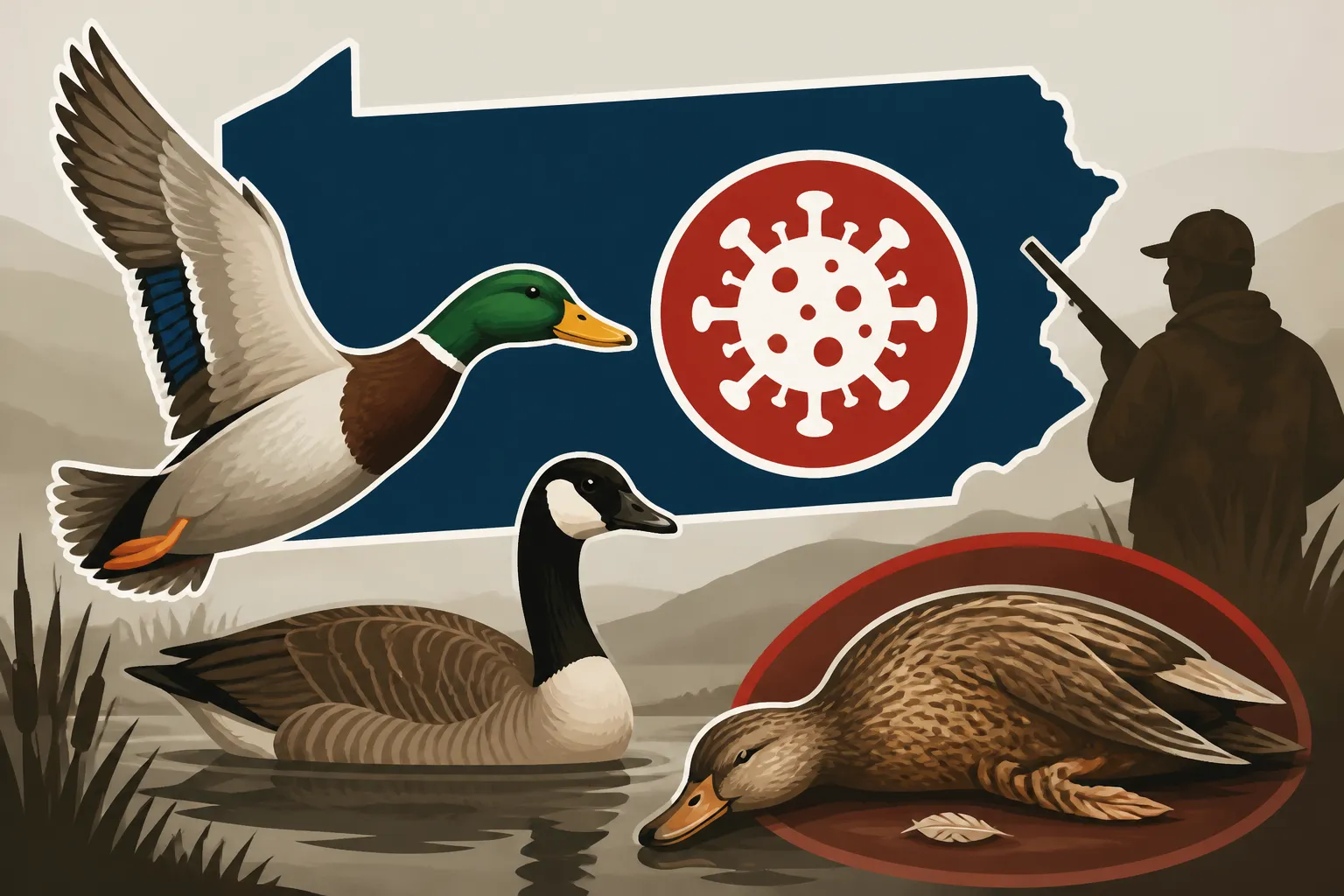
Avian Influenza in Pennsylvania Birds
It's always a bit unnerving when something new or unfamiliar starts impacting the wildlife we cherish and pursue. For those of us who spend countless hours in the Pennsylvania woods and wetlands, the news of avian influenza, or bird flu, can certainly raise a lot of questions and, let's be honest, a few worries. This guide is here to break down what avian influenza means for Pennsylvania's birds, what you, as a hunter, need to know, and how to stay safe while continuing to enjoy our incredible outdoor heritage.
Understanding Avian Influenza (Bird Flu) in Pennsylvania
Avian influenza is one of those phrases that can sound quite scary, especially when you hear about it affecting bird populations. But by understanding what it is, we can approach it with knowledge rather than fear.
What is Avian Influenza and How Does it Spread?
Avian influenza (AI), often called bird flu, is a group of viruses that primarily infect birds. These viruses are naturally found in wild aquatic birds worldwide, like ducks, geese, and shorebirds, and they usually don't cause severe illness in these carriers. Think of them as the healthy travelers of the bird world, sometimes carrying a bug that doesn't really bother them but could be problematic for other species.
There are many different strains of avian influenza, but some are more concerning than others. The highly pathogenic avian influenza (HPAI) strains are the ones that can cause severe disease and high mortality in domestic poultry and, at times, in certain wild bird species. When these viruses get into a flock of backyard chickens or commercial turkeys, they can spread like wildfire, causing devastating losses.
In the wild, the virus typically spreads through direct contact between infected birds, but it can also spread through contact with contaminated surfaces, water, or droppings. Migratory waterfowl play a crucial role in spreading the virus across vast geographical areas. They can carry the virus for long distances without showing symptoms, essentially acting as flying reservoirs. When these birds congregate in wetlands and stopover points, they can easily transmit the virus to other susceptible birds, including non-migratory species and even some predatory birds that feed on infected carcasses. It's a complex web, and Pennsylvania, sitting right in the path of the Atlantic Flyway, is naturally a stop for many of these travelers. Pennsylvania Waterfowl on the Atlantic Flyway details some of these fascinating journeys.
Signs and Symptoms in Wild Birds
One of the biggest concerns for hunters is recognizing if a bird they encounter or harvest might be sick. It's important to remember that not all infected birds will show obvious signs, especially the wild waterfowl that often carry the virus without getting very ill. However, when HPAI strains affect wild birds, particularly species like raptors, gulls, and sometimes even wild turkeys, the symptoms can be quite noticeable.
Look out for birds that appear lethargic, disoriented, or are having trouble standing or flying. You might see birds with swollen heads, eyelids, combs, or wattles. They might also exhibit neurological signs, like tremors, circling, or a twisted neck. Respiratory distress, such as coughing or sneezing, can also be present. In some cases, you might simply find multiple dead birds in an area without any clear signs of trauma. This kind of mass mortality, especially among specific species, is a red flag. For instance, a sudden die-off of geese in a particular pond should certainly grab your attention. It's always a good idea to pay attention to your surroundings and be aware of any unusual wildlife behavior.
How Avian Influenza Affects Pennsylvania's Bird Populations
While avian influenza is a global phenomenon, its impact varies by region and by the specific bird species present. In Pennsylvania, our diverse bird populations mean that different groups face different levels of risk and impact.
Impact on Waterfowl and Wild Turkeys
Waterfowl, as mentioned, are often the primary carriers of avian influenza, especially low pathogenic strains, and often show minimal to no clinical signs. However, highly pathogenic strains can sometimes cause mortality events in certain waterfowl species, though it's less common than in domestic poultry. When outbreaks occur, you might see localized die-offs, particularly among ducks and geese. The good news is that wild waterfowl populations are generally resilient, and while local impacts can be concerning, widespread, long-term population declines directly from AI haven't been the dominant trend historically.
Wild turkeys are a different story. They can be quite susceptible to HPAI strains. Turkey flocks, particularly where they are dense, can experience significant mortality if the virus is introduced. This is especially concerning for states like Pennsylvania, where wild turkey hunting is a cherished tradition and populations are carefully managed. While the impact can be severe in localized areas, state wildlife agencies, including the Pennsylvania Game Commission (PGC), are diligently monitoring the situation. Understanding Wild Turkeys in Pennsylvania and Pennsylvania Turkey Population Trends gives us a good baseline for appreciating the importance of this monitoring. Any widespread illness could potentially impact nesting success or flock survival, but ongoing surveillance helps to catch and understand these events.
Monitoring Efforts by the PGC
The Pennsylvania Game Commission takes avian influenza very seriously, just as they do with other wildlife diseases like Chronic Wasting Disease (CWD) in deer. Their wildlife biologists and staff are on the front lines, conducting surveillance to track the presence and spread of the virus. This involves collecting samples from wild birds, both live and deceased, and working closely with diagnostic labs.
The PGC communicates with hunters and the public about current outbreaks or concerns, providing guidelines for safety and reporting. They are part of a larger national network of state and federal agencies dedicated to monitoring wildlife health. This collaborative approach is vital because migratory birds don't respect state lines. For instance, if an outbreak occurs in a southern state along the Atlantic Flyway, the PGC will be keenly aware of the potential for the virus to move north as birds migrate. This active monitoring allows for informed decision-making and helps protect both wild bird populations and domestic poultry. You can learn more about general efforts to track wildlife health in Pennsylvania Wildlife Disease Monitoring.
What Hunters Need to Know About Avian Influenza
As hunters, we're often the first eyes on the ground in remote areas. Our diligence and adherence to safety protocols are crucial for both our health and the health of the wildlife we interact with.
Safety Precautions for Handling Wild Birds
The risk of avian influenza transmission to humans from wild birds is considered very low, but it's not zero. The most important thing is to minimize direct contact with sick or dead birds. If you encounter a bird that appears sick or has died without obvious cause, do not handle it with bare hands.
Here are some key precautions to follow:
- Wear Gloves: Always wear disposable gloves when handling any wild game, especially waterfowl and other game birds, from the moment you retrieve them until you've finished field dressing.
- Wash Hands Thoroughly: After handling birds, even with gloves, wash your hands thoroughly with soap and water for at least 20 seconds. If soap and water aren't available, use an alcohol-based hand sanitizer.
- Clean and Disinfect Tools: Clean and disinfect all equipment, tools, and surfaces that come into contact with wild birds (knives, cutting boards, decoys, etc.). A solution of one part bleach to ten parts water is an effective disinfectant.
- Avoid Contact with Sick/Dead Birds: Do not harvest birds that appear sick or behave unusually. If you find a dead bird, do not touch it.
- Process in a Well-Ventilated Area: When cleaning birds, do so outdoors or in a well-ventilated area to minimize aerosolized particles.
- Dispose of Carcasses Properly: If you're field dressing birds, bury the entrails or double-bag them and dispose of them with your household trash. Do not leave carcasses in the field where scavengers could spread the virus.
These practices aren't just for avian influenza; they're good hygiene for all wild game handling and help prevent the spread of various pathogens.
Reporting Sick or Dead Birds
Your eyes and observations are incredibly valuable to wildlife agencies. If you encounter sick or dead wild birds, especially if it's multiple birds or large birds like turkeys, raptors, or waterfowl, it's vital to report it. Do not attempt to collect the bird yourself.
How to Report:
Contact the Pennsylvania Game Commission directly. They have specific procedures for handling these reports and will investigate as needed. You can usually find contact information for your regional PGC office on their website. It's helpful to provide precise details, including the location (GPS coordinates are best!), species involved, the number of affected birds, and a description of their symptoms or the scene. This information helps biologists track potential outbreaks and understand the scope of the problem. Your quick thinking can make a real difference in monitoring wildlife health. Reporting a Sick Animal in Pennsylvania offers more detailed guidance on this important step.
Can Hunters or Their Dogs Get Sick?
While the risk to humans is considered very low, it's something to be aware of. Most human infections with avian influenza viruses have occurred in people who had close, prolonged, and unprotected contact with infected poultry (e.g., handling sick birds, butchering infected birds). The chance of a hunter contracting AI from wild birds in Pennsylvania is extremely remote, especially if you follow the recommended safety precautions. The Centers for Disease Control and Prevention (CDC) provides ongoing updates and guidance on human health risks.
What about our canine companions? Dogs can potentially be infected with avian influenza, though severe illness is uncommon, and their role in transmitting the virus to humans is not well understood. However, if you're hunting with a retriever, for example, and they come into contact with an infected bird, there's a theoretical risk of them picking up the virus. The same precautions apply: if your dog retrieves a bird, make sure to wash your hands after handling both the bird and your dog. If you notice any unusual sickness in your dog after a hunt where AI might have been present, a visit to the vet is a good idea. For the most part, though, common sense hygiene will keep both you and your loyal hunting buddy safe.
Avian Influenza and Your Hunting Decisions
Beyond just knowing about the virus, it's about making smart choices in the field and at home to ensure a safe and successful hunting experience.
Field Dressing and Processing Game Birds
The field dressing and processing steps are where most of your direct contact with a harvested bird will occur. Maintaining strict hygiene here is paramount.
- Gloves, Gloves, Gloves: Seriously, wear those disposable gloves from start to finish.
- Cleanliness is Key: Use sharp, clean knives. Avoid cross-contamination by keeping your processing area tidy. Don't let raw meat touch surfaces that will later contact cooked food without thorough cleaning.
- Examine the Bird: Before you start, give your harvested bird a quick inspection. Do the internal organs look healthy? Is there anything unusual, like lesions or discoloration? If a bird looks unhealthy on the inside, it's best to discard it and report your findings to the PGC. Don't risk it.
- Separate from Other Foods: Keep your harvested game birds separate from other foods in your cooler or vehicle until they are properly stored or cooked.
- Cool Quickly: Rapidly cool your birds after harvest, especially in warmer weather, to inhibit bacterial growth.
By taking these steps, you not only reduce the risk of AI transmission but also ensure the quality and safety of your game meat.
Cooking Wild Game Safely
Proper cooking is the ultimate safeguard against any potential pathogens in wild game, including avian influenza. The virus is highly susceptible to heat.
- Cook Thoroughly: All wild game, including waterfowl and turkey, should be cooked to an internal temperature of at least 165°F (74°C). This temperature effectively kills viruses and bacteria.
- Use a Meat Thermometer: Don't guess! A meat thermometer is your best friend in the kitchen to ensure your game reaches a safe internal temperature, especially for larger cuts or whole birds.
- Avoid Pink Meat: While some people prefer their beef a bit rare, that's not the case for poultry. Make sure there's no pink meat and juices run clear.
- Clean Utensils and Surfaces: After handling raw game meat, ensure all cutting boards, utensils, and surfaces are thoroughly washed with hot, soapy water and disinfected before preparing other foods.
Enjoying a meal of Cooking a Wild Turkey Breast or duck you harvested is one of the great joys of hunting, and by following these simple cooking guidelines, you can do so with confidence.
Staying Informed with Reliable Sources
The situation with avian influenza can change, sometimes quickly. Staying up-to-date with current information from official and reliable sources is key.
- Pennsylvania Game Commission: The PGC website is your primary source for information specific to Pennsylvania, including any current alerts, guidelines, or reporting procedures. They're the boots on the ground, so to speak.
- Pennsylvania Department of Agriculture: This department often collaborates with the PGC, especially concerning the health of domestic poultry, and can offer additional insights.
- Federal Agencies: The Centers for Disease Control and Prevention (CDC) and the U.S. Department of Agriculture (USDA) provide broader national and international information on avian influenza, including human health risks and poultry industry impacts.
- Reputable Outdoor Media: Reputable outdoor media outlets, especially those with a strong focus on conservation and science, can help distill information. Sites like GoHunt often share articles or news updates that synthesize information from official sources, making it easier for hunters to grasp the situation without sifting through technical reports. Just be sure the information they share comes directly from or references official wildlife and health agencies.
By staying informed and adhering to basic hygiene and safety practices, Pennsylvania hunters can continue to enjoy their passion while doing their part to monitor and manage wildlife health.
| Symptom Category | Observable Signs in Birds | Hunter Action |
|---|---|---|
| General | Lethargy, weakness, ruffled feathers | Do not harvest. Report to PGC. |
| Neurological | Tremors, circling, twisted neck, disoriented | Do not harvest. Report to PGC. |
| Respiratory | Coughing, sneezing, difficulty breathing, nasal discharge | Do not harvest. Report to PGC. |
| Physical | Swollen head, eyelids, comb, wattles; discolored or bruised skin | Do not harvest. Report to PGC. |
| Mortality | Multiple dead birds in an area without obvious injury | Do not touch. Note location. Report to PGC immediately. |
| Normal Bird | Active, alert, healthy plumage, no unusual behavior | Proceed with caution and standard hygiene (gloves, wash hands, cook thoroughly). |
Disclaimer
This article is for general informational purposes only and does not constitute professional advice. Laws, prices and regulations vary by location and change over time. Consult a qualified professional for guidance on your specific situation.