Pennsylvania Deer Herd Size
One of the most common questions I hear from fellow hunters, year after year, especially as we get closer to season, revolves around the deer we pursue: "How many deer are actually out there?" It’s a completely natural curiosity, and frankly, a vital piece of information that can heavily influence how and where we hunt. Understanding the current Pennsylvania deer herd size isn't just about satisfying a statistician; it's about making informed decisions in the woods. This guide aims to pull back the curtain on how Pennsylvania’s whitetail population is estimated, what those numbers truly mean, and how they should shape your hunting approach.
Understanding Pennsylvania's Deer Population Estimates
For most of us, when we think about deer numbers, we often just consider the deer we see or the deer we harvest. But the reality is far more complex, and wildlife agencies like the Pennsylvania Game Commission (PGC) use sophisticated methods to get a handle on what's truly out there. These estimates are crucial for setting harvest quotas, adjusting antlerless tag allocations, and ensuring the long-term health of our whitetail resource.
How the Game Commission Counts Deer
It's a common misconception that the Game Commission literally counts every deer in the state. Imagine the logistics of that! Instead, they rely on a combination of scientific methods and hunter-supplied data to develop their population models. One of the primary tools they use is the "deer harvest mortality" model. This model takes into account reported harvests, both antlered and antlerless, as well as non-hunting mortalities like deer-vehicle collisions. By understanding how many deer are removed from the population each year, and combining that with factors like fawn recruitment and overwinter survival, biologists can estimate the total population.
They also use habitat assessments to determine the carrying capacity of different regions, understanding that a sprawling forest can support a different density of deer than a mosaic of agricultural fields and woodlots. This information helps them fine-tune their estimates and apply them to specific Wildlife Management Units (WMUs). You might be interested in delving deeper into How the Game Commission Counts Deer if you've ever wondered about the specifics of these methods. It’s a fascinating blend of science and real-world observation that influences the health of our herd.
The Difference Between Population and Harvest Numbers
It’s absolutely critical to distinguish between the estimated deer population and the annual deer harvest numbers, because they tell very different stories. The deer population is the total number of deer estimated to be alive within a specific area at a given time – usually pre-season. This figure represents the overall health and abundance of the herd. The deer harvest number, on the other hand, is the total count of deer actually taken by hunters during a season, which is then reported to the Game Commission.
A high harvest number doesn't always mean a high population, just as a low harvest doesn't necessarily mean a low population. Hunter effort, weather conditions, and changes in regulations can all significantly influence harvest figures, even if the underlying population remains relatively stable. For example, a severe winter could lead to higher natural mortality, impacting the population, which would then be reflected in subsequent harvest recommendations. Always look at both numbers to get a comprehensive picture. For those curious about the state's success, you can check out the details on the Pennsylvania Annual Deer Harvest.
Reading the Annual Harvest Report
When the Pennsylvania Game Commission releases its annual harvest report, it can feel like a jumble of figures if you don't know what you're looking for. The report typically breaks down harvests by WMU, gender, and antlered vs. antlerless categories. It will show you how many bucks and does were taken in your specific hunting area, and often, how that compares to previous years. This historical data is invaluable.
Pay close attention to the antlerless harvest figures in your WMU. These numbers are often the best indicator of how aggressively the Game Commission is trying to manage the deer population in that particular area. A high allocation and harvest of antlerless deer usually means the PGC believes the population is at or above desired levels for that habitat. Conversely, a lower antlerless harvest might suggest management is focused on allowing the herd to grow or stabilize. For those using advanced tools, services like GoHunt might offer overlays or analysis that simplify these reports, allowing you to quickly visualize trends in specific WMUs before you even lace up your boots.
Factors Influencing Pennsylvania's Deer Herd Size
Pennsylvania's whitetail herd doesn't exist in a vacuum. Its size and health are constantly shaped by a complex interplay of environmental conditions, human management decisions, and natural challenges. Understanding these influences helps paint a clearer picture of why deer numbers fluctuate and what we can expect to see in the woods.
Habitat and Food Availability
The old adage "habitat is king" holds profoundly true for deer populations. The quality and quantity of available food and cover directly dictate how many deer a landscape can support. In Pennsylvania, our diverse topography offers a mix of mature hardwood forests, regenerating clearcuts, and fertile agricultural lands.
- Forest Lands (Big Woods): Areas like the Pennsylvania Wilds, dominated by extensive forests, often have lower deer densities simply because the food resources are spread out and less nutritious than agricultural areas. Here, deer rely heavily on mast crops like acorns and beechnuts. When the What Changes When Beech Nuts Drop or acorns fail, deer can face significant challenges. Regenerating clearcuts, however, can be deer magnets, providing dense cover and abundant browse.
- Farm Country: Southern Pennsylvania's rolling farmlands, with their vast fields of corn, soybeans, and alfalfa, provide an incredibly rich food source. This abundance often leads to higher deer densities and, as many hunters will attest, bigger-bodied and bigger-antlered deer. These areas present unique challenges and opportunities, as discussed in Hunting a Standing Cornfield in Farm Country.
The Game Commission often uses habitat assessments to understand the carrying capacity of different WMUs, ensuring that deer populations don't overgraze vegetation, which could harm both the deer and other wildlife species.
Hunting Pressure and Antler Restrictions
Hunting has been, and continues to be, the primary tool for managing Pennsylvania's deer herd. The number of hunters, the length of seasons, and the specific regulations all play a significant role in influencing deer numbers.
- Antler Restrictions: The implementation of antler restrictions many years ago was a monumental shift in Pennsylvania deer management. The goal was to allow more bucks to survive their first year or two, leading to an older age structure and theoretically, bigger antlers. This has undeniably changed the buck-to-doe ratio and the average age of bucks harvested, which in turn influences breeding dynamics and overall herd health. Understanding Buck Age Structure Since Antler Restrictions can provide valuable context to these changes.
- Antlerless Allocations: The number of antlerless tags issued for each WMU is the Game Commission's most direct lever for controlling the overall deer population. If deer numbers are deemed too high, more tags are allocated; if they're too low, fewer are made available. This is a critical factor for managing the herd locally. Learning How Pennsylvania Antlerless Licence Sales Work is crucial for any hunter wanting to understand management strategies.
Managing hunting pressure also includes considering factors like Hunting Sundays in Pennsylvania for the First Time, which expands hunting opportunities and could potentially impact harvest rates. All these elements are balanced to maintain a healthy and sustainable deer population.
Disease and Predation
Beyond habitat and hunting, natural factors like disease and predation also play a significant, albeit often more unpredictable, role in shaping Pennsylvania's deer herd.
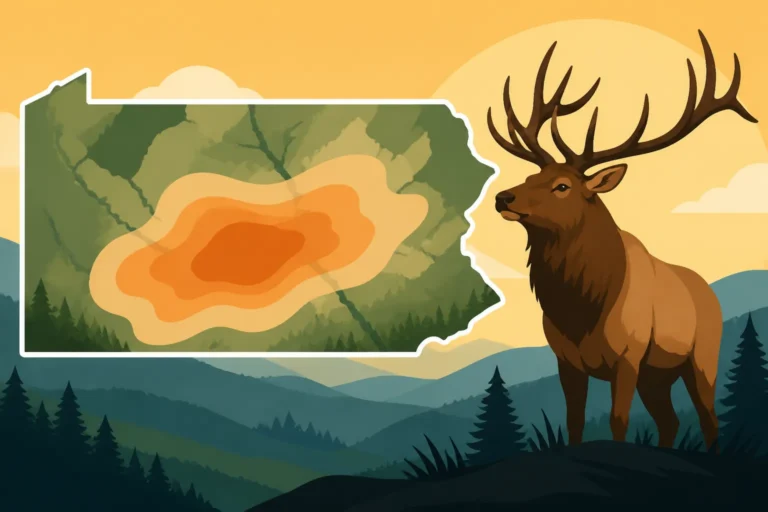
- Chronic Wasting Disease (CWD): CWD is an ever-present concern for wildlife managers and hunters alike. This neurological disease is fatal to deer and elk and has the potential to devastate local populations. Once established, it's incredibly difficult to eradicate, and its spread is monitored closely. Hunters in Which Counties Are in a Pennsylvania DMA (Disease Management Area) face special regulations, including restrictions on moving carcasses and mandatory testing, all designed to slow its spread and protect the wider herd. This disease highlights the fragility of wildlife populations.
- Predation: Pennsylvania is home to several natural predators of deer, primarily black bears and coyotes. While adult, healthy deer are generally safe, fawns are particularly vulnerable. Black bears are known to prey on fawns, especially in spring and early summer. Coyotes, too, can impact fawn survival, especially in areas with high coyote populations. While predation rarely controls an entire deer population on its own, it can be a significant factor in localized areas, particularly when combined with other stressors like harsh winters or poor habitat quality. Understanding Pennsylvania Coyote Range and Numbers can give you an idea of where this pressure might be more prevalent.
These natural pressures are a constant reminder that wildlife management is a dynamic process, requiring continuous monitoring and adaptive strategies to safeguard the deer herd for future generations.
What Current Deer Herd Numbers Mean for Your Hunt
So, you've looked at the numbers, you've considered the factors at play – now what? How do these abstract figures translate into practical decisions when you're standing at the edge of the woods, ready to hunt? Understanding the nuances of deer population estimates can give you a significant edge in planning your season.
High vs. Low Density WMUs
Pennsylvania is a big state, and deer numbers aren't uniform across all its WMUs. Some areas, particularly those with a blend of agriculture and mixed hardwoods, consistently report higher deer densities. Other WMUs, often found in the more rugged, heavily forested "big woods" regions, tend to have lower densities.
- High-Density WMUs: In WMUs with higher deer populations, you're likely to see more deer, have more opportunities for encounters, and potentially a higher success rate. However, these areas can also experience higher hunting pressure, and the deer might be warier. Your strategy here might focus on identifying hidden pockets of cover, understanding deer movement between food and bedding areas, and utilizing tactics like still-hunting or ground blinds on field edges. The Hunting Pennsylvania Farm Country Edges guide offers excellent advice for these scenarios.
- Low-Density WMUs: Don't count out the lower-density WMUs, especially if you're chasing mature bucks. While you might see fewer deer overall, these areas often produce older, larger-antlered bucks precisely because they've avoided hunters longer. Hunting these areas requires more patience, extensive scouting, and often, covering more ground. Focus on finding key terrain features like benches, saddles, and creek bottoms where deer funnel. This is where tools like GoHunt can shine, allowing you to scout vast public lands digitally, identifying potential travel corridors and bedding areas even before you step foot in the woods, helping you find those low-pressure honey holes.
Knowing the general deer density of your target WMU is the first step in tailoring your hunting plan for success. It influences everything from how much ground you'll cover to the type of stand you might hang.
Impact on Hunting Strategy
Translating deer population data into a coherent hunting strategy is where the rubber meets the road. If you know your WMU has a robust deer population, your focus might shift from simply finding a deer to finding a specific kind of deer, perhaps an older buck. You might be more selective, passing younger animals in hopes of encountering a mature one, knowing that opportunities will likely arise.
Conversely, in areas with lower deer numbers, every sighting becomes more precious. Your strategy might prioritize maximizing legal harvest opportunities, regardless of antler size, especially if you're hunting for venison. This could mean longer sits, more aggressive calling, or focusing on prime food sources during peak movement times. For example, understanding Hunting the Peak Rut Week in Pennsylvania becomes even more critical in lower-density areas, as it represents a condensed window of increased deer activity. Similarly, in areas with abundant deer, understanding how to manage Deer Drives With Three or Four Hunters can be a highly effective way to increase success.
| WMU Type | Deer Density | Typical Hunting Experience | Strategic Implications |
|---|---|---|---|
| Farm Country | High | More sightings, potential for larger-bodied deer | Focus on field edges, pinch points, cover blocks. Be selective. |
| Big Woods | Low | Fewer sightings, older age structure bucks, more challenging | Extensive scouting, focus on remote areas, terrain features, patience. |
| Mixed Forest/Ag | Moderate | Balanced opportunities, varying pressure | Adapt to local conditions, utilize both field edge and timber tactics. |
This table serves as a general guide, but local conditions, food sources, and hunter access will always play a role.
Long-Term Trends and Future Outlook
Deer management is a continuous balancing act. The Game Commission constantly monitors population trends, harvest data, and environmental factors to make adjustments. The goal isn't just to provide hunting opportunities for the current year, but to ensure a healthy and sustainable deer herd for generations to come.
Understanding these long-term trends is important. Are deer numbers increasing or decreasing in your area over a five or ten-year span? Are antlerless allocations consistently high, indicating sustained pressure to reduce the herd, or are they tightening, suggesting a need for population growth? Factors like the spread of CWD or significant changes in habitat (such as widespread logging or new development) can dramatically alter these trends. By staying informed, hunters can better anticipate future regulations and contribute to responsible wildlife stewardship. The future of White-Tailed Deer Across Pennsylvania rests on sound management and informed hunter participation.
Ultimately, the Pennsylvania deer herd is a dynamic and resilient population. By paying attention to the details provided by the Game Commission and understanding the ecological forces at play, we can all become more effective and responsible hunters, ensuring that the thrill of chasing whitetails remains a cherished tradition in the Keystone State.
Disclaimer
This article is for general informational purposes only and does not constitute professional advice. Laws, prices and regulations vary by location and change over time. Consult a qualified professional for guidance on your specific situation.