Feral Swine and Pennsylvania Wildlife
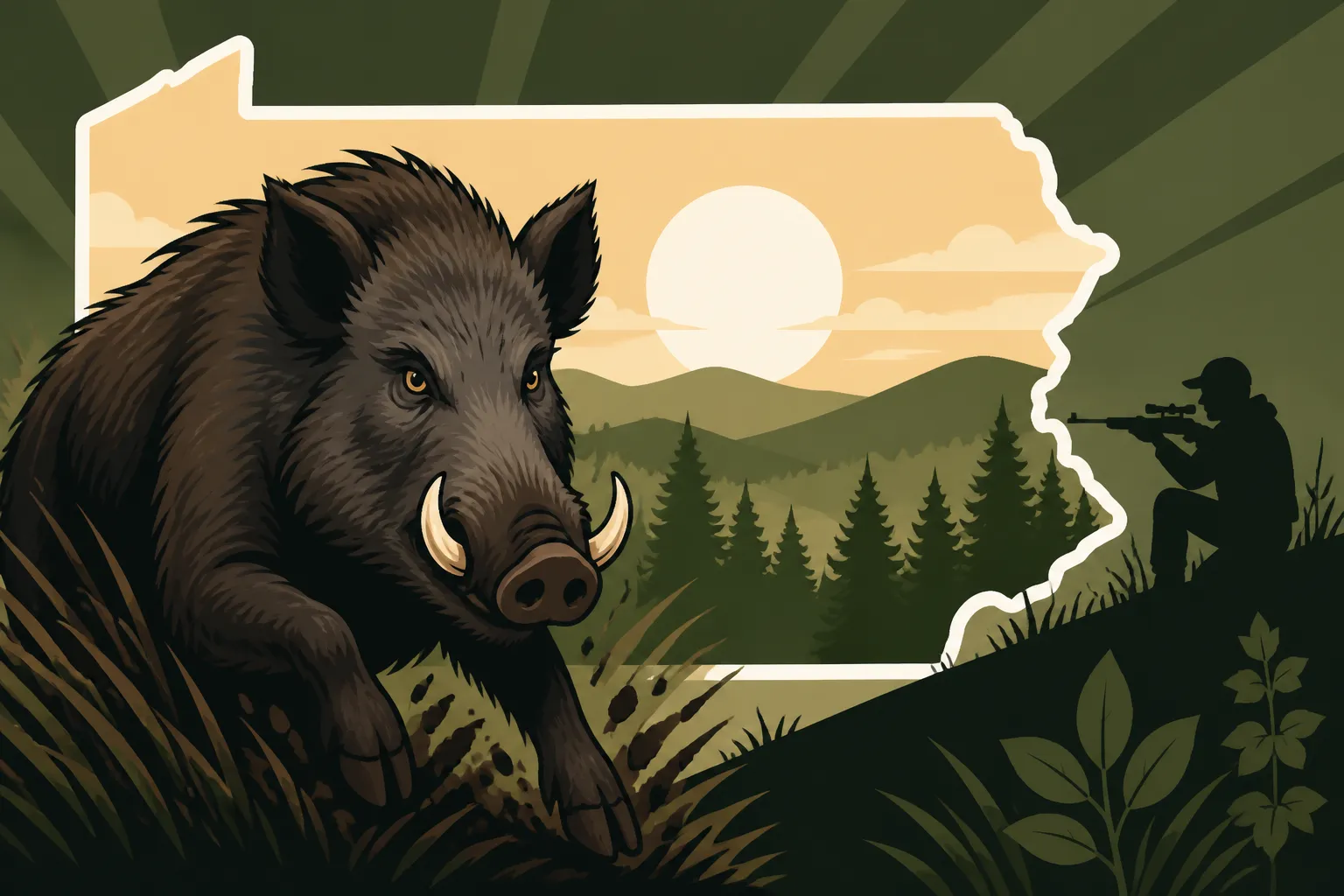
The sight of a wild pig, often called a feral hog or feral swine, might seem like something out of a southern state, but the unfortunate reality is that these destructive invaders are making their presence known in various corners of Pennsylvania. Their rooting, wallowing, and aggressive foraging habits are causing significant damage to our natural ecosystems, agricultural lands, and native wildlife populations. This comprehensive guide will explore the history of feral swine in the Commonwealth, delve into the extensive problems they create, and outline the crucial steps hunters and landowners can take to help manage this burgeoning threat.
The Invasive Threat of Feral Swine in Pennsylvania
For many years, Pennsylvania was largely spared the widespread issues associated with feral swine that plague states further south. However, their increasing presence is a serious concern, posing a unique challenge to our state's rich natural resources and delicate ecological balance. Understanding what these animals are and how they came to be here is the first step in appreciating the scale of the problem.
What Exactly Are Feral Swine?
When we talk about "feral swine," we're not just referring to a domestic pig that got loose from a farm. While escaped domestic pigs can certainly contribute to the problem, feral swine often represent a complex genetic mix. They can be purebred domestic swine that have reverted to a wild state, European wild boar, or, most commonly, hybrids resulting from crosses between the two. This genetic diversity makes them incredibly resilient, adaptable, and often more aggressive than their purely domestic counterparts.
Their appearance can vary widely, from black, bristly beasts resembling their wild boar ancestors to spotted or reddish hogs that betray their farm origins. What unites them, regardless of their looks, is their wild behavior. They form sounders (groups), typically led by an older female, and possess an uncanny ability to survive and thrive in diverse habitats, from dense woodlands to agricultural fields. Their tusks, which are elongated canine teeth, grow continuously and are sharpened by rubbing them together, making them formidable tools for defense, digging, and fighting.
How Feral Swine Arrived and Spread
The presence of feral swine in Pennsylvania is primarily due to two main factors: escapes from private captive facilities and, more disturbingly, illegal releases by individuals. In some cases, people have intentionally released these animals for hunting purposes, often without fully understanding or caring about the long-term ecological consequences. Once established, even a small founding population can quickly explode.
Feral swine are notorious for their prolific breeding. Sows can begin reproducing as young as six months old, have multiple litters a year, and produce large litters, often ranging from four to twelve piglets. This rapid reproductive rate, combined with their adaptability and lack of natural predators in many areas, allows their populations to grow exponentially in a very short time. Areas with suitable cover, abundant food sources, and relatively mild winters can become hotspots for population growth. The issue isn't contained to one region; sightings and control efforts have occurred in various counties, highlighting the pervasive nature of their spread.
The Silent Invasion: Why They're a Problem
Feral swine are classified as an invasive species, and for good reason. Unlike native wildlife that has evolved within the existing ecosystem, feral swine are outsiders that disrupt virtually every aspect of their environment. They are opportunistic omnivores with a voracious appetite, capable of consuming almost anything nutritious they encounter, from plant roots and seeds to insects, eggs, and even small mammals and fawns.
Their destructive habits aren't limited to what they eat. Their constant rooting behavior, digging up soil in search of food, can turn lush fields into barren wastelands in a single night. This activity disrupts soil structure, damages root systems, and promotes erosion. They also create wallows, muddy depressions where they cool themselves, which can contaminate water sources and destroy wetland habitats. The silent invasion of feral swine poses a direct threat to the integrity of Pennsylvania's forests, farmlands, and waterways, leaving a trail of devastation wherever they establish a foothold.
Devastating Impacts on Pennsylvania's Ecosystems and Wildlife
The ecological damage inflicted by feral swine is extensive and far-reaching, affecting everything from the smallest insects to mature timber. Their presence fundamentally alters habitats and introduces significant stressors to native species that are ill-equipped to compete or cope with these aggressive invaders.
Habitat Destruction and Soil Damage
One of the most visually striking impacts of feral swine is their incredible ability to devastate habitats through rooting. Imagine a pristine forest floor, rich with native plants and the delicate network of roots that support them. A sounder of feral hogs can transform this in hours, digging trenches and turning over acres of soil in search of tubers, grubs, and fungi. This rooting destroys native vegetation, damages tree seedlings, and creates a disturbed environment where invasive plant species can take hold.
Beyond the immediate damage to plant life, this constant churning of the soil leads to increased soil erosion, particularly on slopes or near waterways. The exposed soil is more susceptible to runoff, carrying sediment and nutrients into streams and rivers, negatively impacting water quality and aquatic ecosystems. Wallowing, another common behavior, creates muddy pits that can destroy sensitive wetland areas and further contribute to water degradation. This widespread habitat alteration directly affects countless species that rely on these healthy environments for survival, from ground-nesting birds to amphibians and reptiles.
Competition with Native Wildlife for Food
Feral swine are generalist omnivores, meaning they eat almost anything, and this directly puts them in competition with Pennsylvania's native wildlife for vital food resources. They consume acorns, beech nuts, and other mast crops that are critical food sources for deer, bears, turkeys, and squirrels, especially during the lean winter months. When a sounder moves through an area, they can quickly deplete these food sources, leaving little behind for other animals.
Consider the Pennsylvania Deer Population Estimate or the Pennsylvania bear population estimate; these iconic species rely heavily on acorns and other nuts to build fat reserves for winter and reproduction. Feral swine directly compete for these same resources, potentially leading to malnutrition and reduced reproductive success for native game. Furthermore, their opportunistic diet includes the eggs of ground-nesting birds like wild turkeys and ruffed grouse, as well as young fawns and small game. This predation pressure can severely impact local populations, undermining efforts to manage and conserve our cherished native species.
Disease Transmission and Health Risks
Perhaps one of the most insidious threats posed by feral swine is their potential to transmit a wide array of diseases and parasites to both wildlife and domestic livestock, and even to humans. They are known carriers of diseases such as brucellosis, pseudorabies, leptospirosis, E. coli, and tuberculosis. Many of these diseases can be devastating to livestock, causing significant economic losses for farmers.
For native wildlife, the introduction of new pathogens can be catastrophic, especially for populations that have no natural immunity. While Chronic Wasting Disease in Pennsylvania is a well-known concern for deer, feral swine introduce a different suite of disease risks, adding another layer of complexity to wildlife management. Hunters and outdoor enthusiasts also face a risk of exposure through direct contact with infected animals or contaminated environments. This disease transmission potential makes feral swine not just an ecological nuisance, but a serious public health and agricultural concern, underscoring the importance of careful handling of any harvested animal and reporting sick animals. For more information on this, refer to Pennsylvania Wildlife Disease Monitoring and Reporting a Sick Animal in Pennsylvania.
The Threat to Hunting and Agricultural Interests
Beyond the direct ecological damage, feral swine pose a substantial threat to the very fabric of Pennsylvania's outdoor traditions and agricultural economy. Hunters, farmers, and even everyday citizens feel the ripple effects of their destructive presence.
Impact on Game Species
Pennsylvania prides itself on its abundant game species, from the whitetail deer that roam our forests to the wild turkeys that gobble in our spring woods. Feral swine directly impact these populations through competition for food and outright predation. As mentioned, they are fierce competitors for mast crops, reducing the forage available for deer and bears. This can lead to decreased body weights, poorer antler development in bucks, and reduced fawn survival rates for deer.
Furthermore, feral swine are opportunistic predators. They will raid the nests of ground-nesting birds, consuming eggs and young poults, which can severely impact spring gobbler numbers and the recovery of species like the ruffed grouse. They've also been documented preying on young fawns. This additional predation pressure, combined with habitat destruction, places immense stress on Pennsylvania Small Game and Furbearer Seasons and larger game populations, threatening the very wildlife resources that hunters cherish. Managing game species becomes significantly more complex when dealing with an unchecked feral swine population.
Agricultural Damage and Economic Loss
For Pennsylvania's farmers, feral swine are nothing short of a nightmare. These animals can cause catastrophic damage to crops, pastures, and farm infrastructure. A sounder can root up an entire field of corn, soybeans, or potatoes in a single night, destroying months of hard work and investment. Their rooting also damages expensive irrigation systems, fences, and roads.
The financial burden on farmers is substantial, often leading to thousands of dollars in crop loss and repair costs annually. This isn't just a loss for individual farmers; it impacts the local economy and food supply chain. The need for constant vigilance and expensive control measures adds to the already challenging demands of agricultural life. The ability to defend crops against such an intelligent and destructive invader becomes a constant battle, pushing many landowners to their limits.
Water Quality and Infrastructure Concerns
The pervasive rooting and wallowing activities of feral swine have profound negative impacts on water quality across the landscape. As they tear up soil, it becomes loose and prone to erosion, especially during rain events. This leads to increased sediment runoff into streams, rivers, and lakes, making the water cloudy, reducing light penetration for aquatic plants, and smothering important spawning beds for fish.
Beyond sediment, feral swine carry a host of bacteria, including various strains of E. coli, which can contaminate water sources. Their wallows often occur near streams or wetlands, directly introducing pathogens into the aquatic environment. This contamination poses risks to human health, livestock, and other wildlife that rely on clean water. For municipalities and landowners, the cost of mitigating this water pollution can be significant. Furthermore, their destructive rooting can undermine roads, trails, and other infrastructure, leading to costly repairs and maintenance.
Management and Control Efforts in Pennsylvania
Given the severe threats posed by feral swine, state agencies and various partners are actively engaged in efforts to control their populations and prevent further spread. This is a complex undertaking, requiring a multifaceted approach and the cooperation of landowners and the public.
Current Strategies and Challenges
Effective feral swine management in Pennsylvania focuses primarily on eradication where populations are small and containment where they are more established. The primary tool for population control isn't individual hunting, but rather coordinated trapping efforts. Trapping allows for the capture of entire sounders at once, which is far more effective than trying to shoot individual animals, especially given their intelligence and wariness. Agencies often utilize large corral traps equipped with remote cameras and gates that can be triggered once an entire sounder is inside.
However, significant challenges persist. The secretive nature of feral swine, their ability to reproduce rapidly, and the vast, often remote, landscapes of Pennsylvania make detection and eradication difficult. Illegal releases continue to be a problem, constantly reintroducing the threat. Education is key, ensuring that the public understands the ecological damage and legal repercussions of releasing these animals. Furthermore, public awareness is vital to encourage reporting of sightings, which is crucial for early detection and rapid response. While hunters can play a role in opportunistic takes, the sheer numbers and breeding potential mean that solely relying on individual hunting efforts is largely ineffective for population control.
The Role of Hunters in Control Efforts
While professional control efforts, primarily through trapping, are the most effective means of population reduction, hunters have a critical role to play in the overall strategy. First and foremost, hunters are often the eyes and ears on the ground, venturing into remote areas where state agencies might not immediately detect a new sounder. Reporting any sightings of feral swine—whether it's actual animals, fresh tracks, or rooting damage—is absolutely paramount. This information allows wildlife officials to investigate and implement targeted control measures quickly. Many hunters use advanced mapping tools, like those offered by GoHunt, to analyze habitat and pinpoint potential areas where feral swine might be rooting, making such reporting even more efficient.
Hunters who encounter feral swine during legal hunting seasons should be aware of specific regulations regarding their harvest. It's often permitted to take them opportunistically, but regulations can vary. Any harvested animal should be properly handled, and samples may be requested for disease monitoring. It’s important to understand that while an individual harvest is a good thing, it rarely makes a dent in a breeding population. The real power of the hunter lies in their scouting abilities and willingness to report observations accurately. Knowing the Legal Firearms for Pennsylvania Deer and other game species can help hunters be prepared if they encounter feral swine.
Collaborative Efforts and Public Reporting
Controlling feral swine in Pennsylvania is not a task for any single agency or group; it requires extensive collaboration. The Pennsylvania Game Commission, the Pennsylvania Department of Agriculture, and the U.S. Department of Agriculture (USDA) Wildlife Services often work hand-in-hand to coordinate surveillance, implement control strategies, and educate the public. This teamwork ensures that resources are allocated efficiently and that a comprehensive approach is maintained across different land types, including both public and private properties.
The public, especially landowners and hunters, are vital partners in this collaborative effort. Every sighting, every piece of evidence of feral swine activity, needs to be reported promptly to the Pennsylvania Game Commission or USDA Wildlife Services. These reports are invaluable intelligence, guiding trapping efforts and helping to map the current extent of the problem. Utilizing GPS and mapping applications, perhaps from a platform like GoHunt, is crucial for documenting these observations with precise locations. This direct involvement from citizens is what truly empowers effective management and gives Pennsylvania the best chance at mitigating this serious threat. The success of these programs hinges on vigilance and a collective commitment to protecting our state's natural heritage.
What Hunters and Landowners Can Do
Understanding the threat is one thing, but taking action is another. Both hunters and landowners have specific, actionable steps they can take to contribute to the containment and, hopefully, the eventual eradication of feral swine in Pennsylvania.
Identifying Feral Swine Activity
The first step in addressing a feral swine problem is knowing how to identify their presence. They leave behind a distinct trail of destruction that is often unmistakable. Look for signs of "rooting," where the ground has been churned up, often appearing as if a rototiller has been run through the soil. This can occur in forests, fields, or even lawns. Another tell-tale sign is "wallowing," muddy depressions where swine have rolled to cool themselves or remove parasites. These wallows often have mud plastered on nearby trees, which also serves as a rubbing post.
Other signs include distinct tracks—their cloven hooves are typically wider than deer tracks and often show dewclaws more clearly. Droppings can vary but are generally segmented. You might also find evidence of them rubbing on trees or fence posts, or feeding on agricultural crops. This is where detailed scouting and even using services like GoHunt for land analysis can come in handy, helping you pinpoint areas of disturbed ground or potential travel corridors where these destructive animals might be present. Learning to distinguish these signs from those of native wildlife is crucial for accurate reporting.
Reporting Sightings and Damage
Once you've identified feral swine activity, the most important action you can take is to report it immediately. Do not hesitate. Early detection is key to preventing a small, manageable population from exploding into an entrenched problem. Contact the Pennsylvania Game Commission or USDA Wildlife Services with as much detail as possible. This includes the exact location (GPS coordinates are ideal), the date and time of the sighting, the number of animals observed, and a description of any damage seen.
When reporting, be precise. "I saw a hog in the woods" isn't as helpful as "I saw approximately five feral swine, including piglets, rooting extensively near the intersection of State Route 123 and Forest Road A on Tuesday morning, November 14th, at 8:30 AM, about 200 yards from the creek." Photos or videos, if safely obtained, are incredibly valuable. Your report triggers an official response, allowing trained personnel to investigate and implement appropriate control measures, primarily trapping. This proactive reporting is the cornerstone of Pennsylvania's defense against these invasive pests.
Participating in Control Programs and Best Practices
Hunters and landowners also have a role to play in active control and prevention. If feral swine are present on your property or hunting grounds, coordinate with state or federal wildlife agencies. They are the experts in effective population removal. In many cases, agencies will offer assistance with trapping and removal, as they have the specialized equipment and knowledge to do so efficiently. Landowners should consider enrolling their property in programs like the Pennsylvania Hunter Access Program to facilitate managed hunting or control efforts if feral swine become an issue.
For hunters, understanding and adhering to the specific regulations for hunting feral swine is crucial. While opportunistic harvest may be permitted, it's vital to know the rules regarding firearms, seasons, and reporting. Remember that consistent trapping of entire sounders is generally more effective than individual hunting for population control. Never, under any circumstances, participate in or condone the illegal release of feral swine. This practice is not only illegal but directly contributes to the devastating problem we are trying to solve. Finally, ensure proper carcass disposal to prevent disease spread, following guidelines similar to those for Pennsylvania CWD Carcass Rules if in a disease management area, or as advised by wildlife officials.
| Characteristic | Feral Swine | Native White-tailed Deer | Native Black Bear |
|---|---|---|---|
| Diet | Omnivorous: roots, tubers, acorns, crops, insects, eggs, fawns, carrion | Herbivorous: leaves, twigs, acorns, berries, agricultural crops | Omnivorous: berries, nuts, insects, carrion, some vegetation |
| Tracks | Cloven hoof, often wider, dewclaws usually show | Cloven hoof, narrower, dewclaws less often show | Five toes with claws, plantigrade (flat-footed) walk |
| Damage | Extensive rooting, wallowing, crop destruction, rubbed trees (mud) | Browsing (clipped twigs), antler rubs on small trees, some crop damage | Tree claw marks, overturned rocks/logs, some crop damage |
| Breeding | Multiple litters/year, large litters (4-12 piglets), year-round | One or two fawns/year, seasonal (spring) | 2-3 cubs every other year, seasonal (winter denning) |
| Threat | Invasive, habitat destruction, disease carrier, competition, predation | Herbivory impact at high densities | Minor crop damage, occasional livestock predation |
Disclaimer
This article is for general informational purposes only and does not constitute professional advice. Laws, prices and regulations vary by location and change over time. Consult a qualified professional for guidance on your specific situation.