Feral Swine Sightings in Pennsylvania
It's a strange and unsettling thought for many of us Pennsylvania hunters: the idea of feral swine roaming our cherished woods and farmlands. While thankfully not a widespread epidemic like in some southern states, the occasional sighting of these destructive, invasive animals in Pennsylvania is a genuine concern, and it's something every hunter and landowner needs to understand. This guide will delve into what feral swine are, the very real threats they pose to our native wildlife and ecosystems, and what you, as a vigilant member of our hunting community, can do if you suspect their presence in the Commonwealth.
The Troubling Reality of Feral Swine in Pennsylvania
For most of us, when we think of pigs, we think of domesticated livestock. But feral swine are a different beast entirely. They're wild pigs, essentially, descended from domestic hogs that either escaped or were deliberately released, and they've been breeding in the wild for generations. Unlike our native wildlife, which has evolved within the Pennsylvania ecosystem, feral swine are ecological bulldozers, capable of causing immense damage in a surprisingly short amount of time. The good news, for now, is that Pennsylvania doesn't have established, widespread populations like Texas or Florida, but transient groups and isolated incidents are certainly on the radar, making vigilance absolutely paramount.
What Are Feral Swine and Why Are They a Threat?
Feral swine, sometimes called wild boars or razorbacks, are notoriously adaptable and prolific breeders. They can reproduce at an astonishing rate, with sows capable of having multiple litters a year, each producing a significant number of piglets. This rapid reproduction, combined with a lack of natural predators in many areas and their incredible intelligence, makes them incredibly difficult to control once established.
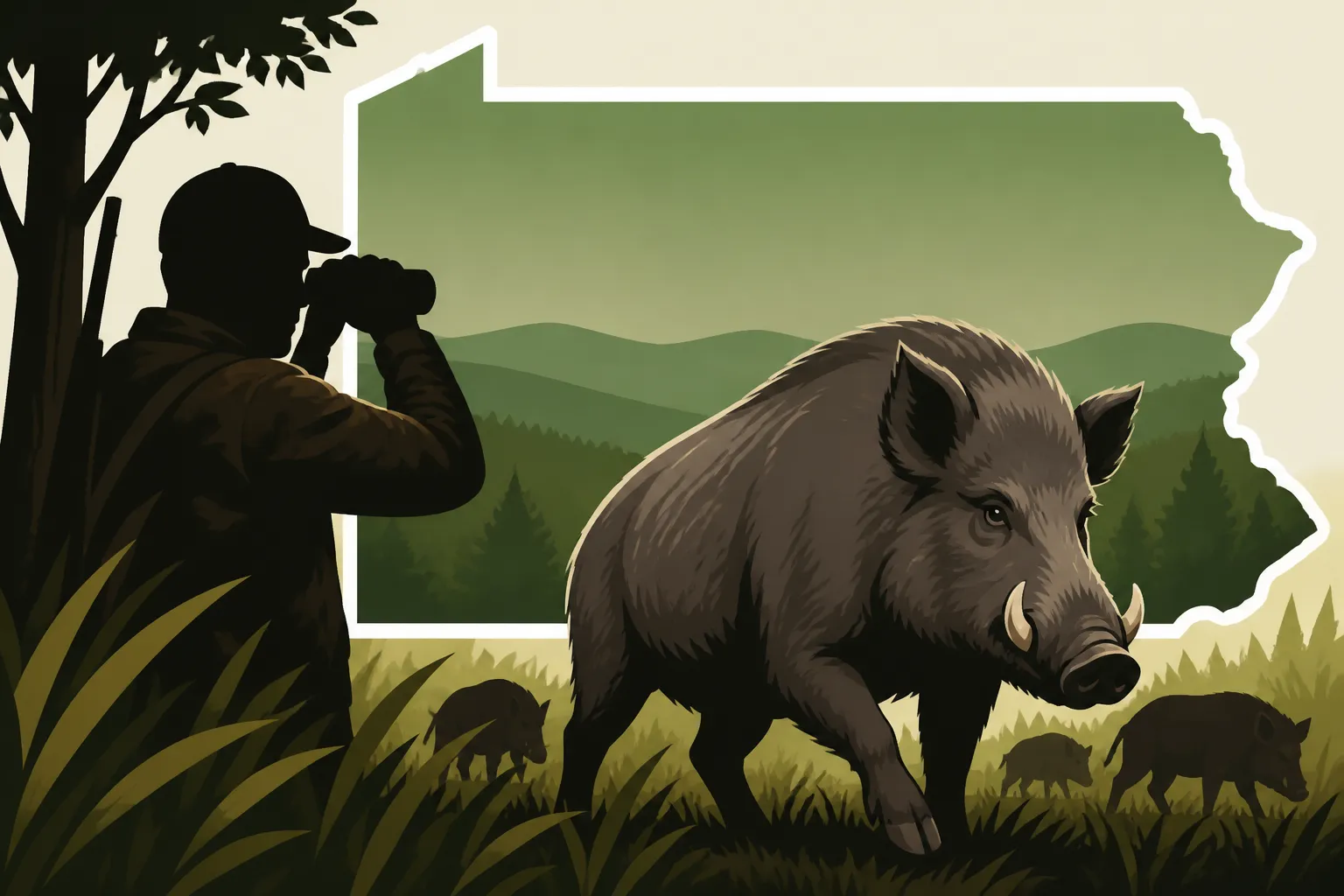
Their appearance can vary wildly, from solid black to spotted, reddish, or even striped like a domestic piglet. They often have longer snouts, coarser hair, and more developed tusks than their farm-raised cousins. The real threat, however, lies in their behavior. They're constantly on the move, rooting relentlessly with their powerful snouts, tearing up fields, forests, and stream banks in their search for food. This rooting behavior doesn't just look messy; it destroys habitats, contaminates water sources, and disrupts delicate ecosystems.
Documented Sightings and Historical Context
While Pennsylvania largely remains free of established, breeding feral swine populations, there have been documented instances of transient groups or individual animals popping up in various regions over the years. These sightings often spark immediate concern and rapid response from state agencies. Sometimes these pigs are "escapees" from small farms or private game reserves, while other times they might be animals that have traveled surprising distances.
The critical distinction is between isolated sightings and an established population. An established population means they are successfully breeding and sustaining themselves in the wild, which is what we absolutely want to prevent. The Pennsylvania Game Commission and the Department of Agriculture take these reports very seriously, understanding the potential for widespread damage if these animals gain a foothold. Hunters who spend countless hours in the woods, often using tools like Scouting Pennsylvania Public Land Before Season or Reading Aerial Photos for Big Woods Deer to understand the landscape, are often the first to notice unusual activity or signs. This is why our collective awareness is so vital.
Understanding the Impact on Our Native Wildlife and Ecosystems
The consequences of feral swine establishing themselves in Pennsylvania would be dire, impacting everything from agricultural production to the health and survival of our beloved native game species. Their destructive habits aren't just an inconvenience; they're a direct threat to the very environment we cherish as hunters and outdoor enthusiasts.
Habitat Destruction and Agricultural Damage
Imagine a pristine forest floor, rich with acorns and herbaceous growth, suddenly churned into a warzone. That's the effect of feral swine rooting. They use their powerful snouts to dig deep into the soil, seeking roots, tubers, grubs, and fungi. This process completely decimates understory vegetation, destroys sensitive wetlands, and can lead to severe soil erosion, especially on slopes. What was once a vibrant feeding ground for White-Tailed Deer Across Pennsylvania or a nesting area for Wild Turkeys in Pennsylvania becomes a barren, muddy mess.
On agricultural lands, the damage can be even more immediate and financially devastating. Farmers can wake up to entire fields of corn, soybeans, or potatoes torn to shreds overnight. Fences are easily breached, and livestock feed can be contaminated. The sheer cost of damage repair and crop loss in states with established populations is staggering, and Pennsylvania farmers absolutely do not need another challenge like this. This rooting also makes it harder for our native small game, like rabbits and squirrels, to find food and cover.
Disease Transmission Risks
Beyond the physical destruction, feral swine are notorious carriers of diseases that can be devastating to both livestock and native wildlife. They can carry a host of pathogens, many of which our native animals have no natural immunity to. Diseases like classical swine fever, African swine fever, swine brucellosis, leptospirosis, and even certain strains of E. coli can be transmitted.
Consider the ongoing battle against Chronic Wasting Disease (CWD) in our deer herd, a topic we often discuss, as detailed in Chronic Wasting Disease in Pennsylvania. The last thing we need is another disease vector introduced into our already challenged wildlife populations. Feral swine can act as reservoirs, spreading these illnesses through direct contact, contaminated food and water sources, and even through their feces. This risk alone is enough to warrant extreme caution and a zero-tolerance approach to their establishment.
Competition with Native Game
Our native wildlife already faces challenges from habitat loss, varying mast crops, and hunting pressure. Introducing a highly adaptable, aggressively omnivorous competitor like feral swine would only exacerbate these issues. Feral swine are voracious eaters, consuming large quantities of acorns, nuts, berries, fungi, roots, and even small animals, bird eggs, and fawns.
This means direct competition for critical food sources with deer, bears (Pennsylvania's Black Bear Population), and turkeys. When food becomes scarce, our native animals suffer, leading to lower reproduction rates, decreased body mass, and increased susceptibility to disease. They can also destroy turkey nests or consume eggs and poults, impacting brood success for our spring gobbler population. Their presence adds another layer of stress to ecosystems that are already carefully managed by the Game Commission and other conservation groups, trying to maintain healthy populations for all of us.
What Hunters and Landowners Can Do: Reporting and Prevention
Given the significant threats posed by feral swine, the most crucial thing for hunters and landowners in Pennsylvania is to be informed, vigilant, and ready to act responsibly. The worst thing we could do is ignore a sighting or attempt to handle it improperly, potentially allowing these animals to establish themselves.
The Critical Role of Reporting Suspected Sightings
If you ever see a pig or signs of pig activity (like extensive rooting, wallows, or tracks) that don't look like they belong to a domestic animal on a farm, do not attempt to approach, trap, or shoot it without proper guidance. The absolute best first step, and the most important, is to report it immediately.
You should contact the Pennsylvania Game Commission (PGC) or the Pennsylvania Department of Agriculture. They have protocols in place for investigating these sightings and are equipped to handle the situation in a way that minimizes risk and maximizes the chance of successful eradication. Providing precise location details, any photos or videos you safely obtain, and a description of the animal or its sign is incredibly helpful. Your report contributes directly to Pennsylvania Wildlife Disease Monitoring and overall species management. For instance, knowing the exact coordinates from your hunting app, like those popular with GoHunt users, can be incredibly beneficial for official response teams.
Preventing Their Establishment and Spread
Prevention truly is the best medicine when it comes to feral swine. Here are a few key practices:
- Secure Livestock and Feed: If you're a landowner with domestic pigs, ensure your enclosures are robust and escape-proof. Store feed securely to prevent attracting wild animals.
- Avoid Illegal Releases: Never, under any circumstances, release domestic pigs into the wild. What might seem like a humane act can quickly become an ecological disaster.
- Be Mindful of Baiting: While baiting for deer is illegal in Pennsylvania (outside of specific CWD disease management areas), any activity that leaves out large quantities of food can inadvertently attract feral swine. Review Pennsylvania Deer Feeding and Baiting Rules to ensure you're compliant and not creating attractants.
- Practice Biosecurity: If you've been hunting or recreating in an area known to have feral swine (perhaps outside of Pennsylvania), clean your boots, vehicles, and equipment thoroughly before entering new areas in the Commonwealth to avoid inadvertently transporting soil or debris that might carry disease or genetic material.
Taking these steps helps protect your property, our native wildlife, and the future of hunting in Pennsylvania.
The Future: Eradication Efforts and Monitoring
Eradicating feral swine, once they become established, is an incredibly challenging and costly endeavor. It's far easier and more effective to deal with isolated incidents swiftly and prevent widespread colonization. This is why coordinated efforts by state agencies are so vital.
Coordinated State and Federal Responses
Pennsylvania is proactive in its approach to feral swine. The Pennsylvania Game Commission, the Department of Agriculture, and sometimes federal partners like USDA Wildlife Services, work together to address reported sightings. This often involves rapid deployment of trapping teams using advanced techniques, including remote-controlled traps, to capture entire sounders (groups of pigs). The goal is always complete eradication of any detected group to prevent them from breeding and establishing a permanent presence. This aggressive response is our best defense against the pervasive problems seen in other states.
This interagency cooperation is crucial because the problem isn't just about wildlife management; it crosses into agricultural health and public safety. Without a unified front, these highly intelligent and adaptable animals could quickly get out of hand.
Challenges of Eradication in Pennsylvania's Landscape
Pennsylvania's diverse and often rugged landscape presents unique challenges for feral swine eradication. The dense forests of the Hunting Pennsylvania Big Woods for Deer, the steep slopes of the Ridge and Valley, and the extensive network of private properties all make tracking and trapping these elusive animals incredibly difficult. They can easily hide in thick cover, navigate challenging terrain, and quickly move between public and private lands.
Furthermore, their intelligence and learning capabilities mean they can become "trap-shy" if initial attempts are unsuccessful, making subsequent efforts even harder. It's a continuous cat-and-mouse game that requires persistence, specialized equipment, and the cooperation of the public. This is why every report matters, and why acting quickly on those reports is absolutely essential to keeping Pennsylvania as free as possible from the serious threats posed by feral swine.
| Impact Category | Specific Threat to Pennsylvania | Mitigating Action for Hunters/Landowners |
|---|---|---|
| Habitat Destruction | Extensive rooting, erosion, wetland damage, loss of native forage. | Report sightings immediately; avoid habitat disruption that might attract them. |
| Agricultural Damage | Crop destruction, fence damage, livestock feed contamination. | Secure properties, report damage, ensure livestock containment. |
| Disease Transmission | Spread of diseases like brucellosis, classical swine fever to wildlife and livestock. | Report sick or dead animals; practice biosecurity; avoid contact. |
| Competition | Outcompeting deer, turkeys, and small game for food (acorns, etc.). | Support eradication efforts; avoid unintentional attractants. |
| Reproduction Rate | Rapid breeding leads to quickly established, hard-to-control populations. | Prompt reporting is critical for early eradication before breeding cycles take hold. |
Disclaimer
This article is for general informational purposes only and does not constitute professional advice. Laws, prices and regulations vary by location and change over time. Consult a qualified professional for guidance on your specific situation.