Pennsylvania Small Game and Squirrels
For many of us who grew up in Pennsylvania, the big game — deer and bear — often steal the spotlight, and it's easy to forget the incredible opportunities that exist right under our noses. Trying to navigate the seasons and regulations for all the different small game species can feel overwhelming, or perhaps you just haven't considered them seriously. But small game hunting offers some of the most accessible, enjoyable, and delicious experiences in the Commonwealth, and this guide is here to break it all down for you, making it simple to get started or rekindle your passion.
The Enduring Appeal of Pennsylvania Small Game Hunting
There’s a certain magic to small game hunting that often gets overlooked in the pursuit of antlers and hides. It’s a chance to slow down, cover ground, and truly connect with the land in a different way. While deer season can feel like a high-stakes chess match, small game hunting often feels more like a vigorous hike with a rewarding purpose, offering consistent action and a different kind of challenge.
More Than Just Deer: The Rich Tradition
Long before Pennsylvania became known for its impressive whitetail population, small game was the bread and butter for many hunting families. Grandparents and great-grandparents honed their skills stalking rabbits in briar patches, flushing grouse from thickets, and quietly slipping through the woods for squirrels. This tradition isn't just about filling the freezer; it's about spending time outdoors, learning the habits of different creatures, and mastering unique skills. It’s a pursuit that fosters patience, keen observation, and often, a closer bond with hunting companions, be they human or canine. The sheer abundance and diversity of small game also mean that even on days when the deer aren't moving, you can still have a fulfilling day afield.
Small game hunting also offers a wonderful entry point for new hunters. The pressure is often lower than big game seasons, and the chances for success, even just seeing game, are much higher. This builds confidence and provides tangible rewards, like a delicious meal, which is incredibly motivating for anyone learning the ropes. It’s a dynamic and active way to hunt, keeping you moving, covering ground, and engaging all your senses, making for a truly immersive outdoor experience.
Accessibility for All: Mentored Hunters and Beyond
One of the greatest benefits of Pennsylvania's small game seasons is their accessibility. Many species have generous seasons and relatively straightforward regulations, making them ideal for hunters of all ages and experience levels. The Mentored Youth Permit program, for example, allows young aspiring hunters to join adults in the field for rabbit, pheasant, squirrel, and other small game, offering a fantastic opportunity for them to learn and participate in a safe, supervised environment. It’s a chance for them to experience the thrill of the hunt, understand wildlife behavior, and develop foundational shooting skills without the added complexities often associated with big game.
Furthermore, small game hunting often doesn't require the same level of specialized or expensive gear that some big game pursuits demand. A basic shotgun, appropriate clothing, and a willingness to walk are often all you need to get started. This lower barrier to entry means more people can participate and enjoy the outdoors. Whether you're a seasoned veteran looking for a change of pace or a new hunter eager to learn, the world of small game in Pennsylvania is wide open and welcoming. The physical demands can also be tailored; you can opt for long, strenuous walks for grouse in rugged terrain, or more relaxed strolls through old fields for rabbits and pheasants.
Understanding Pennsylvania's Key Small Game Species
Pennsylvania is a treasure trove for small game hunters, boasting a diverse array of species that thrive in its varied landscapes. From the dense coverts of the big woods to the brushy edges of farm country, there’s a small game animal for every type of habitat and every hunting style. Knowing your quarry is the first step to successful and enjoyable hunts.
Cottontail Rabbits: Brush Pile Dynamos
The Eastern Cottontail is arguably Pennsylvania's most iconic small game animal, and hunting them is a cherished tradition for many. These quick, elusive creatures are masters of hiding, preferring thick cover found in briar patches, brush piles, overgrown fields, fencerows, and the edges of timber. When flushed, they explode from cover, darting and weaving through obstacles, providing challenging shots. The thrill of a beagle chase, as their excited yelps echo through the woods, culminating in a rabbit circling back to the gunner, is a quintessential Pennsylvania hunting experience. The population generally remains healthy, especially in areas with good habitat connectivity and diverse cover.
Hunters often find rabbits in areas where habitat is undergoing succession, meaning fields that are reverting to forest or areas that have recently been clear-cut and are growing back into thick brush. These areas provide both food and escape cover. A key aspect of rabbit hunting is understanding their preferred habitat; if you're not in the thick stuff, you're probably not in rabbits. The cold winter months, particularly after a fresh snow, are prime for rabbit hunting, as tracks become visible and rabbits are often concentrated in the densest thermal cover. The meat is also incredibly lean and delicious, making for excellent stews and fried dishes.
Ring-necked Pheasants: A Stocked Hunting Experience
While wild pheasant populations have struggled in Pennsylvania due to habitat loss, the Pennsylvania Game Commission (PGC) maintains a robust stocking program, ensuring opportunities for hunters. These beautiful, hard-flying birds are released on numerous State Game Lands and designated public access areas across the Commonwealth, offering a truly unique small game experience. Hunting stocked pheasants is often a social affair, enjoyed with friends and bird dogs, providing ample walking and exciting flushes. The distinctive cackle of a flushed pheasant is a sound that gets any upland hunter's heart racing.
A special pheasant permit is usually required in addition to a general hunting license to pursue these birds. These permits help fund the stocking program, which releases tens of thousands of pheasants each year. You can check the PGC website or use mapping tools like those offered by GoHunt to find specific release sites and dates, helping you plan your hunts effectively. Hunting Stocked Pheasants in Pennsylvania can be a great way to introduce new hunters to upland bird hunting, as the birds often hold well for dogs and offer relatively predictable opportunities. While they may not be "wild" in the traditional sense, the experience is still incredibly engaging and provides plenty of fast-paced action.
Ruffed Grouse: The Elusive King of the Coverts
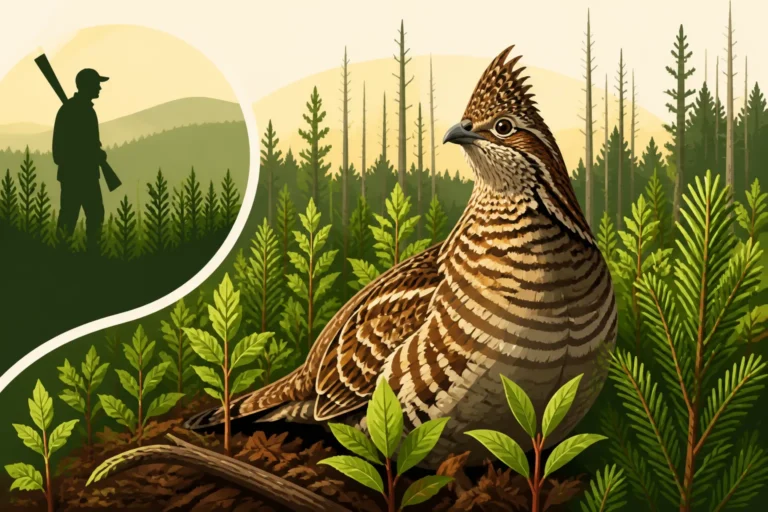
The Ruffed Grouse, Pennsylvania's state bird, holds a special place in the hearts of many upland hunters. Known for its explosive flush and challenging flight through dense timber, the grouse is the ultimate prize for those who appreciate the wildness of the forest. However, unlike rabbits and pheasants, grouse populations have faced significant challenges, primarily due to habitat changes and the impact of West Nile Virus. This makes finding and successfully hunting grouse a testament to a hunter's skill and perseverance. They favor young, regenerating forests, dense thickets, and areas with aspen stands or clear-cuts that provide abundant cover and food sources.
Hunting grouse often means covering a lot of ground in challenging terrain, navigating through thick briars, downed timber, and dense undergrowth. It's a physically demanding pursuit that rewards those who are willing to put in the miles. While population numbers are lower than in past decades, areas with good habitat management, such as those found on some State Game Lands and State Forests, can still offer opportunities. Hunters seeking the ultimate upland challenge will find it in the pursuit of Pennsylvania's ruffed grouse, where every flush is a victory. Check out resources on Grouse Hunting Pennsylvania Cover for more targeted strategies.
Squirrels: Gray and Fox – Accessible and Abundant
Squirrel hunting is often the first foray into hunting for many Pennsylvanians, and for good reason. Both Gray Squirrels and Fox Squirrels are incredibly abundant across the state, providing excellent opportunities for both still-hunting and more active pursuits. Gray squirrels are widespread in mature hardwood forests, particularly those with oak, hickory, and beech trees, which provide their primary food sources. Fox squirrels, while less common than their gray cousins, are often found in more open woodlands, woodlots, and along farm edges in some parts of the state.
Squirrel hunting offers a fantastic way to sharpen observation skills and practice quiet movement through the woods. It's an ideal hunt for beginners, as the long season and generous bag limits allow for plenty of practice. Whether you prefer to sit quietly by a hickory tree on a crisp autumn morning, waiting for the tell-tale rustle of leaves, or actively stalk through timber, squirrels provide engaging and rewarding hunting experiences. The meat is also surprisingly versatile and delicious, making for excellent stews, pot pies, or fried dishes. To learn more about specific techniques, you might want to look into Squirrel Hunting Pennsylvania Hardwoods.
Seasonal Considerations and Best Times to Hunt Small Game
The beauty of small game hunting in Pennsylvania lies in its extended seasons, offering opportunities from early autumn through the depths of winter. Each period presents its own set of conditions, challenges, and rewards, requiring hunters to adapt their strategies and gear. Understanding the nuances of these seasons can significantly improve your chances of success and enjoyment.
Early Season Opportunities: Squirrels and Early Pheasant
The small game calendar in Pennsylvania kicks off in the early fall, often concurrent with the early archery deer season. This is prime time for squirrels, as the leaves are just beginning to turn, and acorns, hickory nuts, and beech nuts are falling, concentrating squirrels in food-rich areas. The weather is usually mild, making for pleasant walks through the woods. A quiet morning sit near a productive nut tree, listening for the distinctive cuttings of a squirrel, can be incredibly rewarding. This period also allows for a more relaxed pace, perfect for introducing new hunters or refining your own woodsmanship skills.
Early pheasant season, usually starting in late October, also provides excellent opportunities. The cover is still dense, which can make birds hold tight, but also makes for challenging flushes. Hunters often pair up with flushing dogs or walk in lines to push fields and coverts. Remember to check the PGC's stocking schedule and use resources like the GoHunt app to pinpoint public lands where pheasants are released. The cooler temperatures of late October are comfortable for both hunters and dogs, making for enjoyable days afield before the deep cold sets in. It's a great time to be out before the pressure of deer season really ramps up.
Mid-Season Strategies: Grouse and Rabbit Tactics
As November arrives and the deer firearms season takes center stage, small game hunting continues strong, often with less pressure on public lands. This mid-season period, extending through December, is fantastic for grouse and rabbits. With many leaves fallen, visibility in the timber improves dramatically, making grouse flushes more manageable, though still lightning-fast. The cooling temperatures encourage grouse to seek out dense thermal cover, such as conifer stands or thick young regeneration, where they can be concentrated. Hunting grouse in these conditions demands stamina and a keen eye.
For rabbits, the mid-season is when the briar patches and thickets truly come alive. Cooler weather makes rabbits more active, and with more cover stripped away, they are more predictable in their movements once flushed. This is also when dog work really shines. Beagles excel at working thick cover and pushing rabbits back towards waiting hunters. Think about hunting on Sundays if allowed for small game, as this opens up additional opportunities. What Sunday Hunting Changed in Pennsylvania has brought new flexibility to these mid-season pursuits, allowing hunters more time in the field, especially for species like rabbits.
Late Season Persistence: Snow-Covered Rabbits and More
January and February bring the late small game seasons, often characterized by colder temperatures and, hopefully, snow. This is arguably the most exciting time for rabbit hunting, as a fresh blanket of snow reveals tracks, making it easier to locate active areas and follow game. Rabbits will be seeking the densest cover for warmth, often concentrating them in brush piles, honeysuckle thickets, and deep briar patches. The stark contrast of a rabbit against white snow makes for easier spotting and tracking.
While less common, late-season grouse can also be found. They will be heavily concentrated in evergreens and thick rhododendron or mountain laurel patches, seeking shelter from the cold and snow. Success during the late season often comes down to persistence, warm clothing, and a willingness to brave the elements. Many hunters prefer this period for the solitude and the unique challenge it presents. It’s also a time when you might encounter other furbearers while out, adding to the richness of the experience.
Gear and Tactics for Successful Small Game Pursuits
Successful small game hunting in Pennsylvania isn't just about knowing where to go or when to hunt; it's also about having the right tools and employing effective strategies. From the shotgun in your hands to the boots on your feet, every piece of gear plays a role. And understanding how to approach different species with specific tactics can turn a quiet day into a memorable one.
Shotguns and Loads: Matching Your Firearm to the Quarry
For most small game in Pennsylvania, a shotgun is the firearm of choice. The versatility of a scattergun makes it ideal for fast-flushing birds and darting rabbits. A 12-gauge is popular for its stopping power, especially for pheasants, but a 20-gauge is a fantastic all-around choice, offering lighter weight and less recoil, which is particularly beneficial for younger hunters or those covering many miles. Even a .410 can be effective in the right hands for close-range squirrel or rabbit encounters.
When it comes to loads, lead shot is generally permissible for small game, except for waterfowl or in certain special regulation areas. For rabbits and squirrels, #6 or #7.5 lead shot is a common choice, offering a good balance of pellet count and energy. For pheasants, a heavier load like #4 or #5 shot might be preferred to ensure a clean kill on larger, tougher birds. For grouse, lighter loads like #7.5 or #8, often in a more open choke, are favored for their dense patterns at close ranges in thick cover. Choosing the right choke is also crucial; improved cylinder or modified chokes are versatile for most small game situations, providing a decent spread without sacrificing too much range. Consider reviewing Shotguns and Loads for Pennsylvania Small Game for more specific recommendations.
Apparel and Footwear: Dressing for the Pennsylvania Woods
Pennsylvania weather can be notoriously unpredictable, especially during the fall and winter small game seasons. Dressing in layers is paramount to staying comfortable and safe. Start with a moisture-wicking base layer, add an insulating mid-layer (fleece or wool works great), and top it off with a durable, weather-resistant outer shell. For grouse and rabbit hunting in thick briars, investing in good quality brush pants or chaps is a game-changer; they'll protect your legs from thorns and keep you dry.
Hunter orange is a critical safety component. Pennsylvania requires varying amounts of fluorescent orange during certain small game seasons, so always check the current regulations. Often, a hunter orange vest or hat is sufficient, but more visible clothing is always a good idea, especially when hunting with a group or dogs. Footwear is equally important. Waterproof, ankle-supporting boots are essential for navigating varied terrain, wet grass, and potential snow. Good traction is key for climbing hillsides and traversing slick leaves. Consider a pair of insulated boots for late-season hunts when temperatures drop. Don't forget a good pair of gloves to protect your hands and keep them warm. For additional details, look into Upland Vests and Blaze Orange.
Dogs and Calling: Enhancing Your Small Game Experience
For many small game hunters, a well-trained dog is an indispensable partner. Beagles are legendary for rabbit hunting, using their keen noses to track rabbits and their distinct voices to alert hunters, often circling the rabbit back to the gun. For pheasants and grouse, flushing dogs like spaniels or retrievers are excellent at working cover, locating birds, and retrieving downed game. Pointers or setters can add a different dimension to bird hunting, holding birds until the hunter is in position for a flush. A good bird dog not only increases your chances of success but also enhances the overall enjoyment of the hunt, transforming it into a truly collaborative effort. Proper training and care for your canine companion, including protective gear like vests, are crucial. For more on canine companions, explore Bird Dog Gear for Pennsylvania Cover.
While calling isn't as prevalent in small game hunting as it is for turkeys or predators, it can still play a role. Squirrel calls, mimicking barks or distress calls, can sometimes get a wary squirrel to reveal its position or become curious enough to move. These calls are often most effective when squirrels are less active or when you're trying to locate them in dense canopy. However, for most small game, active hunting techniques like still-hunting, walking coverts, or utilizing a dog are far more effective than calling. Focus on stealth, observation, and understanding the animal's behavior rather than relying heavily on calls.
Where to Find Pennsylvania Small Game: Habitat and Public Lands
Pennsylvania's diverse topography, from the mountainous big woods to the rolling farm country, provides a mosaic of habitats perfect for a variety of small game. Knowing what kind of cover and food sources each species prefers is key to finding success. Luckily, the Commonwealth also boasts an impressive amount of public land, making these opportunities accessible to everyone.
Diverse Habitats for Diverse Species
Understanding the specific habitat requirements for each small game animal is paramount. Cottontail rabbits, for example, are creatures of the edge. They thrive where different habitats meet, such as the transition from an old field to a young forest, or along fencerows, power line cuts, and overgrown creek bottoms. They need dense, thorny cover for escape and bedding, alongside grassy areas or agricultural fields for feeding. If you're walking open woods, you're unlikely to jump a rabbit. You need to be in the briars, honeysuckle, and downed timber.
Grouse, on the other hand, are denizens of the deep woods, but specifically young, regenerating forests. They require dense sapling growth, often less than 20 years old, which provides critical overhead cover from avian predators and abundant food like berries, buds, and catkins. Areas that have been recently clear-cut or actively timbered, and are now growing back, are prime grouse territory. Older, mature forests, while beautiful, generally lack the understory density grouse need.
Squirrels, both gray and fox, are tree dwellers, making mature hardwood forests their primary domain. Look for areas rich in oak, hickory, and beech trees, which provide their staple diet of nuts and mast. Creek bottoms, sheltered hollows, and ridge tops with mature timber stands are all excellent places to find squirrels. Pheasants, especially stocked birds, are often found in open agricultural fields, grassy buffer strips, and heavy cover near farmland edges, where they can feed and find refuge. The PGC's stocking areas are typically managed to provide this type of habitat.
Navigating Pennsylvania State Game Lands and Forests
Pennsylvania is incredibly fortunate to have a vast network of public lands open to hunting, including over 1.5 million acres of State Game Lands (SGLs) and 2.2 million acres of State Forests. These lands are managed to provide diverse wildlife habitats, making them excellent places to pursue small game.
When planning your hunt, use mapping resources like GoHunt or the Pennsylvania Game Commission's online mapping center. These tools allow you to scout from home, identifying potential habitat features like clear-cuts, dense thickets, brush piles, and mature timber stands. You can also see boundary lines and access points, which is invaluable for planning your day.
Pennsylvania State Game Lands offer a variety of habitats, many of which are specifically managed for small game. Look for areas marked as early successional habitat, brushy fields, or young forest initiatives. State Forests also provide extensive opportunities, particularly for grouse and squirrels, with timber management practices often creating ideal conditions. Pay attention to logging operations, as recently cut blocks can quickly become excellent grouse cover. Don't be afraid to walk a little further from parking areas; often, the best hunting pressure is found by those willing to go the extra mile. For detailed planning, consider using Scouting Pennsylvania Public Land Before Season to maximize your time afield.
Here's a quick summary table of common small game species and their typical seasons and bag limits in Pennsylvania (always double-check current year's regulations with the PGC):
| Species | Typical Season Dates | Daily Bag Limit | Possession Limit | Preferred Habitat |
|---|---|---|---|---|
| Cottontail Rabbit | Late Oct – Early Nov, Late Dec – Feb | 4 | 8 | Briar patches, brush piles, fencerows, field edges, thickets |
| Ring-necked Pheasant | Late Oct – Early Nov, Late Dec – Early Jan | 2 (male/female) | 4 | Agricultural fields, grassy buffer strips, heavy cover, stocking sites |
| Ruffed Grouse | Mid-Oct – Late Nov, Mid-Dec – Late Dec | 2 | 4 | Young regenerating forests, dense saplings, clear-cuts, aspen stands |
| Gray/Fox Squirrel | Early Sep – Late Nov, Mid-Dec – Feb | 6 | 12 | Mature hardwood forests (oak, hickory, beech), woodlots, farm edges |
Note: Season dates and bag limits are generalized and can vary annually and by WMU. Always consult the current Pennsylvania Hunting & Trapping Digest.
Licensure, Regulations, and Ethical Considerations
Before you even step foot in the woods, it's crucial to understand the rules and regulations governing small game hunting in Pennsylvania. These guidelines ensure safety, promote conservation, and guarantee fair chase. A little homework upfront can save you a lot of trouble and ensure a responsible, enjoyable experience.
Essential Licenses and Permits
To hunt small game in Pennsylvania, a valid general hunting license is the cornerstone. This license is required for all resident and non-resident hunters aged 12 and older. For specific species like pheasants, an additional pheasant permit is often mandatory. It's vital to purchase these before you head afield, and they are readily available online through the Pennsylvania Game Commission website or at authorized license issuing agents across the state. Using the PGC’s online portal or accessing information through services like GoHunt can make checking current requirements and purchasing licenses straightforward.
For migratory game birds like doves, woodcock, and snipe (which are often considered small game by hunters), a Pennsylvania Migratory Game Bird License and a Federal Duck Stamp (if hunting waterfowl) are also necessary. Additionally, you must register with the Harvest Information Program (HIP). Even if you don't plan to hunt these specific birds, it's good practice to be aware of the requirements. Young hunters participating through the Mentored Youth Permit program have different regulations, which allow them to hunt designated small game species under the supervision of a licensed adult mentor without needing a full license themselves. Familiarize yourself with Pennsylvania Hunting Licences and What They Cost to ensure you have everything covered.
Bag Limits, Shooting Hours, and Safety Zones
Each small game species has specific daily bag limits and possession limits. For example, you might be allowed to harvest a certain number of rabbits per day, with a higher number allowed in your freezer or at home. Exceeding these limits is a serious violation. Shooting hours also apply and generally extend from one-half hour before sunrise to one-half hour after sunset for most small game, but always verify for the specific species and season you are hunting. These regulations are in place to ensure fair chase and to prevent overharvesting, contributing to sustainable wildlife populations.
Safety zones are another critical regulation to understand. These are areas around occupied buildings, schools, and playgrounds where hunting or shooting is prohibited or restricted. Typically, a 150-yard safety zone applies to small game hunting around occupied dwellings, and larger zones for schools and other structures. Violating safety zones is not only illegal but also incredibly dangerous and can damage the reputation of all hunters. Always be aware of your surroundings, identify potential safety zone issues, and exercise extreme caution, especially when hunting near populated areas or private property. If you're hunting on private land, ensure you have clear, written permission, especially for Sunday hunting.
Responsible Hunting Practices and Conservation
Responsible hunting goes beyond simply following the rules; it encompasses a strong ethical compass and a commitment to conservation. This includes practicing good sportsmanship, respecting wildlife, and leaving the environment better than you found it. Always ensure you have a clean, ethical shot to minimize suffering. If you injure an animal, make every effort to track and recover it. This shows respect for the animal and ensures that your efforts are not wasted.
Conservation is at the heart of hunting. By participating in small game hunting, you are contributing to wildlife management through license fees and excise taxes on hunting equipment, which directly fund habitat restoration, research, and population surveys. Beyond financial contributions, active hunters are often the first to notice changes in wildlife populations or habitat quality, serving as vital eyes and ears for wildlife agencies. Being a responsible hunter means being an advocate for wildlife and habitat, ensuring that these opportunities exist for future generations to enjoy. Embrace the tradition of sharing your knowledge with new hunters and passing on these vital principles.
Beyond the Hunt: Processing and Enjoying Your Harvest
The hunt is only half the story. Once you’ve successfully harvested a rabbit, squirrel, or pheasant, the next step is to properly field dress, process, and ultimately prepare your game for the table. This is where the true satisfaction of providing wild game for your family comes in, offering lean, organic, and delicious meat that connects you directly to the land.
Field Dressing and Meat Care
Proper field dressing immediately after the harvest is crucial, especially in warmer weather, to ensure the quality of the meat. For small game, this usually means gutting the animal promptly to allow the carcass to cool quickly. For rabbits and squirrels, many hunters simply skin and gut them in the field or soon after returning to the vehicle. Pheasants and grouse are typically plucked or breasted out. The goal is to remove the entrails, clean any blood, and get the meat cooled as soon as possible.
Once field dressed, the game should be kept cool, either in a cooler with ice or in a game bag if temperatures are low enough. At home, you can then skin or pluck the bird entirely, butcher it into pieces (legs, thighs, breasts), and prepare it for cooking or freezing. Wild game meat is lean, so careful handling is important to prevent it from drying out during cooking. For an early archery kill, or even a warm October pheasant hunt, having a cooler ready with ice is essential. Reviewing resources on Meat Care Gear for Pennsylvania Hunters can help you prepare for different conditions.
Culinary Delights: Cooking Small Game
One of the greatest rewards of small game hunting is the incredible table fare it provides. Small game meat is lean, flavorful, and incredibly versatile. Rabbit, often compared to chicken, is fantastic in stews, slow-cooked in a pot pie, or simply fried. Many classic Pennsylvania Dutch recipes feature rabbit, highlighting its mild, slightly sweet flavor. Squirrel meat is also very similar to rabbit and excels in similar preparations, often adding a rich, nutty flavor when braised.
Pheasant and grouse offer different culinary experiences. Pheasant, with its somewhat richer, more robust flavor, is excellent roasted, pan-fried, or braised. It pairs well with root vegetables and hearty sauces. Grouse, being a truly wild bird, has a unique, subtle game flavor that some compare to a cross between chicken and duck. It's often best prepared simply, perhaps pan-seared with herbs, to let its natural flavor shine through. Experiment with different recipes, and you’ll find that Pennsylvania's small game can be a gourmet delight, a true taste of the wild.
Disclaimer
The information provided in this article is for general guidance and informational purposes only. Hunting regulations, season dates, and bag limits are subject to change by the Pennsylvania Game Commission (PGC). Always consult the current official PGC Hunting & Trapping Digest or the PGC website before engaging in any hunting activities. Adherence to all local, state, and federal laws is the responsibility of the hunter.