Stocked Pheasants in Pennsylvania
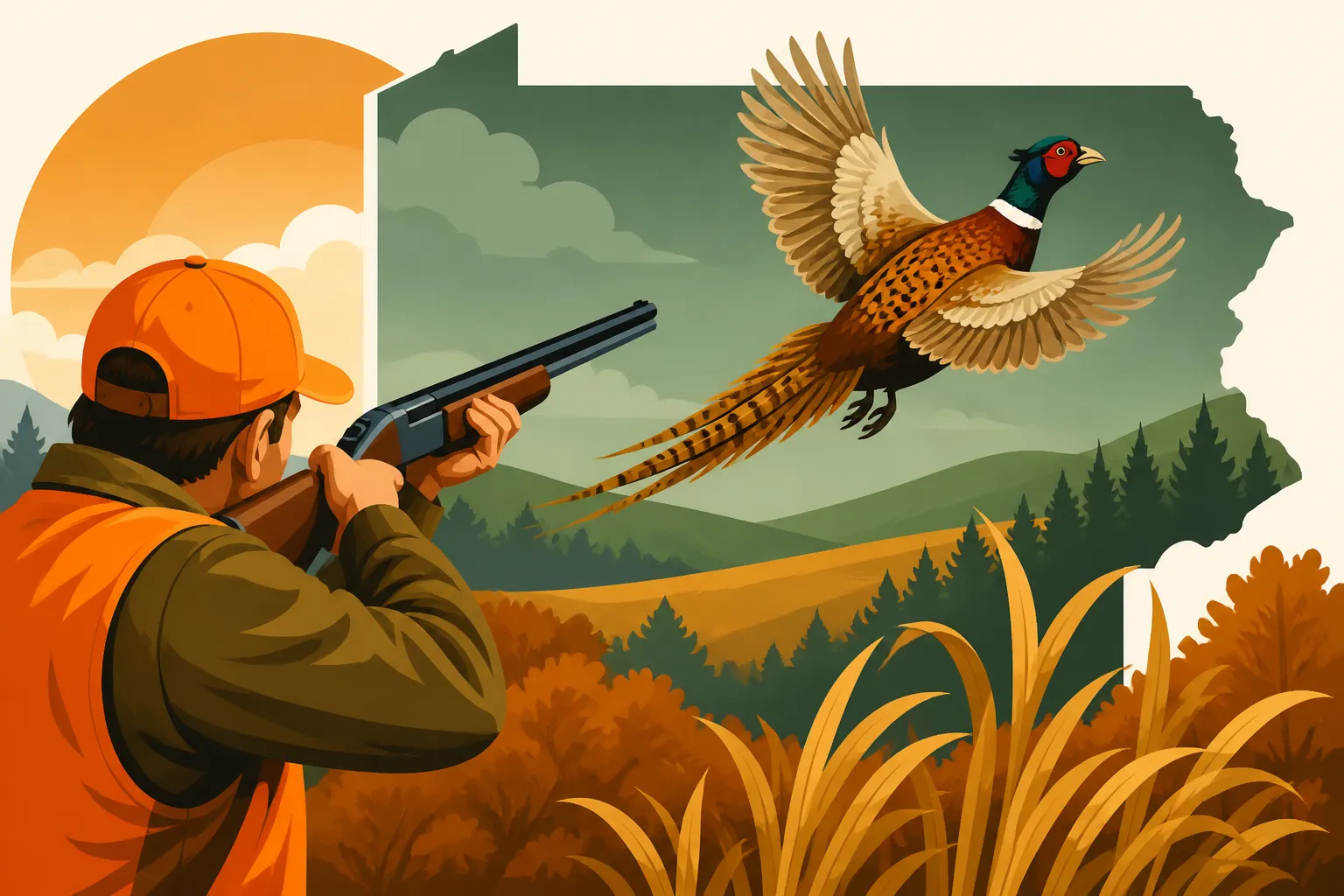
For many hunters in Pennsylvania, the dream of stumbling upon a wild pheasant flush feels like a distant memory. Our landscapes have changed, and with them, the habitat these beautiful birds need to thrive. If you've felt that pang of longing for the thrill of a pheasant exploding from cover, you're not alone. This comprehensive guide is here to walk you through everything you need to know about hunting stocked pheasants in Pennsylvania, from understanding the program to maximizing your success and making the most of these exciting opportunities.
Understanding Pennsylvania's Pheasant Program
Let's be honest, for decades, wild pheasants were a staple of Pennsylvania's agricultural landscapes. Many of us grew up hearing stories, or even experiencing firsthand, the sheer abundance of Ringnecks in the state. But times change, and so does the land. The shift from diverse small farms to larger, monoculture operations, coupled with increased predation and other environmental factors, has unfortunately led to a dramatic decline in our wild pheasant populations. That's a tough pill to swallow for anyone who loves upland hunting. Thankfully, the Pennsylvania Game Commission (PGC) recognized this trend years ago and stepped in to ensure that future generations could still experience the thrill of a pheasant hunt, even if it meant a different kind of experience.
The History and Evolution of Stocking
The PGC's pheasant propagation program actually dates back to the early 20th century. For over a hundred years, they've been raising and releasing pheasants to supplement hunting opportunities. In the beginning, there was a greater hope of establishing self-sustaining wild populations, and to some extent, it worked in certain areas. However, as habitat continued to disappear and conditions became less favorable, the focus shifted. Today, the program is less about re-establishing wild birds and more about providing a "put-and-take" hunting experience, where birds are released specifically for hunters to pursue. It's a pragmatic approach born out of necessity, allowing us to still enjoy some fantastic upland action.
This long history means the PGC has refined its methods considerably. They operate several pheasant farms across the state, including the Western Game Farm in Cambridge Springs, the Northcentral Game Farm in Williamsport, and the Southeast Game Farm near Schwenksville. These facilities raise tens of thousands of pheasants annually, specifically for release during the hunting seasons. It's a massive undertaking, and it's a testament to the PGC's commitment to providing hunting opportunities, even when Mother Nature isn't cooperating with wild populations. Understanding this history helps us appreciate the efforts that go into making these hunts possible.
Why Stocked Birds Are Necessary
The simple truth is that without a stocking program, pheasant hunting in Pennsylvania would be virtually non-existent for the vast majority of hunters. While there are a few isolated pockets where small, localized populations of wild pheasants might persist, they are few and far between and certainly not robust enough to support widespread hunting pressure. The PGC's program fills this void, offering a reliable chance to chase these beautiful birds. It ensures that upland hunters, particularly those without access to private land managed specifically for wild pheasants, still have opportunities to pursue this iconic game bird.
Consider the alternative: imagine a Pennsylvania without any pheasant hunting. It's a scenario that would leave a significant hole in our hunting heritage and traditions. While some might lament the "unnatural" aspect of hunting stocked birds, the reality is that it's a crucial compromise that keeps the tradition alive. These birds, once released, behave like wild birds to a large extent, offering challenging flushes and requiring skill to locate and bag. They provide valuable training opportunities for bird dogs and a fantastic way to introduce new hunters to the thrill of upland hunting, especially when small game hunting in Pennsylvania is focused on other species.
Funding the Program: Where Your License Dollars Go
Raising tens of thousands of pheasants isn't cheap, and it’s important to understand how this program is funded. A significant portion comes directly from our hunting license fees. When you purchase your annual hunting license, a portion of that revenue is earmarked for various wildlife management efforts, including game propagation. But specifically for pheasants, there's a dedicated mechanism: the Pennsylvania Pheasant Permit. This additional permit, which costs a modest amount, directly supports the rearing and release of pheasants.
It's a user-pay, user-benefit system. Those of us who enjoy hunting pheasants contribute directly to the program that provides those opportunities. This model ensures that general hunting license funds, which support a broader range of wildlife and habitat initiatives, aren't disproportionately siphoned off for a single species' stocking program. So, when you buy that pheasant permit, know that your dollars are going directly to the game farms, the feed, the care, and the transportation of the birds you'll eventually be hunting. It's an investment in a specific type of hunting experience, and it's a critical component of sustaining these opportunities.
Where and When Pennsylvania Stocks Pheasants
Knowing that pheasants are stocked is one thing, but knowing where and when is the real key to success. The Pennsylvania Game Commission works hard to provide opportunities across the state, but they can't stock every piece of public land. They focus their efforts on specific designated release areas, often referred to as "pheasant propagation areas" or "stocked pheasant release sites." These areas are typically Game Lands or other public access lands that have suitable cover for pheasants after release.
Identifying Stocked Release Sites
Finding these stocked pheasant release sites is your first step. The PGC provides a list of these areas on their website, usually updated before each season. They often include State Game Lands, some State Forest lands, and even certain private lands enrolled in cooperative public access programs. These lists are incredibly valuable, often detailing the specific tracts or fields where birds will be released. It's worth spending time reviewing these maps and lists to pinpoint potential hunting spots. Many of these areas are chosen for their mix of agricultural fields, brushy cover, and woodlands, mimicking the diverse habitat pheasants prefer.
When you're looking at a map or using an app like GoHunt, pay close attention to the designated release areas. These aren't necessarily vast expanses but often specific fields or blocks of cover within a larger public land tract. You might see specific parking areas or access points identified for pheasant hunters. Don't just show up blindly to a Game Land hoping to find pheasants; do your homework to identify the designated stocking sites. This is where your scouting efforts truly begin, even before the season opens.
Understanding Weekly Release Schedules
The PGC doesn't just dump all the birds out at once. Instead, they operate on a carefully planned weekly release schedule throughout the season. This ensures that hunting opportunities are spread out and that new birds are available regularly, which is fantastic for hunters. Typically, releases happen a few times a week, often on Mondays, Wednesdays, and Fridays, but these can vary. The exact schedule for "When Pennsylvania Stocks Pheasants" is usually published on the PGC website before the season begins.
Why is this schedule so important? Because it directly impacts hunting pressure and bird behavior. Birds released early in the week on a Monday will likely be more spread out and wilder by Saturday. Conversely, hunting on a Wednesday afternoon, just hours after a fresh release, might mean encountering birds that haven't yet dispersed as widely and might hold a bit tighter. Savvy hunters often try to align their hunts with release days, especially earlier in the week, to capitalize on fresh birds. However, this also means those days tend to see more hunter traffic. It's a trade-off you need to consider when planning your trips.
WMUs and Stocked Pheasant Density
While stocked pheasants are found across many parts of Pennsylvania, certain Wildlife Management Units (WMUs) tend to have more stocking activity than others. Generally, WMUs with more suitable agricultural landscapes and accessible public lands will see higher densities of stocked birds. For instance, areas in southeastern and south-central Pennsylvania, with their patchwork of farmlands and smaller State Game Lands, often have strong pheasant programs. Conversely, heavily forested WMUs in the northern tier might have fewer or no pheasant stocking sites, simply because the habitat isn't ideal.
It's not just about the number of birds released, but also the hunter density in those WMUs. A WMU with a high number of pheasant releases but also a very high number of hunters might still feel pressured. Consulting the PGC's annual hunting and trapping digest, or their online resources, can give you a good idea of which WMUs are priorities for pheasant stocking. Remember, the goal isn't just to release birds, but to provide a quality hunting experience for as many permit holders as possible. Looking at WMUs with a good balance of habitat and potentially lower hunter numbers might reveal some hidden gems.
Gear and Tactics for Stocked Pheasant Success
Hunting stocked pheasants is a unique challenge. These aren't wild birds that have spent generations honing their survival instincts in the exact spot you find them. However, they're not tame either; once released, they quickly learn to run, hide, and fly, often becoming incredibly wary after just a few encounters with hunters. This means your gear and tactics need to be on point to consistently put birds in the bag.
Shotguns and Loads for Fast-Flying Birds
When it comes to shotguns, most common gauges will work perfectly for pheasants. The 12-gauge is, of course, a perennial favorite due to its versatility and power. However, a 20-gauge, with its lighter recoil and easier swing, is an excellent choice, especially for newer hunters or those who find a 12-gauge a bit much. Some folks even opt for 16-gauge or 28-gauge for a lighter gun and nostalgic feel. The key is to use a shotgun that fits you well and that you can swing effectively on a fast-flushing bird. For more detailed insights, you might want to read about the Best Shotgun Gauge for Pennsylvania Grouse or 12 Gauge Versus 20 for Stocked Pheasants, which offer comparable advice.
Load choice is crucial. For pheasants, you're generally looking for a heavier shot size to ensure enough kinetic energy to bring down these robust birds cleanly. Many hunters favor 4, 5, or 6 shot. Number 5 shot is often considered the sweet spot for its balance of pattern density and knockdown power. As for shells, high-brass, heavy-load pheasant-specific rounds are a good bet. While you're not dealing with steel shot requirements like waterfowl, ensure you're using lead shot suitable for upland birds. Pattern your shotgun with your chosen load before the season to understand its effective range and pattern density, which is always a smart move for clean kills.
Clothing and Hunter Orange Requirements
Safety, as always, is paramount in the field, especially on stocked pheasant grounds where hunter numbers can be high. This means adhering strictly to Pennsylvania's hunter orange rules. While exact requirements can vary by season and location, a general rule of thumb for small game hunting is to wear at least 250 square inches of fluorescent orange on your head, chest, and back combined, visible 360 degrees. An orange vest and hat are the standard setup and highly recommended. For a deep dive into specifics, check out Pennsylvania Hunter Orange Rules.
Beyond safety orange, think about durability and comfort. You'll likely be busting through thick cover, briars, and tall grasses. Good quality brush pants or chaps are invaluable for protecting your legs. A sturdy upland vest with plenty of pockets for shells, a water bottle, and a game bag for your birds is also a must-have. Layering is key, as early season pheasant hunts can be warm, while late-season ventures might require heavier insulation. Waterproof boots are also essential, as pheasant cover often includes damp fields and marshy areas.
The Role of Dogs (or Lack Thereof)
Having a good bird dog is undeniably one of the greatest joys of pheasant hunting. Pointers, flushers, and retrievers all excel at different aspects of the hunt. A well-trained dog can locate birds, flush them reliably, and retrieve downed game, making your hunt far more efficient and enjoyable. Breeds like Brittanys, English Setters, German Shorthaired Pointers, Labrador Retrievers, and Springer Spaniels are all fantastic choices. Watching a dog work is a beautiful thing, and they will dramatically increase your success rate on stocked pheasants, especially birds that like to run after hitting the ground.
However, you absolutely can hunt stocked pheasants successfully without a dog. It just requires a different approach and a lot more legwork. Without a dog, you'll need to move slower, systematically working through cover to try and flush birds yourself. This means zig-zagging through fields, stomping through brush, and being constantly ready for a surprise flush. Retrieving birds can be a real challenge without a dog, especially in thick cover. You'll need to mark birds down carefully and be prepared to spend time searching. While a dog is a huge advantage, don't let the lack of one deter you from trying pheasant hunting.
Best Hunting Strategies for Pressured Birds
Stocked pheasants, especially after the first day or two of a release, quickly become "pressured birds." This means they've learned to be wary, running long distances before flushing, often at the edge of shooting range, or flushing wildly. This is where your tactics need to adapt.
- Walk Slow and Deliberate: Don't just stroll through the fields. Instead, take a slow, methodical approach, pausing frequently. These pauses often cause running birds to hold, thinking they've escaped detection, only to flush when you take your next step.
- Work the Edges and Transitions: Pheasants love cover. Focus your efforts on the transition zones where different types of cover meet – the edge of a cornfield next to a grassy ditch, a brush line bordering a clearcut, or a swampy area next to dry ground. These are prime areas where birds will seek refuge. Using an app like GoHunt to identify these terrain features before you even step foot on the property can give you a significant advantage.
- Hunt into the Wind (When Possible): Hunting into the wind allows a dog to scent birds better and also helps carry the sound of your approach away from the birds, giving you a slight edge for closer flushes.
- Coordinate with Hunting Partners: If hunting with a group, spread out in a line and walk parallel to each other, covering a wider swath of ground. This acts like a small "drive," pushing birds ahead of you and increasing the chances of one flushing within range of a hunter. Always be acutely aware of where your partners are for safety.
- Return to Areas: Don't dismiss an area after one pass. Birds will often run through cover, so making a second or even third pass through a promising patch of weeds or briars can sometimes flush a bird that was simply running ahead of you earlier.
- Focus on the Thickest Cover: When pressured, pheasants will dive into the densest, nastiest cover they can find – thick multiflora rose, cattail swamps, tangled briar patches. Don't be afraid to get into the thick stuff; it's often where the birds are hiding, thinking they're safe. These are the places other hunters might avoid, which can be an advantage on public hunting land in Pennsylvania.
Navigating Public Land Challenges and Opportunities
Hunting stocked pheasants almost exclusively happens on public lands or specific private lands enrolled in public access programs. This presents both challenges and fantastic opportunities. On one hand, you have access to dedicated hunting grounds. On the other, you're often sharing that access with a lot of other enthusiastic hunters, especially early in the season and on release days. Managing your expectations and having a strategy for dealing with crowds is key.
Dealing with Crowds on Opening Days
Let's not sugarcoat it: opening days for pheasant season, especially on known release sites, can feel more like a convention than a quiet hunt. You'll see plenty of trucks in the parking lot and hear shotguns cracking frequently. It's a reality of public land hunting. While it can be frustrating, it also means there are birds to be had. The key is to manage your expectations and adapt.
If you hate crowds, avoid the first few hours on a major release day. Consider hunting later in the afternoon, or even a day or two after a release, when initial pressure has tapered off. Alternatively, embrace the chaos but choose your spots wisely. While everyone might be focused on the easily accessible fields near the parking lot, look for those slightly harder-to-reach corners or dense patches of cover that others might walk past. Sometimes, the sheer number of hunters helps to push birds around, creating opportunities you might not get alone. Always prioritize safety, knowing where other hunters are at all times, and never take a questionable shot.
Finding Less-Pressured Areas
This is where good scouting and a willingness to walk come into play. On any given stocked pheasant release site, there will almost always be areas that see less hunter traffic. These are often:
- The "Back Forty": Areas furthest from the main parking lots or easy access points. Most hunters will hit the closer fields first. If you're willing to walk a bit further, you can often find birds that haven't been as disturbed.
- Dense, Difficult Cover: As mentioned earlier, pheasants dive into nasty stuff. If there's a thick, thorny briar patch, a dense cattail swamp, or a steep, overgrown hillside, many hunters will pass it by. These are prime spots for finding holding birds that have evaded earlier pressure.
- Smaller, Overlooked Patches: Instead of focusing solely on the largest fields, look for smaller, isolated pockets of cover—a hedgerow between two fields, a small brushy creek bottom, or a woodlot edge. These smaller areas might hold a single bird or two that were overlooked.
- Adjacent Public Lands: Sometimes, birds will move off the immediate release field onto adjacent public land that isn't specifically designated as a pheasant release site but offers good cover. Always know property lines using a reliable app like GoHunt to ensure you're hunting legally.
Spending time scouting these areas before the season, or even during the week, can give you a significant edge. Look for fresh sign, like tracks in mud or droppings, that might indicate recent pheasant activity.
Respecting Property Lines and Safety Zones
Public land often abuts private property. It is absolutely critical to know your boundaries and respect them. Trespassing is illegal and gives all hunters a bad name. Utilize mapping tools like GoHunt to clearly delineate public from private land. Pay attention to "No Trespassing" signs, boundary markers, and property lines.
Furthermore, always be aware of safety zones. In Pennsylvania, it's generally unlawful to hunt or discharge a firearm within 150 yards of any occupied dwelling, residence, or other building used in connection with farm operations, or within 50 yards of any other occupied building. These safety zones are strictly enforced and are for the protection of landowners and the public. Even if a bird flushes into a safety zone, you cannot shoot it. Always err on the side of caution. Maintaining a good relationship with landowners, even those adjacent to public land, is vital for the future of hunting in our state.
The Pennsylvania Pheasant Permit: What You Need to Know
Hunting stocked pheasants in Pennsylvania isn't covered by your general hunting license alone. There's an additional, required permit that ensures the financial viability of the stocking program. Missing this detail can lead to fines and a ruined hunt, so it's essential to understand the "Pennsylvania Pheasant Permit Explained."
Who Needs a Pheasant Permit
Simply put, if you plan to hunt pheasants in Pennsylvania, you need a pheasant permit. This applies to both residents and non-residents, and it applies regardless of age, with a few exceptions. Mentored youth hunters, those under 12 participating in the Mentored Youth Hunting Program, are typically exempt from needing the permit, as they are hunting under the direct supervision of a licensed adult. However, for everyone else—from junior hunters (ages 12-16) to senior hunters—the permit is a must-have.
This permit requirement is a common source of confusion for new pheasant hunters or those coming from states without such a specific permit. It's not a tag for a specific bird, but rather a season-long permit that grants you the privilege to hunt stocked pheasants. The revenue generated from these permits goes directly back into funding the pheasant propagation program, covering the costs of raising and releasing the birds. Think of it as your contribution to keeping this unique hunting opportunity alive in Pennsylvania.
How to Purchase Your Permit
Purchasing your Pennsylvania Pheasant Permit is straightforward, just like buying your regular hunting license. You can do it in a few ways:
- Online: The easiest and most convenient method is through the Pennsylvania Game Commission's HuntFishPA online portal. You can purchase your license and permit from the comfort of your home, and then print them out or save them to your mobile device.
- At a License Issuing Agent: Most sporting goods stores, bait shops, and some general stores across Pennsylvania are official license issuing agents. You can walk in, provide your hunter education certificate or previous license information, and purchase your permit over the counter.
- Via Mail: While less common now with online options, you can still apply for licenses and permits via mail through the PGC, though this takes longer.
Make sure you purchase the permit before you go afield. Game Wardens do check for it, and being caught without one will result in a citation. It's a simple, inexpensive step that protects both you and the program. When you're buying your Pennsylvania Hunting Licences and What They Cost, be sure to add the pheasant permit to your cart.
When to Buy and Why It Matters
Pheasant permits usually become available around the same time as general hunting licenses, which is typically in mid-June for the upcoming license year (which runs from July 1st to June 30th). There isn't a quota or limited number of pheasant permits, so they don't sell out like antlerless deer tags. You can buy one right up until the end of the pheasant season.
However, it's always best practice to purchase your permit well in advance of the season opener. Why? First, it ensures you're not scrambling at the last minute, potentially facing long lines at a license agent or dealing with internet issues. Second, and perhaps more importantly, it means your contribution to the program is secured early, allowing the PGC to better plan and fund their propagation efforts. Finally, having all your paperwork in order long before opening day means you can focus on scouting, patterning your shotgun, and getting excited for the hunt, rather than worrying about administrative tasks. It's just one less thing to worry about when you're preparing for "Hunting Stocked Pheasants in Pennsylvania."
Beyond the Hunt: Processing and Cooking Your Birds
Taking a bird in the field is only half the adventure! Proper care of your pheasant after the shot ensures you'll have delicious table fare. There's a bit of debate among hunters about the best way to process a pheasant, but both methods have their merits.
Field Dressing and Care in the Field
Immediately after dispatching your bird, the most important step is to cool it down as quickly as possible, especially on warmer early-season days. If you're going to pluck the bird whole, you can often leave the entrails in for a short period, especially if the weather is cool. However, for optimum meat quality, many hunters prefer to field dress their pheasants, just like they would a deer or a rabbit. This involves making a small incision and removing the entrails, which helps the carcass cool faster and reduces the risk of bacterial growth.
Once field dressed, if you choose that route, place the bird in your game bag, ensuring it gets airflow and isn't stacked in a pile with other birds or gear. If it's a warm day, consider putting a small freezer pack or bag of ice in your game bag (if your vest has a dedicated game pouch) to keep the bird cool while you continue hunting. When you get back to your vehicle, transfer the birds to a cooler with ice, making sure they aren't submerged directly in water. Proper chilling is paramount for quality.
Plucking vs. Breast Filleting
This is where personal preference really comes into play.
- Plucking: If you want to savor the pheasant's skin, which, when crisped, adds a fantastic flavor and texture, then plucking is the way to go. It's more time-consuming, no doubt. You can dry pluck, which is messy but effective, or wet pluck by briefly dipping the bird in hot (not boiling) water to loosen the feathers. Many hunters prefer to hang the bird for a day or two in a cool place after shooting, as this "ages" the meat and makes plucking easier. Plucking takes practice, but the reward of a whole, skin-on bird for roasting is well worth the effort for many.
- Breast Filleting: This is the quicker, less messy option. Simply remove the two breast fillets from either side of the keel bone, leaving the skin and feathers behind. You can also often get the leg and thigh meat, which can be tough but flavorful if slow-cooked. This method is popular for those who prioritize efficiency or plan to use the meat in stews, stir-fries, or other recipes where the skin isn't a primary component.
No matter which method you choose, take your time to ensure all shot pellets are removed from the meat. Nothing ruins a meal faster than biting down on lead shot. After processing, vacuum seal and freeze your pheasant meat for long-term storage, or cook it fresh within a few days.
Delicious Ways to Prepare Pheasant
Pheasant is a lean, flavorful game bird that lends itself to a wide variety of culinary preparations. It has a slightly richer flavor than chicken but isn't as gamey as some other wild birds.
- Roasting: A whole, plucked pheasant, roasted with herbs, garlic, and perhaps some bacon draped over the breast (to add moisture and fat), is a classic. Serve it with roasted root vegetables for a hearty meal.
- Braised or Stewed: Pheasant legs and thighs, which can be tougher, excel when braised slowly in wine, broth, or cream. They also make fantastic additions to stews, gumbos, or chili, where the slow cooking breaks down the connective tissues and infuses the meat with flavor.
- Pan-Seared Breasts: Pheasant breasts can be quickly pan-seared to a golden brown, then finished in the oven. Serve them with a simple sauce, like a mushroom cream sauce or a red wine reduction. They're also delicious sliced and added to salads or sandwiches.
- Pheasant Pot Pie: A comforting classic, a pheasant pot pie replaces chicken with diced pheasant meat, often combined with vegetables like carrots, peas, and potatoes in a rich gravy, topped with a flaky crust.
- Pheasant Schnitzel or Fried Pheasant: Breast fillets, pounded thin, breaded, and pan-fried, make for a delightful pheasant schnitzel. Or simply batter and deep fry the pieces for a wild game version of fried chicken.
Experiment with different recipes! There are countless ways to enjoy the fruits of your labor from a successful pheasant hunt. For more inspiration on "Cooking Venison From a Pennsylvania Buck" or "Cooking a Wild Turkey Breast," many of the same principles of game meat preparation and avoiding overcooking apply to pheasant.
Ethical Considerations and Responsible Hunting
Hunting stocked pheasants comes with a unique set of responsibilities. Because these birds are released specifically for hunting, and because the hunting areas can often be crowded, it's more important than ever to practice good sportsmanship, respect the resource, and contribute to the longevity of the program.
Sportsmanship on Stocked Areas
Good sportsmanship is the cornerstone of all hunting, and it's particularly vital on public, stocked pheasant grounds where you'll encounter many other hunters.
- Be Considerate of Others: If you arrive at a parking area and see other hunters already working a particular field, give them space. Don't crowd them or jump into their hunting path. Move to a different area or wait for them to finish. Communicate clearly and respectfully if paths cross.
- Share the Resource: Not every bird is yours. If a bird flushes between two hunters, the general etiquette is that the bird belongs to whoever makes the clean kill. Avoid "sky busting"—shooting at birds far out of range, potentially peppering them with shot and causing a wound but not bringing them down. This leads to crippled birds that can't be recovered and spoils the opportunity for other hunters.
- Help Others if Needed: If you see another hunter struggling to find a downed bird, offer to help. A collaborative spirit makes for a better day for everyone. Similarly, if you have a dog and see a hunter without one having trouble, offer your dog's services if appropriate.
- Control Your Dogs: If you're hunting with dogs, ensure they are well-behaved, under control, and don't interfere with other hunters' efforts. This includes keeping them out of safety zones.
Remember, we're all out there to enjoy the same pursuit. A little courtesy goes a long way in fostering a positive hunting community.
Respecting the Birds and the Resource
While stocked, these birds are still living creatures and deserve our respect. This means striving for clean, ethical shots and recovering every bird you shoot.
- Aim for Clean Kills: Practice your shotgunning beforehand so you can make effective shots. A clean kill minimizes suffering and ensures you recover your game.
- Recover All Downed Birds: Never leave a wounded or downed bird unrecovered. Even if it flies a long distance, make a diligent effort to find it. This is where a good bird dog truly shines, but even without one, meticulous searching is your responsibility. Losing a bird after the shot is a profound waste of the resource.
- No High Fencing or Baiting: This should go without saying, but legal and ethical hunting practices mean hunting fairly. Do not engage in any illegal activities or methods to gain an unfair advantage. The challenge is part of the appeal.
- Follow Bag Limits: Always adhere to the established daily bag limits for pheasants. These limits are set to ensure sustainable opportunities throughout the season.
Respecting the birds, even those that are stocked, is fundamental to being a responsible hunter. It reflects our values and ensures the ethical pursuit of game.
Participating in Conservation Efforts
While the PGC does a tremendous job, conservation is a collective effort. Your participation, even in small ways, helps.
- Support the PGC: Continue to purchase your general hunting license and your pheasant permit. These funds are vital for the program's existence and other wildlife management initiatives.
- Consider Volunteerism: The PGC often has volunteer opportunities, whether it's helping with habitat projects, assisting at game farms, or other tasks. Contributing your time is a powerful way to give back.
- Advocate for Habitat: While stocked pheasants fill a void, the long-term goal for many is to see a return of more wild birds. Support organizations that work on habitat restoration and preservation in agricultural areas, like Pheasants Forever or local conservation groups. These efforts benefit a wide range of small game animals beyond just pheasants, including rabbits and quail, enhancing small game hunting in Pennsylvania.
- Mentor New Hunters: The future of hunting depends on bringing in new participants. Share your knowledge, teach ethical practices, and introduce someone new to the joy of pheasant hunting. A mentored youth hunter may be exempt from the permit, but they are the future of the sport.
By engaging in these practices, you're not just a pheasant hunter; you're a steward of the resource and a contributor to the proud tradition of hunting in Pennsylvania.
Pennsylvania Pheasant Hunting Quick Reference
Here's a handy table summarizing some key information for hunting stocked pheasants in Pennsylvania. Always double-check the current hunting and trapping digest for the most up-to-date regulations before heading afield.
| Aspect of Hunt | Key Details | Notes |
|---|---|---|
| Required Permit | Pennsylvania Pheasant Permit (in addition to General Hunting License) | Mentored Youth Hunters are typically exempt. Funds directly support stocking. |
| Season Dates | Varies by year, typically mid-October through November, with a late season in December/January. Check current PGC digest. | Specific dates for Pennsylvania Pheasant Season Dates are crucial. |
| Daily Bag Limit | Generally 2 pheasants per day (male or female). | Check current regulations; limits can change. |
| Shooting Hours | Typically from one-half hour before sunrise to sunset. | Always confirm legal shooting hours in the current digest. |
| Hunter Orange | 250 square inches required on head, chest, and back combined, visible 360 degrees. | Mandatory for safety; crucial on public, crowded areas. |
| Hunting Areas | Designated Stocked Pheasant Release Sites on State Game Lands, State Forests, and Hunter Access Program lands. | Consult PGC website for specific site lists. Use mapping tools like GoHunt. |
| Shotgun & Load | 12 or 20 gauge with 4, 5, or 6 shot (lead recommended). | Pattern your shotgun. High-brass pheasant loads are effective. |
| Dog Requirement | Not required, but highly recommended for increased success and recovery. | Hunting without a dog requires more systematic walking and careful marking of downed birds. |
| Key Tactics | Slow, deliberate walking; focus on thick cover, edges, and transitions; hunt into the wind; coordinate with partners; return to promising areas. | Adapt to pressured birds; be prepared to walk further than other hunters. |
| Where to Buy Permits | PGC's HuntFishPA online portal or any PGC license issuing agent. | Buy well in advance of the season. |
Disclaimer
The information provided in this guide is for general informational purposes only and is subject to change. Hunting regulations, season dates, and permit requirements are established by the Pennsylvania Game Commission and can be updated annually. It is the responsibility of every hunter to consult the most current Pennsylvania Hunting & Trapping Digest, available on the Pennsylvania Game Commission's official website or from license issuing agents, before participating in any hunting activity. Failure to comply with all regulations may result in penalties. Always prioritize safety, ethical hunting practices, and respect for wildlife and private property.