Bobcat Range and Harvest in Pennsylvania
For many hunters and trappers in Pennsylvania, the bobcat represents an almost mythical creature. Their secretive nature, stunning beauty, and challenging pursuit make them a truly sought-after quarry, yet understanding where these elusive felines roam and the intricacies of legally pursuing them can feel like deciphering a cryptic map. This guide will pull back the curtain on Pennsylvania's bobcat population, exploring their preferred habitats, the regulations governing their harvest, and effective strategies for those hoping to encounter one of these magnificent animals.
The Elusive Pennsylvania Bobcat: Understanding Their Range and Habits
Pennsylvania's bobcat population has made a remarkable comeback, flourishing in areas that provide the dense cover and abundant prey they need. Unlike deer or bears, bobcats aren't often seen casually, making their range and habits a source of great interest for those who pursue them. They are masters of stealth, using the varied topography of our state to their advantage, from thick brush to rocky outcrops.
Where Bobcats Roam: Identifying Core Habitats
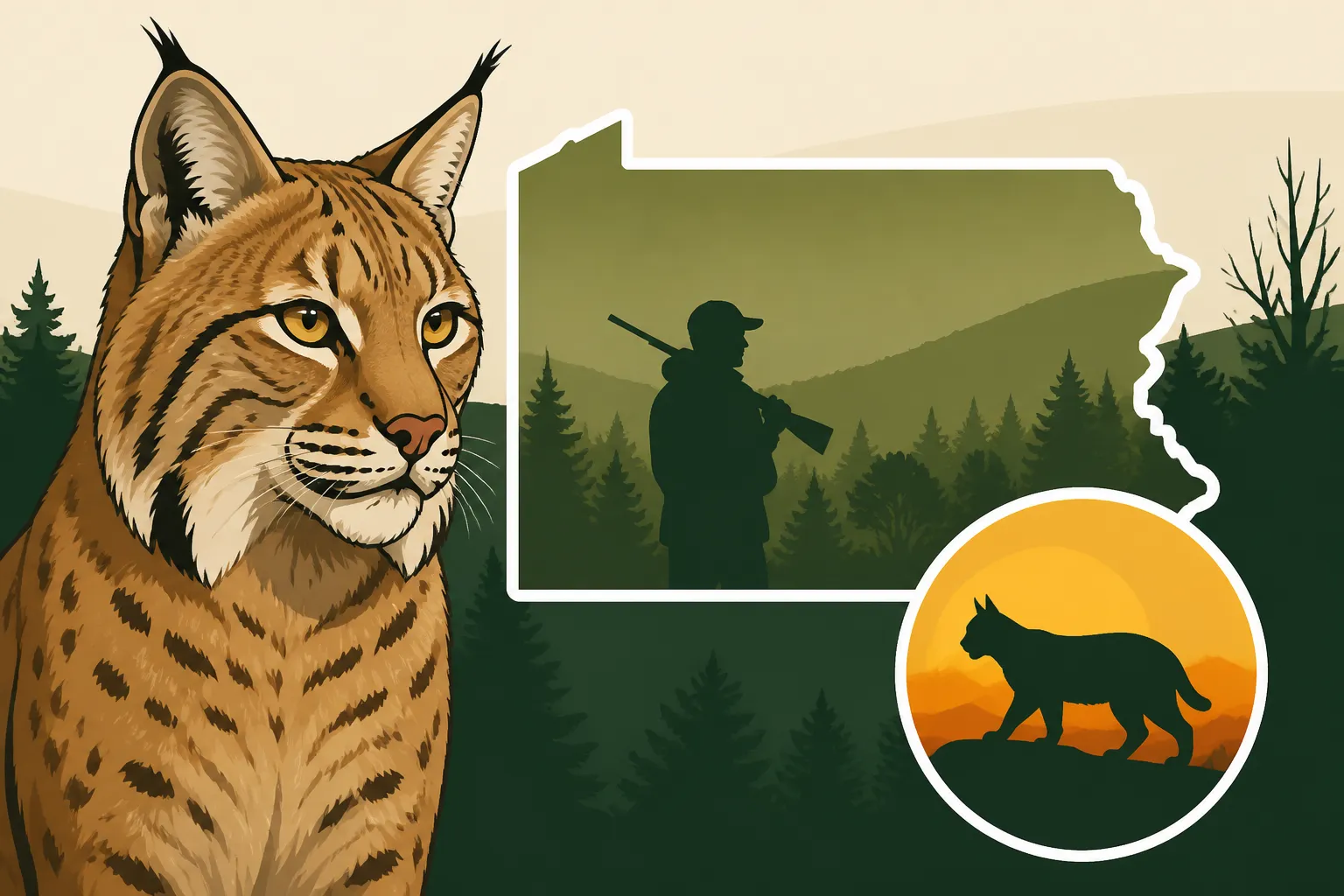
Bobcats in Pennsylvania are primarily found in the rugged, forested regions of the north-central, northeastern, and southwestern parts of the state. Think of areas rich in thick undergrowth, logging clearcuts that have grown up, dense mountain laurel thickets, and remote creek bottoms. These aren't creatures of wide-open fields or heavily populated suburban areas. They thrive in places where human disturbance is minimal and where they can easily disappear into the landscape. Counties like Potter, Tioga, Cameron, Lycoming, and McKean are often cited as prime bobcat country, offering expansive tracts of state forest and game lands that provide ideal habitat. They also extend into parts of the state's southwestern corner, where rugged terrain and diverse prey offer similar conditions.
Their home range can vary widely depending on food availability and gender, but they're generally creatures of routine within their chosen territory. They'll often utilize old logging roads, game trails, and natural travel corridors, moving silently from one hunting ground to another. Look for areas where different habitat types converge – for instance, where a dense hemlock stand meets an oak ridge or where a recent timber cut abuts a mature forest. These transition zones often provide both cover and access to prey, making them prime spots for a bobcat to hunt. Understanding these preferred environments is the first step in unlocking the mystery of their presence.
The spread of the bobcat has been a conservation success story. Decades ago, their numbers were much lower, and their range more restricted. Through careful management and habitat recovery, they've expanded their footprint significantly. This expansion means that while the "big woods" regions remain strongholds, bobcats are slowly but surely recolonizing areas where they might have been absent for generations, making it possible to find them in unexpected corners of the state if the habitat is right. For hunters and trappers, this growing range presents exciting new opportunities, but it still emphasizes the importance of thorough scouting and habitat recognition.
Signs of the Shy Hunter: Reading the Landscape
Because bobcats are so elusive, finding direct sign can be a challenge. They are masters of traveling undetected, often using dense cover. However, a keen eye can pick up clues if you know what to look for. Tracks are perhaps the most definitive evidence. Bobcat tracks are typically round, about 1.5 to 2.5 inches across, and unlike canine tracks, you won't see claw marks because their claws are usually retracted. They also exhibit a more direct register, meaning their hind feet often step directly into the prints left by their front feet, creating a neat, linear trail. These tracks are most visible in fresh snow, mud, or soft dirt along game trails or near water sources.
Beyond tracks, look for less obvious indicators. Bobcats are ambush predators, so they'll often frequent areas where they can lie in wait for prey like rabbits, squirrels, grouse, and even smaller deer. Finding concentrations of these prey species can indicate potential bobcat hunting grounds. Scat can also be an identifier, though it can often be mistaken for other furbearers. Bobcat scat is typically segmented, about an inch in diameter, and often contains hair or bone fragments from their last meal. They often deposit scat in conspicuous locations, perhaps to mark territory. Keep an eye out for claw marks on trees, especially larger ones, which can be a sign of stretching or sharpening claws.
Understanding the habits of their prey is also key. If you're scouting areas for Small Game Hunting in Pennsylvania, you might inadvertently be in prime bobcat territory. Over the winter, when snow covers the ground, observing the patterns of cottontails, hares, and grouse can indirectly lead you to where a bobcat might be hunting. Similarly, areas where Coyote Calling in Pennsylvania Winter is successful could also attract a bobcat, as both predators share similar hunting grounds and prey preferences. Learning to read the subtle clues left behind by the bobcat requires patience and a deep understanding of the forest ecosystem.
Bobcat Population Dynamics and Density
Pennsylvania's bobcat population is considered robust and stable, a testament to effective wildlife management strategies. The Pennsylvania Game Commission carefully monitors harvest numbers, habitat quality, and population trends to ensure the species' long-term health. While precise density figures can be tricky to nail down, especially for such secretive animals, estimates indicate a healthy population distributed across suitable habitats. The expansion of their range over recent decades further underscores this positive trend.
Population density isn't uniform across the state. Areas with extensive, undisturbed forest cover, abundant prey, and minimal road networks tend to support higher densities of bobcats. In contrast, more fragmented landscapes or areas with higher human populations will have lower densities, or bobcats might be absent entirely. This variability is why obtaining a bobcat permit is still a limited opportunity, designed to manage harvest pressure and maintain healthy numbers where they exist. Understanding these dynamics is crucial for sustainable management and for those who seek to interact with this fascinating furbearer.
The ongoing management also involves continuous research into bobcat movements, breeding success, and survival rates. This scientific approach helps ensure that hunting and trapping seasons are set appropriately, balancing recreational opportunities with conservation goals. Hunters and trappers play a vital role in this by accurately reporting their harvests and participating in surveys, contributing directly to the data that informs future management decisions for species like the bobcat, and even for Fishers Restored to Pennsylvania.
Navigating Pennsylvania's Bobcat Seasons and Permit Requirements
Hunting or trapping bobcats in Pennsylvania isn't something you can just decide to do on a whim. It requires specific permits and adherence to strict regulations, reflecting the value placed on this species and the desire for careful management. The system is designed to provide opportunities while safeguarding the bobcat population.
The Pennsylvania Bobcat Permit: A Coveted Opportunity
To legally hunt or trap a bobcat in Pennsylvania, you must possess a valid Pennsylvania hunting or furtaker license and, critically, a specific Bobcat Permit. This isn't just an add-on; it's a separate permit that is issued through a lottery system due to the limited number available each year. The competition for these permits can be intense, as many hunters and trappers dream of the chance to pursue a bobcat. Applying for the permit typically involves a small fee, and applicants are entered into a drawing.
The number of permits issued varies annually, based on the Game Commission's assessment of the bobcat population and harvest objectives. This controlled system ensures that the harvest remains sustainable and prevents overexploitation of local populations. If you're serious about pursuing a bobcat, familiarizing yourself with the application period and deadlines is paramount. Missing the window means missing your chance for that year. It's a key piece of the puzzle, much like understanding the rules for Pennsylvania Furtaker Licence Requirements for other furbearers.
When you successfully draw a permit, it's assigned to you, and it signifies your unique opportunity to harvest one bobcat during the designated season. This permit comes with specific tagging and reporting requirements, which are just as important as the act of hunting or trapping itself. Failing to properly tag or report your harvest can lead to significant penalties, so understanding every detail of your permit is crucial. Many hunters and trappers will check the Game Commission's website regularly, or use mapping and intel tools like those offered by GoHunt, to stay on top of application periods and any changes to the permit system.
Season Dates and Harvest Limits
Pennsylvania's bobcat seasons are generally short and occur during the colder months, often overlapping with other furbearer seasons. The specific dates can shift slightly each year, so always consult the current Pennsylvania Game Commission hunting and trapping digest for the most up-to-date information. Typically, there will be a designated hunting season and a separate trapping season, or sometimes concurrent seasons, each with specific legal methods. For example, a firearms season might allow hunting with specific weapon types, while the trapping season dictates allowed trap types and placement.
The harvest limit for bobcats is strictly one per permitted individual per license year. This one-animal limit underscores the species' protected status and the careful management approach. It's not a species where you can accumulate multiple tags; your drawn permit grants you the opportunity for a single successful harvest. This limit makes every encounter and every decision in the field even more significant, adding to the challenge and reward of pursuing a bobcat.
It’s also crucial to be aware of any WMU-specific regulations or limitations. While the permit drawing is statewide, there might be specific zones or public lands where certain methods are restricted or additional permits are required. Always confirm the regulations for your chosen hunting or trapping area. This level of detail is a characteristic of Pennsylvania Trapping Season Opening Dates for other species as well, where specific dates might vary by region or even management area.
Understanding Legal Take Methods: Hunting and Trapping
Pennsylvania permits both hunting and trapping for bobcats, each with its own set of regulations and ethical considerations. For hunting, legal methods typically include archery, crossbow, and firearms. However, specific restrictions apply, such as legal shooting hours (often aligning with general hunting hours from one half-hour before sunrise to one half-hour after sunset), and often, a prohibition on baiting for bobcats. The emphasis is on fair chase and responsible hunting practices.
Trapping, on the other hand, involves a different skill set and strict rules regarding trap types, size, placement, and checking intervals. Only specific types of traps, such as foothold traps (with jaw limits) and cable restraints, are typically legal for furbearers like bobcats. Trappers must also adhere to strict checking requirements, ensuring traps are checked at least once every 36 hours. This is crucial for animal welfare and is a cornerstone of responsible trapping, similar to rules found in Trapping Furbearers in Winter. Understanding these nuances is critical for legal and ethical participation in bobcat harvest.
Both methods require a deep understanding of bobcat behavior and a commitment to ethical practices. Whether you're hunting with a rifle or setting a trap line, your actions must align with Pennsylvania's wildlife laws. This commitment ensures that the pursuit of this magnificent animal is done respectfully and contributes to the ongoing health of the population. New hunters or trappers should seriously consider taking a comprehensive furtaker education course to learn these regulations and best practices.
Hunting and Trapping Tactics for Pennsylvania Bobcats
Successfully harvesting a bobcat is a significant accomplishment, a testament to skill, patience, and often, a little bit of luck. These animals are incredibly wary, and their small size combined with their camouflage makes them difficult to spot. Both hunting and trapping require a strategic approach.
Calling Techniques for Bobcat Hunters
For hunters, calling is often the most effective method for drawing a bobcat into range. Bobcats are opportunistic predators, and they respond well to distress calls that mimic their natural prey. Think of calls that sound like a distressed rabbit, a mouse squeaking, or even a bird in distress. Electronic callers can be highly effective, allowing you to project sounds over a wide area and control volume, but mouth calls can also work wonders in skilled hands. The key is patience; bobcats often approach cautiously, taking their time to circle downwind before committing.
When calling, consider your setup carefully. You need good visibility, but also excellent cover for yourself. A bobcat will often try to approach from downwind to get a scent check, so positioning yourself where the wind carries your scent away from the approach lanes is crucial. Calling sequences should vary, with periods of calling followed by silence, mimicking a natural hunting scenario. Start with softer calls and gradually increase volume if you're not getting a response. Be prepared for a quick shot, as a bobcat might appear suddenly and move quickly through your shooting lanes.
It's not uncommon to call for 30 minutes to an hour in a single spot without success. Moving to new locations, perhaps a half-mile to a mile away, and repeating the calling sequence is often a successful strategy. Concentrate on areas where you've seen tracks or other sign, or where the habitat looks absolutely ideal for a bobcat – dense cover, rocky outcroppings, and close to potential prey sources. Sometimes, combining distress calls with a "kish" sound, mimicking a bobcat fighting, can also pique their curiosity, especially during the breeding season.
Strategic Trapping Setups and Locations
Trapping for bobcats demands an intimate knowledge of their movements and an understanding of trap placement. Trappers often focus on "sets" that blend into the natural environment, aiming to entice a bobcat to investigate. Dirt hole sets, cubby sets, and trail sets are common and effective. A dirt hole set mimics a caching spot, where bait (often a piece of beaver or other meat) is buried, and the trap is strategically placed at the entrance. Cubby sets use natural or artificial structures to funnel the bobcat into the trap.
Location is absolutely everything in bobcat trapping. Focus on natural travel corridors, such as narrow sections between thickets, edges of clearcuts, logging roads that see little human traffic, and points of land that extend into swamps or thick cover. Creek bottoms and drainages that act as natural funnels are also prime locations. Bobcats are creatures of habit, so finding their travel routes is paramount. Using a mapping tool, such as GoHunt, can help identify these topographical features and potential pinch points before you even set foot in the woods.
Lure and bait play a critical role. Bobcats are drawn to strong scents, especially those mimicking prey or other bobcats. Commercial bobcat lures, often gland-based, are highly effective. Using a visual attractant, like a feather or a piece of Mylar tape fluttering in the breeze near your set, can also draw their attention. Remember, all trapping in Pennsylvania requires careful adherence to the regulations regarding trap types, checking intervals, and proximity to dwellings, as detailed in Predator and Furbearer Hunting in Pennsylvania. This meticulous approach is what separates consistent trappers from those who simply get lucky.
Scouting for Success: Using Technology and Field Observation
Regardless of whether you choose to hunt or trap, thorough scouting is the bedrock of bobcat success. You can't just stumble into a bobcat; you need to put in the legwork. Begin your scouting long before the season opens. In the spring and summer, look for ideal habitat, travel corridors, and potential den sites. Pay attention to areas with high densities of rabbits, squirrels, or grouse. During the fall, especially after a fresh snow, is prime time to find tracks and identify active travel routes. This kind of advance planning makes all the difference.
Technology can be an invaluable asset in this endeavor. GPS units and mapping apps (like those offered by GoHunt, which can show public/private land boundaries, topographical features, and even habitat types) help you navigate vast tracts of public land and mark potential hot spots. Trail cameras, strategically placed on suspected travel routes or near areas with past bobcat sightings, can confirm their presence and even help you understand their movement patterns. Observing how deer and other furbearers use the landscape can give you clues about where a bobcat might also be moving.
Combine your technological scouting with extensive boots-on-the-ground observation. Nothing beats spending time in the woods, learning the nuances of the terrain and the habits of its inhabitants. Look for old logging cuts that have grown up with brush, areas where mountain laurel is thick, or rocky bluffs with overhangs that could provide shelter. The more time you spend in the field, the better you'll become at recognizing the subtle signs that indicate a bobcat's presence, leading to more successful encounters when the season finally arrives. Understanding Scouting Pennsylvania Public Land Before Season is crucial for all game, and bobcats are no exception.
Conservation Efforts and the Future of Pennsylvania's Bobcats
Pennsylvania's bobcat population is a remarkable conservation story, evolving from a species with restricted numbers to one that now offers sustainable hunting and trapping opportunities. This success is not accidental; it's the result of dedicated management and the cooperation of hunters and trappers who adhere to regulations.
Monitoring and Management Practices
The Pennsylvania Game Commission employs a multi-faceted approach to monitor and manage bobcats. This includes collecting data from mandatory harvest reports, conducting scientific research on population dynamics, and analyzing habitat trends. Every hunter and trapper who harvests a bobcat is required to report their take, providing crucial data points about the age, sex, and location of harvested animals. This information is vital for assessing population health and adjusting management strategies as needed.
Additionally, the Game Commission regularly conducts field studies, sometimes involving collaring and tracking bobcats, to learn more about their movements, reproductive success, and survival rates. This scientific insight ensures that management decisions are based on the best available data, allowing for sustained populations while still providing recreational opportunities. These efforts also help manage the overlap with other furbearers and predators, like understanding the Pennsylvania Coyote Range and Numbers or how the bobcat fits into the broader ecosystem.
The current permit system, with its limited draw, is a direct outcome of this careful monitoring. It allows for a controlled harvest that prevents overexploitation while giving dedicated individuals the chance to pursue these unique animals. This approach has led to a robust and expanding bobcat population, highlighting the success of science-based wildlife management in Pennsylvania.
The Role of Hunters and Trappers in Conservation
Hunters and trappers are not just participants in the bobcat harvest; they are critical partners in conservation. Their license fees fund the research and management efforts conducted by the Pennsylvania Game Commission. Beyond financial contributions, their adherence to regulations, ethical practices, and accurate harvest reporting provides essential data that fuels informed decision-making. A responsible hunter or trapper understands that their actions directly impact the future of the species.
Furthermore, hunters and trappers are often the "eyes and ears" of the Game Commission in remote areas. They spend countless hours in the field, often observing wildlife behaviors and habitat changes that might otherwise go unnoticed. Reporting unusual sightings, signs of disease, or illegal activities contributes significantly to overall wildlife conservation. This partnership between the sporting community and wildlife agencies is a cornerstone of the North American model of wildlife conservation.
The continued health of Pennsylvania's bobcat population relies on the ongoing commitment of all stakeholders to responsible practices and sustained management. By respecting the regulations, honing their skills, and contributing to data collection, hunters and trappers ensure that future generations will also have the opportunity to pursue this fascinating and elusive resident of the Pennsylvania wilderness.
Disclaimer
This article is for general informational purposes only and does not constitute professional advice. Laws, prices and regulations vary by location and change over time. Consult a qualified professional for guidance on your specific situation.