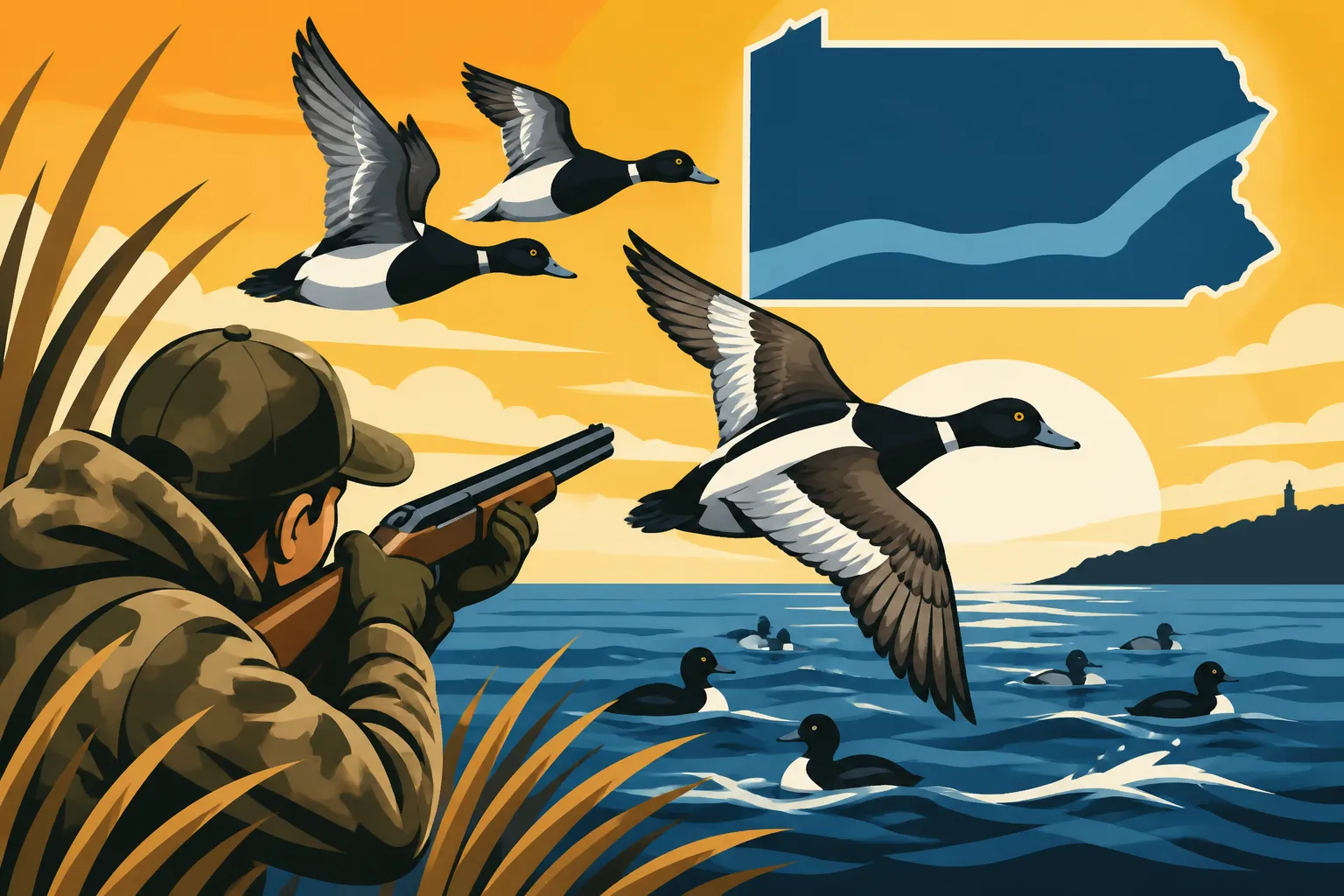
Diver Ducks on Lake Erie
Hunting diver ducks on Lake Erie is a completely different ballgame than sneaking up on wood ducks in a quiet creek bottom or setting up decoys in a flooded cornfield. It's an exhilarating, often challenging, experience that tests your gear, your resolve, and your understanding of big water hunting. The sheer scale of Lake Erie, coupled with its notorious mood swings, means that preparation isn't just a suggestion—it's absolutely critical for success and, more importantly, for safety. This guide aims to prepare you for the unique demands and incredible rewards of pursuing diver ducks on one of Pennsylvania's most dynamic hunting grounds.
Understanding Lake Erie's Diver Ducks
When you talk about diver ducks on Lake Erie, you're stepping into a world where birds don't just tip up for food; they disappear beneath the surface, feeding on mussels, aquatic insects, and small fish. This fundamental difference in feeding behavior dictates their habitat preferences, their flight patterns, and ultimately, how you need to hunt them. The vast, open waters of Lake Erie provide ideal conditions for these species, acting as a crucial stopover and wintering ground on the Atlantic Flyway.
Key Diver Species You'll Encounter
Lake Erie is a prime spot for several species of diver ducks, each with its own characteristics and charm. The most common visitors you'll be targeting include scaup (both greater and lesser, often collectively called "bluebills"), canvasbacks, redheads, and buffleheads. You might also encounter goldeneyes, and occasionally, even long-tailed ducks (formerly oldsquaw) further offshore, although these are typically less common for nearshore hunters. Canvasbacks are often considered the "king" of the divers, known for their large size and delicious meat, while scaup are abundant and can offer fast-paced action. Buffleheads, with their striking black and white plumage, are smaller but incredibly feisty and a joy to decoy.
Recognizing these species on the wing and on the water is crucial for respecting bag limits and appreciating the diversity of the hunt. Pay attention to their flight patterns; scaup, for instance, often fly in large, undulating flocks, while canvasbacks tend to fly in more V-shaped formations. Each species has a slightly different approach to a decoy spread, making observation key to identifying their intent before they commit.
Diver Duck Migration Patterns on Lake Erie
Lake Erie isn't just a destination; it's a superhighway for migratory waterfowl. The migration typically kicks into high gear in October and November as birds move south from their breeding grounds in Canada and the northern U.S. Cold fronts pushing down from the north often bring in new waves of ducks, making weather patterns a huge factor in planning your hunts. Later in the season, as smaller, shallower waters freeze, Lake Erie remains open longer, concentrating divers into its vast expanse. This can lead to incredible late-season opportunities, but it also means dealing with colder, potentially more treacherous conditions.
The birds usually stage in various sections of the lake, often favoring areas with abundant food sources like zebra mussels. These invasive mussels, while problematic for the ecosystem, are a primary food source for many diver species, especially scaup, which helps explain their concentration on the Great Lakes. Understanding these patterns, perhaps by consulting resources like GoHunt's waterfowl migration maps or local reports, can help you pinpoint areas where birds are holding. Duck Migration Timing Through Pennsylvania provides a good general overview for the state, but Lake Erie has its own unique rhythms.
Behavioral Quirks of Lake Erie Divers
Diver ducks have some distinct behaviors that set them apart from dabblers. For one, they are often less wary of open water and boats, likely because they spend so much of their lives offshore. However, they are incredibly wary of anything that looks unnatural in their open environment. This means your blind setup and decoy spread need to be meticulously planned. Divers also raft up in huge numbers on the open lake, sometimes thousands strong. They might fly past your spread for hours, seemingly ignoring you, only to suddenly wheel around and commit when you least expect it.
They are incredibly fast flyers, especially scaup and canvasbacks, which can reach speeds that will humble even experienced shooters. Their dives are swift, and they can stay underwater for surprisingly long periods, making retrieving birds quickly a necessity, especially in rough water. Paying attention to how they approach the decoys – whether they swing wide, make multiple passes, or come straight in – will tell you a lot about their mood and where you need to adjust your setup. Understanding these nuances makes the difference between watching birds fly by and having them cup their wings over your spread.
Essential Gear and Preparation for Lake Erie Diver Hunting
Hunting on Lake Erie is not for the faint of heart or the unprepared. The lake can turn from calm to raging in a matter of minutes, and the distances involved are often far greater than inland hunting. Your gear needs to be robust, reliable, and designed for extreme conditions. Cutting corners here isn't just a bad idea; it can be dangerous.
The Right Boat for Big Water
This is arguably the most critical piece of equipment for Lake Erie diver hunting. You absolutely need a seaworthy boat, not just a jon boat or a small aluminum skiff. A sturdy, deep-V hull boat with a reliable motor is non-negotiable. Many hunters prefer boats in the 16-20 foot range, often with a cuddy cabin or at least a high freeboard to handle waves and spray. Think fiberglass or heavy-gauge aluminum designed for open water. Having a kicker motor as a backup is also a very smart safety measure, as engine trouble on Lake Erie can quickly become life-threatening.
Outfitting your boat with proper navigation (GPS is essential, and an old-fashioned compass is a good backup), a marine band radio, and all required safety equipment (life jackets, flares, horn, throwable flotation devices) is mandatory. And don't forget the anchors – plural. You'll need substantial anchors to hold your boat steady in potentially strong currents and winds, especially when deploying a large decoy spread. Think about your Duck Hunting Pennsylvania Rivers setup, then multiply the requirements by ten for Lake Erie.
Decoy Spreads for Open Water
Diver ducks respond well to large, realistic decoy spreads, often numbering in the hundreds. These birds are used to seeing massive rafts of their kin, so a small spread of a dozen or two won't cut it. You'll need a mix of species, primarily scaup and canvasbacks, with some redheads and goldeneyes mixed in for realism. Decoys specifically designed for open water, with durable paint and keel designs that ride waves naturally, are a must. Long lines with multiple decoys are efficient for deployment and retrieval.
Many successful Lake Erie hunters use long line spreads, often with main lines stretching 50-100 feet or more, each holding 6-12 decoys. These lines are then anchored at both ends. The goal is to create a large, visible landing zone that looks natural from a distance. Consider using a few oversized or magnum decoys to increase visibility, especially on choppy days. The commitment to building and maintaining a large diver spread is significant, but it's often the difference between success and frustration.
Staying Warm and Dry on Lake Erie
The combination of cold water, wind, and spray on Lake Erie means you need top-tier clothing. Layering is paramount, starting with good base layers that wick moisture, followed by insulating layers like fleece or wool. A waterproof and windproof outer shell is critical. Look for gear designed for extreme marine conditions. A good pair of waterproof gloves and a warm hat are also essential, as heat loss from your head and extremities is significant.
Waders, while useful for shallow water, often aren't enough for the deeper, colder conditions of Lake Erie. Many hunters opt for full float suits or even survival suits if conditions warrant, as these offer both insulation and buoyancy in case of an accidental dunking. Remember, hypothermia is a serious risk on big water. Even on seemingly mild days, the water temperature remains dangerously cold, so prioritize safety and warmth above all else. Your Blind Bags and Cold-Weather Gear for hunting deer in the woods might be a good starting point, but you need to upgrade to marine-grade protection.
Tactics and Safety for Lake Erie Diver Hunting
Success on Lake Erie divers hinges on smart scouting, effective setup, and an unwavering commitment to safety. The lake is beautiful but unforgiving, and a momentary lapse in judgment can have severe consequences.
Scouting for Diver Hotspots
Just like hunting deer in the woods, scouting is crucial for diver ducks. Divers often concentrate in specific areas where food is abundant or where they find shelter from prevailing winds. Pay attention to changes in bottom structure, as certain depths and substrates will hold more mussels or aquatic vegetation. Observing where birds are rafting up or where they are consistently flying is key. This often involves scanning vast expanses of water with powerful binoculars from shore or spending time on the lake before the season, carefully marking potential hotspots with a GPS.
Platforms like GoHunt, or even publicly available nautical charts, can help you identify depth contours and potential structures that might hold birds. Wind direction plays a massive role; divers will often favor the lee side of points or islands, or areas where currents concentrate food. Don't be afraid to put in the time before the hunt. You can also monitor duck activity from reliable sources or by driving along the shoreline, looking for "rafts" of birds.
Setting Up Your Spread Effectively
Once you've identified a hotspot, the art of setting up your decoy spread comes into play. The general rule for divers is that they want to land into the wind, much like an airplane. Your boat or blind should be positioned downwind of your main decoy spread, ideally with the wind blowing the birds over your decoys and directly into your shooting lane. Create a large, open pocket or landing zone within your spread to invite the birds in. Think of a "J" or "U" shaped spread, with the open end facing into the wind.
The number of decoys is important, but so is their arrangement. Mix in different species, but keep them generally separated into like groups to appear natural. Place some "confidence" decoys, like a few geese or swans, further out to give the impression of a safe feeding area. Ensure your boat is well camouflaged; even a subtle glint or unusual shape can flare these keen-eyed birds. A good layout blind in the boat, or a well-brushed boat blind, is essential. Consider the movement of your decoys; a little motion in your spread, either from wave action or a jerk string, can add realism.
Navigating Lake Erie's Conditions Safely
Safety on Lake Erie cannot be overstated. Always check the marine weather forecast before you leave shore, and continue to monitor it throughout the day. Conditions can change rapidly, and a small craft advisory or gale warning means staying home. Tell someone your float plan: where you're going, when you expect to return, and who is with you. Have a fully charged cell phone in a waterproof case, but don't rely on it as your sole communication; a marine band radio is much more reliable on big water.
Know your boat's limits and your own. Don't push it in marginal weather. If the waves start building, or the wind picks up significantly, it's always better to pack up and head in early. Capsizing or swamping a boat in cold water is a dire situation. Make sure everyone on board is wearing a life jacket, not just having it stowed. Retrieving downed birds in rough water can be dangerous; use a long-handled landing net or a dog if available, and don't take unnecessary risks. Remember, a duck isn't worth a life. Getting a Deer Out of a Pennsylvania Hollow might be tough, but getting a hunter out of Lake Erie is far more critical.
Regulations and Conservation on Lake Erie
Hunting diver ducks on Lake Erie, while exciting, comes with a specific set of regulations designed to manage waterfowl populations and ensure safe, ethical hunting practices. Understanding and adhering to these rules is part of being a responsible hunter.
Pennsylvania's Specific Waterfowl Regulations for Lake Erie
Pennsylvania falls within the Atlantic Flyway, and specific regulations regarding waterfowl seasons and bag limits are set by the Pennsylvania Game Commission in conjunction with federal guidelines. For Lake Erie, you'll need a general Pennsylvania hunting license, a migratory game bird license, and a federal duck stamp. Additionally, you must be HIP (Harvest Information Program) registered. These are all critical steps before you even set foot in the boat. Make sure you understand Pennsylvania Federal Duck Stamp Rules and Pennsylvania HIP Registration for Migratory Birds thoroughly.
Pay close attention to the specific zone regulations. While Lake Erie is part of the "Lake Erie Zone" for waterfowl, some rules might vary slightly from inland zones regarding season dates and shooting hours. Always consult the current Pennsylvania Game Commission digest for the most up-to-date information. It's your responsibility to know the law.
Understanding Bag Limits and Hunting Zones
Bag limits for diver ducks can vary by species and by year, depending on population trends. For instance, scaup often have a specific, sometimes lower, bag limit than other divers. Canvasbacks and redheads frequently have restrictive limits due to their lower populations or specific management concerns. You need to be able to identify your birds quickly and accurately before you shoot to avoid violating these limits.
There are also specific rules about where you can hunt on Lake Erie. Most hunting takes place on the open lake, outside of regulated safety zones around docks, marinas, and populated areas. Be aware of private property lines if hunting near shore, and always respect safety zones around dwellings or occupied buildings. Pennsylvania Hunter Orange Rules might apply to land-based hunts, but for waterfowl, camouflage is key, though you must still follow all safety protocols. Using a tool like GoHunt or other mapping apps can help ensure you're hunting in legal waters and respecting property boundaries.
The Importance of Responsible Hunting
Beyond the regulations, responsible hunting on Lake Erie involves a strong commitment to conservation and ethical practices. Use non-toxic shot, as required by federal law for all waterfowl hunting, to prevent lead poisoning in ducks and other wildlife. Where Nontoxic Shot Is Required in Pennsylvania explains this vital rule. Pick up all your spent shells, decoy lines, and any other trash you bring onto the lake. Leave no trace.
Being a good steward of the resource also means being respectful of other lake users. Lake Erie is a busy place, with anglers, boaters, and other recreational users. Maintain safe distances, manage your noise, and represent the hunting community positively. Finally, if you're fortunate enough to harvest birds, ensure proper meat care to honor the animal and enjoy your hard-earned bounty. Hunting divers on Lake Erie is a privilege, and by embracing safety, ethics, and conservation, we ensure this incredible experience remains available for generations to come.
Disclaimer
This article is for general informational purposes only and does not constitute professional advice. Laws, prices and regulations vary by location and change over time. Consult a qualified professional for guidance on your specific situation.