Reading Game Lands Boundary Blazes
There's nothing quite like the feeling of stepping into prime hunting ground, but that excitement can quickly turn to anxiety if you're not absolutely sure whether you're on public land or about to accidentally trespass. Navigating the sometimes subtle, sometimes confusing boundary lines of Pennsylvania's vast State Game Lands can be a real headache, especially when the landscape is thick or the blazes are old. This guide is here to walk you through exactly how to read those crucial Game Lands boundary markers, helping you hunt with confidence and stay on the right side of the law.
The Importance of Knowing Game Lands Boundaries
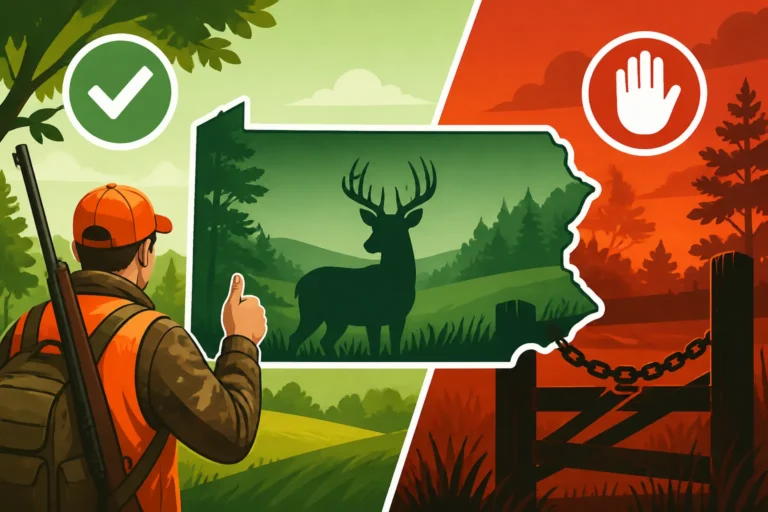
Hunting public land in Pennsylvania offers incredible opportunities, but it also comes with the responsibility of knowing exactly where you are. The lines between State Game Lands and private property aren't always clear-cut, especially when you're deep in the timber, chasing a deer, or focused on a gobbler. Misinterpreting a boundary can lead to serious consequences, from fines and loss of hunting privileges to strained relationships with landowners and the local hunting community. It's not just about avoiding trouble; it's about being a respectful and ethical hunter who values the access we have.
Avoiding Accidental Trespass and Legal Headaches
Picture this: you've been still-hunting all morning, carefully picking your way through a promising ridge, when suddenly you spot movement. You sneak closer, heart pounding, only to realize the deer is now on what looks like a newly posted private property line, perhaps just over a barely visible fence or an old, faded blaze. The frustration of backing out, or worse, the sinking feeling of realizing you've already crossed the line, is something no hunter wants to experience. Pennsylvania takes trespass seriously, and ignorance of the boundary is rarely an acceptable excuse. Even if it's unintentional, stepping onto private land without permission can result in fines and, in some cases, confiscation of your harvest or hunting gear. It can also sour the relationship between landowners and the broader hunting community, potentially leading to more posted land and less access for everyone. Understanding the distinct markers of State Game Lands is your first line of defense against these unwelcome scenarios. Pennsylvania Trespass and Permission Law outlines the legalities, and it's a good read to ensure you're always informed.
Respecting Property and Hunter Relationships
Beyond the legal ramifications, there's a strong ethical component to knowing where you stand. Our hunting access is a privilege, and maintaining good relationships with private landowners is crucial, even when we're primarily hunting public land. An accidental trespass can damage trust, not just with the individual landowner but with the community at large. Landowners who feel their property rights are being ignored are far less likely to grant permission for hunting, even to hunters who are courteous and respectful. By diligently identifying and respecting Game Lands boundaries, you're not just protecting yourself; you're contributing to a positive image of hunters and helping to preserve future hunting opportunities for everyone. It shows that we are responsible stewards of the land and respectful neighbors, whether we're on a vast block of public timber or Hunting Small Private Tracts in Pennsylvania.
Decoding Pennsylvania Game Lands Boundary Blazes
When you're out in the field, the most consistent and critical indicator of State Game Lands boundaries will be the distinctive painted blazes. These aren't just random marks; they follow a specific pattern and color code that, once you understand it, becomes an invaluable tool for navigation. However, these markers can fade over time, become obscured by vegetation, or be accompanied by other, less official signs, making careful observation essential.
The Distinctive Yellow Paint and What It Signifies
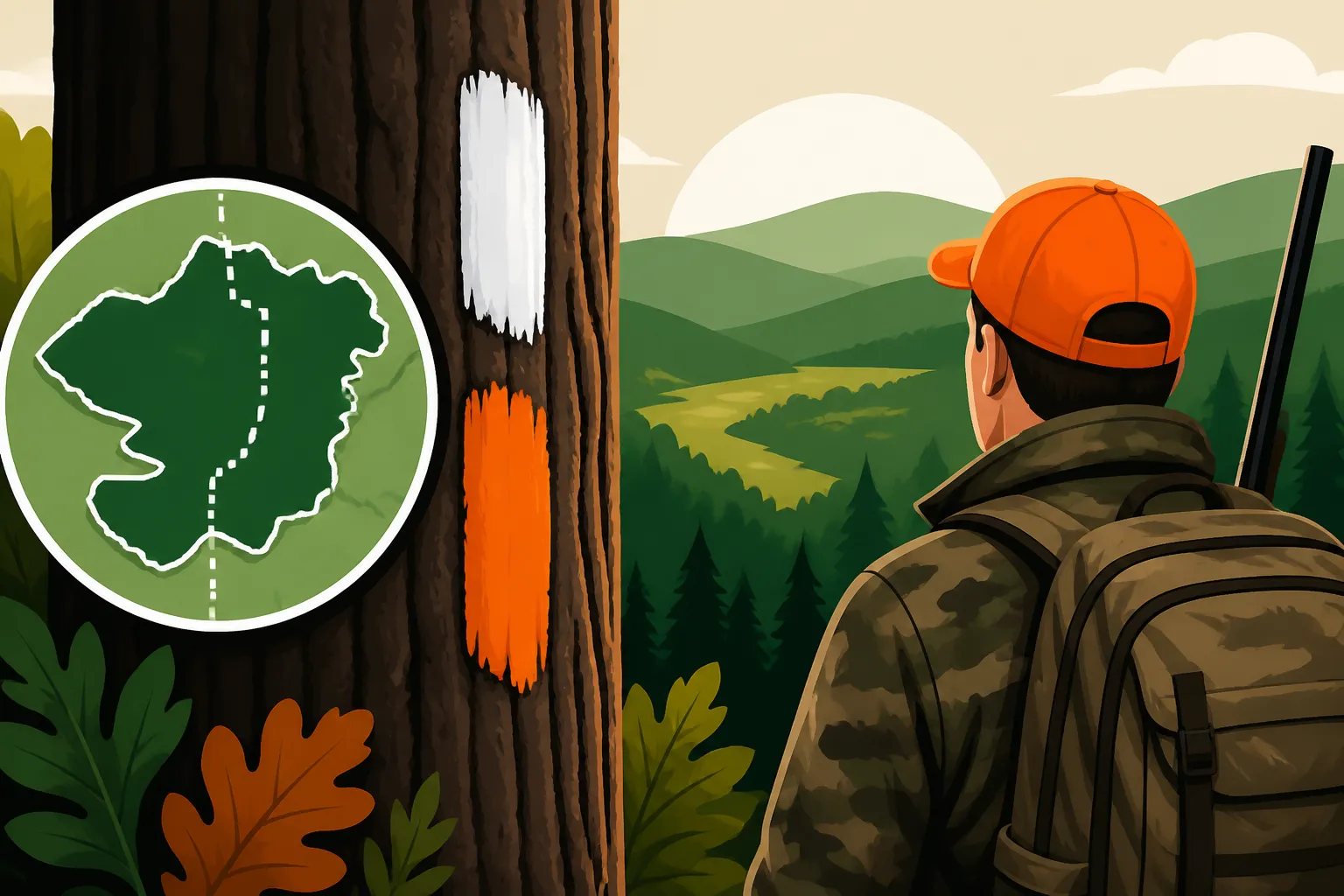
The Pennsylvania Game Commission primarily uses a specific yellow paint to mark the boundaries of State Game Lands. You'll typically find these yellow blazes painted on trees, fence posts, or sometimes even rocks, directly along the property line. They are usually roughly horizontal rectangles, about 2-3 inches wide and 6-8 inches long. The key is their consistency and placement. You should expect to see them frequently, often within sight of the previous blaze, especially in areas where the boundary line is less obvious due to terrain or dense undergrowth. Think of them like breadcrumbs leading you along the legal edge.
When you're walking a boundary, you want to see these yellow blazes on the trees that are on the property line, or facing inward if the trees are just inside the Game Lands. If you're on a property line that runs along an old logging road or a clearcut edge, the blazes might be on the trees facing the road or clearing. It’s also common to see multiple blazes on a single tree at corners or significant turns in the boundary. Pay attention to how often you see them; if you've gone a considerable distance without seeing a yellow blaze, it's a good indication that you might have drifted off the official line. Always remember that these blazes are the definitive word on where Game Lands begin and end. For more detailed mapping, the Pennsylvania Mapping Center can be incredibly useful when planning your trips.
Interpreting Other Boundary Markers
While yellow blazes are the primary method, you might encounter other markers that indicate property lines, especially where Game Lands abut private property or other types of public land. It's crucial not to confuse these with the official yellow Game Lands markers.
- Other Colored Blazes: Private landowners might use different colored paint blazes (red, blue, orange, white) or even other shapes (vertical lines, dots) to mark their own property. Sometimes, state forests (managed by DCNR) might use blue paint blazes. It's essential to understand that only the yellow blazes signify State Game Lands. If you see another color, proceed with caution and verify your location.
- Posted Signs: Private land is often marked with "No Trespassing" or "Private Property" signs. These signs, while clear, can sometimes be old, faded, or torn down. Never rely solely on the absence of a sign as proof that land is public. Always look for the positive indicators of State Game Lands (yellow blazes) rather than just the absence of private postings.
- Fences and Walls: Old stone walls, wire fences, or even agricultural fencing can sometimes serve as property line indicators. However, these aren't always official boundary markers, and property lines can sometimes deviate from a physical fence line. Treat these as guides, but always defer to the painted blazes or digital maps for definitive confirmation.
- Survey Pins and Monuments: Less commonly encountered but highly definitive are survey pins or stone monuments, often found at corners or along long, straight boundary lines. These are usually small metal pins driven into the ground, sometimes with an engraved cap, or small rock piles. If you find one, you're likely on an official corner.
It's a lot to keep track of, but the more you train your eye to distinguish these markers, the more confident you'll become in the field. When scouting, make it a point to walk a known boundary line and observe all the different markers in conjunction with your digital tools.
| Marker Type | Typical Appearance | Significance | Reliability as Game Lands Marker |
|---|---|---|---|
| Yellow Paint Blazes | Horizontal yellow rectangle on trees/posts | Definitive State Game Lands boundary | High |
| Other Colored Paint Blazes | Various colors (red, blue, orange) or shapes | Private or other public land boundary | None (for Game Lands) |
| "No Trespassing" Signs | Usually white, red, or yellow signs | Private property | High (for private land) |
| Fences / Stone Walls | Wire, woven, or old rock structures | May or may not align with property line | Low (can be misleading) |
| Survey Pins / Monuments | Metal pins in ground, marked rocks | Official survey corner or line point | High (for property lines) |
| Old Logging Roads / Clearings | Visibly cut path or open area | Can follow boundary, but not always | Low (requires other confirmation) |
Beyond the Paint: Using Modern Tools and Scouting
While the physical blazes are paramount, in today's hunting world, relying solely on painted trees would be doing yourself a disservice. Modern technology and traditional boots-on-the-ground scouting work hand-in-hand to provide the most comprehensive understanding of Game Lands boundaries. Combining these methods ensures you have multiple layers of confirmation, greatly reducing the risk of an accidental trespass.
Digital Mapping Apps for Real-Time Confidence
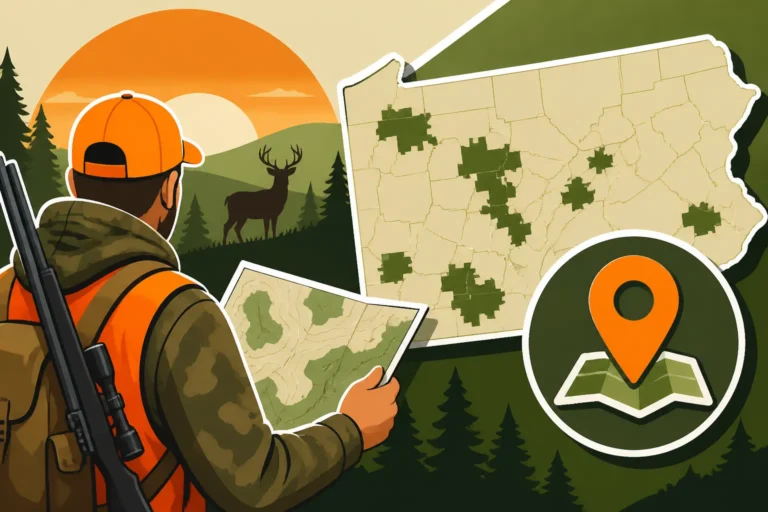
Let's be honest, those yellow blazes can sometimes be few and far between, or so faded you have to squint to even make them out. That's where digital mapping apps like onX Hunt and GoHunt become absolutely indispensable for hunting Pennsylvania's public lands. These apps overlay property ownership data onto detailed topographic maps and aerial imagery, showing you exactly where you are in relation to Game Lands, State Forests, and private parcels.
With onX Hunt, for example, you can see the precise outline of State Game Lands boundaries right on your phone screen, often color-coded for easy identification. As you walk, a blue dot shows your exact location in real-time. This allows you to visually confirm that the yellow blaze you just passed matches the digital line on your map. If you're ever in doubt about a faded blaze or a tricky corner, a quick glance at your phone can provide instant clarification. You can also drop waypoints, measure distances, and track your route, which is incredibly helpful for staying oriented, especially in vast areas like Sproul or Susquehannock State Forests. Similarly, GoHunt offers robust mapping features that allow you to scout from your couch, identifying potential access points and marking key features before you even step foot in the woods. These apps even allow you to download maps for offline use, ensuring you have access even without cell service – a common occurrence in many of Pennsylvania's more remote Game Lands. onX Layers for Pennsylvania Land Status can help you get the most out of these tools.
Boots-on-the-Ground Scouting for Confirmation
While digital maps are powerful, they are not a replacement for good old-fashioned scouting. Think of them as your planning and real-time guidance tools, but nothing beats physically walking the lines to gain a true understanding of the terrain and how those boundaries manifest on the ground.
Pre-season scouting trips dedicated to boundary verification are time well spent. Walk the perimeter of your intended hunting area, paying close attention to where the yellow blazes are, how frequently they appear, and what the terrain looks like on both sides of the line. Does the Game Lands side drop into a steep hollow, while the private land levels out into a field? Does a small creek run along a section of the boundary? Identifying these physical features in conjunction with the blazes and your digital map creates a robust mental picture of the boundary. This physical reconnaissance also helps you spot areas where blazes might be faded, trees have fallen, or new logging activity has occurred, potentially obscuring markers. It's also a great way to Finding Ground Others Walk Past, as oftentimes the pressure can be heaviest near easily accessible boundaries. The more you familiarize yourself with the actual lay of the land, the less likely you are to make a mistake when the adrenaline is pumping during hunting season.
Common Boundary Challenges and Solutions
Even with a keen eye for blazes and the best digital tools, Game Lands boundaries can throw you a curveball. Pennsylvania's varied terrain, weather, and ever-changing landscape present several challenges to keeping track of where you are. Understanding these common difficulties and having strategies to overcome them will ensure you remain confident and compliant.
Faded Blazes and Overgrown Lines
It’s a common frustration: you’re trying to follow a boundary line, and suddenly the bright yellow blazes you were just seeing become faint, barely visible splotches, or disappear entirely behind years of overgrown briars and saplings. This is particularly prevalent on older Game Lands or in areas that haven't seen recent boundary maintenance by the Game Commission. Mother Nature is relentless, and paint fades under sunlight, bark grows over, and vines consume everything in their path.
The best solution here is a multi-pronged approach. First, slow down. Instead of rushing, scan deliberately in a grid pattern. Often, a faint blaze might be obscured from one angle but visible from another. Second, rely heavily on your digital mapping app. If you know you should be on a boundary line, and the blazes are missing, your app can still show you the exact property line. Use it to guide you to where the next blaze should be, and then look for it intently. Sometimes, it's there, just hidden. Third, look for the absence of private property signs or any other indicators that scream "don't go here." While not definitive proof of public land, it can give you a better idea if you're still on the Game Lands side of a faded line. Finally, remember that Game Commission crews do re-blaze lines, so sometimes a section of line might be freshly painted while an adjacent section is ancient. Don't be surprised by the variation.
Navigating Confusing Intersections and Corners
Some of the trickiest spots on Game Lands are where multiple property lines converge, or where a boundary takes a sharp, unexpected turn. These intersections can be disorienting, especially in thick cover or on uneven terrain. A single yellow blaze might signify a change in direction, but it's not always immediately obvious which way the line continues.
When approaching a corner or an intersection of property lines, consult your digital map first. Many apps will clearly show these precise turns and property divisions. Visually confirming the digital line with the physical blazes is key. At a corner, you might see several blazes on a single tree, or blazes marking the start of a new section of the line in a different direction. If you're walking a straight line and suddenly the blazes stop, or you find a blaze facing an unexpected direction, it's a strong indicator that you've hit a turn. Stop, reassess your position on your map, and then look for the blazes marking the new direction of the boundary. It’s always better to take a moment to confirm your position than to push forward blindly and risk crossing onto private land. Remember, patience is a virtue, especially when trying to decipher these often subtle clues in the woods. It's this careful attention to detail that separates the respectful, prepared hunter from one who might inadvertently cause problems for themselves and the broader hunting community. Knowing Finding Pennsylvania Property Lines is a crucial skill for every public land hunter.
Disclaimer
This article is for general informational purposes only and does not constitute professional advice. Laws, prices and regulations vary by location and change over time. Consult a qualified professional for guidance on your specific situation.