E-Collar Use on Public Ground
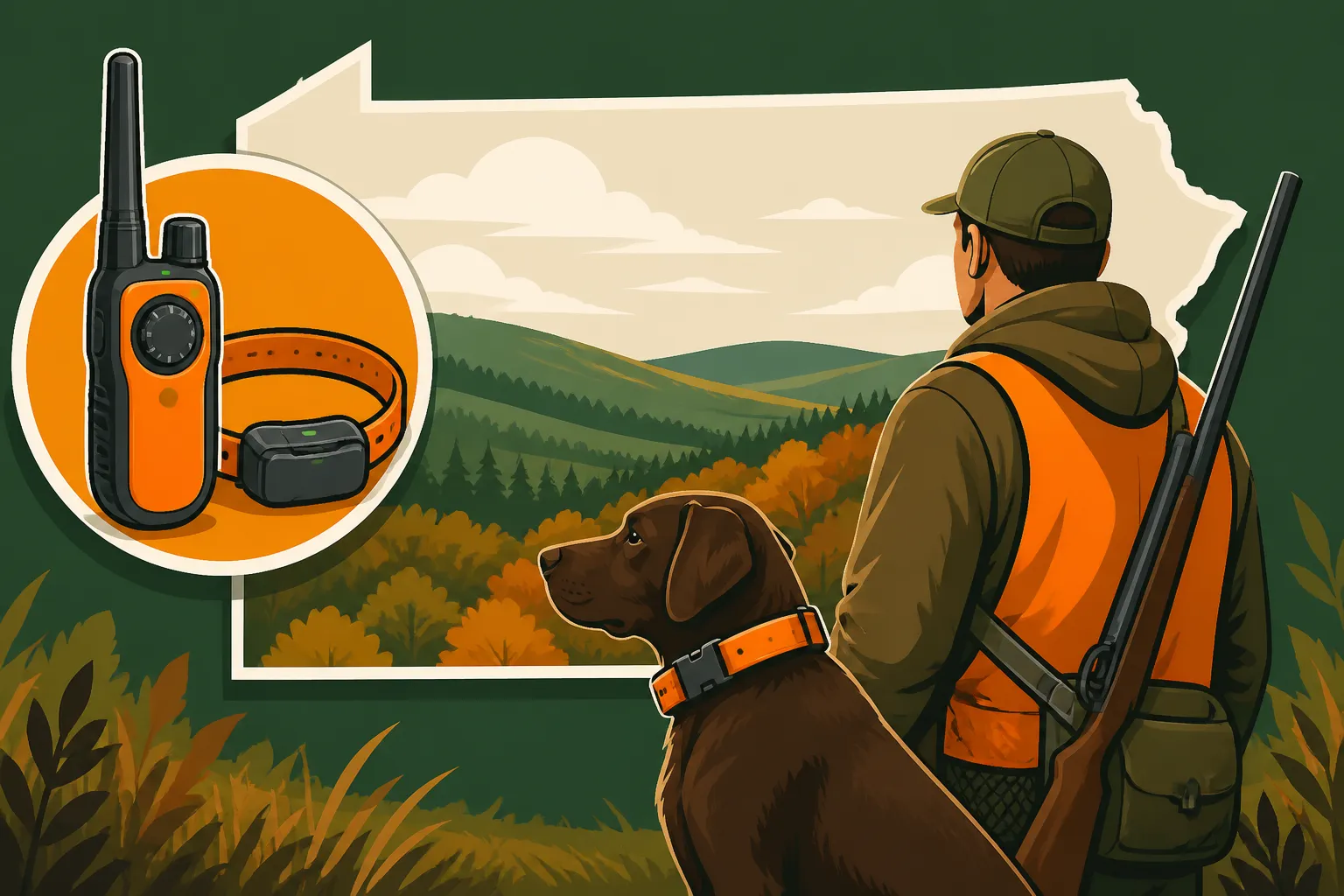
Many Pennsylvania hunters rely on their dogs for everything from tracking deer to flushing pheasants, and e-collars can be an invaluable tool for consistent training and communication in the field. However, navigating the specific regulations and social etiquette surrounding e-collar use on public lands like State Game Lands or State Forests can feel like trying to run a maze blindfolded. This guide will walk you through the nuances of using e-collars responsibly and effectively on Pennsylvania's public hunting grounds, ensuring you and your canine companion stay safe, compliant, and respectful of others.
Understanding Pennsylvania's Public Land Rules for Dogs
Taking your canine companion onto Pennsylvania's vast public lands for training or hunting is a rewarding experience, but it comes with a responsibility to understand and adhere to the rules. These regulations are in place to protect wildlife, ensure safety for all users, and maintain the integrity of our shared natural resources. Knowing the specifics helps you avoid unintentional violations and ensures a positive experience for everyone.
General Regulations for Dogs on State Game Lands
Pennsylvania's State Game Lands are a fantastic resource for hunters and dog owners alike, encompassing hundreds of thousands of acres managed primarily for wildlife and public recreation. Generally, dogs are welcome on these lands, but owners are expected to maintain control at all times. This isn't just a suggestion; it’s a core expectation. Your dog should be responsive to commands, whether verbal or through an e-collar, to prevent disturbing wildlife or other recreational users. It’s not just about avoiding citations; it’s about good stewardship and respect for the resource and fellow outdoors enthusiasts.
While there isn't a blanket ban on e-collars themselves, the key is how they are used in conjunction with keeping your dog under control. The Pennsylvania Game Commission (PGC) emphasizes that all dogs must be under reasonable control, and if they chase game out of season, that can lead to problems. An e-collar, when used correctly, can be a vital tool in preventing these situations, ensuring your dog stays by your side or within a reasonable working distance, especially when game is not in season or when you're passing through areas where others might be present. It provides that reliable connection when a physical leash simply isn't practical. You can learn more about these guidelines in Pennsylvania State Game Lands Rules.
It's important to remember that these lands are multi-use. You might encounter hikers, birdwatchers, mountain bikers, or other hunters who aren't as keen on off-leash dogs. Imagine encountering a family enjoying a nature walk whose picnic is suddenly approached by an overly enthusiastic, untrained dog. Maintaining control, whether that's through a physical leash in high-traffic areas or a reliably trained e-collar system in more open spaces, is paramount. A well-behaved dog reflects positively on all dog owners and hunters, fostering a better overall outdoor community.
Specific Rules for Training Areas and Field Trials
The PGC actually designates specific areas on some State Game Lands for dog training and field trials. These are invaluable resources for developing your dog's skills in a more controlled and understood environment. In these designated areas, the rules can sometimes be a little more relaxed regarding off-leash activity, precisely because their purpose is dog training. Here, you'll often find other dog enthusiasts actively working with their animals, creating a supportive atmosphere. However, even here, the expectation of responsible ownership and control remains; it's not a free-for-all.
When using an e-collar in these designated training areas, you're in a setting where its use is more explicitly understood and often expected. It allows for advanced training scenarios, like simulating retrieving or pointing game birds, without the dog completely disappearing or becoming distracted. These areas are designed for practicing those longer retrieves or working on quartering patterns without constantly worrying about boundaries. Always check the specific Game Land regulations for these areas, as they can sometimes have particular hours or requirements. You might even find signage indicating these zones, making it clear to other users what to expect. This specific aspect of public land use is often covered in Dog Training on Pennsylvania Game Lands.
Outside of these designated training areas, while you can certainly still train your dog, you need to be extra vigilant about the general rules of control. If you're working on advanced commands or off-leash reliability, consider starting in these specific training grounds before venturing into general public hunting areas where the stakes for maintaining control are higher. It’s all about setting your dog—and yourself—up for success and preventing any misunderstandings or conflicts with other public land users. Think of these designated zones as your dedicated classroom before taking your skills to the wider world.
Understanding Leash Laws and Off-Leash Areas
This is where things can get a bit tricky and are often misunderstood by the general public. While many public lands in Pennsylvania don't have a universal "leash law" in the same way a city park might, the expectation of "control" often translates to leashing your dog in certain situations or when near others. For instance, in parking areas, trailheads, or developed recreational sites on public land, having your dog leashed is almost always the sensible and expected behavior, regardless of how well-trained they are with an e-collar. These are common courtesy zones.
The absence of a physical leash doesn't equate to a lack of control, especially when an e-collar is used effectively. However, the optics matter. If your dog is consistently 50 yards ahead of you, even if they respond perfectly to a tone or stimulation, another hiker might perceive it as an out-of-control dog. This is where the e-collar becomes a bridge, allowing you to give commands that mimic the precision of a leash, even at a distance. It's about maintaining that invisible connection and ensuring your dog's actions don't cause alarm or annoyance to others.
Before heading out, especially to a new piece of public ground, take a moment to look up specific rules or check the Game Commission's website. Some areas might have seasonal restrictions for dogs, or stricter leash requirements in high-use zones. For example, during certain nesting seasons, dogs might be restricted from particular bird habitats. Tools like GoHunt can be invaluable here, offering mapping layers that might show designated areas or help you identify less-trafficked zones where you can train with more space, always keeping compliance in mind. Being informed helps avoid uncomfortable encounters and potential issues, making your trips more enjoyable. Scouting Pennsylvania Public Land Before Season can help you plan ahead.
Training with E-Collars Responsibly on Public Ground
Using an e-collar isn't just about putting it on your dog and pushing buttons. It's a sophisticated training tool that, when used responsibly, can greatly enhance your dog's obedience and safety in diverse public land environments. The key is a thoughtful, positive approach that prioritizes clear communication and reinforces good behavior, rather than simply suppressing unwanted actions.
Starting with Low-Level Stimulation
The biggest misconception about e-collars is that they are primarily for punishment. In reality, a properly used e-collar is a communication tool, and the foundation of that communication is low-level, consistent stimulation. You're not looking to "shock" your dog; you're looking for a tap on the shoulder, a gentle reminder that they should pay attention to your command. Many experienced trainers start by finding the "working level" – the lowest setting your dog consistently perceives and responds to, often just a twitch of an ear or a slight head turn, not a yelp or a jump.
When training on public land, especially with its inherent distractions, starting with low levels is crucial. You want your dog to associate the stimulation with a command, not with pain or fear. If you have to escalate the level, it should be a gradual, measured increase to get their attention, followed by a return to the working level once they comply. This method builds a reliable response even when a squirrel darts across their path or another dog appears unexpectedly. It teaches them that a momentary discomfort can be "turned off" by simply obeying.
Imagine you're walking along a game lands edge, your bird dog ranging out ahead, and suddenly a deer busts out. Your immediate "whoa" or "come" command, followed by a gentle, low-level reminder from the e-collar if they hesitate, helps them connect the command with the action, even with high-level distraction. This prevents them from engaging in an illegal chase and reinforces appropriate behavior, which is especially important when considering the presence of deer during various Pennsylvania Small Game Seasons and Bag Limits or when you might encounter wildlife in general.
Focussing on Communication, Not Punishment
An e-collar is an extension of your voice and leash, not a substitute for good, foundational obedience training. Your dog should understand the commands before the e-collar is introduced. The collar simply adds consistency and enables communication at a distance. When your dog makes a mistake, the e-collar should be used to redirect them back to the correct behavior, not as a punitive measure. It's about creating a clear line of communication, even when verbal cues are lost in the wind, over distance, or drowned out by environmental noise.
For example, if you're training a retriever in a waterfowl area on a public lake, and they start to fixate on geese far out of range instead of the dummy you threw, a quick, consistent tone or low-level stim from the e-collar can re-engage their focus. It's not punishing them for being a dog; it's communicating "pay attention to me and this task." This subtle feedback prevents unwanted behaviors from becoming habits that could get you into trouble or interfere with your hunt on public ground, particularly during something like Pennsylvania Black Bear Hunting where a dog needs to be under tight control.
This also applies to safety. If your dog is heading towards a busy road that borders State Game Lands, or perhaps too close to another hunter's setup, the e-collar provides an immediate way to recall them, overriding distractions. It's a critical safety tool that empowers you to protect your dog and maintain good relations with other land users. Think of it as a remote control for safety and obedience, giving you peace of mind that you can intervene effectively when necessary.
Respecting Other Hunters and Wildlife
Public land is shared space, and responsible e-collar use goes beyond just legal compliance—it's about etiquette and demonstrating good sportsmanship. If you're hunting small game like grouse or pheasants, your dog's activity with an e-collar is generally understood, as their role in flushing game is part of the experience. However, if you're out during deer season, even if you're just training, an unruly dog could disrupt another hunter's setup or push deer out of an area. Be mindful of the season, the type of game being pursued, and the likely presence of other hunters.
Always be aware of your surroundings. If you see other hunters, especially deer hunters in their stands, it's courteous to leash your dog or call them close and keep them quiet until you've passed well out of their area. An e-collar makes this "call close" command much more reliable. Similarly, avoid letting your dog harass or chase non-game animals, which can be an ethical issue and, depending on the species and season, a legal one. Good tools like GoHunt can help you understand hunter pressure and specific game land boundaries, assisting in planning your training sessions in less intrusive locations.
Consider the impact on wildlife. While training in season for upland birds like those you'd pursue in Grouse Hunting Pennsylvania Cover or Hunting Stocked Pheasants in Pennsylvania, your dog's presence is part of the hunt. Out of season, however, you want to minimize disturbance to nesting birds or fawning deer. An e-collar helps ensure your dog doesn't excessively roam or harass wildlife, promoting a healthy ecosystem and responsible recreation. It gives you the ability to ensure your dog sticks to the task at hand and leaves non-target species undisturbed.
Choosing the Right E-Collar for Pennsylvania Conditions
Selecting an e-collar isn't a one-size-fits-all decision, especially when considering the varied terrain and weather you'll encounter while hunting and training in Pennsylvania. The ideal collar will offer durability, reliable performance, and features tailored to your specific needs and the challenging outdoor environment.
Waterproof and Durable Designs
Pennsylvania weather can be notoriously fickle, ranging from damp, misty mornings to full-blown downpours, often in the same day. If your dog is going to be working in fields, thick cover, or near streams and marshes, a fully waterproof e-collar is non-negotiable. Look for receivers that are rated as truly submersible, not just splash-proof, meaning they can handle your dog taking a dip in a creek or getting thoroughly soaked during a heavy rain. A wet collar that malfunctions can leave you without control at a critical moment.
Durability is another key factor. Public lands are often rugged terrain, full of briars, rocks, and dense brush. Your dog will be pushing through this, and the collar and receiver need to withstand scrapes, impacts, and general wear and tear. Solid construction, robust materials, and a secure fit are crucial. You don't want the receiver to fall off or malfunction when your dog is out of sight, especially if you rely on it for critical commands. Many quality brands offer designs specifically tailored for the rigors of hunting, built to take a beating in the woods.
Think about the collar strap itself. A strong, flexible, and easily adjustable strap that won't irritate your dog's neck or snag easily in the brush is important. Some collars even come with a tracking component, which can be an added layer of security when hunting vast public tracts or trying to track a wounded animal after the shot. When you're out chasing rabbits with beagles in Rabbit Hunting With Beagles in Pennsylvania, that durability really matters; you need gear that can keep up with your dog.
Range and Battery Life Considerations
The terrain in Pennsylvania, with its rolling hills, dense timber, and deep hollows, can significantly impact e-collar range. While a manufacturer might claim a 1-mile range, that's often in ideal, flat, open conditions. In the real world of Hunting Pennsylvania's Big Woods for Deer or dense regrowth, that range can be cut substantially by dense foliage and topography. Consider how far your dog typically ranges and choose a system with more range than you think you'll need to account for terrain interference. It’s better to have too much range than not enough when your dog is out of sight.
Battery life is equally crucial. A dead e-collar is just a fancy collar. You need a system that can last for a full day's hunt, or even several days if you're on a multi-day trip. Look for quick-charging batteries and consider carrying a portable power bank, especially if you're using a unit that also incorporates GPS tracking. Nothing is more frustrating than having your collar die just as your dog starts to get into something, leaving you scrambling for control.
Many modern e-collars have clear indicators for battery life, both on the remote and the receiver, which are incredibly helpful. A good rule of thumb is to charge your collar the night before every outing, just like you would your phone or GPS unit. This proactive approach ensures you always have reliable communication with your dog, no matter how long your day on the public lands turns out to be. Reliability is key to safety and effective training.
Features for Different Training Needs
E-collars aren't one-size-fits-all. Different dogs and different training goals call for different features. Some collars offer multiple levels of static stimulation, from very mild to more intense, along with vibrate and tone options. A tone can be particularly useful as a pre-stimulus warning, allowing you to get your dog's attention before a stimulation, or for quiet recalls. Vibrate functions are great for sensitive dogs or as a silent cue in close quarters.
If you're training multiple dogs, look for a system that can control several collars from a single remote. This is invaluable for those with a brace of bird dogs or a pack of beagles. Managing individual dogs with a single remote streamlines your communication in the field. Some remotes also feature a "booster" button for emergency situations where you need an immediate, higher-level response, such as pulling a dog back from a dangerous situation or an unwanted pursuit. Consider the size and ergonomics of the remote itself – can you operate it easily with gloves on, or without looking?
Advanced features, like GPS tracking, are becoming more common and can be a lifesaver on vast public lands. This allows you to see your dog's location on a map, which is excellent for safety and recovery, especially if they get on a hot track or wander out of sight in thick cover. While these integrated systems can be an investment, the peace of mind they offer, particularly on unfamiliar public land, is often worth it. Before investing, a quick search on GoHunt might reveal user reviews or comparisons specific to these types of advanced e-collars for hunting applications. Ultimately, choosing wisely ensures you have the right Bird Dog Gear for Pennsylvania Cover for success.
Addressing Common Concerns and Ethical Considerations
While e-collars are highly effective training tools, their use often sparks debate. As responsible handlers on public land, it's crucial to not only use these tools correctly but also to understand and address the ethical dimensions and public perceptions surrounding them. Your actions directly impact how these valuable training aids are viewed by the broader outdoor community.
Public Perception and Education
Let's be honest, e-collars carry a bit of a stigma among some non-hunters and even some within the hunting community. Misconceptions abound, often rooted in outdated or abusive practices from many years ago. As responsible users, it's our job to challenge these perceptions through example. A dog that is well-behaved, responsive, and happy, even when wearing an e-collar, is the best advertisement for responsible training. When people see a calm, obedient dog, their preconceived notions begin to crumble.
On public land, you might encounter people who are openly critical or curious about e-collars. Instead of becoming defensive, consider it an opportunity to educate. Explain that the collar is a communication tool, used at low levels to reinforce commands, much like a subtle tug on a leash, but at a distance. Share how it helps you keep your dog safe from traffic or dangerous situations, and ensures they don't disturb other wildlife or people. This kind of positive interaction can go a long way in changing minds and promoting a more informed view of modern e-collar training.
It's also important to recognize that not every dog owner on public land uses an e-collar, and some may not understand their purpose. Maintaining a friendly and respectful demeanor, ensuring your dog is always under control, and minimizing any potential disruption are paramount. You want to be an ambassador for responsible dog ownership and hunting, making sure your presence enhances, rather than detracts from, the experience of others on shared lands. Your behavior sets an example for others.
Ensuring Dog Safety and Well-being
The primary ethical consideration is always the safety and well-being of your dog. An e-collar is a tool, and like any tool, it can be misused if placed in the wrong hands or used without proper understanding. Never use it out of anger or as a punishment for unknown transgressions; this only fosters fear and confusion. Always ensure the contact points are making proper contact with your dog's skin, but not so tight as to cause chafing or sores. Regularly check for irritation, especially during extended wear, and rotate the collar's position if needed.
Introduce the e-collar slowly, in a low-distraction environment, and pair the stimulation with known commands. The goal is for the dog to learn to turn off the stimulation by complying with the command, fostering a positive association with obedience. This method prevents fear and anxiety and builds confidence in the dog, creating a willing partner. Over-stimulation or improper use can create a fearful or collar-wise dog, which defeats the purpose of the tool entirely and can damage your bond.
Consider the weather. While waterproof, intense cold or heat can still affect your dog and the collar's performance. In extreme cold, check the battery more frequently, as cold can drain power faster, and ensure your dog is properly insulated. In heat, ensure your dog has plenty of water and isn't overexerting itself; an e-collar doesn't protect against heatstroke. Your dog's health and comfort should always take precedence over training intensity, especially on long treks through public woods or fields during deer season or Pennsylvania Black Bear Hunting. Proper Clothing for a Pennsylvania December is important for you, but your dog's comfort also needs attention.
Avoiding Over-Reliance on the Collar
An e-collar is a powerful aid, but it shouldn't replace fundamental obedience training or the deep bond you share with your dog. The ultimate goal is a dog that responds reliably to your voice commands, with the e-collar serving as an insurance policy or a way to reinforce commands at a distance or under heavy distraction. If your dog only listens when the collar is on, or when you have the remote in your hand, you haven't fully achieved reliable training; they should obey based on your command, not just the potential for a stimulation.
Continue to practice obedience in various environments, gradually reducing your reliance on the e-collar for routine commands. Use it strategically for difficult situations or to proof commands in high-distraction settings, solidifying their understanding. This approach strengthens your dog's understanding and response to your verbal cues, making them a more reliable partner both on and off public lands. They learn to associate your voice with the correct action, making the collar less of a primary tool and more of a backup.
Think of it as a journey, not a destination. Consistent, positive training, with the e-collar as one of many tools in your kit, will build a confident, obedient hunting companion. Whether you're navigating Hunting Pennsylvania Clearcuts and Regrowth or enjoying a quiet morning in the timber, a well-trained dog, whose responses are second nature, is a joy to hunt with and a testament to responsible ownership. By continuing to learn and refine your techniques, perhaps even looking up resources on sites like GoHunt, you ensure you're always growing as a dog handler. This continuous learning aligns well with the spirit of Pennsylvania Hunter Education Requirements.
| Feature | Basic Obedience Collar | Hunting/Sporting Collar | Advanced GPS/Training Collar |
|---|---|---|---|
| Primary Use | Everyday obedience, reinforcing commands | Field training, hunting (upland, waterfowl) | Complex tracking, long-range control, safety |
| Typical Range | Up to 400 yards (line of sight) | 1/2 mile to 1 mile+ (terrain dependent) | 2 miles+ (GPS often extends effective range) |
| Waterproofing | Often splash-proof, sometimes submersible | Usually fully submersible (IPX7/IPX8) | Always fully submersible and ruggedly built |
| Stimulation Types | Tone, Vibrate, Static (few levels) | Tone, Vibrate, Static (multiple levels), Continuous/Momentary | Tone, Vibrate, Static (extensive levels), Booster, GPS/Tracking |
| Battery Life | 1-2 days (receiver and remote) | 2-3 days (receiver and remote) | 1-3 days (GPS usage can significantly impact life) |
| Multi-Dog Capable | Sometimes (2 dogs) | Often (2-3 dogs, expandable) | Usually (up to 20 dogs on some systems) |
| Terrain Suitability | Parks, open fields, suburban areas | Moderate cover, rolling hills, open woodlands | Dense timber, steep mountains, large, remote properties |
Disclaimer
This article is for general informational purposes only and does not constitute professional advice. Laws, prices and regulations vary by location and change over time. Consult a qualified professional for guidance on your specific situation.