Bow Cases for Travel to Pennsylvania
One of the biggest anxieties for any traveling bowhunter, especially those heading to the diverse and often rugged terrain of Pennsylvania, is ensuring your precious archery equipment arrives safely and ready for action. Your bow is a precision instrument, an extension of yourself in the woods, and the thought of it getting damaged in transit can be a real nightmare. This guide is all about helping you navigate the world of bow cases, ensuring you pick the perfect protector for your setup, whether you're driving across the state or flying in for a dream hunt.
Understanding Different Types of Bow Cases for Travel
When you start looking at bow cases, you'll quickly realize there's a huge variety out there, each designed with different levels of protection and modes of travel in mind. It's not just about throwing your bow in a bag; it's about matching the case to your adventure.
Soft Cases: The Lightweight Option
Soft cases are often the first type of case a new archer might pick up, and for good reason. They're generally the most affordable and certainly the lightest. Think of them as a padded sleeve for your bow, usually made from durable fabric like Cordura or ballistic nylon, often with some foam padding sewn into the sides.
While they offer basic protection against scratches, dust, and minor bumps, they're not designed for heavy impacts or being tossed around. If you're just driving your bow in the back seat of your truck to a local 3D shoot or transporting it a short distance from your cabin to a nearby stand, a soft case might be perfectly adequate. They often have external pockets for arrows, broadheads, and other small accessories, which is super convenient for keeping everything together. However, for any serious travel, especially if you're checking your bow on an airplane or packing it into a vehicle that's crammed with other gear, a soft case just won't cut it. The risk of your cams getting bent or your sight getting knocked out of alignment is simply too high. It's a trade-off: portability and cost-effectiveness versus genuine protection.
Hard Cases: The Ultimate in Protection
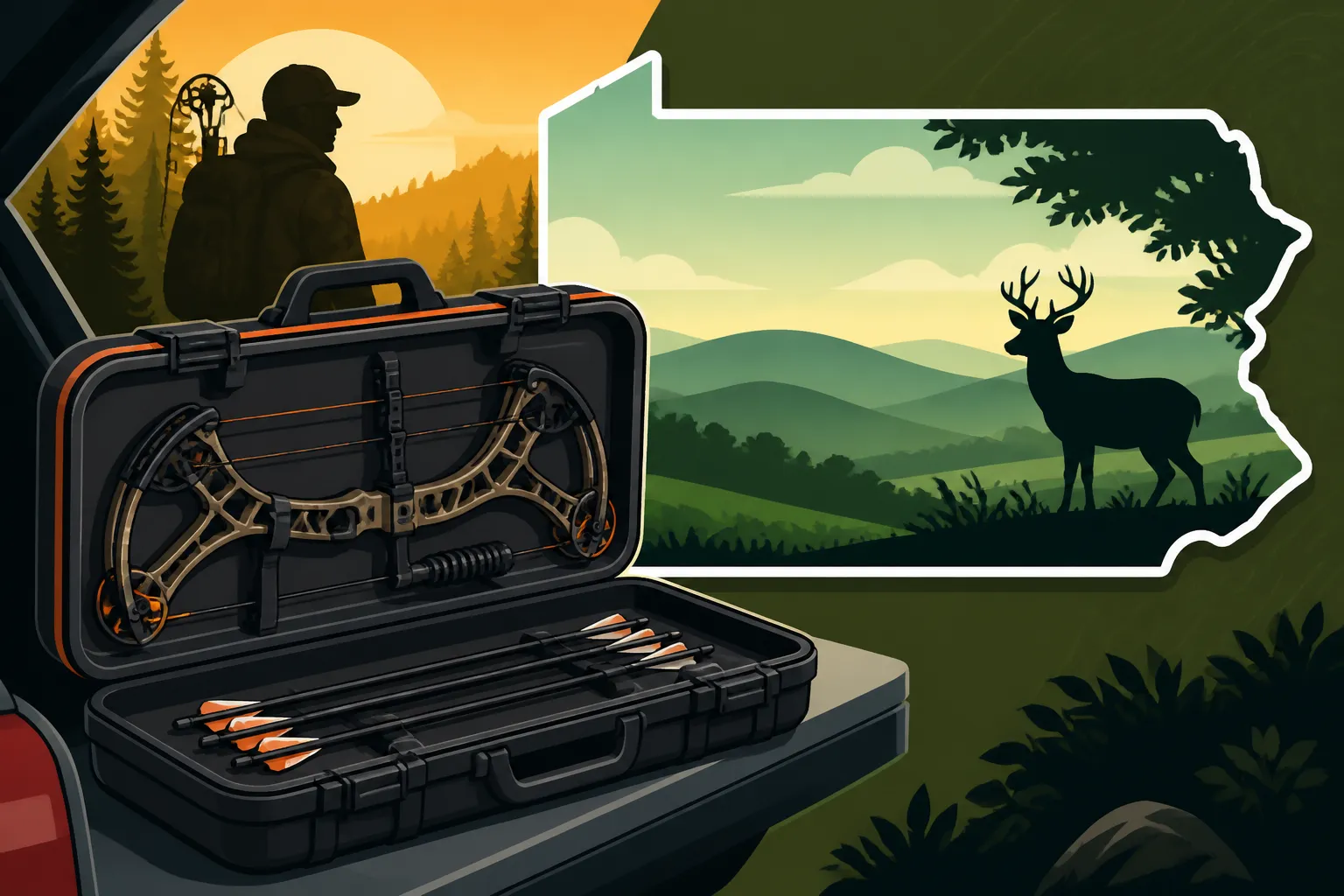
Now, if you're serious about protecting your investment, especially when traveling a significant distance or entrusting your bow to an airline baggage handler, a hard case is your best friend. These are typically constructed from robust plastics, often roto-molded or injection-molded, designed to withstand extreme impacts, crushing forces, and sometimes even water submersion. When you invest in a quality hard case, you're essentially putting your bow in its own armored vault.
The heavier construction and superior materials mean hard cases are undeniably bulkier and heavier than their soft counterparts. This can make them a bit more cumbersome to lug around, especially if you're navigating an airport or moving gear solo. However, this bulk is a small price to pay for the peace of mind they offer. They're built to maintain structural integrity even if dropped, stacked, or subjected to significant pressure. Many come with dense foam interiors, often customized with pick-and-pluck foam or pre-molded cutouts, to cradle your bow perfectly and prevent any internal movement. This is crucial for maintaining your bow's zero and preventing damage to delicate components like sights and rests. For those once-in-a-lifetime trips, or if your bow is a custom build you've poured money and time into, a hard case is practically mandatory.
Hybrid Cases: A Blend of Both Worlds
In between the minimalist soft case and the fortress-like hard case, you'll find hybrid options. These cases try to strike a balance, offering more protection than a soft case without the full weight and rigidity of a traditional hard case. They often feature a semi-rigid exterior, perhaps a sturdy fabric laminated over a lightweight plastic shell, or a heavily reinforced soft case with internal stiffeners.
Hybrid cases might be a good fit for hunters who primarily travel by vehicle but want more peace of mind than a soft case provides. They typically offer better padding and some level of crush resistance compared to soft cases, making them suitable for car trunks, truck beds (under a tonneau cover), or RV storage where the bow might experience some jostling but isn't likely to be dropped from a height or have heavy objects piled on top of it. They tend to be lighter than full hard cases and sometimes more affordably priced. However, it's important to understand their limitations: they usually won't offer the same level of waterproof sealing or extreme impact resistance as a true hard case. If you're contemplating air travel, always defer to a dedicated hard case that meets airline regulations. For those weekend trips to the mountains for Hunting Pennsylvania's Big Woods for Deer where your gear might get knocked around in the back of the SUV, a hybrid could be a smart compromise.
Key Features to Look For in a Travel Bow Case
Choosing a bow case isn't just about hard or soft; it's about the details that make one case superior to another for protecting your valuable equipment. These features are what separate a good case from a great one.
Material and Construction: Durability Matters
The external material of your bow case is its first line of defense. For hard cases, you'll mostly see various types of plastic. Roto-molded cases are often considered the most durable, created from a single piece of plastic, resulting in thicker walls and superior impact resistance without weak points. Injection-molded cases are also very strong, offering precise fits and consistent quality. Both are far superior to thinner, thermoformed plastics. Look for cases that can withstand punctures and cracking, especially in cold weather, which can make some plastics brittle.
Beyond the main material, pay attention to the hardware. Heavy-duty latches, often flush-mounted to prevent snagging, are essential. Double-throw latches provide extra security. Hinges should be robust, preferably metal or reinforced plastic, and built to last through countless openings and closings. If your travel involves dusty roads or potential rain, a waterproof and dustproof seal, often an O-ring gasket around the lid, is a non-negotiable feature. This will keep moisture, grit, and even curious insects out of your bow's intricate mechanisms. This is especially important if you're hunting in varied conditions, from damp creek bottoms to exposed ridges, as you'd find in places like Hunting Pennsylvania Clearcuts and Regrowth.
Interior Padding and Tie-Downs: Securing Your Investment
The inside of your case is just as important as the outside. A bombproof exterior is useless if your bow is rattling around inside, vulnerable to internal impacts. Most quality hard cases come with dense foam padding. Convoluted foam (the egg-crate style) offers general cushioning, while pick-and-pluck foam allows you to customize the fit precisely to your bow and accessories. Some high-end cases feature pre-molded interiors specific to certain bow models, offering an almost glove-like fit.
Beyond the foam, look for secure tie-down straps or Velcro fasteners. These straps prevent your bow from shifting, even if the case is dropped or turned upside down. Any movement inside the case can lead to damage, especially to delicate parts like your sight, arrow rest, or cams. Make sure there's dedicated space, or enough customizable foam, for your arrows, quiver, and other essential accessories like your release aid, rangefinder, and any Optics for Pennsylvania Timber Hunting you might be bringing. Keeping everything neatly organized and secured within the case not only protects your gear but also makes unpacking and setting up at your hunting destination much smoother.
Security Features: Locks and Latches
When you're traveling, especially by air, security is paramount. Your bow case needs to protect your equipment not only from physical damage but also from theft or tampering. Quality hard cases will feature reinforced padlock points, allowing you to secure the case with sturdy, reliable locks. For air travel, make sure these are TSA-approved locks if you intend for the TSA to be able to open the case for inspection without you being present.
Beyond locks, the latches themselves play a huge role in security. Flimsy plastic latches are prone to breaking or popping open, which compromises both the physical integrity of the case and the security of its contents. Seek out heavy-duty, robust latches, ideally with a positive locking mechanism that gives you confidence it won't accidentally unlatch. Some cases even offer internal locking mechanisms or reinforced metal plates for added anti-theft measures. While you're preparing for your trip, don't forget to review Pennsylvania Hunter Education Requirements to ensure you're up to date on all regulations, including those pertaining to safe transport of hunting equipment.
Travel Considerations for Your Pennsylvania Hunting Trip
Pennsylvania's diverse landscape and varied hunting opportunities mean you might be traveling in several different ways. Your bow case needs to stand up to the specific demands of your journey.
Air Travel Regulations and Best Practices
Flying with a bow, especially a compound or recurve, involves specific regulations from airlines and the TSA. The absolute first rule of air travel with a bow is to use a hard case. Soft cases are almost universally prohibited for checked archery equipment because they offer insufficient protection. You'll need to declare your bow at the check-in counter, much like you would a firearm. It's usually checked as a special item, and you might need to sign a declaration.
Your hard case must be lockable, and for the most part, you should use TSA-approved locks on any external locking points so that agents can inspect the contents without damaging your case. Always check your specific airline's current policies well in advance, as they can vary slightly. Many hunters remove their bow sights, stabilizers, and quivers from the bow itself and secure them separately within the case's foam padding to prevent damage. Remember to empty any broadheads from their quiver and place them in a protective container within the case. While you're researching potential hunting spots in Pennsylvania, perhaps using a mapping tool like GoHunt to scout public lands or evaluate habitat, give just as much thought to how your bow will get there safely. Your bow is a valuable item, and understanding the rules upfront saves a lot of stress at the airport.
Road Tripping Across the Keystone State
Most Pennsylvania hunters travel by vehicle, whether it's a short hop to a local farm or a several-hour drive to the Allegheny National Forest Hunting. Even in your own vehicle, securing your bow case is vital. Don't just toss it in the back seat or trunk. If it's a hard case, it can withstand some jostling, but constant shifting can still lead to internal damage or wear. Use bungee cords, cargo nets, or built-in tie-downs in your vehicle to keep the case from sliding around.
Consider the weather, too. Pennsylvania is known for its unpredictable conditions, from heavy rain to early snow. If your case isn't completely waterproof and it's riding in an open truck bed, a tonneau cover or even a tarp is a smart investment. Road salt and grime can also be corrosive, so keep your case protected. The convenience of easy loading and unloading at your hunting camp, hotel, or when you're making a quick stop for a bite, is also something to consider. While a heavy-duty hard case offers the best protection, its bulk might be a minor inconvenience for quick transfers compared to a more compact hybrid. Planning your route with a tool like GoHunt can help you understand the terrain you'll encounter, from paved roads to rugged forest service tracks.
Navigating Pennsylvania's Diverse Terrain
Once you arrive at your general hunting area in Pennsylvania, you might still have some navigating to do to get to your exact spot. This could mean driving down a gravel state forest road, taking an ATV on a designated trail, or even a short walk from a parking area to your cabin. The design of your bow case, particularly its handles and any wheels, becomes important here.
Many larger hard cases come with integrated wheels, which are a godsend when you're pulling a heavy case across a parking lot or through an airport terminal. Solid, well-placed handles are also crucial for lifting the case into and out of vehicles. If you're heading to a remote cabin or a temporary hunting camp, your bow case often doubles as secure storage for your bow once you're there. Look for cases that can be easily locked down or stored out of the way, protecting your bow from accidental bumps, moisture, or curious critters while you're out scouting or cooking dinner. A good bow case protects your investment, much like detailed maps from a service like GoHunt protect your hunting time by showing you optimal travel routes and potential bedding areas. Whether you're preparing for Bowhunting Pennsylvania's October Archery Season or getting ready for Hunting the Peak Rut Week in Pennsylvania, having your bow arrive safely is step one.
Choosing the Right Case for Your Pennsylvania Bowhunting Adventure
Making the final decision on a bow case comes down to a few critical factors that are unique to your setup and your style of hunting.
Matching Case to Bow Type and Accessories
First and foremost, the case must fit your bow. A compound bow, with its cams and string system, requires a specific interior design to prevent damage. Recurve and traditional bows often break down, allowing for more compact cases, but their limbs and risers still need ample protection. Before you buy, measure your bow, paying close attention to axle-to-axle length, width at the cams, and any installed accessories like large sights or stabilizers.
Consider what other gear you plan to store in the case. Many hunters prefer to keep their quiver, arrows, release aid, rangefinder, and even some Optics for Pennsylvania Timber Hunting within the bow case for ultimate convenience and security. Ensure there's adequate space and foam to secure all these items without them bumping into your bow. For example, if you prefer to keep your sight and stabilizer attached to your bow while traveling for quick setup, make sure the case has the internal depth and cutouts to accommodate them safely. This is where customizable foam really shines. A well-organized case not only protects your gear but also makes your setup process at camp much smoother, especially when you're itching to get into the woods for Hunting the Pre-Rut in Late October.
Budgeting for Protection: It's an Investment
Let's be realistic: a quality bow is a significant investment, often costing hundreds, if not thousands, of dollars. Skimping on the case that protects that investment makes little sense. While cheap cases exist, they often use inferior materials, have flimsy latches, and provide inadequate padding. A good hard case can certainly feel expensive, but compare that cost to replacing a damaged bow, repairing a bent cam, or having to buy new optics because they were crushed.
Think of your bow case as insurance. It’s a one-time purchase that can last for years, through countless trips and adventures. Many reputable case manufacturers offer excellent warranties, standing behind the durability of their products. Instead of looking at the price tag in isolation, consider the value of the equipment it's protecting and the peace of mind it offers. Sometimes, spending a bit more upfront saves you a lot of headache and expense down the road.
Practical Tips for Packing Your Bow Case
Once you have your ideal bow case, knowing how to pack it correctly is key. Here are a few tips:
- Remove or secure accessories: While some cases allow you to keep sights and stabilizers on, for maximum protection, consider removing them and securing them in separate foam cutouts. This reduces the chance of them being bent or broken off during transit. Your Bow Setups for Pennsylvania Whitetails are finely tuned, and even minor bumps can throw them off.
- Secure arrows: Never just toss loose arrows into the case. Use an arrow tube, a dedicated arrow slot in the foam, or a quiver that's securely strapped down. Broadheads should always be removed from hunting arrows and stored in a hard, protective case.
- Pad delicate items: If you have a particularly sensitive piece of gear, like a high-end rangefinder or a fragile release aid, give it extra padding with a small piece of foam or even a cloth wrap.
- Check for movement: Once everything is packed and the case is closed, gently shake it. You shouldn't hear or feel anything rattling around. If you do, rearrange and add more padding until everything is snug.
- Empty pockets: Before flying, ensure there are no multi-tools, knives, or other prohibited items left in any accessory pockets of the case that could cause issues at security.
- Documentation: Keep a photo of your packed bow and contents, along with your bow's serial number, in a separate location. This can be invaluable for insurance or recovery if anything goes wrong.
Making sure your bow arrives in Pennsylvania in perfect working order is the first step to a successful hunt. By choosing the right case and packing it thoughtfully, you're setting yourself up for success in the field, whether you're navigating Treestand Setups in Pennsylvania Hardwoods or just trying to find Finding Ground Others Walk Past.
| Case Type | Protection Level | Primary Use Cases | Pros | Cons | Air Travel Viability |
|---|---|---|---|---|---|
| Soft Case | Basic | Local range trips, car transport, short distances | Lightweight, inexpensive, easy to carry, often has external pockets | Minimal impact/crush protection, prone to tears | Not Recommended |
| Hard Case | Excellent | Air travel, long road trips, protecting valuable bows | Maximum impact/crush, waterproof/dustproof, superior security | Heavy, bulky, more expensive | Recommended |
| Hybrid Case | Good | Road trips (moderate distance), general vehicle storage | Better protection than soft, lighter/less bulky than hard, often padded | Less extreme protection than hard, still can be cumbersome | Limited / Not Ideal |
Disclaimer
This article is for general informational purposes only and does not constitute professional advice. Laws, prices and regulations vary by location and change over time. Consult a qualified professional for guidance on your specific situation.